• KGS/USD = 0.01143 0%
  • KZT/USD = 0.00205 0%
  • TJS/USD = 0.10724 0.09%
  • UZS/USD = 0.00008 0%
  • TMT/USD = 0.28571 0%
  • KGS/USD = 0.01143 0%
  • KZT/USD = 0.00205 0%
  • TJS/USD = 0.10724 0.09%
  • UZS/USD = 0.00008 0%
  • TMT/USD = 0.28571 0%
  • KGS/USD = 0.01143 0%
  • KZT/USD = 0.00205 0%
  • TJS/USD = 0.10724 0.09%
  • UZS/USD = 0.00008 0%
  • TMT/USD = 0.28571 0%
  • KGS/USD = 0.01143 0%
  • KZT/USD = 0.00205 0%
  • TJS/USD = 0.10724 0.09%
  • UZS/USD = 0.00008 0%
  • TMT/USD = 0.28571 0%
  • KGS/USD = 0.01143 0%
  • KZT/USD = 0.00205 0%
  • TJS/USD = 0.10724 0.09%
  • UZS/USD = 0.00008 0%
  • TMT/USD = 0.28571 0%
  • KGS/USD = 0.01143 0%
  • KZT/USD = 0.00205 0%
  • TJS/USD = 0.10724 0.09%
  • UZS/USD = 0.00008 0%
  • TMT/USD = 0.28571 0%
  • KGS/USD = 0.01143 0%
  • KZT/USD = 0.00205 0%
  • TJS/USD = 0.10724 0.09%
  • UZS/USD = 0.00008 0%
  • TMT/USD = 0.28571 0%
  • KGS/USD = 0.01143 0%
  • KZT/USD = 0.00205 0%
  • TJS/USD = 0.10724 0.09%
  • UZS/USD = 0.00008 0%
  • TMT/USD = 0.28571 0%

Viewing results 1 - 6 of 758

Turkmenistan May Supply Gas, Electricity to Kazakhstan, Azerbaijan and Turkey

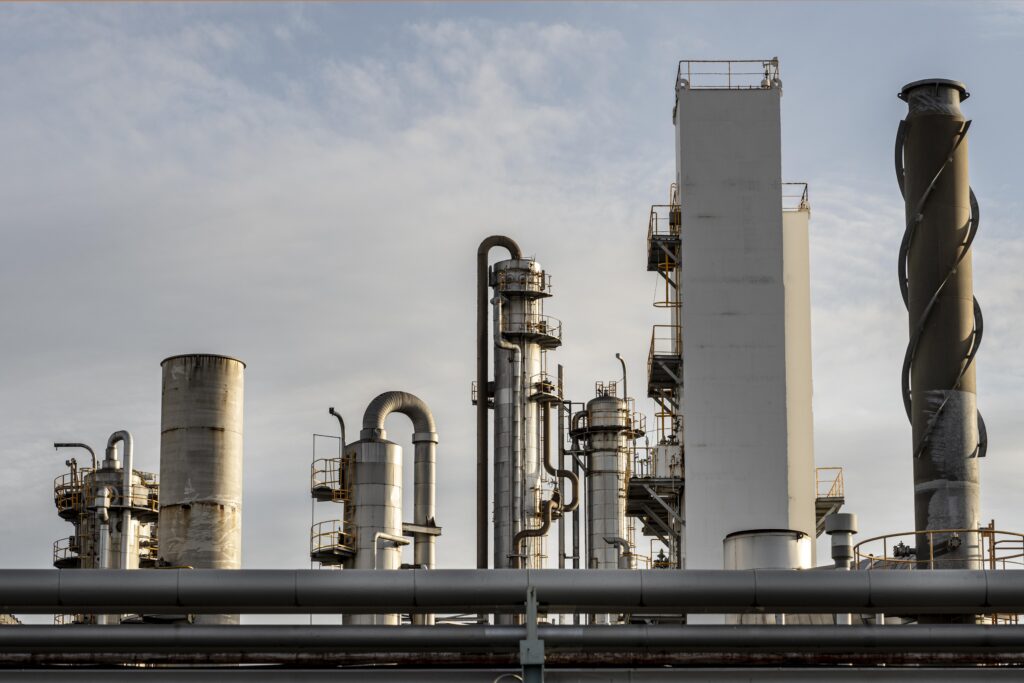
Former President of Turkmenistan, Gurbanguly Berdimuhamedov said in his speech at the 15th meeting of the Council of Elders of the Organization of Turkic States (OTS) in Ashgabat that the country may start exporting gas to Kazakhstan, further stating that Turkmenistan has all the necessary resources to also supply Turkmen natural gas and electricity to Azerbaijan and Turkey. "We are ready to continue to assist the brotherly countries in ensuring energy security. Turkmenistan, which is one of the largest producers of energy resources, is ready to supply them to brotherly countries and increase the volume of such supplies," Berdimuhamedov said. Turkmenistan currently exports electricity to Uzbekistan and Kyrgyzstan, and has ambitious plans to send natural gas to the east with the cooperation of these two countries. Berdimuhamedov said that Turkmenistan considers it necessary to create an effective, reliable and self-sufficient model of partnership in the unstable world energy markets in order to meet the growing demand for electricity in neighboring countries. Currently, Turkmen gas is exported through three branches of the Turkmenistan-China gas pipeline, via Uzbekistan and Kazakhstan. The Republic sends 40 billion cubic meters of the fuel annually, and the capacity of the gas pipeline is 55 billion cubic meters. The spare capacity could be used to send Turkmen gas to China, Uzbekistan and Kazakhstan. In order to provide southern Kazakhstan with gas, the national company QazaqGaz, which is owned by the national welfare fund Samruk-Kazyna, has signed an agreement with Uzbekistan. Under the terms of the deal, Uzbek gas from western fields crosses Karakalpakstan to the southern region of Kazakhstan. Also, Kazakhstan pumps Uzbek gas to supply Tashkent with fuel. This agreement was extended until the end of 2025, following President Tokayev's recent visit to Uzbekistan. However, over this time period, Kazakhstan must find time to build the second branch of the Beineu-Bozoi-Shymkent gas pipeline, the capacity of which will be 15 billion cubic meters per year. QazaqGaz is the largest supplier of natural gas in Kazakhstan. The national company often notes an increase in domestic consumption of natural gas and a decrease in exports. By supplying gas at higher export prices to China, QazaqGaz subsidizes cheap fuel for the domestic market. Last year, the company's losses amounted to $391 million.

Iraq in Negotiation with Iran to Transfer Gas from Turkmenistan

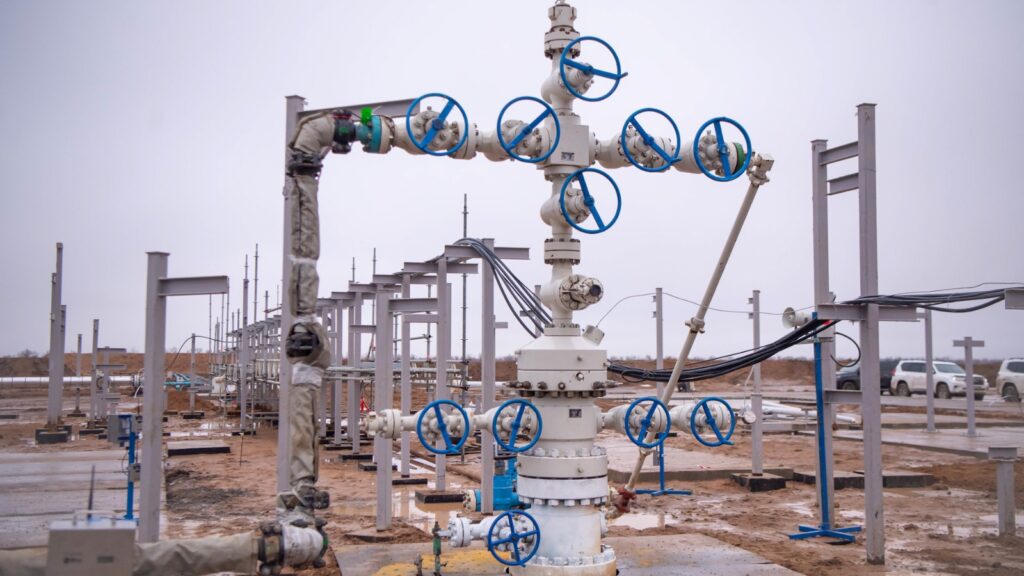
Iraq Minister of Electricity Ziad Ali Fadel has announced ongoing negotiations regarding the transit of gas from Turkmenistan through Iran to Iraq and according to a report by Iran Oil Gas, Iraq may receive Turkmen gas as early as this summer if agreed by the partners concerned. In November 2023, representatives of Turkmenistan and Iraq signed a protocol outlining the principal commercial terms of the agreement to enable the shipment of 9 billion cubic meters of Turkmen gas to Iraq through Iran within five years. In January 2024 it was reported that Iraq had completed all the steps necessary to begin importing gas from Turkmenistan. The main reason for postponement of delivery as scheduled lies with the need for a comprehensive agreement to be reached with the transit country Iran. With reference to the country’s gas debt with Iran, the Iraq Ministry of Energy stated, “The Ministry of Electric Energy has paid all gas payments to the Iranian side and deposited them in a special account in [an] Iraqi commercial bank. But the payment process has not been completed due to international sanctions. Now, based on the agreement between the two sides, Iranian gas is being replaced by Iraqi crude oil.”

Turkmenistan Border Seeing Illegal Economic Activities Committed From Afghanistan’s Side

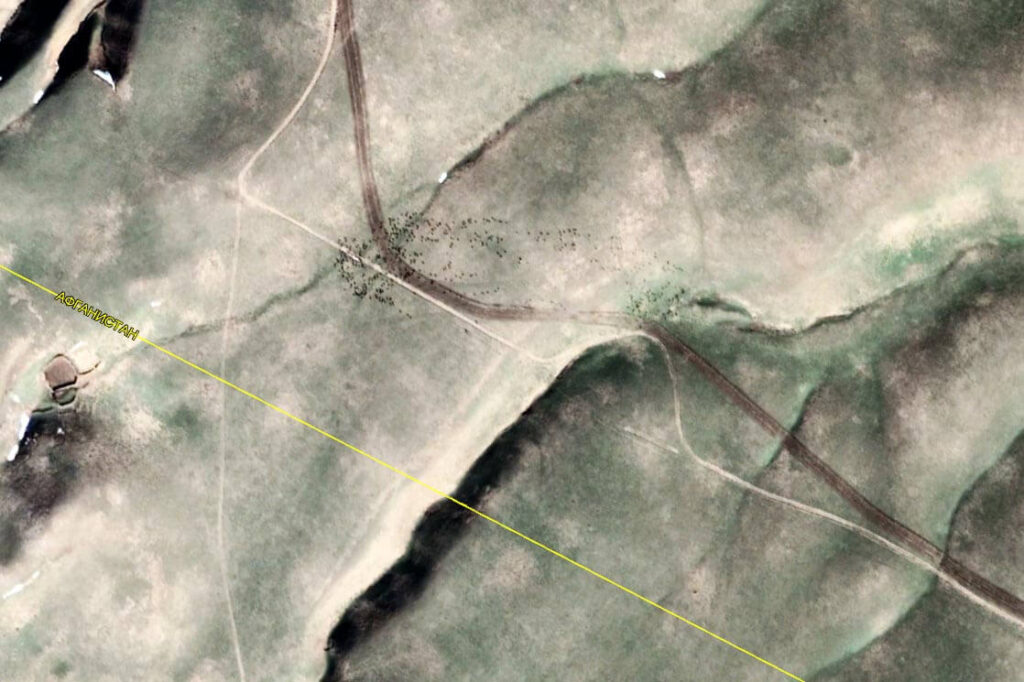
Citizens of Afghanistan are using thousands of square kilometers of territory that border Turkmenistan for illicit economic purposes. Specifically, Afghans graze on the land illegally, engage in unrestrained hunting, and gather fruits from wild trees, according to a report by the Chronicles of Turkmenistan, which cited a MeteoJournal.ru story that analyzed satellite photos of the region. The Turkmenistan-Afghanistan border region is a control zone, which is a section of any border with restricted access that is between a few meters and several kilometers deep. It's also commonly referred to as a “neutral” zone. According to MeteoJournal, satellite images show that Afghans are freely entering this area of Turkmenistan, mostly for the purpose of raising livestock. One photo depicts a herd of sheep, as well as a sudden change in the density of vegetation along the line of engineering structures that delimit the border zone within the territory of Turkmenistan. Where the herds graze in front of the engineering structures, there is hardly any vegetation. Additionally, Turkmenistan’s border zone experiences regular fires, according to MeteoJournal. Environmentalist Andrey Zatoka speculated that intentional grass burning may have caused the fires. Intentional burning of lands used for grazing by livestock is a common tool used by farmers around the world to cultivate vegetation for their animals. According to the publication’s Telegram channel, a powerful DDoS (distributed denial-of-service) attack started after this content was posted on the MeteoJournal website --and has been ongoing for the past few days.

Turkmenistan and Afghanistan Discuss Collaborative Projects

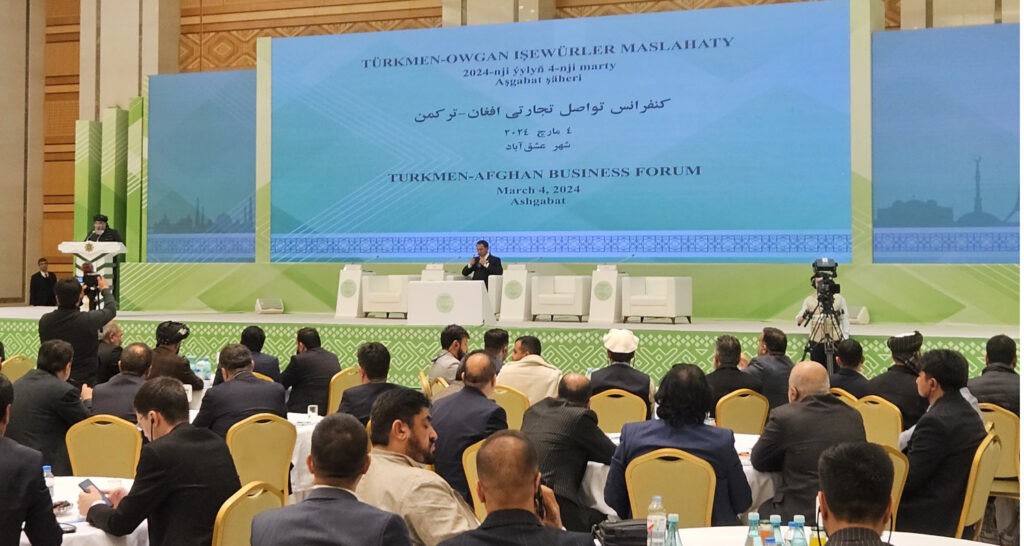
On March 4th, a large Afghan delegation led by Nooruddin Azizi, Minister of Industry and Trade of Afghanistan, participated in a Turkmen-Afghan business forum and exhibition of Afghan goods in Ashgabat. Issues discussed included Turkmen-Afghan partnerships in trade, industry, agriculture, transport, communications, and electricity supply. Also on the agenda were oil and gas which alongside textiles, comprise Turkmenistan’s main exports to Afghanistan. As reported by the Turkmen Foreign Ministry, special attention was paid to the construction of the Turkmenistan-Afghanistan-Pakistan-India (TAPI) gas pipeline and the Turkmenistan-Afghanistan-Pakistan (TAP) high-voltage power transmission line. The group also focused on the establishment of transport routes and in particular, railways from Turkmenistan to Afghanistan. Azizi emphasized the desire of the Afghan business sector to further increase trade with Turkmenistan, develop Afghanistan’s infrastructure, and exploit the transit potential of both countries. Afghan TOLOnews, quoting Mergen Gurdov, head of the Chamber of Commerce and Industry of Turkmenistan, reported that in 2023, trade between Turkmenistan and Afghanistan generated $457 million and this January alone, $46 million. The agro-industrial sector was cited as a promising field for Turkmen-Afghan cooperation, with the Turkmen Foreign Ministry raising the issue of transboundary water resources. Turkmenistan insists that the use of water involves cooperation with neighboring countries, conducted in accordance with international law, and based on principles of mutual respect and in the spirit of traditional good neighborliness. Afghan Minister Azizi pledged that regarding the use of transboundary water resources and construction of water facilities to further the prosperity of his people, Kabul will honour principles of mutual consent and respect for neighboring countries, especially Turkmenistan, with whom Afghanistan has long maintained an amicable relationship. The issue came to the fore last month following Afghanistan’s announcement that construction has begun on the second phase of the Qosh Tepa Canal; a project prioritized by the Taliban- led government since early 2022. By diverting water from the Amu Darya River, the canal will convert 550,000 hectares of desert into farmland in northern Afghanistan, but could also have an adverse effect on agriculture in downstream Uzbekistan and Turkmenistan.

Turkmenistan Eyes Greater Role in Organization of Turkic States

Turkmenistan may become a full member of the Organization of Turkic States this year. Gurbanguly Berdimuhamedov, the country's former president and current chairman of its Halk Maslahaty (People’s Council), suggested as much in response to media questions during the Antalya Diplomatic Forum in Turkey, according to Turkmen state news outlet TDH. The Organization of Turkic States comprises countries that speak Turkic languages: Azerbaijan, Kazakhstan, Kyrgyzstan, Turkey, and Uzbekistan. Its principal aim is to promote collaboration and goodwill among its member nations. Turkmenistan is currently only an observer of the organization, together with Hungary. Berdimuhamedov suggested last year during the organization's summit in Astana, Kazakhstan, that the organization could collaborate on a plan he had devised for cooperation in the energy sector.

Turkmenistan and Turkey to Collaborate on Export of Natural Gas to Europe

Turkmenistan and Turkey are to collaborate on a project that will pave the way for transportation of Turkmen natural gas through Turkey to European markets. A declaration of intent on cooperation in the field of hydrocarbon resources, alongside a memorandum on natural-gas partnership between the Turkmen State Concern Türkmengaz and the Ministry of Energy and Natural Resources of Turkey, were signed by Turkish President Recep Tayyip Erdogan and Turkmenistan's Chairman of the People's Council, Gurbanguly Berdimuhamedov at a meeting on the margins of the Antalya Diplomatic Forum on March 1st. The export of Turkmen gas to Europe will necessitate the construction of a gas pipeline across the Caspian Sea to Azerbaijan; a project revisited since the 1990s but not yet implemented. Diversification of natural-gas export routes remains a pressing issue for gas-rich Turkmenistan. Today, China is the largest importer of Turkmen gas, transported by pipeline via Uzbekistan and Kazakhstan. Smaller volumes of Turkmen gas are exported to Russia. Turkmenistan continues to work on the Turkmenistan-Afghanistan-Pakistan-India (TAPI) project to transport natural gas to South Asia. After years of delays in the construction of the Afghan section due to funding and security issues, Turkmen and Afghan authorities are now close to advancing the project.