Kazakhstan’s Nuclear Power Move and Implications for the West
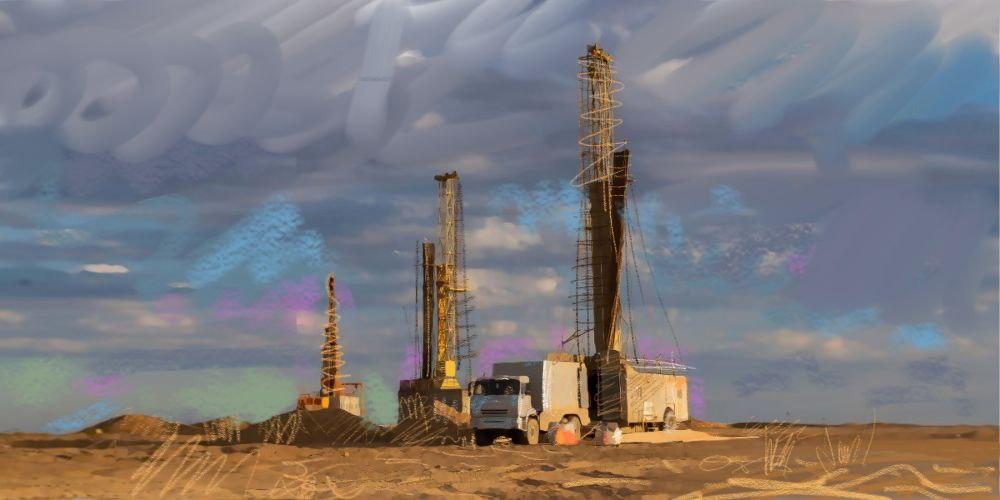
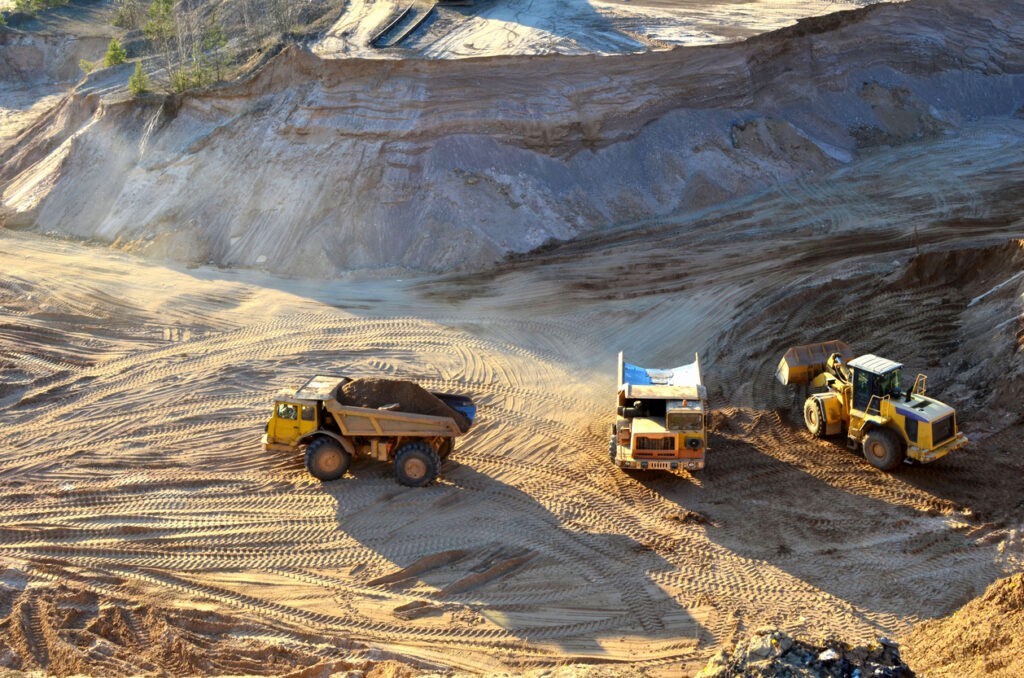
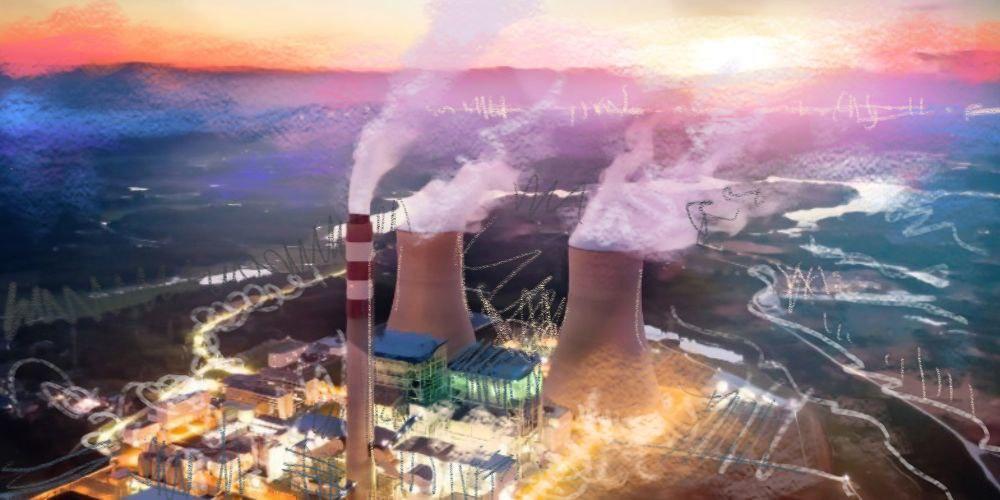
Kazakhstan’s recent referendum approving the construction of its first nuclear power plant (NPP) is a watershed moment. More than a domestic policy decision, this move puts into relief Kazakhstan's strategy for positioning itself as a linchpin in the diversification of global energy supply chains, with the world's largest uranium reserves accounting for nearly 40% of the global supply and a key geographic location. The country's ambitions align with the broader resurgence of nuclear power as an indispensable component of a sustainable energy future, countering decades of stagnation in the West and challenging the dominance of Russia and China. The renewed attention on nuclear energy arises from a convergence of systemic and technological factors. Environmental pressures to reduce reliance on fossil fuels such as gas and coal have left energy producers searching for scalable, reliable alternatives. Renewable energy sources like wind and solar, while important, remain limited by intermittency and storage challenges. At the same time, safety concerns rooted in historical disasters — Chernobyl, Three Mile Island, and Fukushima — have been mitigated by advances in reactor technology. A growing public recognition of nuclear power's viability has resulted. In this context, Kazakhstan's entry into the nuclear power arena is logical. Enhancing its ability to integrate uranium extraction with downstream nuclear fuel production would underscore its potential to play a central role in addressing global energy needs. By fostering international partnerships, Kazakhstan can leverage its resource wealth to become a critical supplier for advanced economies looking to diversify their energy mix. Kazakhstan's move comes at a time of shifting geoeconomic dynamics in the nuclear energy sector. Over the past three decades, Russia and China have consolidated their dominance, exploiting the West’s inertia. Russia has used NPP construction as a geoeconomic tool, creating dependence in such countries as Turkey and Uzbekistan. China, meanwhile, has aggressively developed its domestic nuclear infrastructure while securing global uranium supplies, particularly through investments in Africa and Central Asia. By contrast, Western nations have lagged behind, plagued by fragmented project management, skilled labor shortages, and political resistance. Anti-nuclear movements, many of which gained momentum during the Cold War with Soviet backing, have continued to stymie development in Europe and North America. The resulting industrial inertia has left Western economies vulnerable, with insufficient capacity to meet rising energy demands or counterbalance Russian and Chinese influence. Kazakhstan's emergence offers the West a rare opportunity to reverse this trend. The country’s multi-vector diplomatic strategy, emphasizing balanced relations with global powers, makes it an ideal partner for rebalancing energy supply chains. Kazakhstan’s role in global energy extends beyond uranium. The country’s geological resources overlap with deposits of rare-earth elements (REEs), which are vital for advanced defense technologies, renewable energy systems, and high-tech manufacturing. The shared extraction technologies and logistical infrastructure for uranium and REEs present opportunities for integrated resource development. NATO’s Partnership for Peace (PfP) program could play a pivotal role in this regard. By incorporating rare-earth mining and supply chain security into NATO’s Critical Energy Infrastructure Protection (CEIP) framework, member states could...