• KGS/USD = 0.01144 0%
  • KZT/USD = 0.00216 0%
  • TJS/USD = 0.10698 0.09%
  • UZS/USD = 0.00008 0%
  • TMT/USD = 0.28530 0%
  • KGS/USD = 0.01144 0%
  • KZT/USD = 0.00216 0%
  • TJS/USD = 0.10698 0.09%
  • UZS/USD = 0.00008 0%
  • TMT/USD = 0.28530 0%
  • KGS/USD = 0.01144 0%
  • KZT/USD = 0.00216 0%
  • TJS/USD = 0.10698 0.09%
  • UZS/USD = 0.00008 0%
  • TMT/USD = 0.28530 0%
  • KGS/USD = 0.01144 0%
  • KZT/USD = 0.00216 0%
  • TJS/USD = 0.10698 0.09%
  • UZS/USD = 0.00008 0%
  • TMT/USD = 0.28530 0%
  • KGS/USD = 0.01144 0%
  • KZT/USD = 0.00216 0%
  • TJS/USD = 0.10698 0.09%
  • UZS/USD = 0.00008 0%
  • TMT/USD = 0.28530 0%
  • KGS/USD = 0.01144 0%
  • KZT/USD = 0.00216 0%
  • TJS/USD = 0.10698 0.09%
  • UZS/USD = 0.00008 0%
  • TMT/USD = 0.28530 0%
  • KGS/USD = 0.01144 0%
  • KZT/USD = 0.00216 0%
  • TJS/USD = 0.10698 0.09%
  • UZS/USD = 0.00008 0%
  • TMT/USD = 0.28530 0%
  • KGS/USD = 0.01144 0%
  • KZT/USD = 0.00216 0%
  • TJS/USD = 0.10698 0.09%
  • UZS/USD = 0.00008 0%
  • TMT/USD = 0.28530 0%

Viewing results 1 - 6 of 7

Kazakhstan and Uzbekistan Continue to Popularize Rail Tourism

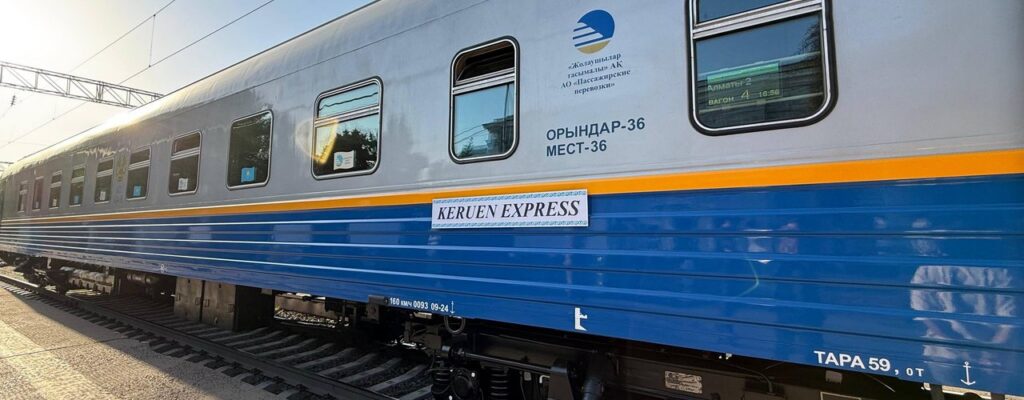
Kazakhstan’s national railway company, Kazakhstan Temir Zholy (KTZ), and Oʻzbekiston temir yoʻllari, also known as Uzbekistan Railways, organized this year’s second Keruen Express train tour from May 1 to 6. More than 130 passengers traveled along the Almaty-Turkestan-Samarkand-Tashkent-Almaty route. Over five days, participants visited major architectural and historical sites in both countries, including the Khoja Ahmed Yasawi Mausoleum in Turkestan, the Gur-e-Amir mausoleum and the Registan in Samarkand, and the Hazrati Imam Complex in Tashkent. The Keruen Express promotes rail tourism and the region’s historical heritage while strengthening cultural ties between Kazakhstan and Uzbekistan. Rail tourism is gaining traction in Central Asia. As previously reported by The Times of Central Asia, KTZ expanded its popular Jibek Joly (Silk Road) tourist train route to include Tajikistan. The updated route now reaches the Tajik capital, Dushanbe, extending the tour beyond Kazakhstan and Uzbekistan. The train-tour projects are part of a regional push to promote Central Asia as a unified tourist destination. Regional leaders have advocated for a shared visa-free regime for foreign visitors, similar to Europe’s Schengen Area, to encourage cross-border travel and boost international tourism. Speaking at the 59th Annual Meeting of the Board of Governors of the Asian Development Bank in Samarkand on May 4, Uzbekistan President Shavkat Mirziyoyev proposed creating a Central Asia Tourism Ring as a unified tourism space connecting the countries of the region. Mirziyoyev called on neighboring countries, the ADB, and other partners to form a portfolio of tourism development projects and jointly finance them. Mirziyoyev also highlighted Central Asia’s tourism potential, noting that amid global instability, millions of tourists are seeking safe destinations, and the region has significant opportunities in pilgrimage, cultural, gastronomic, ethnographic, extreme, and medical tourism.

Uzbekistan Expands Afghan Rail Capacity to Support Growing Trade

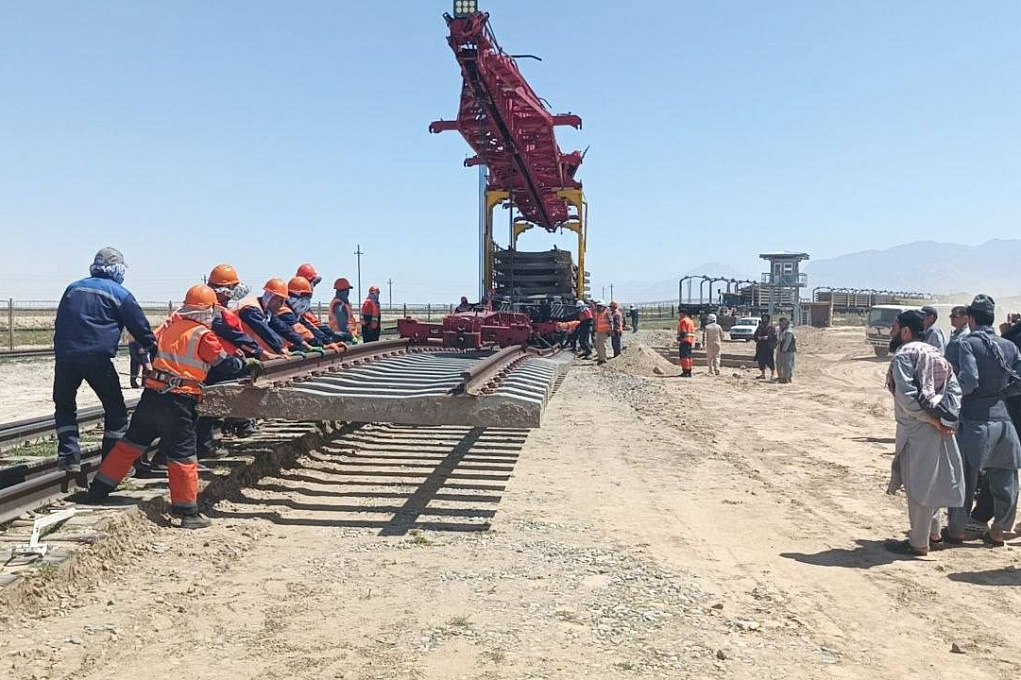
A new 1,000-meter siding track has been completed at Naibabad railway station in Afghanistan, aimed at increasing freight handling capacity and improving the efficiency of rail operations, according to Uzbekistan Railways. The project was implemented by Uzbekistan Railways in cooperation with Sogdiana Trans. The additional track is expected to significantly expand the station’s throughput and accelerate loading and unloading processes, reducing delays and congestion along the route. Afghanistan plays a key role in regional connectivity, linking Central Asia with South Asia through transport corridors that pass through its territory. Naibabad is expected to serve as an important hub for the movement of goods from countries such as Russia, Kazakhstan, and China to markets in Pakistan and India. The development comes amid a steady increase in cargo volumes between Uzbekistan and Afghanistan. The Hayraton-Naibabad-Mazar-i-Sharif corridor has become an important route for regional trade, and infrastructure upgrades are seen as essential to maintaining stable freight flows. According to project details, the new siding will enable more efficient processing of freight wagons and help prevent bottlenecks along the line. It is also expected to improve service quality for customers and support the long-term development of Naibabad station. Uzbekistan Railways noted that the project reflects the country’s ongoing efforts to modernize railway infrastructure in Afghanistan and strengthen cross-border logistics links. Cooperation with Sogdiana Trans has further reinforced their position as long-term partners in the development of Afghanistan’s rail sector. The expansion builds on earlier work at the station. In 2024, Uzbekistan Railways reported that the restored Naibabad station officially reopened on August 7, following reconstruction carried out in cooperation with the Termez regional railway hub and Sogdiana Trans. The arrival of the first freight cars marked the resumption of operations. As freight traffic along the corridor continues to grow, Uzbekistan Railways and its partners, in coordination with Afghanistan’s Ministry of Public Works, are continuing efforts to modernize infrastructure along the route.

Uzbekistan, Pakistan, and Afghanistan Sign Deal to Study TransAfghan Railway

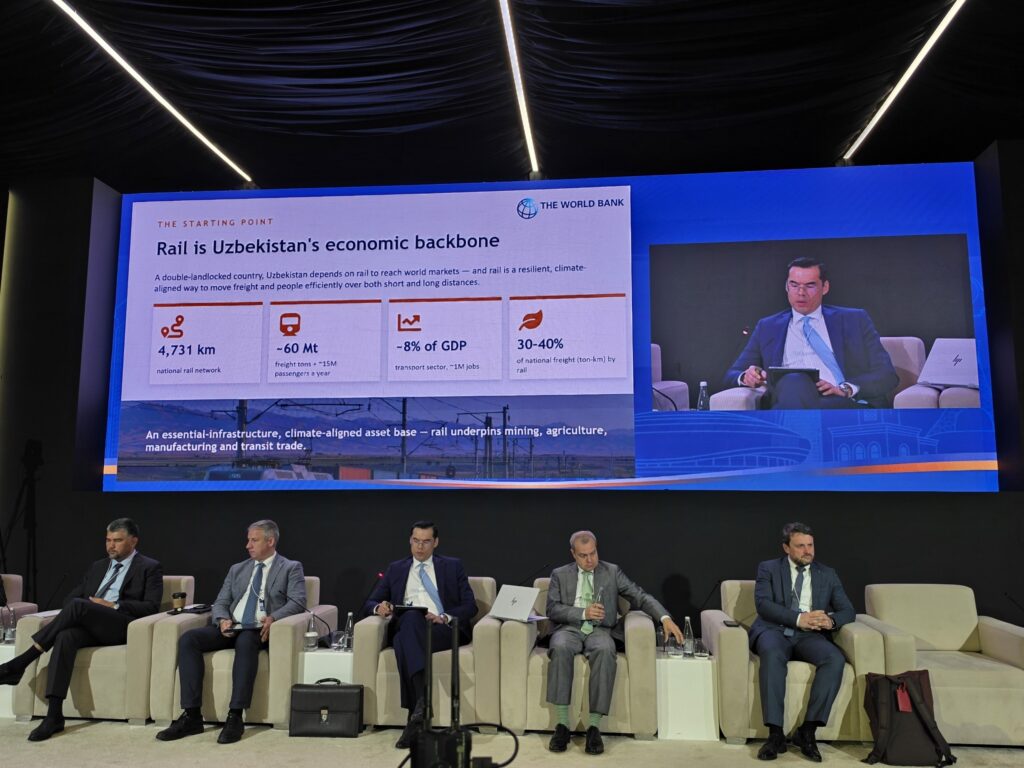
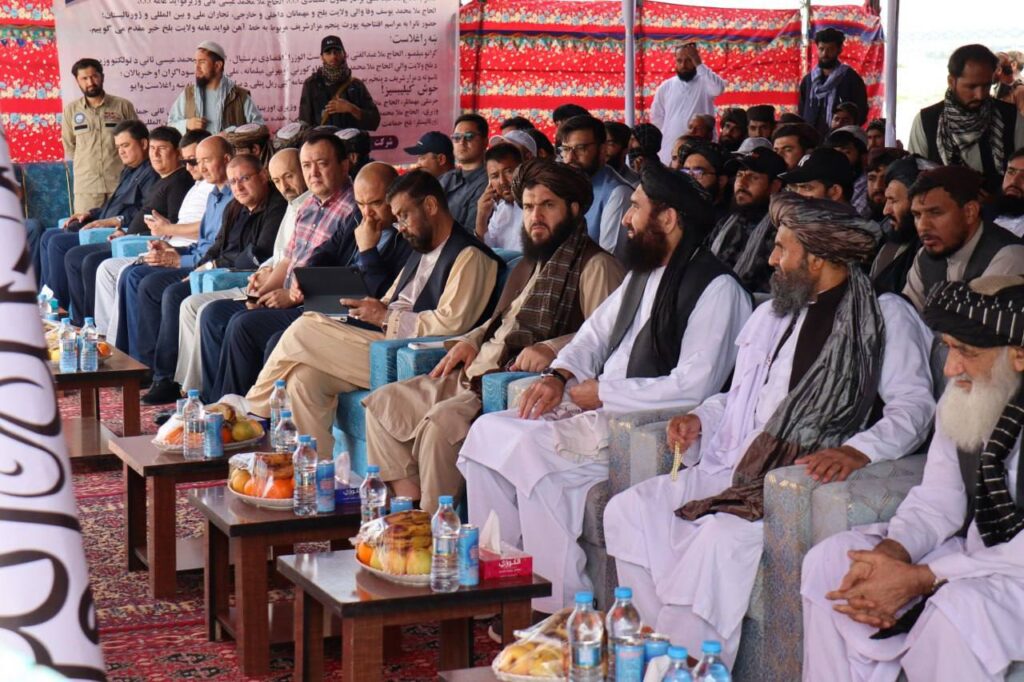
Uzbekistan, Pakistan, and Afghanistan have taken a significant step toward realizing the long-planned TransAfghan railway. According to Uzbekistan Railways, the three countries signed an intergovernmental agreement on July 17 in Kabul to launch a technical and economic feasibility study for the proposed “Termez-Naibabad-Maidan Shar-Logar-Kharlachi” route. The deal was finalized at a trilateral summit attended by Uzbekistan’s Transport Minister Ilkhom Makhkamov, Pakistan’s Railways Minister Muhammad Hanif Abbasi, and Afghanistan’s acting Public Works Minister Mohammad Esa Thani. The route itself was agreed upon in July 2023 in Islamabad by representatives of all three nations. A project office established under the International Transport Corridors Development Strategy, launched in May 2023 in Tashkent with branches in Kabul and Islamabad, will oversee the study. Originally proposed in 2018, the TransAfghan railway is envisioned to link Termez in Uzbekistan with Mazar-i-Sharif and Kabul in Afghanistan, before extending to Peshawar in Pakistan. The line would run over 700 kilometers through Afghanistan, creating a direct land corridor between Central Asia and the Arabian Sea. Uzbekistan’s Foreign Minister Bakhtiyor Saidov reiterated the project’s importance during a July 17 meeting with Afghanistan’s acting Interior Minister Sirajuddin Haqqani. Saidov noted that trade between Uzbekistan and Afghanistan has nearly tripled over the past year, emphasizing that deeper ties among Afghanistan, Uzbekistan, and Pakistan could benefit the broader region. Haqqani, in turn, praised Uzbekistan’s “goodwill, constructive cooperation, and spirit of brotherhood,” describing the railway as a strategically vital project that could spur economic growth across Central Asia. The initiative has drawn support from Russia, Iran, and several international financial institutions. The railway is expected to reduce transit times for Central Asian exports to Pakistani ports from several weeks to just a few days. While the project's initial cost was estimated at $4.8 billion, later projections have placed it at $7 billion, according to Tolo News. The forthcoming feasibility study is a critical next step. It will evaluate engineering challenges, projected costs, trade flow potential, and security conditions along the proposed route. If the study confirms the project's viability, the three governments can proceed with securing funding and establishing a construction timeline. Regional analysts say the railway could transform trade and logistics across Central Asia. It would offer landlocked countries, including Uzbekistan, Kazakhstan, and Tajikistan, direct access to seaports in Karachi and Gwadar, opening new markets in South Asia and beyond. For now, officials in Tashkent, Islamabad, and Kabul are concentrating on completing the study. With strong political backing and expanding trade links, they believe the TransAfghan railway stands a strong chance of becoming a central artery in the region’s future transport infrastructure.