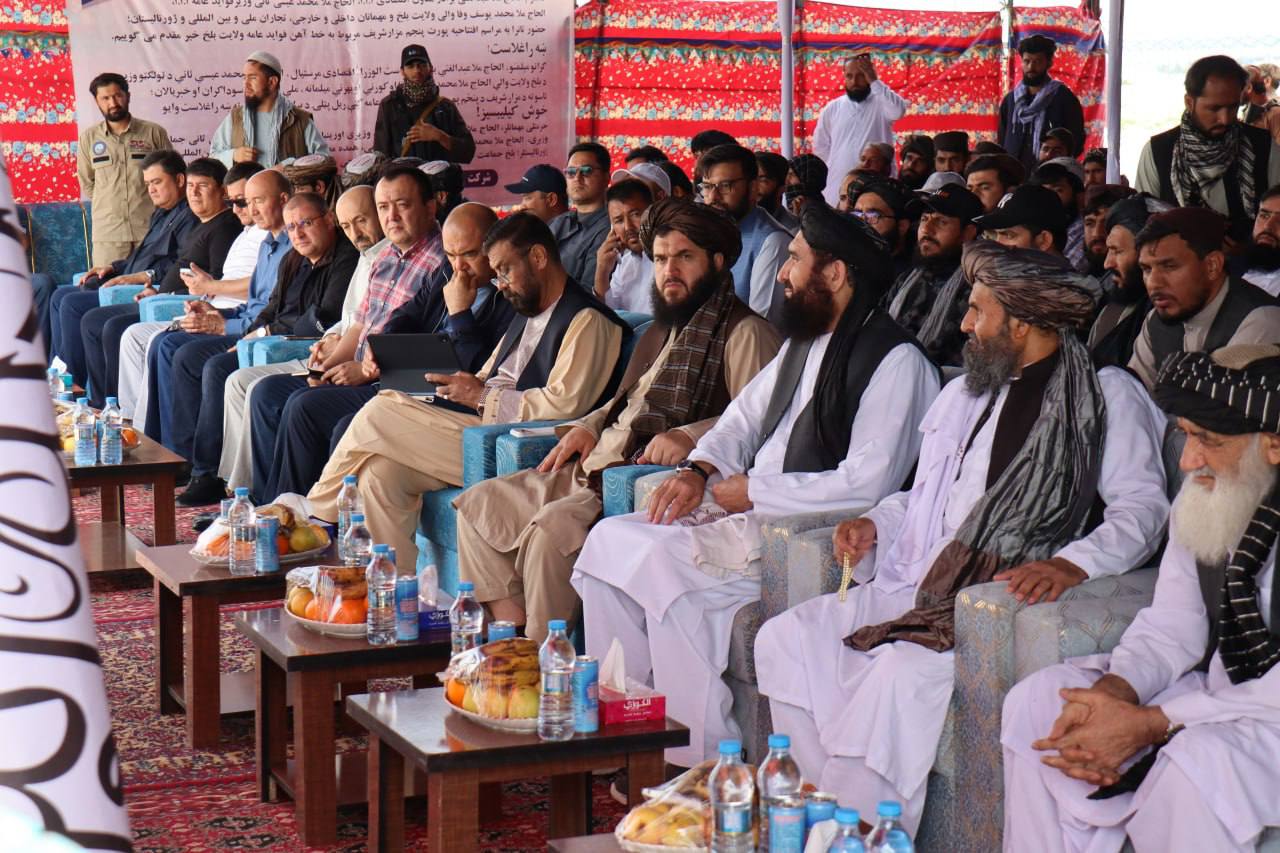
A new dry port terminal has opened on the Hairatan-Mazar-i-Sharif railway in northern Afghanistan, marking another step in efforts by Uzbekistan and Afghanistan to expand regional transport infrastructure and increase cargo capacity between Central and South Asia.
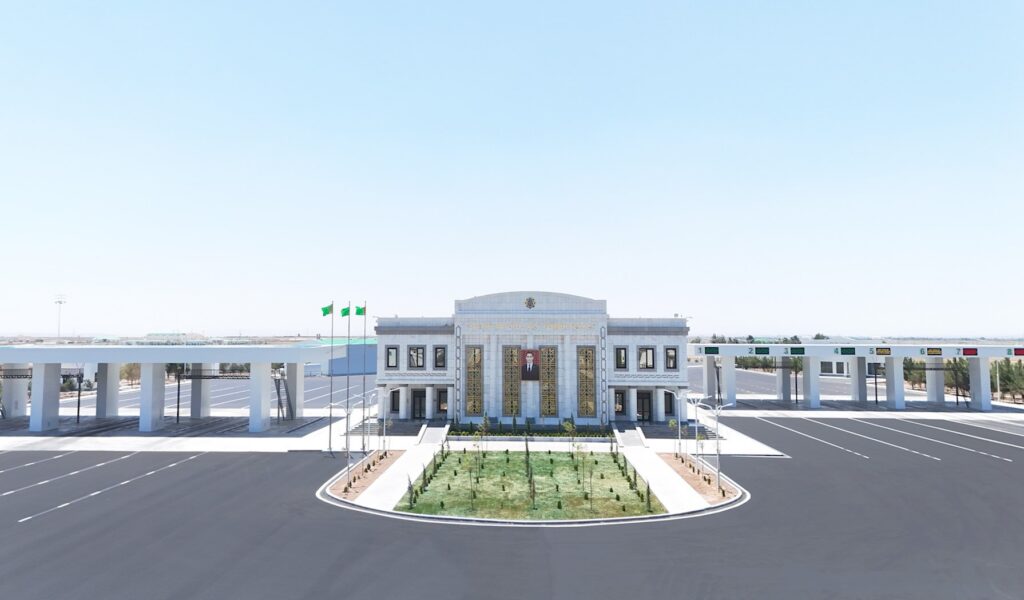
According to Uzbekistan railways (‘O’zbekiston Temir Yo’llari’), an Uzbek delegation visited Mazar-i-Sharif on May 21, where officials attended the inauguration of Port No. 5, a newly constructed and restored cargo facility on the railway corridor operated by Sogdiana Trans, a subsidiary of Uzbekistan Railways.
The terminal received its first freight train during the ceremony, officially launching cargo unloading operations. Uzbek and Afghan representatives said the facility is expected to increase freight volumes and improve logistics efficiency along the Hairatan–Mazar-i-Sharif line, which remains one of Afghanistan’s main rail links to Central Asia.
The Hairatan–Mazar-i-Sharif railway, completed in 2010 with financing from the Asian Development Bank, links Afghanistan’s northern trade hub at Hairatan, near the Uzbek border, with Mazar-i-Sharif. The line has become a key corridor for moving fuel, food products, construction materials, and humanitarian cargo.
During the visit, Uzbekistan railways Chairman Zufar Narzullayev held talks with Afghanistan’s Deputy Prime Minister for Economic Affairs, Abdul Ghani Baradar. Discussions focused on increasing the carrying capacity of the railway and accelerating infrastructure upgrades.
Among the proposals was the construction of an additional 1.65-kilometer branch line near Naibabad station. Officials said the project could reduce wagon waiting times and increase overall railway efficiency.
Baradar reportedly welcomed the initiatives and instructed Afghan public works authorities to coordinate technical and construction work with Uzbek counterparts.
Afghanistan’s Ministry of Public Works also stressed the need to expand cargo traffic, stating that Afghan authorities are prepared to receive and unload increasing volumes of freight moving through the corridor.
The opening of Port No. 5 is part of a wider Uzbek push to strengthen transport and energy links with Afghanistan, inspired by Tashkent’s broader ambitions to improve access to South Asian and Middle Eastern markets. Uzbekistan has repeatedly promoted trans-Afghan transport routes as a way to reduce regional trade bottlenecks and expand Central Asia’s external connectivity.
In February 2025, Baradar announced that construction of the proposed Hairatan-Herat railway extension would begin shortly after completion of a feasibility study financed by Uzbekistan. The planned route would extend the existing railway westward through Afghanistan toward Herat, potentially strengthening trade connections between Central Asia and the Middle East.
During the same visit in 2025, Baradar said Uzbekistan had agreed to reduce the cost of a power transmission project to Afghanistan by $30 million.