• KGS/USD = 0.01144 0%
  • KZT/USD = 0.00205 0%
  • TJS/USD = 0.10784 0%
  • UZS/USD = 0.00008 0%
  • TMT/USD = 0.28490 0%
  • KGS/USD = 0.01144 0%
  • KZT/USD = 0.00205 0%
  • TJS/USD = 0.10784 0%
  • UZS/USD = 0.00008 0%
  • TMT/USD = 0.28490 0%
  • KGS/USD = 0.01144 0%
  • KZT/USD = 0.00205 0%
  • TJS/USD = 0.10784 0%
  • UZS/USD = 0.00008 0%
  • TMT/USD = 0.28490 0%
  • KGS/USD = 0.01144 0%
  • KZT/USD = 0.00205 0%
  • TJS/USD = 0.10784 0%
  • UZS/USD = 0.00008 0%
  • TMT/USD = 0.28490 0%
  • KGS/USD = 0.01144 0%
  • KZT/USD = 0.00205 0%
  • TJS/USD = 0.10784 0%
  • UZS/USD = 0.00008 0%
  • TMT/USD = 0.28490 0%
  • KGS/USD = 0.01144 0%
  • KZT/USD = 0.00205 0%
  • TJS/USD = 0.10784 0%
  • UZS/USD = 0.00008 0%
  • TMT/USD = 0.28490 0%
  • KGS/USD = 0.01144 0%
  • KZT/USD = 0.00205 0%
  • TJS/USD = 0.10784 0%
  • UZS/USD = 0.00008 0%
  • TMT/USD = 0.28490 0%
  • KGS/USD = 0.01144 0%
  • KZT/USD = 0.00205 0%
  • TJS/USD = 0.10784 0%
  • UZS/USD = 0.00008 0%
  • TMT/USD = 0.28490 0%

Viewing results 1 - 6 of 1391

Uzbekistan Looks to Nuclear Power for Energy Security

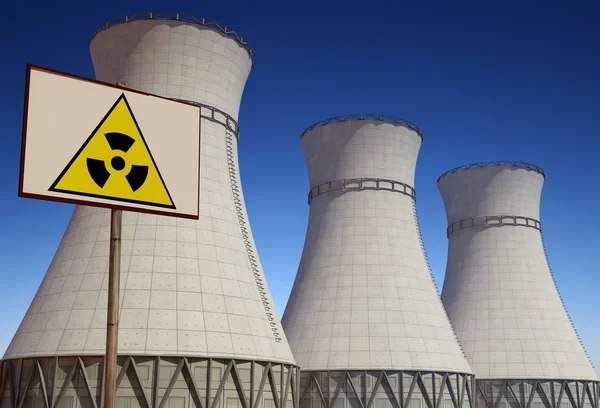
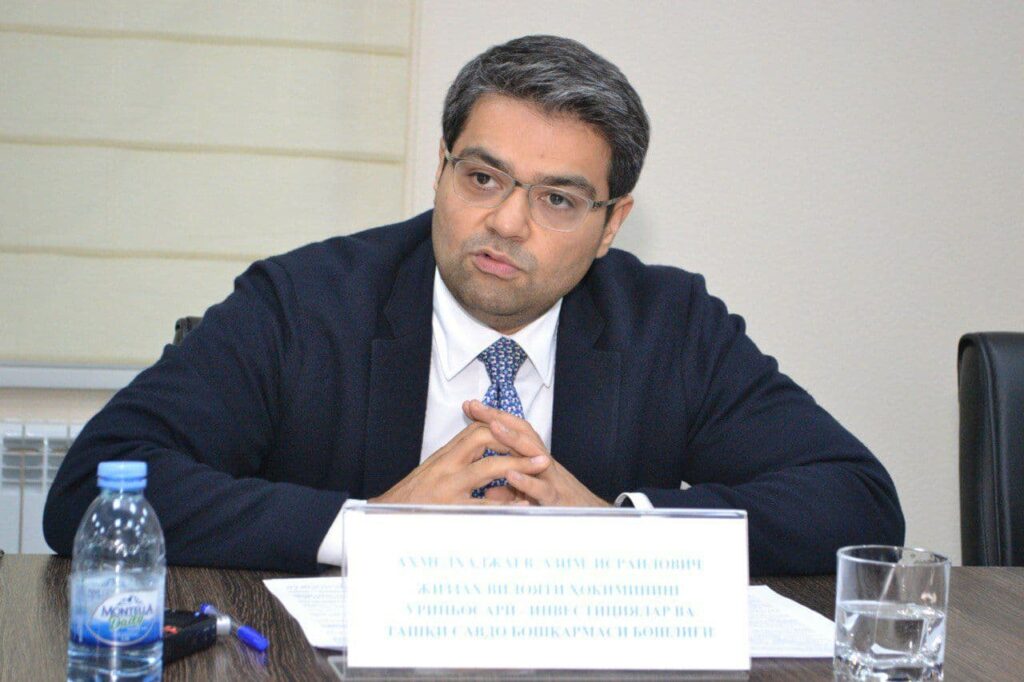
Uzbekistan is moving forward with plans to build its first nuclear power plant, a project that officials say is critical to the country’s long-term energy security. In an interview with the Alter Ego YouTube project, Azim Akhmadkhodjaev, head of Uzbekistan’s Atomic Energy Agency, argued that nuclear power is the only viable alternative to continued reliance on imported fossil fuels. “Let’s continue to import high-calorie coal, burn it, and poison our environment. Let's import tens of billions of cubic meters of gas and spend money on it. Or we can build a few nuclear power plants, reduce the cost of electricity, and become energy independent. Will we achieve energy independence? Undoubtedly, yes,” Akhmadkhodjaev said. A Strategic Partnership with Global Players The nuclear power project is being developed with Russian technical support, but Akhmadkhodjaev emphasized that this does not compromise Uzbekistan’s sovereignty. The plant will be fully owned and operated by Uzbekistan, with local specialists overseeing daily operations. “The nuclear island will be Russian because this technology is the most reliable and proven. However, the automated control system will be based on European technology, and the turbine equipment will be made in Europe or China,” he explained. In addition to Russian expertise, Uzbekistan is engaging with several French companies. Negotiations are ongoing with Assystem for technical support, Bureau Veritas for training specialists, and Framatome for managing key technical aspects of the project. Balancing Energy Sources While pursuing nuclear energy, Uzbekistan is also working to boost the share of renewables in its energy mix, from 16% today to 54% by 2030. Energy analysts say that a diversified portfolio, combining nuclear and renewable sources, will help the country meet its energy needs while minimizing environmental harm.

Uzbekistan Delivers Humanitarian Aid to Afghanistan for Navruz and Eid

Uzbekistan has delivered humanitarian aid to Afghanistan in advance of the Navruz holiday and the upcoming Eid al-Fitr. According to the Surkhandarya regional administration, approximately 200 tons of food products were sent to Afghanistan’s Balkh region. The aid was formally handed over in the city of Hairaton, at the Afghan facility of the Astras company. The ceremony was attended by Ismatilla Irgashev, Special Representative of the President of Uzbekistan for Afghanistan, Ulugbek Qosimov, Governor of Surkhandarya region, and Afghan and Uzbek officials. Muhammad Yusuf Vafo, Governor of Balkh, also took part. The shipment included flour, wheat, pasta, vegetable oil, sugar, instant noodles, red beans, and mung beans. Afghan officials expressed appreciation to the president and people of Uzbekistan for their continued support and extended their warm wishes for the upcoming Eid celebrations. During the visit, delegations from both countries met in Mazar-i-Sharif to discuss future cooperation. Talks also covered Uzbekistan’s role in supporting the construction of the Imam Bukhari mausoleum in Afghanistan. This aid comes amid ongoing economic challenges in Afghanistan following the Taliban's return to power in 2021. As traditional donors such as the United States and the European Union reduce their presence, Afghanistan increasingly depends on regional support from neighbors like Uzbekistan. Uzbekistan has previously extended medical assistance as well. At the end of last year, it was announced that Uzbek doctors would provide free medical examinations to residents of Balkh.

French Companies Eye Role in Uzbekistan’s Nuclear Energy Plants

Uzbekistan is exploring collaboration with French firms in the construction of a small-capacity nuclear power plant (SCNPP) in the Jizzakh region, according to Azim Akhmadkhodjaev, Director of Uzbekistan’s Atomic Energy Agency, in an interview with Le Figaro. Akhmadkhodjaev noted that France could offer some of the most effective solutions and support for the project. Ongoing discussions involve several French companies: Assystem for technical support, Bureau Veritas for specialist training, and Framatome for technical management of the facility. Uzbekistan’s Minister of Energy, Jurabek Mirzamakhmudov, emphasized that French companies view Uzbekistan not only as an investment opportunity but also as a technological partner. Talks have centered on training local personnel to meet the technical demands of the nuclear sector. Joanna Golas, president of the France-Uzbekistan Economic Chamber, underscored the importance of preparing skilled technical specialists for the project. Uzbekistan is also advancing its renewable energy agenda, aiming to raise the share of renewables in its energy mix from 16% to 54% by 2030. Cooperation with French companies could bolster the country's efforts to build a more sustainable and diversified energy system. Previously, Uzbekistan signed a protocol with Russia, appointing Rosatom as the main contractor for the SCNPP project in Jizzakh. The agreement includes the construction of six reactors with a combined capacity of 330 MW. A successful partnership with French firms would bring additional technological expertise to the table and complement the existing plan.

Uzbekistan Denies Claims of Land Sales to China

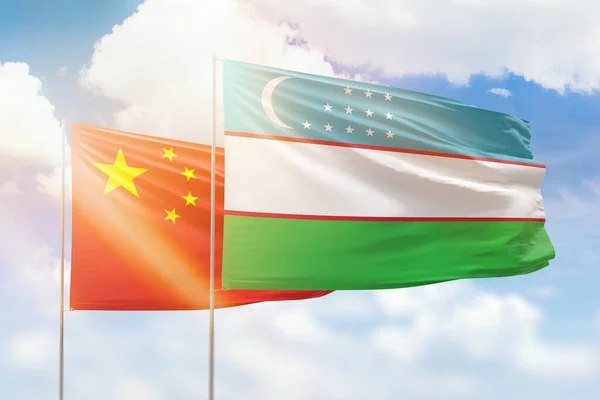
Recent social media claims alleging that “China is taking over Uzbekistan” and that “most of the country’s land has been sold to the Chinese” have sparked widespread debate. In response, Ilzat Qosimov, Deputy Minister of Investments, Industry, and Trade, issued a statement via the ministry’s official Facebook page, firmly rejecting these allegations. Economic Cooperation, Not Land Sales “Attracting foreign investment is a crucial factor for Uzbekistan’s sustainable economic growth. Global competition for capital is intensifying, and our country remains committed to maintaining an open and equal investment environment,” Qosimov stated. He emphasized that while China is one of Uzbekistan’s largest investors, all foreign investors operate under the same legal framework. Uzbekistan maintains investment partnerships with numerous countries, including Saudi Arabia, the UAE, Turkey, Russia, France, Germany, South Korea, and Japan. According to official figures, Chinese investment in Uzbekistan is primarily concentrated in industry (62%), the fuel and energy sector (11%), and agriculture (4%). The majority of investments are in manufacturing, not agriculture or land acquisition. One notable example is the textile industry, where Uzbekistan has over 7,600 textile enterprises, but only 57 involve Chinese capital. Additionally, Uzbekistan exports textile products to China through multiple trading houses. Legal Restrictions on Foreign Land Ownership Despite persistent rumors, only 4% of Chinese investment in Uzbekistan goes into agriculture. Foreign investors cannot purchase land, it can only be leased for a maximum of 25 years through open auctions. For example, the Lihua Group, a Chinese company engaged in cotton cultivation and seed production in the Kashkadarya and Tashkent regions, operates on non-irrigated, low-yield lands, applying modern technologies to boost productivity. Chinese investments have also played a role in Uzbekistan’s industrial and technological advancement. The BYD automobile plant in Jizzakh, a key project, has created 1,500 jobs, with most positions held by Uzbeks. In 2024, an additional 200 Uzbek specialists are set to receive training at BYD facilities in China. Meanwhile, over 20 energy projects worth $9 billion are being implemented with Chinese involvement, with the majority of workers being Uzbek specialists. Government Rebuttal and Legal Framework On March 6, 2024, Uzbekistan’s Cadastral Agency issued an official statement dismissing rumors of land sales. According to Article 17 of the Land Code, foreign individuals and entities can only lease land, not own it. Additionally, the Law on the Privatization of Non-Agricultural Land Plots explicitly prohibits foreign citizens and businesses from participating in privatization. The agency further clarified that even Uzbek citizens cannot privatize agricultural land, and it categorically rejected the claims of land sales to foreigners as false. Authorities have urged the public to rely on verified information and to refrain from spreading misleading reports.

EU Monitors Uzbekistan’s Compliance with Trade Preferences Scheme

A European Union (EU) Generalised Scheme of Preferences Plus (GSP+) monitoring mission has arrived in Uzbekistan to assess the country’s compliance with trade-related commitments. The delegation will hold discussions in Tashkent and Bukhara with the Uzbek government, social partners, civil society, and UN representatives on key issues such as human rights, labor rights, environmental protection, climate change, and good governance, the EU Delegation to Uzbekistan announced​. Uzbekistan’s GSP+ Status and Trade Relations with the EU The GSP+ is a special EU trade incentive program that supports countries with vulnerable economies due to limited export diversification and insufficient integration into the global trading system. To qualify, countries must ratify and effectively implement 27 international conventions covering areas such as human rights, labor rights, environmental protection, climate change, anti-corruption, and drug control. Uzbekistan has been a GSP+ beneficiary since April 2021, joining a select group of just eight countries worldwide. As part of the program, the EU conducts regular dialogues and monitoring missions to ensure compliance with the required international UN and International Labour Organization (ILO) conventions. The current monitoring mission will remain in the country until March 20​. Progress and Key Trade Figures Since the last monitoring mission in 2022, Uzbekistan has made notable progress in its trade relations with the EU. Currently, approximately 60% of EU imports from Uzbekistan benefit from GSP+ preferential market access, with chemical products, fertilizers, cotton, and plastics being the main export beneficiaries. Uzbekistan also ranks among the top GSP+ countries in terms of preference utilization, having used nearly 84% of all available trade preferences in 2023. For the 2024-2025 reporting period, the EU has identified nine priority areas for monitoring to ensure Uzbekistan continues to comply with GSP+ requirements​.  

Uzbekistan and France Sign €6.5 Billion Partnership Agreements

Uzbekistan’s President Shavkat Mirziyoyev arrived in Paris on March 12 for a state visit at the invitation of French President Emmanuel Macron. The visit focused on strengthening political, economic, and cultural ties between the two countries. Expanding Cooperation with UNESCO As part of his visit, President Mirziyoyev met with Audrey Azoulay, Director-General of UNESCO, to discuss Uzbekistan’s growing collaboration with the organization. The talks also covered preparations for the 43rd UNESCO General Conference, set to take place in Samarkand this autumn, the first time the event will be held outside UNESCO’s Paris headquarters in 40 years. Uzbekistan has been actively engaged with UNESCO on various cultural and educational projects. The country has joined the International Center for the Preservation and Restoration of Cultural Heritage, and Bukhara has been added to the Network of Creative Cities. Several Uzbek traditions and artifacts, such as sericulture, pottery, and the archives of the Emir of Bukhara, have also been recognized by UNESCO. Bilateral Talks and Strengthened Economic Ties During his meeting with President Macron at the Élysée Palace, Mirziyoyev discussed ways to enhance Uzbek-French relations. Both leaders noted that agreements made during their 2023 meeting in Samarkand were already being implemented. Trade between the two nations has grown significantly, surpassing €1 billion last year. The number of joint ventures has quadrupled, with French businesses increasing their presence in Uzbekistan. A series of business forums and cultural events were held in Paris, Toulouse, Lyon, and Nice, covering key areas such as medicine, science, and education. Notably, a bust of Abu Rayhan Beruni, the renowned Uzbek scholar, was unveiled in the French town of Grez-Armainville. €6.5 Billion Innovation and Industrial Partnership One of the most significant outcomes of the visit was the launch of a new Innovation and Industrial Partnership Program, which includes €6.5 billion worth of joint projects in energy, infrastructure, mining, and transport. With this, the total value of Uzbek-French projects now exceeds €12 billion. In education, an agreement was signed to establish the Uzbek-French University in Tashkent, with experienced French specialists expected to teach there. Additionally, cooperation will continue in training French language teachers in Uzbekistan. To further boost business, tourism, and cultural exchanges, both sides discussed increasing the number of direct flights between Uzbekistan and France. Signed Agreements and Strategic Partnership Following the talks, Mirziyoyev and Macron adopted a joint declaration on the establishment of a strategic partnership. Key agreements signed include: An intergovernmental agreement on the establishment of the Uzbek-French University A mutual visa exemption for diplomatic passport holders A cooperation program for investment and innovation covering €6.5 billion in projects Agreements on healthcare, music, cinema, and theater collaboration A protocol to strengthen French language education A partnership agreement between the cities of Tashkent and Paris