• KGS/USD = 0.01143 0%
  • KZT/USD = 0.00216 0%
  • TJS/USD = 0.10633 -0.28%
  • UZS/USD = 0.00008 0%
  • TMT/USD = 0.28571 0%
  • KGS/USD = 0.01143 0%
  • KZT/USD = 0.00216 0%
  • TJS/USD = 0.10633 -0.28%
  • UZS/USD = 0.00008 0%
  • TMT/USD = 0.28571 0%
  • KGS/USD = 0.01143 0%
  • KZT/USD = 0.00216 0%
  • TJS/USD = 0.10633 -0.28%
  • UZS/USD = 0.00008 0%
  • TMT/USD = 0.28571 0%
  • KGS/USD = 0.01143 0%
  • KZT/USD = 0.00216 0%
  • TJS/USD = 0.10633 -0.28%
  • UZS/USD = 0.00008 0%
  • TMT/USD = 0.28571 0%
  • KGS/USD = 0.01143 0%
  • KZT/USD = 0.00216 0%
  • TJS/USD = 0.10633 -0.28%
  • UZS/USD = 0.00008 0%
  • TMT/USD = 0.28571 0%
  • KGS/USD = 0.01143 0%
  • KZT/USD = 0.00216 0%
  • TJS/USD = 0.10633 -0.28%
  • UZS/USD = 0.00008 0%
  • TMT/USD = 0.28571 0%
  • KGS/USD = 0.01143 0%
  • KZT/USD = 0.00216 0%
  • TJS/USD = 0.10633 -0.28%
  • UZS/USD = 0.00008 0%
  • TMT/USD = 0.28571 0%
  • KGS/USD = 0.01143 0%
  • KZT/USD = 0.00216 0%
  • TJS/USD = 0.10633 -0.28%
  • UZS/USD = 0.00008 0%
  • TMT/USD = 0.28571 0%

Viewing results 1357 - 1362 of 3455

Tokayev Arrives on State Visit to France

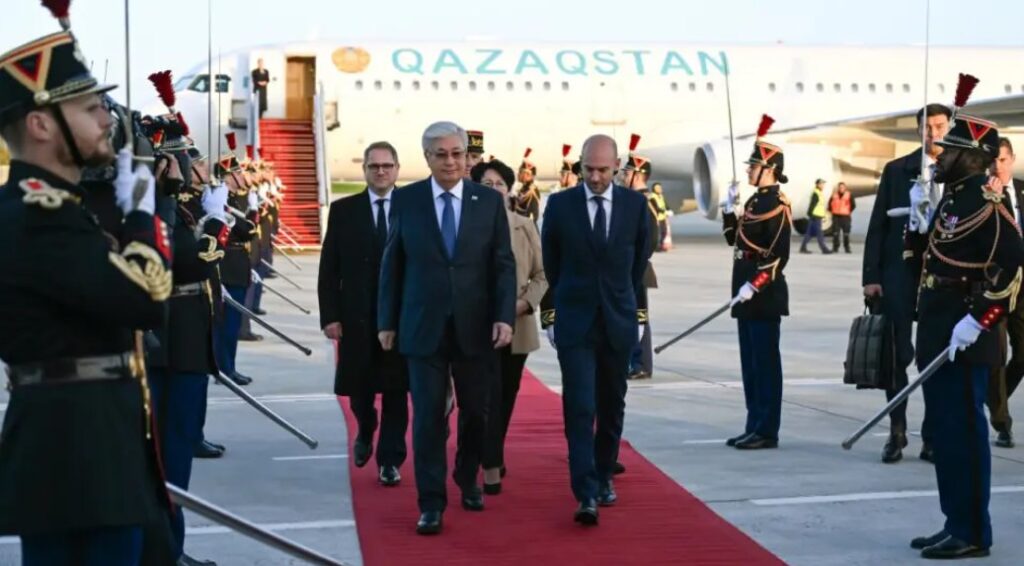
Kazakhstan's President Kassym-Jomart Tokayev visited France on November 4-5, at the invitation of his French counterpart Emmanuel Macron. During the visit, high-level talks were held to strengthen cooperation in trade, economic, investment, cultural, and humanitarian spheres. In addition, Tokayev met with representatives of French business circles. French media also covered the visit. Le Monde noted that the talks between Tokayev and Macron focused on expanding economic ties and discussing joint projects in energy and infrastructure. Le Figaro emphasized the importance of cultural exchange between the two countries, mentioning plans to hold joint cultural events in the coming years. Kazakhstani officials said Tokayev's visit to France strengthened bilateral relations and opened new prospects for cooperation in various fields. On the eve of his visit, Tokayev published an article in the French newspaper Le Figaro titled “Kazakhstan is a strategic and reliable partner for France.” In the article, he outlined the main areas of cooperation with France and emphasized Kazakhstan's role in international diplomacy. Tokayev noted that global challenges such as climate change and migration require updated approaches to international cooperation. He highlighted the role of “middle powers,” of which Kazakhstan is one, in promoting global stability, emphasizing the country's commitment to a balanced foreign policy and support for peacekeeping efforts. Tokayev also expressed Kazakhstan's interest in cooperating with France in the fields of rare earth metals mining, development of “green” energy, and nuclear industry. He added that the upcoming referendum on the construction of a nuclear power plant in Kazakhstan will open up opportunities to strengthen Europe's energy security. Last year, these areas were discussed during Macron's visit to Astana. In addition, he emphasized Kazakhstan's role in ensuring Europe's energy security through the Middle Corridor project, which links Asia and Europe. In conclusion, he expressed confidence in promising cooperation with France to achieve global stability and prosperity. The leaders of Kazakhstan and France met in Astana precisely one year ago, in November 2023. Then Tokayev called the visit of Macron to Kazakhstan historic. At the enlarged meeting, Tokayev specified that, one-on-one, the leaders identified several priority areas for future cooperation, including energy, critical raw materials, renewable energy, transit, agriculture, and health care. At the same time, the French leader invited Tokayev to Paris in 2024. After his visit to Paris, Tokayev will travel to Kyrgyzstan on November 6 to attend the XI Summit of the Organization of Turkic States. The central theme of the OTS summit will be “Strengthening the Turkic World: Economic Integration, Sustainable Development, Digital Future, and Security for All.”
Kazakhstan’s Return to Nuclear Power: TCA in Association with American Foreign Policy Council Hosts Inaugural Burgut Expert Talk

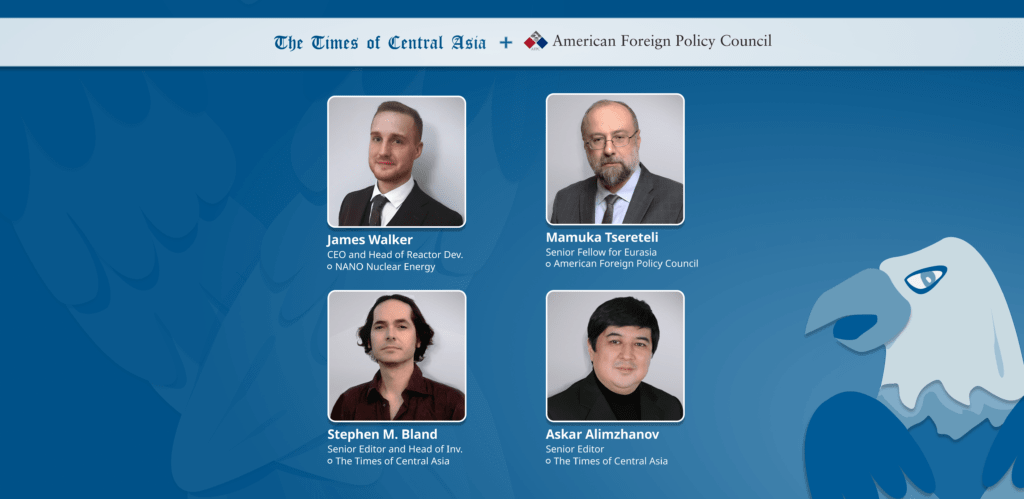
On October 6 of this year, the people of Kazakhstan participated in a referendum to decide whether nuclear power should become a part of their daily lives, or whether the haunting legacy of atomic testing would continue to limit the country’s progress in this area. The official preliminary results, released on October 7, showed that 71.12% of participants agreed to the construction of a nuclear power plant in Kazakhstan with a voter turnout of 63.66%. President Tokayev’s goal in holding a referendum was to ensure that arguments in favor of nuclear energy were compelling, and that citizens, scientists, and government officials were involved in the decision-making process. Tokayev has since suggested that an “international consortium made up of global companies equipped with cutting-edge technologies” should be involved in the project. In partnership with the American Foreign Policy Council, on October 30, 2024, The Times of Central Asia convened a virtual event to discuss what the referendum result means for energy security, geopolitics, and new business opportunities for both regional and global actors. Moderating this event was Mamuka Tsereteli, Senior Fellow for Eurasia at the American Foreign Policy Council, whilst the panel comprised Askar Alimzhanov, Senior Editor at The Times of Central Asia, Stephen M. Bland, Senior Editor and Head of Investigations at The Times of Central Asia, and James Walker, CEO and Head of Reactor Development at NANO Nuclear Energy. Focusing on a local perspective, Askar Alimzhanov told those in attendance that “Kazakhstan is in tough situation today regarding the issue of energy dependence. Because we have the largest nuclear test site in the world and during around 50 years there were just under 500 atomic tests, we all know about the possible consequence. As consumers, however, we’ve seen prices rise around 26% in one year. The population of the country is growing, so when we talk about the annual growth in energy consumption, this is a natural process. “Since the majority of voters have already made their decision, the main question which remains is who will build it? However, serious concerns persist within society including the fear of corruption, which can result in poor quality structures. As an example, we can talk about the light rail transportation network in Astana, which started in 2009 and still isn’t finished. The officials who stole the money, they still have those funds abroad.” [video width="1920" height="1080" mp4="https://timesca.com/wp-content/uploads/2024/11/Burgut-Expert-Talk-Kazakhstans-Return-to-Nuclear-Power1.mp4"][/video] Speaking about energy dependence and geopolitical considerations, Stephen M. Bland noted that “Kazakhstan's energy landscape is characterized by a reliance on aging thermal power plants, which are increasingly unable to meet the demands of a growing population and economy, with electricity shortages projected to worsen, particularly in the rapidly developing southern regions. The construction of a nuclear power plant, therefore, is seen as a crucial step toward alleviating these shortages, reducing dependence on overpriced imports from Russia, and achieving carbon neutrality goals. “The construction of Kazakhstan's first nuclear power plant presents both challenges and opportunities for the country's energy independence and regional influence. On one hand, developing a robust nuclear energy sector could...

Russia’s Zakharova: Gas Deliveries to Uzbekistan Surpass Five Billion Cubic Meters

According to Russian Foreign Ministry spokesperson Maria Zakharova, Russian gas supplies to Uzbekistan, which started in October 2023, have now surpassed five billion cubic meters. She noted that in 2023, Russia, Kazakhstan, and Uzbekistan initiated a two-year agreement to deliver Russian gas through Kazakhstan via a contract between Gazprom and UzGasTrade. “As of today, the volume of gas supplies has exceeded five billion cubic meters. Russian companies Gazprom and LUKOIL are advancing multiple projects to develop gas fields within Uzbekistan. The parties are set on gradually expanding their cooperation in the gas sector. There are, in fact, no bilateral issues that might slow down this energy partnership,” Zakharova shared at a recent briefing. She added that “all matters are being addressed constructively, with energy discussions being a regular part of high-level and interdepartmental negotiations.” This year, key meetings featured talks on energy cooperation, including Russian President Vladimir Putin’s state visit from May 26-28 and Prime Minister Mikhail Mishustin’s visit on September 9-10. “Energy collaboration is a core component of our bilateral relationship, with our foreign policy departments maintaining close contact and offering the needed political and diplomatic support to keep this cooperation moving forward,” Zakharova highlighted.

Kazakhstan and China Begin Negotiations on Joint Use of Transboundary Rivers

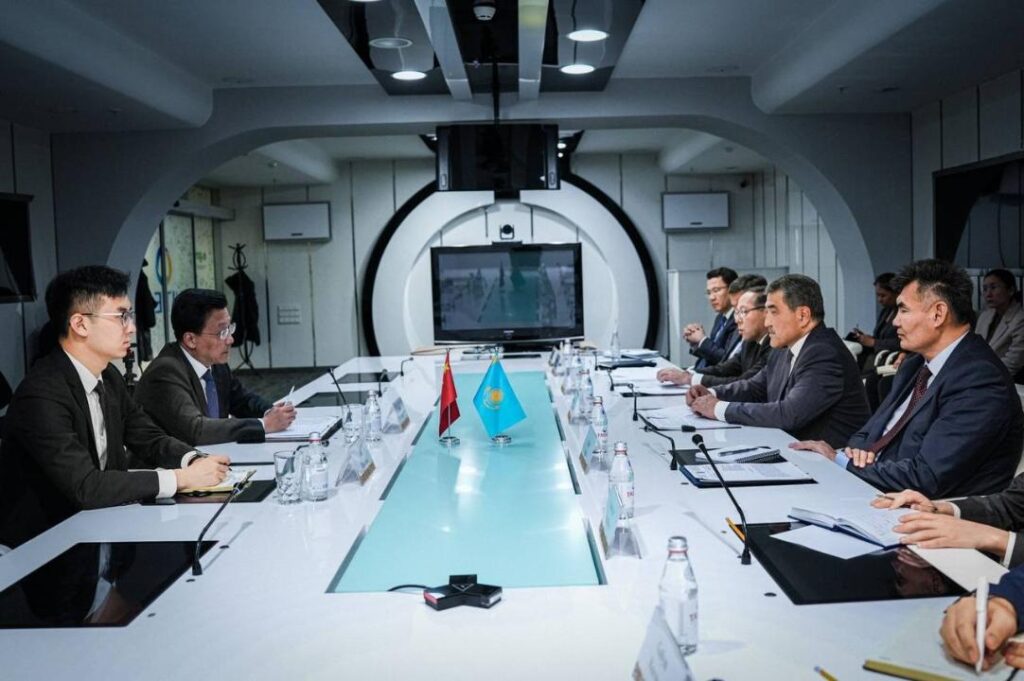
On November 1, Kazakhstan’s Minister of Water Resources and Irrigation Nurzhan Nurzhigitov met with Zhang Xiao, the Chinese Ambassador to Kazakhstan, to discuss bilateral water cooperation and the joint use and distribution of water from transboundary rivers. Three large rivers in Kazakhstan — the Ertis, the Ile, and the Emel — originate in China. The two countries established a special working group of experts to negotiate the provision of water to the Ile-Balkhash basin and develop fisheries and tourism in the region. The Ministry of Water Resources and Irrigation of Kazakhstan intends to sign a memorandum of cooperation with the Ministry of Water Resources of China shortly. The Kazakh minister and Chinese ambassador discussed joint modernization and automation of Kazakhstan's water infrastructure, production and use of water-saving technologies, and advanced training of Kazakhstani water specialists in China. Late in August, The Times of Central Asia reported that the Kapchagay reservoir outside Almaty was full for the first time in ten years. The reservoir collects water from the Ile (or Ili) River, which originates in China and is meant to regulate the river's flow on its way to Kazakhstan’s largest lake, Balkhash.

EBRD and EU Support Solar Power Project in Uzbekistan

The European Bank for Reconstruction and Development (EBRD) is providing funds to construct a solar power plant in Uzbekistan’s Khorezm region. The EBRD’s financial package of up to $54.6 million (€50.5 million) will be provided to Sarimay Solar, a special-purpose company fully owned by Voltalia, an international energy producer and service provider based in France. The package will consist of a senior loan of up to $44.8 million (€41.5 million) and a special facility of €9 million, which will support Sarimay Solar during construction. The project will benefit from an unfunded guarantee covering a senior loan tranche of $7 million (€6.5 million) provided by the European Union’s European Fund for Sustainable Development Plus. The financing will help Sarimay Solar construct and operate a 100 MWac (126MWdc) greenfield solar photovoltaic plant, contributing to Uzbekistan’s aim of further decreasing its reliance on carbon-intensive thermal power generation and developing up to 25 GW of solar and wind capacity by 2030. Once operational, the plant is expected to generate up to 252 GWh of electricity yearly and reduce annual CO2 emissions by more than 141,000 tons. For the fourth year in a row, Uzbekistan has been the leading recipient of EBRD funding in Central Asia. The Bank has invested around €4.9 billion in 167 projects across the country, most of which support private entrepreneurship.

First-Ever Tungsten Production Launched in Kazakhstan

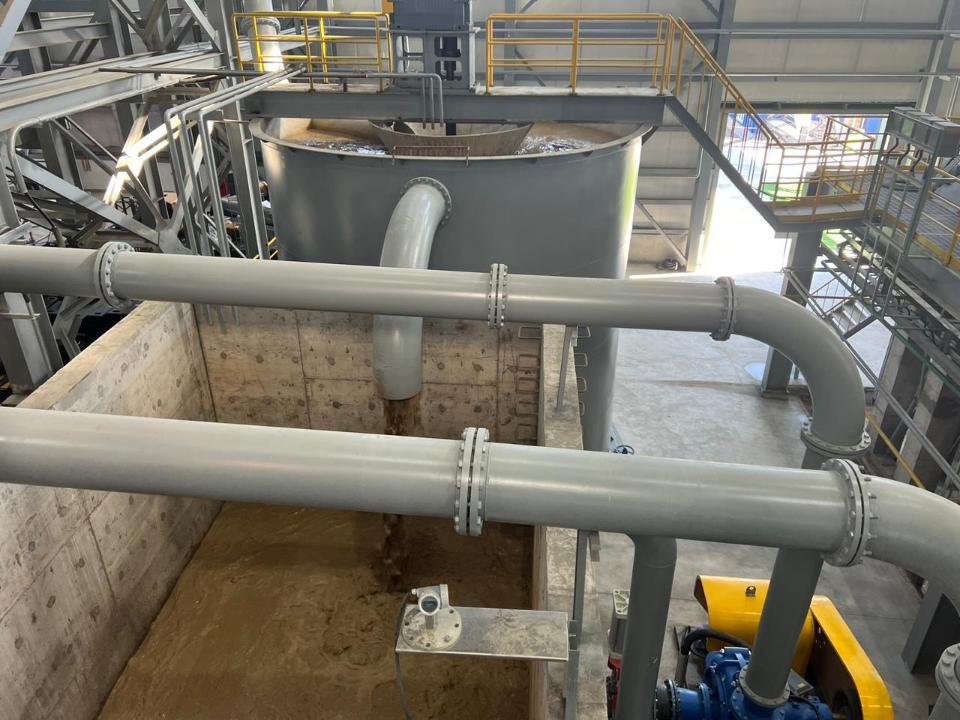
On November 1, Kazakhstan’s first tungsten processing plant was opened in the Almaty region. According to the Kazakh Ministry of Industry and Construction, this will strengthen the country's position in the global rare earth metals market. The $300 million project will create up to 1,000 local jobs and, when fully operational, will process 3.3 million tons of ore annually, producing 65% tungsten concentrate. Jiaxin International Resources Investment Ltd. is implementing the project, which was joined by Jiangxi Copper Corporation, China Railway Construction Company, China Civil Engineering Construction Company, and Ever Trillion International Singapore PTE LTD. Further plans include constructing a $150 million deep processing facility to increase tungsten content to 88.5% and produce high-purity tungsten carbide. Tungsten has the highest melting point of all metals and is alloyed with other metals to strengthen them. Tungsten and its alloys are used in many high-temperature applications, such as arc-welding electrodes and heating elements in high-temperature furnaces. Tungsten carbide is tough and important to the metal-working, mining, and petroleum industries. Speaking at the 36th meeting of the Foreign Investors’ Council in Astana on October 31, Kazakhstan President Kassym-Jomart Tokayev emphasized that Kazakhstan has a unique mineral resource base and has attracted more than $1 billion of private investment in geological exploration over the past six years.