• KGS/USD = 0.01144 0%
  • KZT/USD = 0.00205 0%
  • TJS/USD = 0.10429 0.29%
  • UZS/USD = 0.00008 0%
  • TMT/USD = 0.28490 0%
  • KGS/USD = 0.01144 0%
  • KZT/USD = 0.00205 0%
  • TJS/USD = 0.10429 0.29%
  • UZS/USD = 0.00008 0%
  • TMT/USD = 0.28490 0%
  • KGS/USD = 0.01144 0%
  • KZT/USD = 0.00205 0%
  • TJS/USD = 0.10429 0.29%
  • UZS/USD = 0.00008 0%
  • TMT/USD = 0.28490 0%
  • KGS/USD = 0.01144 0%
  • KZT/USD = 0.00205 0%
  • TJS/USD = 0.10429 0.29%
  • UZS/USD = 0.00008 0%
  • TMT/USD = 0.28490 0%
  • KGS/USD = 0.01144 0%
  • KZT/USD = 0.00205 0%
  • TJS/USD = 0.10429 0.29%
  • UZS/USD = 0.00008 0%
  • TMT/USD = 0.28490 0%
  • KGS/USD = 0.01144 0%
  • KZT/USD = 0.00205 0%
  • TJS/USD = 0.10429 0.29%
  • UZS/USD = 0.00008 0%
  • TMT/USD = 0.28490 0%
  • KGS/USD = 0.01144 0%
  • KZT/USD = 0.00205 0%
  • TJS/USD = 0.10429 0.29%
  • UZS/USD = 0.00008 0%
  • TMT/USD = 0.28490 0%
  • KGS/USD = 0.01144 0%
  • KZT/USD = 0.00205 0%
  • TJS/USD = 0.10429 0.29%
  • UZS/USD = 0.00008 0%
  • TMT/USD = 0.28490 0%

Viewing results 13 - 18 of 3014

Can Special Economic Zones Become a Driver of Economic Growth in Kazakhstan?

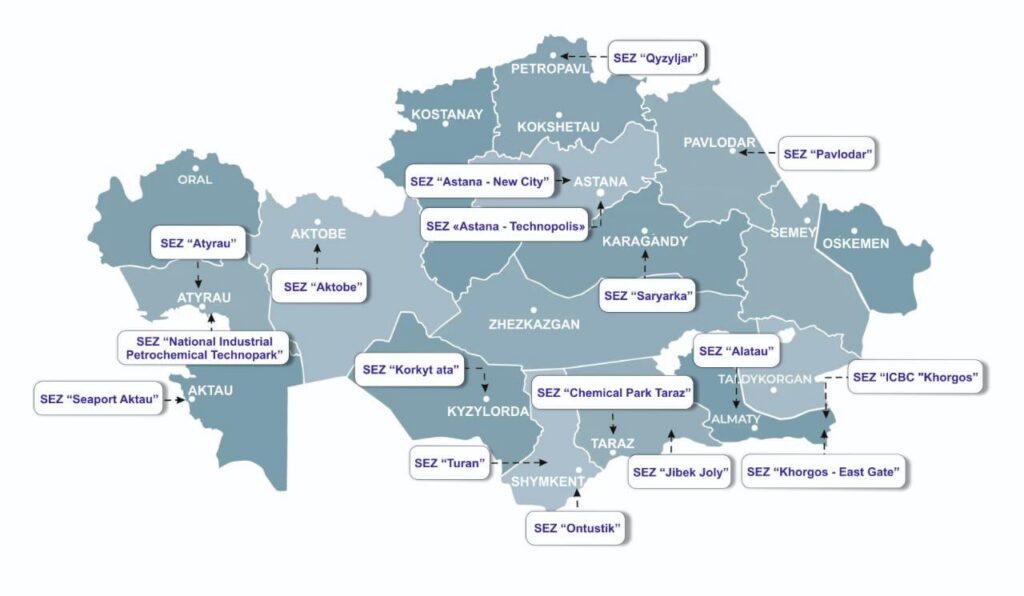
Kazakhstan currently has 17 special economic zones (SEZs) operating across 14 regions, three of which were created in 2025. How effective is this tool for attracting investment, reducing import dependence, and developing exports? And how will the SEZ model evolve within the framework of the Single Coordination Center? Yerlan Kusainov, Deputy Chairman of the Board of JSC Kazakhstan Center for Industry and Export “QazIndustry,” discussed these issues with The Times of Central Asia. TCA: Kazakhstan currently has 17 SEZs. How many companies operate in them, and what is the total volume of production? Kusainov: There are 1,144 participants registered in SEZ territories. Of these, 558 projects are already operational, while another 586 are in the implementation stage. Since the establishment of the zones, enterprises have produced goods worth 13.9 trillion tenge (about $28 billion). The current occupancy rate of the SEZs is 42.4%. This indicator is dynamic and may change as new contracts are signed or as some participants cease operations. TCA: What types of products are manufactured in the SEZs, and how does this contribute to reducing import dependence? Kusainov: The SEZs cover a wide range of industries, including manufacturing, construction, transport and logistics, and tourism. For example, the Aktau Seaport SEZ is implementing projects in the chemical industry, including the production of caustic soda and hydrochloric acid by Topan Chemical Industries. These products are widely used in metallurgy, the oil and gas industry, and water treatment. Previously, a significant portion of such products was imported, but production is now being localized in Kazakhstan. A major petrochemical cluster is being formed in the Jibek Joly SEZ. Projects there include the production of mineral fertilizers, chemical reagents, and polymer products. Participating companies include HIM-plus, KPM Plast, Chemical Engineering, and C9 Technologies. These projects are expected to supply the domestic market while also supporting exports. In the Pavlodar SEZ, projects are being implemented in metallurgy and petrochemicals. These include the production of calcined petroleum coke by UPNC-PV, car wheels by Vector Pavlodar, and aluminum ingots and alloys by LeichtMetall KZ and Unimetals. These products are exported to markets in Europe and Asia. The Ontustik SEZ focuses on the textile industry, where a full cotton-processing cycle has been established, from raw materials to finished products. Enterprises there produce cotton and synthetic yarn, carpets, and other textile goods. Another important site is the Park of Innovative Technologies SEZ, where projects in digital technologies and electronics are being developed. Key participants include the Institute of Physics and Technology, KT Cloud Lab, which is building a data center, and DS Multimedia CA, which manufactures electronic components. Together, these projects contribute to reducing import dependence and building export-oriented industries. TCA: What is the export volume of SEZ enterprises? Kusainov: The total export volume from SEZ enterprises has reached about $2 billion. In 2025 alone, exports amounted to approximately $490 million, compared with $148 million in 2021, an increase of 231%. TCA: How much investment has been attracted through the SEZs? Kusainov: Over the entire period of...

Kazakhstan Discusses Local Production of Nuclear Power Plant Equipment with South Korea

Kazakhstan has discussed the possibility of localizing production of equipment for nuclear power plants (NPPs) with South Korean partners during a working visit to the Republic of Korea by Almasadam Satkaliyev, chairman of Kazakhstan’s Agency for Atomic Energy. According to the agency’s press service, the Kazakh delegation held meetings with officials from South Korea’s Ministry of Climate, Energy and Environment, as well as executives from major Korean companies, including Korea Hydro & Nuclear Power (KHNP) and Doosan Enerbility. The talks focused on strengthening strategic cooperation in the peaceful use of nuclear energy, expanding technological partnerships, and developing industrial and investment collaboration. “Particular attention during the visit was given to cooperation with leading Korean companies that have extensive international experience in nuclear power plant construction and high-tech manufacturing,” the Kazakh agency said in a statement. “The sides discussed the development of industrial cooperation, including the possibility of localizing the production of equipment and individual components in Kazakhstan, as well as involving Kazakh enterprises in the technological and manufacturing chains of nuclear energy projects.” During discussions with South Korean government representatives, Kazakhstan presented its priorities for developing the national nuclear industry, including institutional reforms and the creation of a modern system of state regulation and management of the sector. The parties also exchanged views on nuclear and radiation safety standards and explored opportunities to share regulatory experience and best practices in managing nuclear energy programs. Another key topic was workforce development for the nuclear sector. Discussions covered potential cooperation in training specialists, expanding educational programs, and exchanging professional expertise necessary for the implementation of long-term nuclear energy projects. “The meetings confirmed mutual interest in further strengthening the partnership, expanding institutional dialogue, and deepening practical cooperation between Kazakhstan and the Republic of Korea in the development of the nuclear energy sector,” the agency said. As previously reported by The Times of Central Asia, Kazakhstan has already selected partners for the construction of three nuclear power plants. The first project will be led by Russia’s Rosatom, while the second and third plants are expected to be built by the China National Nuclear Corporation (CNNC). Earlier this year, the authorities also selected the site for the country’s second nuclear power plant in the Zhambyl District of the Almaty Region, close to the location chosen for the first plant near the village of Ulken on Lake Balkhash.

Lukashenko Says Belarus Ready to Help Uzbekistan Build Nuclear Power Plant

Belarus is ready to assist Uzbekistan in building a nuclear power plant and training specialists for the country’s emerging nuclear energy sector, President Alexander Lukashenko said during a meeting with Uzbekistan’s ambassador to Belarus, Rakhmatulla Nazarov. According to the Belarusian president’s press service, the discussion took place on March 9 in Minsk and covered a wide range of issues ahead of a planned visit by Uzbekistan’s President Shavkat Mirziyoyev to Belarus. Lukashenko said relations between the two countries were developing steadily and that the upcoming visit could mark an important stage in expanding bilateral cooperation. “My very good friend Shavkat Miromonovich [Mirziyoyev] and I have much to discuss,” Lukashenko said at the beginning of the meeting. “By the time of his visit, we will update our agenda and develop plans for the near and medium term.” The Belarusian leader noted that both countries are working toward increasing bilateral trade to $2 billion in the coming years. He said such a target was realistic because the two economies complement rather than compete with each other. “Everything we know how to produce, from agriculture to machine building, is needed by the densely populated Uzbek state,” Lukashenko said, according to Belarusian media. Among the areas of potential cooperation, Lukashenko highlighted agriculture, industrial production, and nuclear energy. He said Belarus was prepared to share technologies, provide training, and support joint projects. “We know about your interest in our specialists in building a nuclear power plant,” Lukashenko said during the meeting. “We acquired these competencies thanks to cooperation with Russia. If it suits you, come at any time. Your representatives can meet with our specialists, and we will facilitate the construction of your nuclear power station.” Belarus has gained experience in nuclear energy through its cooperation with Russia on the Astravets nuclear power plant, which began operating in recent years. Lukashenko said Belarusian specialists currently work with Russian partners on nuclear projects in several countries. He emphasized that cooperation in nuclear energy and other sectors would be mutually beneficial, noting the size of Uzbekistan’s market and its rapidly growing economy. Lukashenko also praised Uzbekistan’s recent development efforts. “We see how Uzbekistan is drawing experience and expertise from around the world,” he said, adding that Belarus is ready to contribute to training specialists and developing technology in different sectors. The Belarusian president also said his country remains open to Uzbek workers seeking employment in Belarus, noting that migrant workers are offered access to education and social services on equal terms with local residents. In August last year, officials from Uzbekistan’s Uzatom Atomic Energy Agency met with Belarusian Energy Minister Denis Moroz in Minsk to discuss potential collaboration in nuclear infrastructure development, specialist training, and radioactive waste management. During those talks, Belarus expressed readiness to share its experience as Uzbekistan develops its national nuclear energy program.

Kyrgyzstan’s Health Ministry Proposes Higher Taxes on Sugary Drinks and Salty Foods to Protect Public Health

Kyrgyzstan’s Ministry of Health has proposed reforms to the country’s excise tax system targeting sugar-sweetened beverages and foods with high salt content in an effort to reduce their consumption and improve public health. The proposal was discussed on March 9 at a meeting involving representatives of the Ministry of Economy and Commerce, the Ministry of Finance, the State Tax Service, the Ministry of Agriculture, the World Health Organization (WHO), UNICEF, and leading business associations. Currently, Kyrgyzstan applies a uniform excise tax of 3 soms (about $0.03) per liter on sugar-sweetened non-alcoholic beverages, regardless of their sugar content. The Ministry of Health proposes introducing a differentiated excise tax system in which the rate would depend on the amount of sugar in a beverage: Up to 5 grams of sugar per 100 ml - 5 soms (about $0.06) per liter 5-8 grams per 100 ml - 7 soms (about $0.08) per liter 8-11 grams per 100 ml - 9 soms (about $0.10) per liter More than 11 grams per 100 ml - 11 soms (about $0.12) per liter Officials say the new structure would encourage manufacturers to reduce sugar content in beverages, promote healthier consumer habits, and decrease consumption of high-sugar products. The ministry also proposes introducing a fixed excise tax of 20 soms (about $0.20) per liter on energy drinks, citing their high levels of sugar and caffeine and the potential health risks they pose, particularly for adolescents. Authorities are also considering similar differentiated taxation for foods with high salt content, including fried and salty snacks such as chips, salted crackers, and similar products. The goal is to discourage excessive consumption of high-salt foods and reduce related health risks. Representatives of the World Health Organization and UNICEF have expressed support for the proposal. WHO representative Alina Altymyshova noted that similar measures are widely used around the world. According to her, 116 countries already apply various forms of taxation or regulation on foods and beverages high in sugar and salt to help prevent noncommunicable diseases and promote healthier diets. She also highlighted numerous international studies demonstrating the negative health impacts of regular consumption of sugary beverages, particularly among children and adolescents. Deputy Health Minister Temirbek Erkinov warned that unhealthy diets are becoming a growing public health challenge in Kyrgyzstan. According to data from the National Statistical Committee for 2023, about 9% of children in Kyrgyzstan, roughly one in eleven, are overweight. Other indicators highlight widespread unhealthy dietary habits: 75% of children aged 6-23 months consume unhealthy foods 78% regularly drink sugary beverages 16% do not consume fruits and vegetables daily More than 84,000 people in Kyrgyzstan are currently registered with diabetes, with the number increasing by 5,000 to 7,000 cases each year. “The issue of nutrition and related diseases is becoming one of the most serious challenges for the public health system,” Erkinov said. Health officials believe measures to reduce the consumption of foods high in sugar and salt should become an important tool in preventing noncommunicable diseases and improving the country’s...

Kazakhstan Considers Supporting Dairy Sector to Curb Inflation

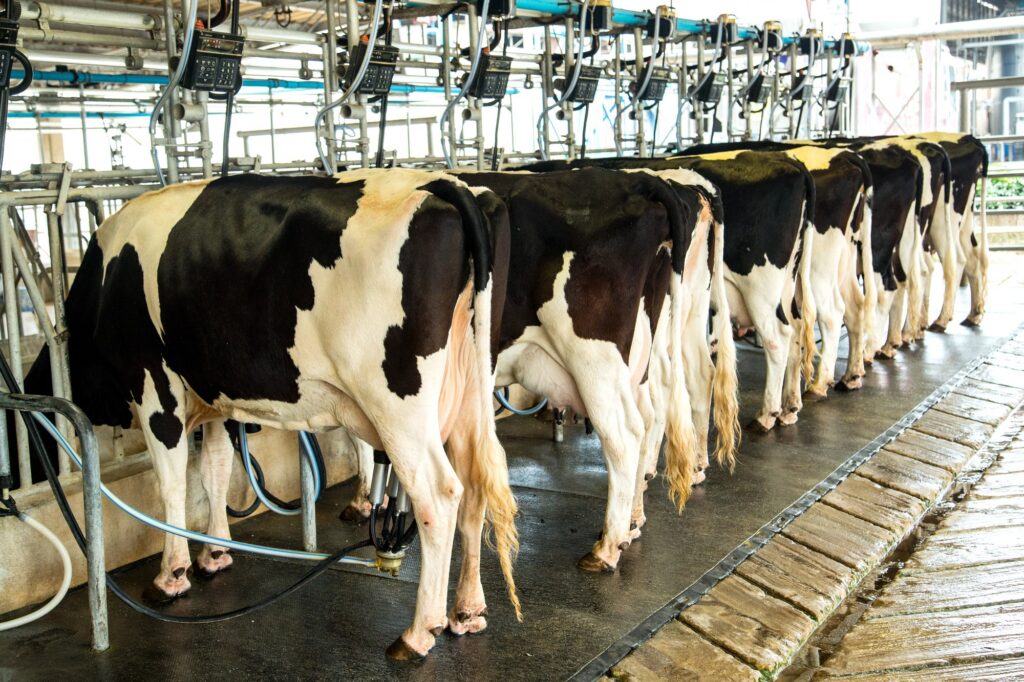
Kazakhstan’s government is considering additional support for dairy processors and bakeries as part of broader efforts to slow inflation and stabilize prices for essential food products. The proposal was discussed during a government meeting focused on inflation dynamics and price trends for socially significant food products. According to Aizhan Bizhanova, Kazakhstan’s First Vice Minister of Trade and Integration, inflation in the country has been slowing for five consecutive months, declining from 12.9% in September 2025 to 11.7% in February 2026. Food inflation has also continued to ease, falling from 13.5% in December and 12.9% in January to 12.7% in February. The ministry attributes the slowdown in part to the expansion of the list of socially significant food products subject to price regulation. The list has been expanded from 19 to 31 items, and since the beginning of the year authorities have opened more than 800 administrative cases related to violations of pricing rules. “During the first week of March, the price index for socially significant food products increased by 0.1%. At the same time, dairy products recorded price growth, mainly due to rising costs of raw milk,” the government’s press service said in a statement. Additional pressure on prices has also come from higher energy costs and increased production expenses. Dairy products account for a significant share of Kazakhstan’s food inflation, estimated at about 6.3%. The Ministry of Trade and Integration therefore proposed exploring mechanisms to support dairy processing enterprises in order to reduce production costs and stabilize prices. The government also discussed possible support measures for Kazakhstan’s bakery sector. Among the options considered were providing bakeries with discounted grain and flour and exploring the possibility of lowering railway tariffs for transporting raw materials. Officials suggested working with the national railway operator Kazakhstan Temir Zholy to reduce transportation costs for the sector. Participants at the meeting noted that prices traditionally rise in March due to seasonal factors. However, the Ministry of Trade and Integration plans to mitigate the impact through additional price discount campaigns and expanded agricultural fairs. Kazakhstan also continues to use a “green corridor” mechanism to facilitate the import of vegetables from neighboring countries. Deputy Prime Minister and Minister of National Economy Serik Zhumangarin, who chaired the meeting, instructed authorities to conduct a detailed review of pricing at 42 dairy processing enterprises operating in Kazakhstan. The aim is to identify effective mechanisms for supporting producers and stabilizing consumer prices. Officials also highlighted slow releases of vegetables from regional stabilization funds, which supply products to the market at fixed prices. The slow pace was particularly noted in the Aktobe, Zhambyl, Kyzylorda, and Ulytau regions. Zhumangarin instructed the Ministries of Agriculture and Trade to inspect regional stabilization funds and verify the actual availability of products reported by local authorities. Despite recent improvements, several international organizations expect inflation in Kazakhstan to remain elevated in 2026. S&P Global Ratings forecasts inflation will reach about 11% by the end of the year. The Eurasian Development Bank predicts inflation could fall to 9.7% by...

Moody’s Upgrades Tajikistan’s Credit Rating to B2, Citing Economic Improvements

International rating agency Moody’s has upgraded Tajikistan's long-term sovereign credit rating to B2 with a stable outlook, according to the National Bank of Tajikistan. According to the financial regulator, Tajikistan has been cooperating with Moody’s since 2014, and the latest decision marks the first time the country’s sovereign rating has been raised to the B2 level. The National Bank said the upgrade reflects the government’s ongoing economic reforms and policy measures aimed at strengthening the country’s financial system and macroeconomic stability. Moody’s cited several factors behind the upgrade from B3 to B2, including sustained economic growth in recent years, improvements in fiscal management, and continued positive macroeconomic trends. The agency also highlighted progress in structural reforms, reduced risks related to public debt, and improvements in public financial management. The stable outlook indicates Moody’s expectation that Tajikistan will maintain prudent fiscal and monetary policies in the coming years. A B2 sovereign rating signals moderate creditworthiness. This means that while the country is capable of meeting its financial obligations, certain economic and external risks remain. Compared with the previous B3 rating, the upgrade reflects a stronger financial position and increased confidence from international financial markets. The stable outlook also suggests that no major macroeconomic shocks are expected in the medium term and that economic risks are considered manageable. Assessments by international rating agencies play an important role for countries seeking access to global financial markets. First, sovereign credit ratings help investors and lenders evaluate a government’s ability to meet its financial obligations, which directly affects borrowing costs and loan conditions. Second, a higher rating increases a country’s attractiveness to international investors. Global financial institutions often rely on such ratings when assessing investment risks, meaning improvements can help attract foreign capital. Credit ratings are also viewed as indicators of economic stability and fiscal discipline, strengthening confidence in government policies among international partners and domestic market participants. In addition, sovereign ratings influence external debt management and help governments raise financing for infrastructure and social development projects. The Moody’s upgrade is not the only positive signal for Tajikistan’s economy. Just a month earlier, another major international rating agency, Standard & Poor’s, improved the outlook on Tajikistan’s long-term sovereign credit rating from stable to positive while maintaining the rating at B. Taken together, the assessments from two leading global rating agencies highlight improvements in Tajikistan’s macroeconomic conditions and point to stronger prospects for financial stability in the coming years.