• KGS/USD = 0.01144 0%
  • KZT/USD = 0.00207 0%
  • TJS/USD = 0.10407 -0.29%
  • UZS/USD = 0.00008 0%
  • TMT/USD = 0.28571 0%
  • KGS/USD = 0.01144 0%
  • KZT/USD = 0.00207 0%
  • TJS/USD = 0.10407 -0.29%
  • UZS/USD = 0.00008 0%
  • TMT/USD = 0.28571 0%
  • KGS/USD = 0.01144 0%
  • KZT/USD = 0.00207 0%
  • TJS/USD = 0.10407 -0.29%
  • UZS/USD = 0.00008 0%
  • TMT/USD = 0.28571 0%
  • KGS/USD = 0.01144 0%
  • KZT/USD = 0.00207 0%
  • TJS/USD = 0.10407 -0.29%
  • UZS/USD = 0.00008 0%
  • TMT/USD = 0.28571 0%
  • KGS/USD = 0.01144 0%
  • KZT/USD = 0.00207 0%
  • TJS/USD = 0.10407 -0.29%
  • UZS/USD = 0.00008 0%
  • TMT/USD = 0.28571 0%
  • KGS/USD = 0.01144 0%
  • KZT/USD = 0.00207 0%
  • TJS/USD = 0.10407 -0.29%
  • UZS/USD = 0.00008 0%
  • TMT/USD = 0.28571 0%
  • KGS/USD = 0.01144 0%
  • KZT/USD = 0.00207 0%
  • TJS/USD = 0.10407 -0.29%
  • UZS/USD = 0.00008 0%
  • TMT/USD = 0.28571 0%
  • KGS/USD = 0.01144 0%
  • KZT/USD = 0.00207 0%
  • TJS/USD = 0.10407 -0.29%
  • UZS/USD = 0.00008 0%
  • TMT/USD = 0.28571 0%

Viewing results 103 - 108 of 849

Kazakhstan Urges Regional Cooperation to Save the Aral Sea

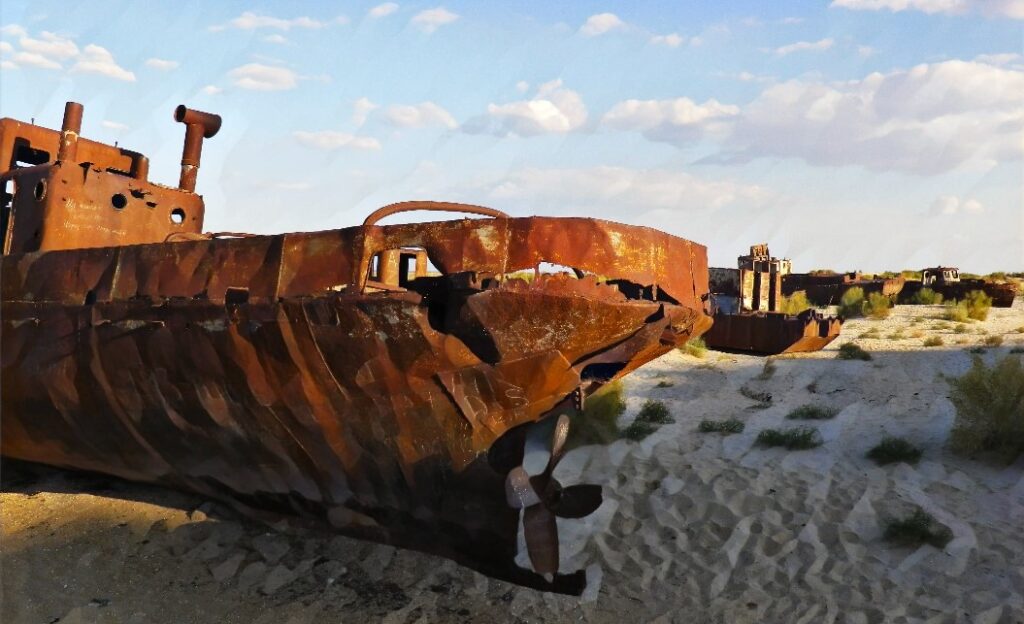
Kazakhstan has intensified its efforts to restore its portion of the former Aral Sea, calling on neighboring Central Asian states to increase their participation in regional environmental cooperation. Once the world’s fourth-largest lake, the Aral Sea has become a symbol of ecological catastrophe. Experts warn that international efforts remain inadequate. How the Sea Died Straddling the border between Kazakhstan and Uzbekistan, the Aral Sea began to shrink in the 1960s when large-scale irrigation projects diverted water from its two main tributaries, the Amu Darya and Syr Darya rivers, to support cotton production and agriculture. A growing regional population added further strain. By 1989, the sea had split into the Northern (Small) and Southern (Large) Aral Seas. In 2014, the eastern basin of the Southern Aral Sea dried up completely. Today, the Aralkum Desert occupies much of what was once open water. Kazakhstan has since focused on restoring the Northern Aral Sea. [caption id="attachment_37684" align="aligncenter" width="2560"] A ship stranded in the desert, Moynaq, Uzbekistan; image: TCA, Stephen M. Bland[/caption] The restoration of the Northern Aral Sea has already yielded visible environmental and social benefits. Rising water levels have lowered salinity, allowing several native fish species to return. Local fisheries, once thought lost, are now active again in communities such as Aralsk. According to the Ministry of Ecology, the annual fish catch in the North Aral has risen more than tenfold since the early 2000s, reviving local employment and boosting food security. Experts note that even small ecological gains have had a profound psychological impact on residents who once witnessed the sea’s disappearance. Call for Renewed Efforts On October 15, Kazakhstan called for expanded international cooperation to protect both the Aral and Caspian Seas. First Deputy Minister of Foreign Affairs, Yerzhan Ashikbayev, speaking at the International Astana Think Tank Forum-2025, emphasized Kazakhstan’s contribution to the global climate agenda. He noted that a regional climate summit, set to be held in Astana in 2026, would provide a platform for coordinated strategies and joint decision-making among Central Asian nations. “Astana also calls for increased international participation in solving environmental problems and preserving the water resources of the Aral and Caspian Seas,” Ashikbayev said. Earlier, on October 10, Prime Minister Olzhas Bektenov met with senior officials from Tajikistan, Uzbekistan, and Turkmenistan during the second meeting of the Board of the International Fund for Saving the Aral Sea (IFAS), chaired by Kazakhstan. The event highlighted the need for a united regional approach, noting that restoration of the Aral Sea can be achieved through collective action. Bektenov acknowledged the challenges of the recent growing season, but said regional cooperation had helped maintain a stable water regime in the basin. “Each country has its own national interests, and we are obliged to defend them and will always do so. But I am convinced that our common strategic, long-term priority is good neighborly relations. In solving everyday short-term tasks, we must not undermine long-term priorities. I think that we will take joint measures to ensure that issues are always...
Kazakhstan Leads Regional Efforts to Save the Caspian Sea

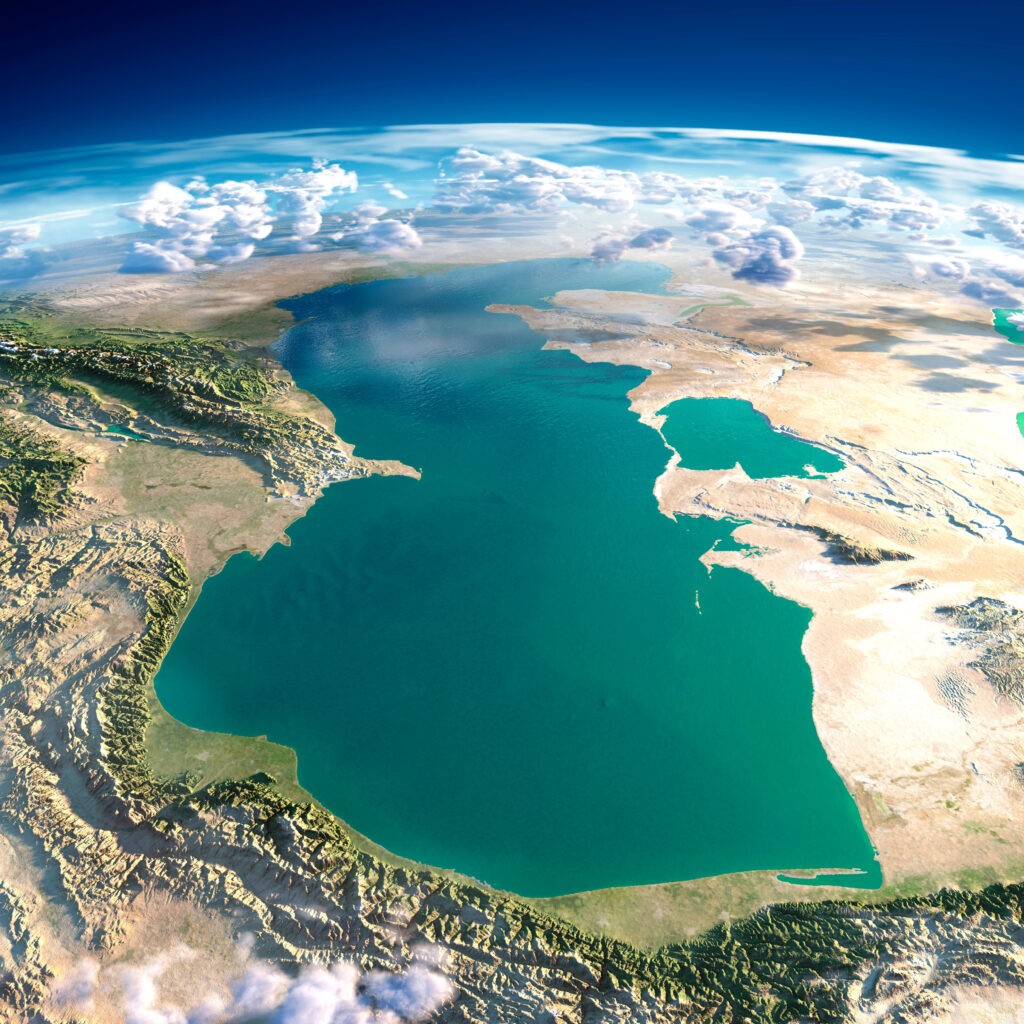
Today, Central Asia and the Caspian littoral states face growing challenges that extend well beyond national borders. Climate change, water scarcity, land degradation, and the shrinking of the Caspian Sea are no longer only environmental concerns but matters of regional security and sustainable development. The Caspian Sea, the world’s largest inland body of water, has become a symbol of crisis. Its rapid decline threatens ecosystems, navigation, fisheries, and food security from the Caucasus to Central Asia. Dushanbe: ecology as a new agenda for regional security A week ago, Dushanbe hosted two major international events: the “Central Asia–Russia” Summit and the meeting of the CIS Heads of State Council. At both forums, President Kassym-Jomart Tokayev called for moving from declarations to concrete action, proposing to Establish a Council of Ministers for Ecology among the Central Asian countries and Russia Develop an Interstate Program for the preservation of the Caspian Sea’s water resources Expand the use of space technologies to monitor transboundary water bodies These initiatives are part of a broader effort to build a new environmental framework for Eurasia, positioning Central Asia as a laboratory for sustainable solutions rather than a zone of ecological risk. The environmental disaster of the Caspian Sea The Caspian Sea is shrinking rapidly. According to data from Kazakhstan’s Ministry of Ecology, since 2006 its surface area has decreased by more than 31,000 square kilometers, and water levels have fallen by about 1.5 to 2 meters. Projections indicate severe consequences for spawning grounds, the Caspian seal population, port infrastructure, and the regional economy. The crisis mirrors the Aral Sea disaster, where environmental degradation caused widespread illness and social disruption. Experts warn that toxic dust from the exposed seabed could lead to respiratory diseases among millions of people. According to estimates by Save the Caspian Sea, the shoreline could retreat by as much as 89 kilometers, pushing fishing communities to the edge of survival. Falling sea levels already threaten unique wildlife, navigation, water supply, and agriculture, creating risks of migration and conflict. Because the Caspian is landlocked and not connected to the world’s oceans, its water losses cannot be naturally replenished. A coordinated response is needed, including sustainable water management, pollution control, and climate adaptation. The Caspian Sea as a crossroads of interests and contradictions The Caspian region today is more than an ecosystem; it is a geopolitical nexus where the interests of coastal states and global powers converge. Key transport routes such as the North–South Corridor and the Middle Corridor meet here, linking the economic, energy, and political interests of Russia, Iran, Turkey, China, and the European Union. The United States has also shown growing interest, particularly through its support for infrastructure projects in the South Caucasus and initiatives related to the Zangezur Corridor. Yet logistics, energy, and trade risk losing their purpose if the region’s natural foundation disappears. An ecological collapse could undermine multibillion-dollar investments, threaten food security, and turn the Caspian from a zone of cooperation into a battleground over resources. That is why saving...

ACWA Power Conducts Renewable Energy Workshop in Tashkent

Uzbekistan has taken another step toward its clean energy ambitions with a comprehensive training program hosted by the Energy and Water Academy (EWA Academy) in partnership with Saudi-based ACWA Power and the country’s ministries of energy and higher education. Held in Tashkent on October 7, the full-day workshop focused on key renewable energy technologies and brought together engineers, legal experts, financiers, policymakers, and students. The training aimed to deepen national expertise in solar, wind, energy storage, and hydrogen technologies, critical components of Uzbekistan’s evolving energy strategy. [caption id="attachment_37597" align="aligncenter" width="350"] @Acwa Power[/caption] Four technical modules were led by senior ACWA Power experts. Manuel Pozo Garcia presented on solar photovoltaic (PV) system design, grid integration, and performance optimization. Mohammad Iftekhar Ansari discussed wind resource assessment and turbine technologies, highlighting opportunities in Karakalpakstan and the Bukhara region. Krunal Patel covered battery energy storage systems (BESS) and hybrid energy solutions, emphasizing their role in grid stability and renewable energy integration. Philip Boustead explored the potential of green hydrogen, particularly in decarbonizing sectors that are difficult to electrify. A keynote address by Jose Barragan, Vice President of Technical Services at ACWA Power, highlighted the company’s expanding renewable energy portfolio and innovation strategy. The event also included an interactive quiz, open discussions, and awards to recognize participant engagement. Students from Shirin College, the first higher education institution in Uzbekistan dedicated to renewable energy, were among the attendees, underscoring the focus on building local capacity. Dr. Jon Zaidi, ACWA Power’s Country General Manager for Uzbekistan, said the training supports the country’s Vision 2030 and the government’s broader push for a green energy transition. “Beyond financing infrastructure, we believe developing human capital is critical,” he said. [caption id="attachment_37598" align="aligncenter" width="351"] @Acwa Power[/caption] Thamer Alsharhan, chairman of EWA Academy, added that the initiative reflects a wider commitment to knowledge sharing, ensuring that local communities benefit directly from energy reforms. The event builds on ACWA Power’s expanding presence in Uzbekistan. The company is currently developing more than 8.6 gigawatts (GW) of renewable energy capacity across the country, including several large-scale solar and wind projects. In 2024, ACWA Power finalized dry financing for the $533 million Tashkent Riverside project, which combines a 200 MW solar PV plant with a 500 MWh battery energy storage system, the largest in Central Asia at the time. The company has also been active in wind energy, recently selling a 35% stake in two under-construction wind farms, Bash and Dzhankeldy, both located in the Bukhara region to China Southern Power Grid International.

500 Meters of Illegal Fishing Nets Seized in Lake Issyk-Kul

Inspectors from the Issyk-Kul Department of the Environmental and Technical Supervision Service have confiscated approximately 500 meters of synthetic fishing nets during a recent raid on Lake Issyk-Kul. Large-scale efforts to clean and protect the lake have been underway since 2023. Ahead of this year’s tourist season, Kyrgyz President Sadyr Japarov issued a decree banning the import and use of synthetic fishing nets nationwide. He later participated in a raid on the lake himself, publicly criticizing officials for failing to fully implement the ban. Despite the government’s strict measures, poaching continues to pose a threat. According to inspectors from the Ministry of Natural Resources, although the latest seizure is not the largest on record, it is still substantial enough to harm the lake’s delicate ecosystem. Raids have been conducted almost continuously throughout the summer. Just days earlier, divers from the Kyrgyz Ministry of Emergency Situations retrieved 1,500 meters of nets from the lake and rescued 114 fish caught in them. Since the beginning of the year, authorities have removed a total of 80,900 meters of illegal fishing nets from Issyk-Kul. The State Customs Service also reported intercepting a large shipment of synthetic nets at the border with China. During a routine inspection of freight trucks, 750 kilograms of fishing nets were discovered and subsequently destroyed. Authorities warn that synthetic fishing nets are especially hazardous because they often contain lead, which can release toxic substances into the water. These toxins poison fish and destabilize the lake’s aquatic ecosystem.

European Banks to Allocate up to $1 Billion for Kambarata-1 Hydropower Project in Kyrgyzstan

Kyrgyzstan’s Minister of Energy, Taalaibek Ibraev, has signed agreements with European financial institutions to advance the construction of the Kambarata-1 hydropower plant, a flagship regional energy project on the Naryn River. The deals were concluded in Brussels during the Global Gateway Forum, organized by the European Union to mobilize sustainable investment in partner countries. According to an official EIB statement, the EU and the European Investment Bank (EIB) signed €900 million in memoranda of understanding with Kyrgyzstan, Kazakhstan, and Uzbekistan to support the project, which aims to strengthen regional energy security and accelerate the green transition in Central Asia. The European Bank for Reconstruction and Development (EBRD) also signed parallel agreements with the three governments and is assessing a financing package worth up to €1.3 billion. At the Brussels forum, Ibraev met with his counterparts from Kazakhstan and Uzbekistan to discuss coordination on implementation, following last year’s intergovernmental agreement establishing the Kambarata-1 project as a trilateral initiative. Under that framework, the countries will cooperate on construction, power-sharing, and environmental safeguards, with additional technical support from the World Bank. The World Bank’s project brief describes Kambarata-1 as a key step toward integrated energy and water management in the region. The 1,860-megawatt facility - one of the largest planned in Central Asia - will supply clean power domestically and to neighboring markets through regional transmission links. The EIB and EBRD agreements were signed by Minister Ibraev, EIB Global Director General Andrew McDowell, and EBRD Regional Director Hüseyin Özhan. It was reported that each institution has preliminarily earmarked up to $500 million in financing as part of its broader engagement. European Commission President Ursula von der Leyen said during the forum that the EU’s Global Gateway initiative will mobilize more than €400 billion by 2027 to strengthen sustainable infrastructure worldwide, including renewable energy projects in Central Asia. “This is a great opportunity for Europe, and this year, together with our partners, we are turning this demand into real action,” she said.

Once Lost from Kyrgyzstan, Little Bustard Population Soars in Northern Valleys

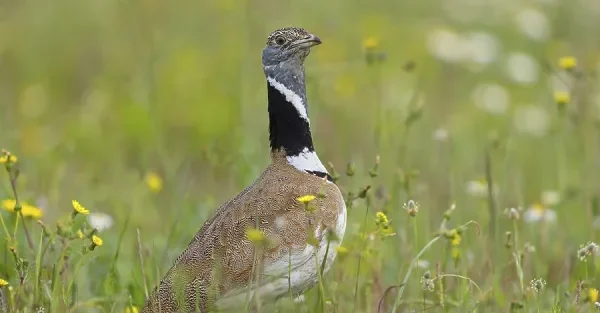
The Little Bustard, a pheasant-sized bird native to Asia and southern Europe, has reached a nesting population of around 1,900 individuals in Kyrgyzstan this year. This marks a remarkable recovery, as the species was nationally extinct in the country less than 20 years ago. The Little Bustard was listed as extinct in the Red Book of Kyrgyzstan in 2006. However, recent ornithological surveys have discovered breeding populations in the Chuy and Talas valleys in the north of the country, thought to be between 1,400 and 1,900 individuals. Signs of a wider recovery first appeared in 2009, with the discovery of four nests in the Talas valley. In 2019 a nest outside Bishkek suggested that Little Bustards were returning to the Chuy valley. Once common throughout the country, the species' decline was caused by the industrialization of Soviet Kyrgyzstan's agriculture industry in the 1950s, which destroyed the birds’ natural habitat. By the 1970s only a few residual groups remained, in the non-cultivated steppe areas near the Kazakh border. In recent years, surveys by the Ornithological Society of the Middle East (OSME) each spring have tracked their breeding activity, using listening points spaced through known and potential habitats. While Little Bustards' migratory and wintering patterns eastwards remain mostly unknown, recent observations suggest numbers in wintering areas may also be rising. Despite the strong growth of its population, the bird remains vulnerable in Central Asia. Current threats to their habitats are a consequence of modern changes in farming, including increased use of pesticides, and the turning of traditional steppe into irrigated crops. Illegal hunting of Little Bustards is also a problem. The species is currently classified in the national Red Book as Near Threatened. The Little Bustard is also considered Near Threatened by the International Union for Conservation of Nature (IUCN).