Today, Central Asia and the Caspian littoral states face growing challenges that extend well beyond national borders. Climate change, water scarcity, land degradation, and the shrinking of the Caspian Sea are no longer only environmental concerns but matters of regional security and sustainable development.
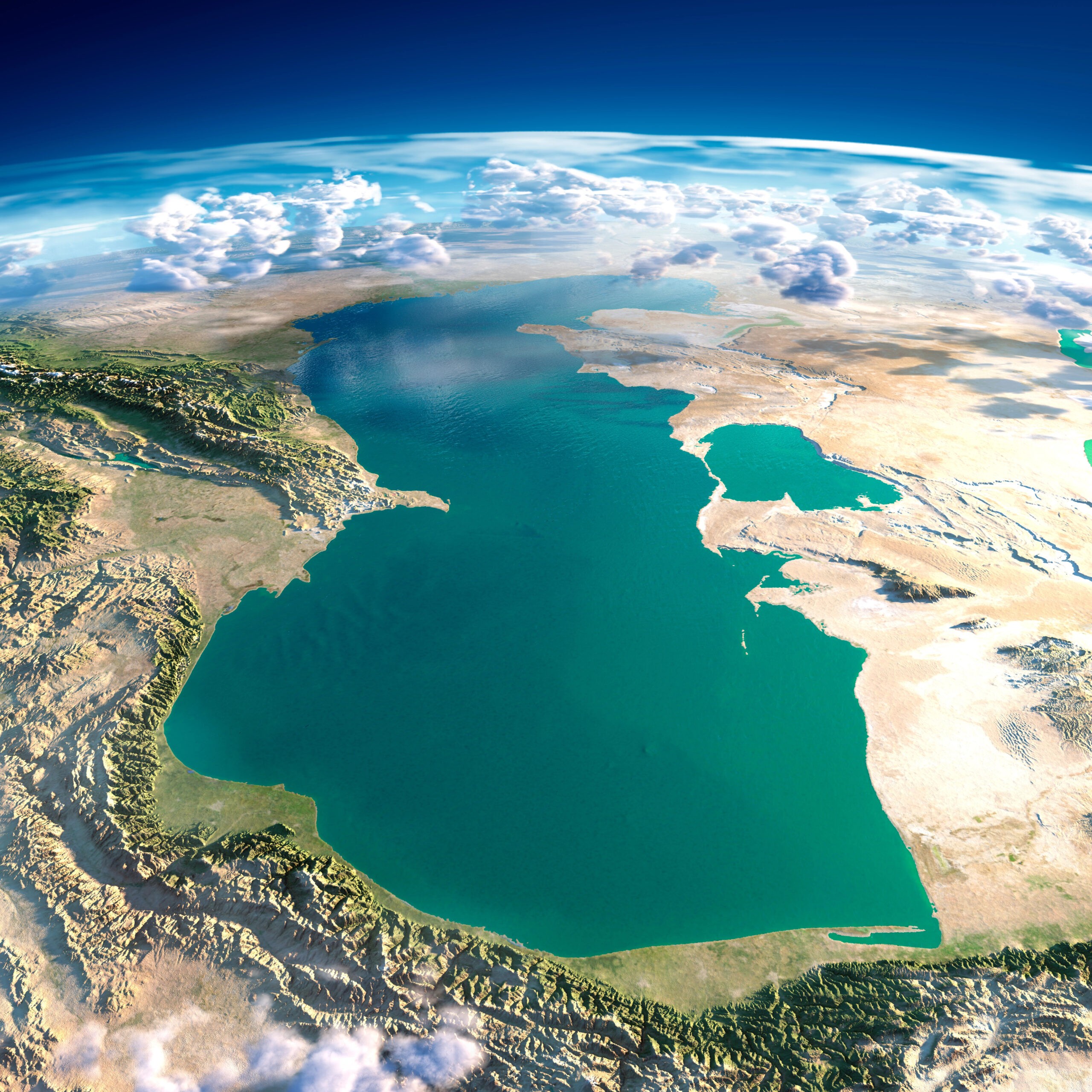
The Caspian Sea, the world’s largest inland body of water, has become a symbol of crisis. Its rapid decline threatens ecosystems, navigation, fisheries, and food security from the Caucasus to Central Asia.
Dushanbe: ecology as a new agenda for regional security
A week ago, Dushanbe hosted two major international events: the “Central Asia–Russia” Summit and the meeting of the CIS Heads of State Council. At both forums, President Kassym-Jomart Tokayev called for moving from declarations to concrete action, proposing to
- Establish a Council of Ministers for Ecology among the Central Asian countries and Russia
- Develop an Interstate Program for the preservation of the Caspian Sea’s water resources
- Expand the use of space technologies to monitor transboundary water bodies
These initiatives are part of a broader effort to build a new environmental framework for Eurasia, positioning Central Asia as a laboratory for sustainable solutions rather than a zone of ecological risk.
The environmental disaster of the Caspian Sea
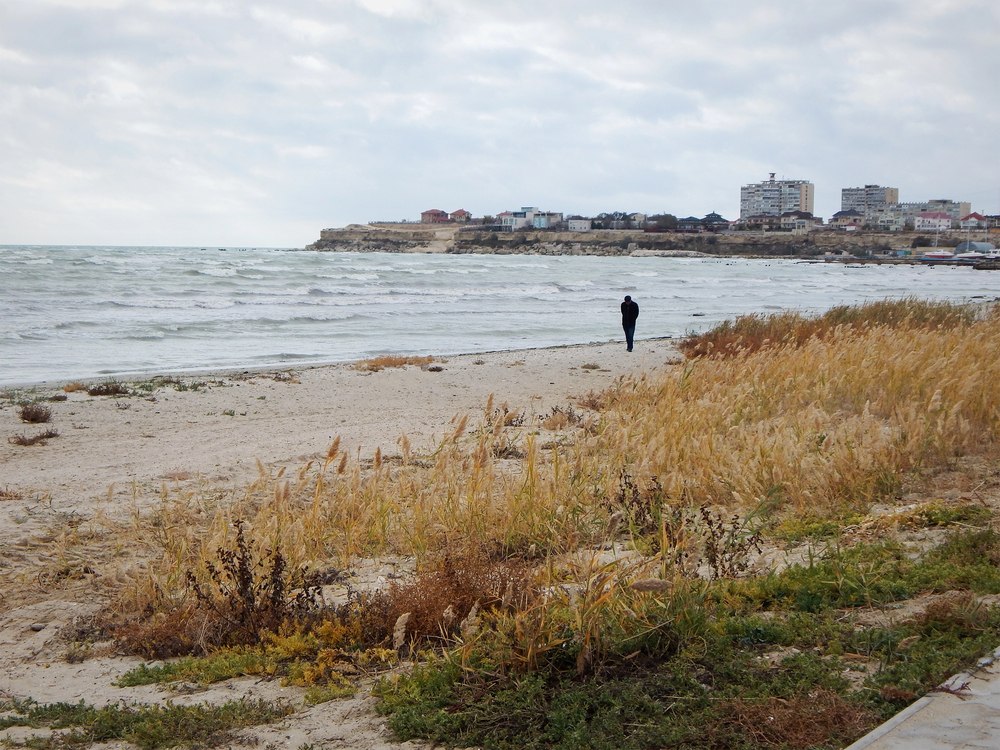
The Caspian Sea is shrinking rapidly. According to data from Kazakhstan’s Ministry of Ecology, since 2006 its surface area has decreased by more than 31,000 square kilometers, and water levels have fallen by about 1.5 to 2 meters. Projections indicate severe consequences for spawning grounds, the Caspian seal population, port infrastructure, and the regional economy.
The crisis mirrors the Aral Sea disaster, where environmental degradation caused widespread illness and social disruption. Experts warn that toxic dust from the exposed seabed could lead to respiratory diseases among millions of people. According to estimates by Save the Caspian Sea, the shoreline could retreat by as much as 89 kilometers, pushing fishing communities to the edge of survival.
Falling sea levels already threaten unique wildlife, navigation, water supply, and agriculture, creating risks of migration and conflict. Because the Caspian is landlocked and not connected to the world’s oceans, its water losses cannot be naturally replenished. A coordinated response is needed, including sustainable water management, pollution control, and climate adaptation.
The Caspian Sea as a crossroads of interests and contradictions
The Caspian region today is more than an ecosystem; it is a geopolitical nexus where the interests of coastal states and global powers converge. Key transport routes such as the North–South Corridor and the Middle Corridor meet here, linking the economic, energy, and political interests of Russia, Iran, Turkey, China, and the European Union.
The United States has also shown growing interest, particularly through its support for infrastructure projects in the South Caucasus and initiatives related to the Zangezur Corridor. Yet logistics, energy, and trade risk losing their purpose if the region’s natural foundation disappears.
An ecological collapse could undermine multibillion-dollar investments, threaten food security, and turn the Caspian from a zone of cooperation into a battleground over resources. That is why saving the sea has become a test of Eurasia’s capacity to act through cooperation rather than competition for survival.
Common interests of coastal countries
About 80% of the Caspian’s inflow comes from the Volga River. Experts note that recurring droughts and heavy water withdrawals over recent years have accelerated the sea’s decline across both sides of the basin. In this context, Astana has proposed that Moscow help establish a mechanism to coordinate water management as part of a joint Caspian program. At the same time, the looming ecological crisis should not be handled by just two countries; it requires regional and international coordination.
For Russia, protecting its southern agricultural zones in the Volga Delta and its fishing industry from ecological consequences is critical. Dust storms from the drying seabed and resulting soil erosion threaten fertile lands in Russia’s Volgograd, Astrakhan, and Saratov regions, and could eventually affect Krasnodar, Stavropol, Rostov, Voronezh, and Dagestan. Maintaining navigation through the ports of Astrakhan and Makhachkala and preserving the integrity of the North-South corridor is also vital.
Iran is focusing on preventing soil salinization in its northern provinces, ensuring the sustainability of Bandar-e Anzali port, and protecting Caspian energy logistics. For Azerbaijan, safeguarding the sea’s unique ecosystem is a priority, especially preserving fish stocks (including sturgeon species), the habitat of the Caspian seal, and limiting economic losses from shoreline retreat. The Baku–Alat port corridor is also strategically important.
What exactly is Kazakhstan proposing?
In his remarks at the 80th session of the UN General Assembly in New York in September, President Tokayev raised the Caspian issue on the global stage, noting that “the Caspian Sea is rapidly shrinking.” He called for urgent steps to preserve the sea’s water resources in cooperation with regional partners and the wider international community.
Astana has proposed three practical steps to serve as pillars of the Caspian initiative:
-
establish an international coordination mechanism for Caspian restoration. Russia, Kazakhstan, Azerbaijan, Iran, and Turkmenistan could form a permanent framework for joint action, engaging the UN, World Bank, and regional bodies to carry out hydrological, infrastructure, and scientific projects.
-
use space and digital technologies to monitor the sea’s level and condition. Kazakhstan proposes integrating satellite systems into a unified information network, analyzing data at a supercomputing center in Astana, and using the UN Regional Centre for Sustainable Development in Almaty as a hub for data exchange and public reporting.
-
develop an interstate program for sustainable water management across the Caspian basin. The program should coordinate river regulation, shared monitoring systems, infrastructure projects, efficient water use, and climate adaptation efforts.
Additionally, Kazakhstan suggests creating an International Fund for Caspian Environmental Programs, with participation from the UN, the Green Climate Fund, and other partners. Its goals include restoring biodiversity by reviving endangered sturgeon species and supporting the Caspian seal population, strengthening cooperation to curb pollution and poaching, creating new protected areas, and regulating resource use.
Conclusion
Kazakhstan knows the cost of environmental disasters. The Aral Sea tragedy and the Semipalatinsk nuclear tests left lasting scars and made environmental protection a national duty. That experience now drives the country’s global initiatives.
The fate of the Caspian is more than an ecological issue; it is a test of Eurasia’s ability to balance development with survival. The choices made today will decide whether the Caspian remains a living sea or becomes another lost opportunity.