• KGS/USD = 0.01144 0%
  • KZT/USD = 0.00211 0%
  • TJS/USD = 0.10438 0%
  • UZS/USD = 0.00008 0%
  • TMT/USD = 0.28490 0%
  • KGS/USD = 0.01144 0%
  • KZT/USD = 0.00211 0%
  • TJS/USD = 0.10438 0%
  • UZS/USD = 0.00008 0%
  • TMT/USD = 0.28490 0%
  • KGS/USD = 0.01144 0%
  • KZT/USD = 0.00211 0%
  • TJS/USD = 0.10438 0%
  • UZS/USD = 0.00008 0%
  • TMT/USD = 0.28490 0%
  • KGS/USD = 0.01144 0%
  • KZT/USD = 0.00211 0%
  • TJS/USD = 0.10438 0%
  • UZS/USD = 0.00008 0%
  • TMT/USD = 0.28490 0%
  • KGS/USD = 0.01144 0%
  • KZT/USD = 0.00211 0%
  • TJS/USD = 0.10438 0%
  • UZS/USD = 0.00008 0%
  • TMT/USD = 0.28490 0%
  • KGS/USD = 0.01144 0%
  • KZT/USD = 0.00211 0%
  • TJS/USD = 0.10438 0%
  • UZS/USD = 0.00008 0%
  • TMT/USD = 0.28490 0%
  • KGS/USD = 0.01144 0%
  • KZT/USD = 0.00211 0%
  • TJS/USD = 0.10438 0%
  • UZS/USD = 0.00008 0%
  • TMT/USD = 0.28490 0%
  • KGS/USD = 0.01144 0%
  • KZT/USD = 0.00211 0%
  • TJS/USD = 0.10438 0%
  • UZS/USD = 0.00008 0%
  • TMT/USD = 0.28490 0%

Viewing results 367 - 372 of 3304

From Glaciers to Green Goals: Central Asia at COP30

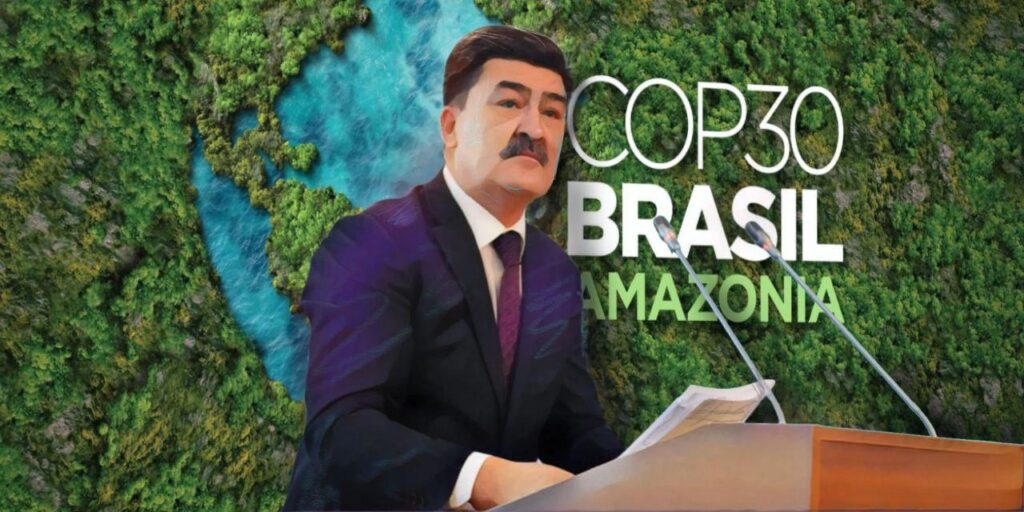
The UN Climate Change Conference (COP30) in Belém, Brazil, concluded with a hard-fought global deal that boosts climate finance for developing countries but avoids any promise to phase out fossil fuels. Amid this uneasy compromise, the Central Asian nations worked to get their priorities heard. Their delegations pressed for more climate funding, recognition of their unique vulnerabilities, and support for regional initiatives, with mixed results. A United Regional Voice on Climate Home to over 80 million people, Central Asia entered COP30 with a goal outlined as “five countries, one voice,” after a regional dialogue in Dushanbe ahead of the summit forged a common stance on shared threats such as melting glaciers and water stress. The region has already warmed about 2.2 °C – faster than the global average – and glaciers are shrinking by roughly 0.5% each year, Uzbekistan’s environment minister Aziz Abdukhakimov warned in Belém. He noted worsening land degradation and vanishing water resources, underscoring Central Asia’s acute climate vulnerability. In response, Uzbekistan unveiled a new pledge to cut its greenhouse gas emissions by 50% by 2035 (from 2010 levels) by expanding renewable energy and forests. Such actions align with COP30’s call for developed nations to triple adaptation finance by 2035 to help vulnerable countries cope. “COP30 showed that climate cooperation is alive and kicking, keeping humanity in the fight for a livable planet,” UN climate chief Simon Stiell said in his closing speech, praising delegates for persisting despite global divisions. National Commitments and Initiatives Kazakhstan, Central Asia’s largest economy and emitter, took on a visible role at COP30. Its delegation was led by Minister of Ecology and Natural Resources Yerlan Nyssanbayev, who addressed the summit’s opening session. Nyssanbayev reaffirmed Kazakhstan’s commitment to the Paris Agreement goals, noting the country has adopted a “Revised Nationally Determined Contribution (NDC) and a National Adaptation Plan” with more ambitious targets to cut emissions and bolster resilience. “It is crucial for us to consistently work toward achieving our climate goals,” he stated. Nyssanbayev emphasized the importance of climate finance for developing countries, highlighting the new “Baku–Belém Roadmap” to mobilize $1.3 trillion annually by 2035 and urging support for a significantly increased funding mechanism.  Kazakhstan also became one of only seven nations – and the sole Central Asian country – to sign a joint declaration pledging “near zero” methane emissions from its fossil fuel sector. In a sign of ongoing regional leadership, Nyssanbayev invited all delegates to attend a Central Asia Regional Environmental Summit that Kazakhstan will host in 2026, aiming to sustain climate cooperation beyond COP30. Kyrgyzstan, given its geography, used the summit to champion the mountain agenda and the plight of high-altitude communities on the frontlines of climate change. The Kyrgyz Republic chairs the UNFCCC’s Mountain Group and sent a delegation led by Deputy Chairman of the Cabinet of Ministers, Edil Baisalov, and Dinara Kemelova, the President’s Special Representative for the Mountain Agenda. In the first week of COP30, Kemelova delivered keynote remarks at multiple high-level sessions, calling for strengthened international support and...

Environmental Groups Criticize World Bank’s Decision on Rogun Dam Complaint

Environmental advocates have sharply criticized the World Bank’s decision to reject a request for a full investigation into Tajikistan’s Rogun Hydropower Plant, citing concerns over potentially severe environmental and social consequences for communities downstream along the Amu Darya river in Uzbekistan and Turkmenistan. According to the international coalition Rivers without Boundaries, the World Bank’s Board of Executive Directors dismissed the complaint despite mounting evidence that the project could exacerbate water scarcity, degrade water quality, damage vulnerable ecosystems, and displace rural populations dependent on agriculture and access to clean water. The complaint, filed earlier this year on behalf of affected communities, argued that the project’s environmental impact assessments were based on outdated data and non-binding verbal assurances from Tajikistan that the reservoir would not be operated at full capacity. The World Bank’s Inspection Panel registered the complaint in April 2025 and, after conducting an initial review, including a fact-finding visit to Tajikistan in June, recommended a comprehensive investigation, citing a strong likelihood of harm. However, the Bank’s Board rejected that recommendation, asserting that only citizens of the country receiving Bank financing are eligible to request an investigation. This decision surprised observers, particularly given that the Bank had previously accepted similar complaints from Uzbekistan over the same project in 2010. Environmental groups argue that the Board’s procedural reasoning allows it to ignore the project's far-reaching transboundary impacts. Evgeny Simonov, a lead expert at Rivers without Boundaries, stated that the Inspection Panel’s own findings validated the downstream communities’ concerns. He accused the Bank of avoiding accountability by hiding behind technicalities. Alexander Kolotov, director of the same coalition, said the ruling reveals a contradiction between the Bank’s public commitments to inclusive development and its actual response to cross-border grievances. He warned that dismissing downstream voices undermines the principles of equitable and participatory water governance. Environmental experts also caution that the refusal to launch an investigation leaves no recourse for affected communities should their fears materialize. Potential long-term impacts include increased soil salinity, reduced agricultural productivity, and the erosion of traditional rural livelihoods. The Rogun Alert coalition, an alliance of international environmental organizations, announced plans to continue monitoring the situation and to explore alternative mechanisms to protect the environmental rights of the region’s residents. Previous assessments had warned that filling the Rogun reservoir could reduce water flows to the Amu Darya delta by 25% or more, with potentially devastating effects on ecosystems and the wellbeing of up to 10 million people in Uzbekistan and Turkmenistan.

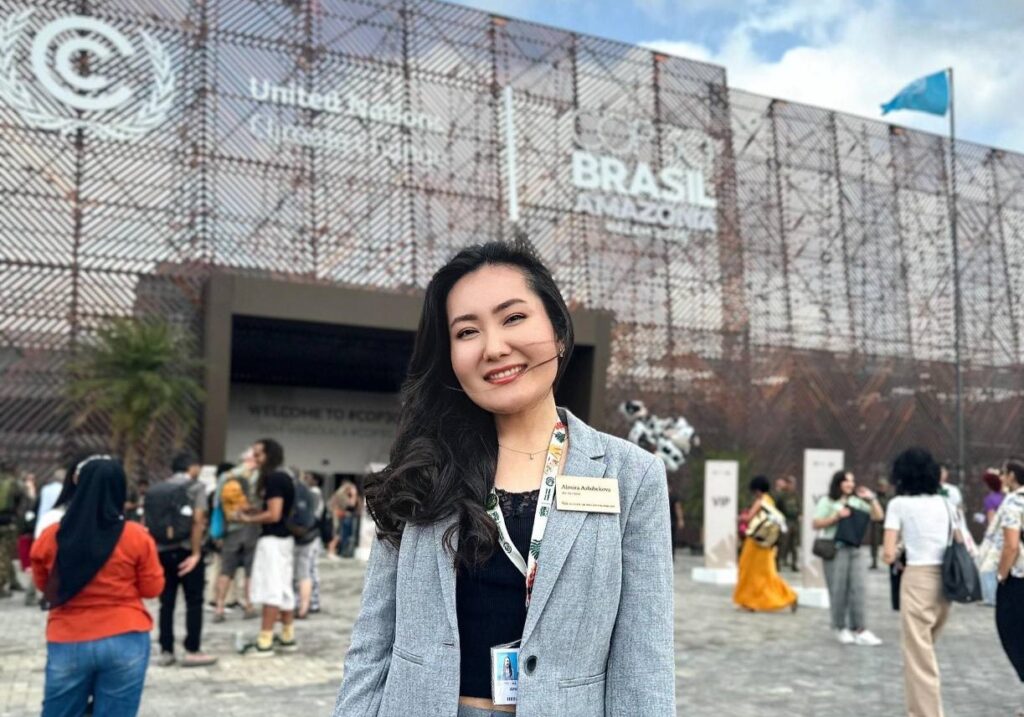
COP30 Delegate from Kazakhstan Says International Cooperation Is Hard, But Worth It

One of Kazakhstan’s representatives at the United Nations climate talks (COP30) in Belém, Brazil, this month was Almira Azhibekova, a Master of Environmental Management student at Yale University in the United States. As a member of the team from Kazakhstan’s Ministry of Ecology and Natural Resources, Azhibekova analyzed negotiations, helped prepare final reports, and performed other tasks. She shared this account, lightly edited by The Times of Central Asia. Views are her own. Attending COP30 as part of Kazakhstan’s delegation was an amazing chance to connect theoretical knowledge that I acquired at Yale with real-world climate diplomacy. I learned how countries like Kazakhstan access climate finance and technology support through fair partnerships and witnessed how, despite obstacles and challenges, international cooperation is the best way to turn ambitious goals into action. It is something I hope to bring back to Yale and my future work at home. What struck me most about COP30 was how global cooperation works in practice. It is inspiring, but also incredibly challenging. Seeing negotiations happen in real time was eye-opening. There is urgency, there is complexity, and there is a very human side to everything. Reaching consensus is not easy. Every country has its own priorities and concerns, and negotiators must ensure that everyone is heard and respected. Often, a single paragraph will go through informal consultations, smaller working groups, and then formal sessions before it can be agreed upon. Even one sentence in a final text can be discussed for hours, and some issues remain open for years. Diplomacy takes patience. Sometimes, a small difference in language becomes the focus of intense discussion because specific terminology can carry distinct legal and operational consequences. In international climate law, each term has a defined meaning, and a slight change in wording can alter how a mechanism will be implemented. I realized just how much weight language holds in shaping global climate action. Another insight, one I had known in theory but witnessed in practice, is that climate change affects every aspect of economies and societies and is a defining issue in international relations. Decisions made in negotiation rooms can influence economic development, security, and international cooperation, far beyond the environmental sphere. There were also practical challenges that made cooperation more difficult. Differences in languages, levels of technical expertise, national experiences, and even delegation sizes. Some countries can’t send enough people to be present in every negotiation. Equity in the process is as important as equity in the results. [caption id="attachment_39763" align="aligncenter" width="1327"] Photo provided by Almira Azhibekova[/caption] Another important factor is the quality of technical logistics and working conditions, which directly affect the effectiveness and accessibility of an already complex negotiation process. In addition to these observations, I was incredibly fortunate to speak to Dr. Katia Simeonova, a key architect and co-founder of the transparency framework under the Paris Agreement. She explained the peculiarities of negotiation: how every word in the text works in practice, how specific terms shape legal outcomes, and things that delegations must...

Kazakhstan and Armenia Forge Strategic Partnership in Landmark Summit

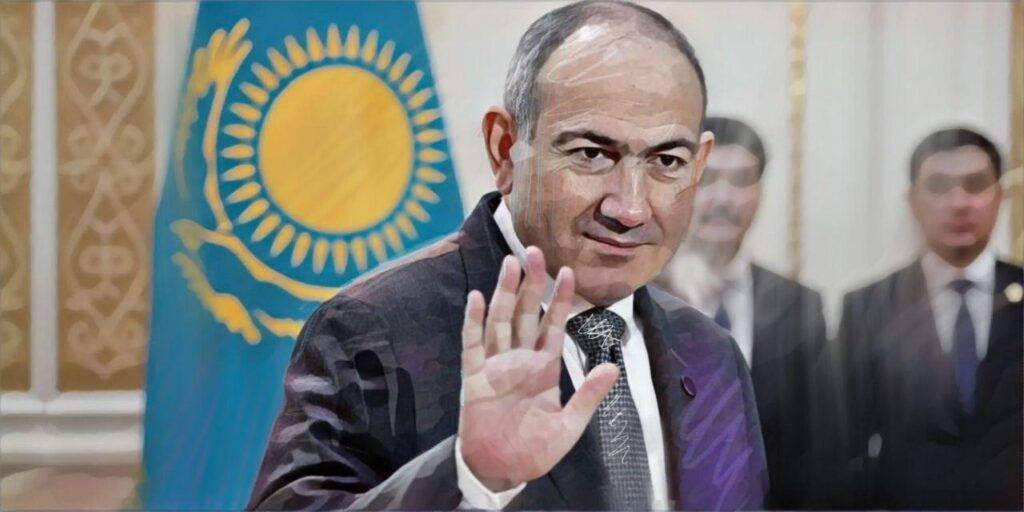
Kazakhstan and Armenia have upgraded their relations to a strategic partnership after high-level talks between President Kassym-Jomart Tokayev and Prime Minister Nikol Pashinyan in Astana on 21 November. The decision was sealed in a joint statement and framed as the start of a new phase in cooperation between the two Eurasian partners. During the official visit, the two sides exchanged 15 intergovernmental and interagency documents. These cover the protection of classified information, land for diplomatic missions, a trade and economic roadmap for 2026–2030, and cooperation in industry, agriculture, healthcare, science, education, digitalization, and the peaceful use of atomic energy, as well as new links between national museums, libraries, and film institutions. A Kazakhstan–Armenia Business Council was also created to bring companies into the process. Tokayev underlined the political meaning of the upgrade, stating that an “open and trusting political dialogue has been established between Astana and Yerevan at all levels. Interstate ties are truly constructive, with significant potential for their comprehensive strengthening and expansion.” Pashinyan, meanwhile, stressed the human dimension, noting that “we respect the Kazakh people, and this respect is the foundation for the further development of bilateral relations.” Their meeting builds on Tokayev’s official visit to Yerevan in April 2024, when the two governments first drew a roadmap for closer ties. Symbolism played a significant role in the visit, with Tokayev awarding Pashinyan the Order of Altyn Qyran (Golden Eagle), Kazakhstan’s highest state honor, in recognition of his role in Armenia’s development, regional peace efforts, and bilateral relations. This year, Yerevan has hosted the Days of Kazakhstan Culture and opened a park named after the Kazakh poet, Abai, while Kazakhstan has promoted Armenia’s cultural presence at events and academic centers, helping anchor the relationship beyond government channels. [caption id="attachment_39747" align="aligncenter" width="900"] Image: Akorda.kz[/caption] The strategic label is the high point of more than three decades of diplomatic relations. Armenia and Kazakhstan first established ties in August 1992, and shortly opened embassies in each other’s capitals. A Treaty of Friendship and Cooperation was signed in Astana in September 1999. Both are members of the Eurasian Economic Union and the Collective Security Treaty Organization, which lends their interaction a dense multilateral framework. Now, trade and connectivity are catching up with political rhetoric, with both sides eyeing room to expand. According to Armenia’s economy minister, bilateral trade reached $104 million in 2023, up 2.4 times from 2020, with Armenian exports making up more than two-thirds of the total. Kazakh figures, meanwhile, show mutual trade rising but still at a modest $53.1 million by the end of 2023, partly due to the lack of rail links and past transit restrictions in the South Caucasus. Those obstacles, however, are beginning to ease. In October, Azerbaijani President Ilham Aliyev lifted restrictions on transit to Armenia, which allowed the first shipment of 1,000 tons of Kazakh wheat to reach Armenian markets via Azerbaijani territory in November. Kazakhstan and Armenia also plan to launch direct air links and expand air cargo, a step Tokayev has called...

Kazakhstan vs Eni: How a Swiss Lawsuit Could Reshape the $160 Billion Kashagan Dispute

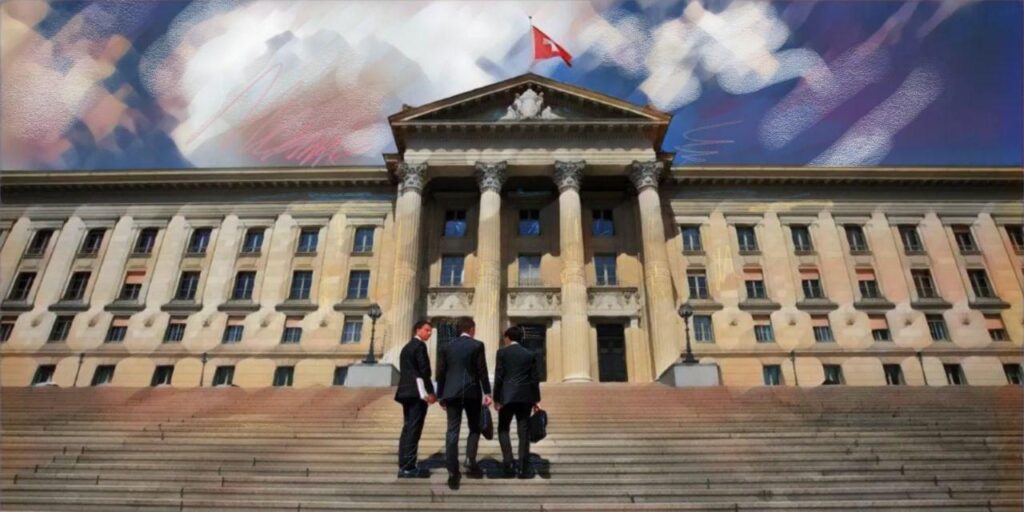
The legal landscape surrounding Kazakhstan’s energy sector has taken an unexpected turn. What began as a closed commercial arbitration dispute has now entered the public sphere in Switzerland’s courts. This marks a significant escalation in Astana’s confrontation with international oil and gas majors. According to Bloomberg, PSA LLP, a structure representing Kazakhstan’s interests in production-sharing agreements (PSAs), has significantly broadened its claims. The lawsuit now directly targets alleged schemes involving units and executives of the Italian company Eni. Kazakhstan alleges that during the early development of Kashagan infrastructure, including the Bolashak processing plant and pipeline systems, corruption and fraud may have occurred. Arbitration claims against the NCOC consortium, which includes Shell, ExxonMobil, TotalEnergies, and Eni, exceed $150 billion. Within this context, the Swiss case has become the most sensitive element. The Swiss case itself is much smaller – $15 million plus interest – and is being used to gather evidence and strengthen the larger arbitration case. While the financial stakes are high, the proceedings reflect a deeper political shift. Kazakhstan is moving away from the 1990s model of offering investors exceptional privileges. Under President Kassym-Jomart Tokayev’s “Fair Kazakhstan” policy, the state is aiming to secure more balanced and equitable cooperation with foreign partners. Distinctiveness of Swiss Proceedings The Swiss case is distinctive due to the nature of its allegations. The plaintiffs claim that during the tenure of Agip KCO (an Eni subsidiary) as project operator, contracts were awarded amid corrupt practices. Allegations include inflated prices and kickbacks to contractors. Targeting Eni is deliberate. The company led the project during its most troubled phase from 2001 to 2008. Kashagan’s budget swelled during this period, with repeated delays. Following a 2013 gas leak, production was halted for nearly three years. Kazakh officials have long linked Kashagan’s massive cost overruns and technical failures to poor procurement and mismanagement, and the current legal offensive zeroes in on alleged corrupt tenders. Cost estimates rose from a few tens of billions of dollars to around $60 billion, and by 2007, projections for total project costs had reached about $136 billion. Why Switzerland? The selection of the Swiss jurisdiction is strategic. Switzerland’s laws on corruption and financial crimes allow for the prosecution of both corporations and individual executives. Moreover, many entities connected to Kashagan’s operations are registered there. Another factor is the PSA’s stabilization clause, which forbids altering the contract’s terms. However, under international legal norms, if corruption is proven in the contract’s formation, such protections can be voided. This opens the door for Kazakhstan to challenge key financial terms of the agreement. Resource Nationalism 2.0: Legal Strategy Meets Political Logic Astana’s current posture can be described as a form of “new-generation resource nationalism.” Rather than using administrative leverage, the state is deploying legal tools to address grievances. This is driven in part by Kazakhstan’s fiscal needs, ranging from infrastructure upgrades to social spending. Amid these pressures, the vast expenditures reported by Kashagan operators have drawn public skepticism. Kazakhstan’s claims aim to re-evaluate the cost recovery model...

Food Conditions in the Turkmenistan Army Under Scrutiny

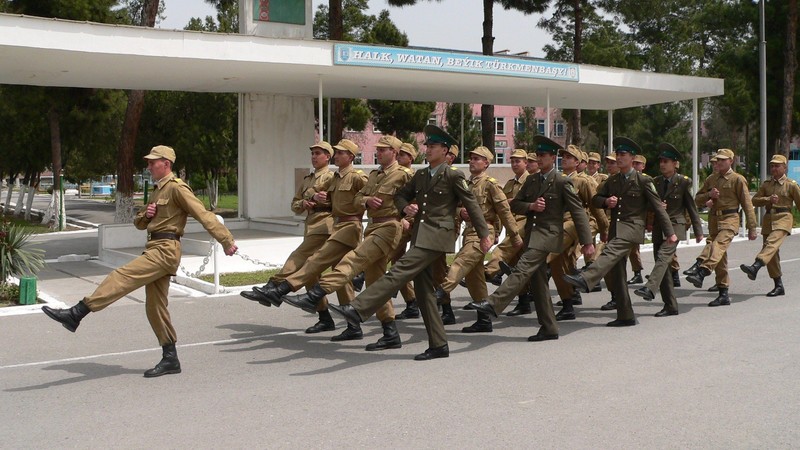
Conscripts returning from military service in Turkmenistan have reported severe food shortages, stark inequality between soldiers and officers, and institutional indifference. Against a backdrop of chronic malnutrition, instances of illness, interpersonal conflict, and even fatalities have been documented. According to former soldiers, food rations in the Turkmen armed forces are grossly inadequate and fall far short of nutritional standards. Daily meals typically consist of boiled pumpkin, stewed cabbage, beets, and rice porridge for breakfast and dinner. Lunch includes a thin soup reportedly containing only "pieces of carrot" and little else. Bread quality is a major concern. Flatbread made from locally sourced flour is often undercooked, forcing conscripts to eat it half-raw, leading to widespread gastrointestinal issues. Meanwhile, soldiers from wealthier families reportedly fare much better. Their relatives send money, which conscripts use to pay canteen cooks for preferential treatment. These soldiers are served separately, receiving meat dishes, salads, fruit, soft drinks, and properly baked bread. In some regions, such as the Balkan region, entrepreneurs have been officially allowed to open cafes near military checkpoints. There, soldiers can purchase rice, samsa, and other local dishes, funded either by family support or their own limited savings. One tragic incident occurred this summer at a base in the Balkan region. A fight broke out outside the canteen when a soldier from a well-off family refused to share his meal. The altercation escalated, ending in the death of one private and a lengthy prison sentence for the other. Discontent is also reportedly growing among officers. Despite earning relatively high salaries for the region, between $860 and $1,140 per month, many do not receive housing, forcing their families to pay substantial rents, which significantly reduces their disposable income. Graduates of the Ministry of Defense’s Military Institute are required to serve a minimum of five years before becoming eligible for discharge. However, approval for resignation remains at the discretion of the command, and with ongoing personnel shortages, such requests are frequently denied.