• KGS/USD = 0.01144 0%
  • KZT/USD = 0.00216 0%
  • TJS/USD = 0.10663 0%
  • UZS/USD = 0.00008 0%
  • TMT/USD = 0.28530 0%
  • KGS/USD = 0.01144 0%
  • KZT/USD = 0.00216 0%
  • TJS/USD = 0.10663 0%
  • UZS/USD = 0.00008 0%
  • TMT/USD = 0.28530 0%
  • KGS/USD = 0.01144 0%
  • KZT/USD = 0.00216 0%
  • TJS/USD = 0.10663 0%
  • UZS/USD = 0.00008 0%
  • TMT/USD = 0.28530 0%
  • KGS/USD = 0.01144 0%
  • KZT/USD = 0.00216 0%
  • TJS/USD = 0.10663 0%
  • UZS/USD = 0.00008 0%
  • TMT/USD = 0.28530 0%
  • KGS/USD = 0.01144 0%
  • KZT/USD = 0.00216 0%
  • TJS/USD = 0.10663 0%
  • UZS/USD = 0.00008 0%
  • TMT/USD = 0.28530 0%
  • KGS/USD = 0.01144 0%
  • KZT/USD = 0.00216 0%
  • TJS/USD = 0.10663 0%
  • UZS/USD = 0.00008 0%
  • TMT/USD = 0.28530 0%
  • KGS/USD = 0.01144 0%
  • KZT/USD = 0.00216 0%
  • TJS/USD = 0.10663 0%
  • UZS/USD = 0.00008 0%
  • TMT/USD = 0.28530 0%
  • KGS/USD = 0.01144 0%
  • KZT/USD = 0.00216 0%
  • TJS/USD = 0.10663 0%
  • UZS/USD = 0.00008 0%
  • TMT/USD = 0.28530 0%

Viewing results 1201 - 1206 of 2492

Politicians Discuss the Impact of Afghan Military Aircraft Remaining in Uzbekistan

The Times of Central Asia previously reported that when the Taliban seized power in August 2021, 22 military aircraft and 24 helicopters of the Afghan military crossed into Uzbekistan’s airspace. US Ambassador to Uzbekistan Jonathan Henick reported that the US and Uzbekistan had officially agreed that fighter jets and military helicopters will remain in Uzbekistan, whilst The Ministry of National Defense of the Islamic Emirate of Afghanistan, in turn, stated that “Any deal regarding the fate of Afghanistan’s helicopters and planes in Uzbekistan is unacceptable.” Dr. Davud Azami, an expert on international politics and security issues, commented: “Until the normalization of bilateral relations, the US will not hand over this aviation equipment to the Taliban, but this is unlikely to happen soon. This makes the matter more complicated.” Regarding the Taliban government’s demand for the return of the equipment to Afghanistan, he explained:  “The Taliban wants to strengthen its Air Force with these planes, especially helicopters. They also want to use the aircraft for humanitarian and rescue operations, especially during natural disasters like floods and earthquakes. Because buying such planes and helicopters requires money and a partner to sell them, the Taliban is at a huge disadvantage.” Azami stated that the Taliban is waiting for a “favorable opportunity” to exert more pressure on Uzbekistan, and added that the two sides will continue improving their relations despite disagreements over aircraft and helicopters. According to another BBC Uzbekistan interviewee, Uzbek political analyst Farhod Tolipov, this recent Taliban statement is flexible, and referenced the warning of the Taliban's interim Defense Minister that the countries who provided the military aircraft will suffer harmful consequences if the units are not returned. “The Taliban responded by using the phrase ‘good neighborliness’ in the sense that they should not break cooperation. That's why I think that based on what they said, the issue should not take a sharp turn. Because now, neither Afghanistan itself nor its government has become a superpower, and its economy, which is in crisis, needs to be developed. No country in the world has yet recognized them; many problems are ahead. That's why, in my opinion, the probability that they will be obsessed with this one problem is not very high,” said Tolipov. The analyst also expressed his opinion on the construction of the Qoshtepa Canal: “If this project is left unchecked and implemented unilaterally, the environmental consequences will harm Afghanistan itself. Environmental consequences and tragedies know no bounds. It will not be a tragedy for Uzbekistan alone, but also, potentially, for Afghanistan. Therefore, -given an understanding of the risks involved- they should continue work on the project,  in coordination, of course, with Uzbekistan, Turkmenistan, and Tajikistan.” Recommendations from Daniel Runde, a Senior Vice President at the Center for Strategic and International Studies (CSIS), on strengthening the USA's relations with Uzbekistan, appeared in previous report by The Times of Central Asia.
Sri Lanka Explores Deepening Ties with Central Asia

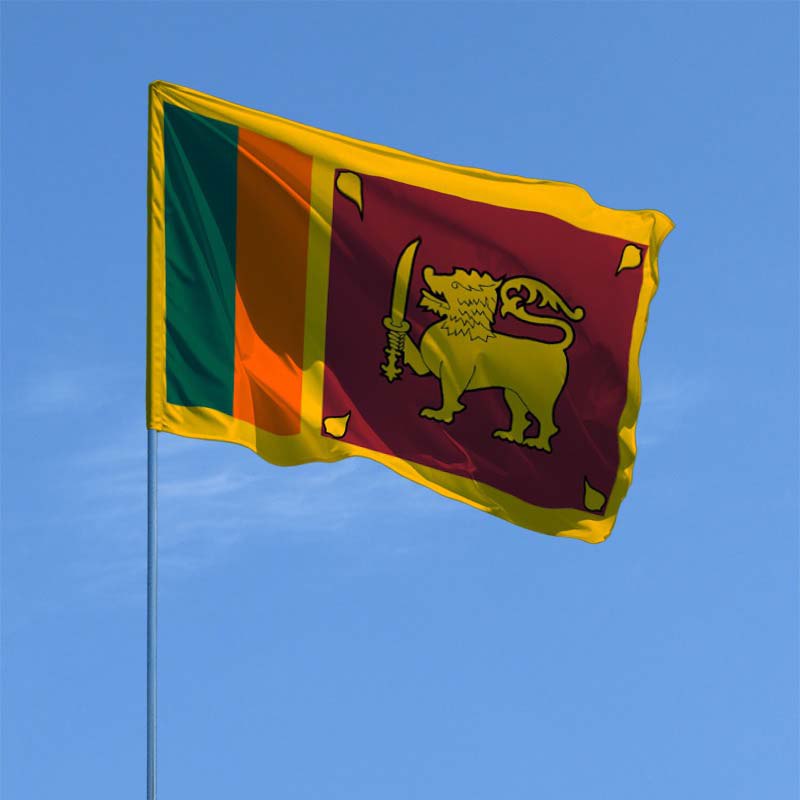
The Diplomat writes that on August 21, the Ministry of Foreign Affairs in Sri Lanka and The Geopolitical Cartographer, a Colombo-based think tank, organized a forum on Central Asia. Colombo has been eyeing Central Asia for quite some time and between 2011 and 2021, sent delegations to Uzbekistan and Kazakhstan. Apart from helping strengthen diplomatic ties, little else followed. The recent consultations mark a new phase in Sri Lanka’s relations with the region. Amid the war in Ukraine and rising tensions in the Middle East and Eurasia, both Sri Lanka and Central Asia are adjusting their foreign policies, and all five Central Asian states are balancing their positions, avoiding outright support for Russia while trying not to upset Moscow. “Given the many parallels in the foreign policies of Central Asia and South Asia, particularly India, does Sri Lanka’s Central Asia gambit make sense? Sri Lanka and Central Asia - seem to be placed in a positive conjuncture, a crossroads in their histories, that has made a strategic alliance both feasible and plausible,” reported Uditha Devapriya, author of the article. At the August meeting, Sri Lankan Foreign Ministry official Sashikala Premawardhane drew attention to critical issues in relations with Central Asia, particularly trade. Sri Lanka’s trade with the region is modest. Between 2011 and 2020, exports to Central Asia only twice exceeded $20 million and surpassed $10 million with a single country just once, in 2014 with Uzbekistan . In contrast, Sri Lanka imported $21 million of goods from Uzbekistan in 2015 alone. P. K. Balachandran, an Indian foreign policy analyst based in Colombo, contends that Sri Lanka needs to stabilize its relations with neighboring South Asian countries, particularly India, before it can consider Central Asia. Rathindra Kuruwita, a Sri Lankan foreign policy commentator and a regular contributor to The Diplomat, voiced his agreement, stating, “India is engaging more constructively with the [Central Asia] region. Whether Sri Lanka can match Delhi’s clout and influence is a big question and at best, highly debatable.” So, how can this island strengthen its relations with the region? Bilateral trade and diplomatic ties are important, but should be complemented by other strategies. One potential avenue could be sport. Central Asia and Sri Lanka share a platform for volleyball, Sri Lanka’s national sport and February 2022, Sri Lanka hosted the Central Asian Volleyball Association. While cultural exchanges can’t replace economic ties, sports like volleyball and Elle (similar to baseball) attract young, open-minded people and according to Pasindu Nimsara Thennakoon, a school volleyball player from Ratnapura, offer a cost-effective way to connect with other regions. Another obvious, if challenging, route to strengthening ties is through Central Asia’s outreach to South Asia: India. Multilateral platforms like the SCO also offer opportunities, albeit dominated by China, Russia, and India, but Sri Lanka’s relationship with India, which has had its share of controversies, entered a new phase after the 2022 crisis. Central Asia is considering energy connections with India. Still, given the backlash, such as the lawsuit against Adani Group’s...

Azerbaijan and Uzbekistan Collaborate to Construct Ferries

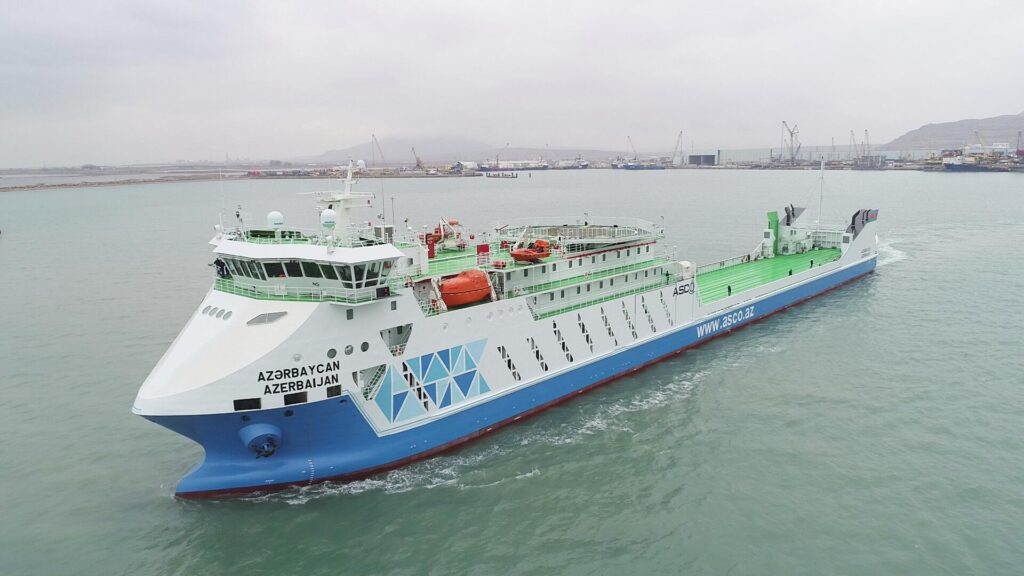
Azerbaijan and Uzbekistan plan to cooperate on the construction of ferries. These ferries will be provided for Uzbekistan's needs, and the project will cost $150 million. Several measures are being suggested to expand the countries' cooperation in the transport and transit sectors. The joint construction of warehouse infrastructure is being mooted, as well as the creation of a joint venture to further develop transportation along the Trans-Caspian route. The Times of Central Asia previously wrote about the Uzbekistan-Azerbaijan business forum that was held in Tashkent on August 22. As a result of the forum, a portfolio of projects worth $2 billion was formed in energy, chemistry, mining, textile, agriculture, urban development, and other areas. Also, on May 1 this year, the energy ministers of Azerbaijan, Kazakhstan, and Uzbekistan met in Tashkent and signed a memorandum of cooperation to connect their countries' energy networks. The initiative's main goal is to study the means of connecting energy systems through a high-voltage cable installed in the Caspian Sea to export green energy from Azerbaijan, Kazakhstan, and Uzbekistan to countries of the European Union.

Chinese Modernizing Two Power Units at Bishkek Heating Plant

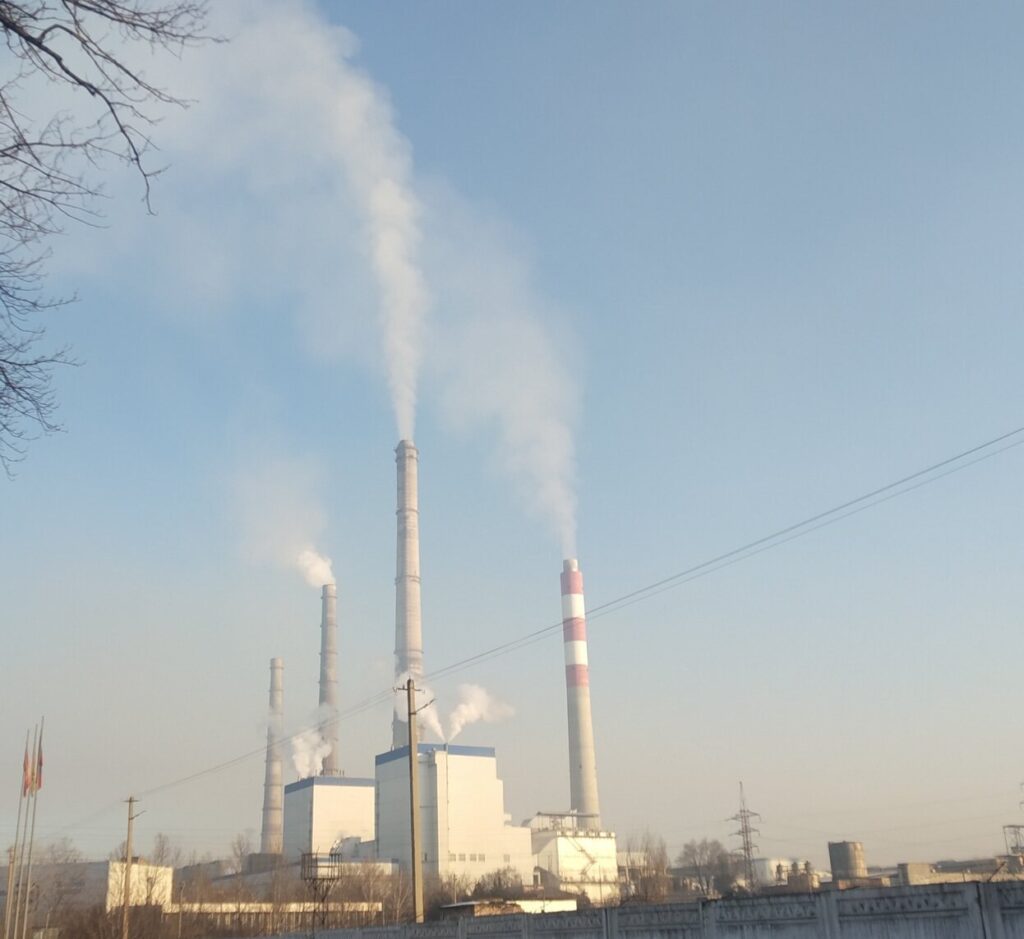
Since July, some 350 specialists from China’s Tebian Electric Apparatus Stock Co. Ltd. (TBEA) have been carrying out a full overhaul of two power generating units at the Bishkek Thermal Power Plant (TPP), Taalaibek Baigaziyev, Deputy Mayor of Bishkek for Energy Issues, told Birinchi Radio. The Bishkek TPP generates 13% of all electricity produced in Kyrgyzstan (with the rest generated by hydropower plants) and provides heat and hot water to almost two-thirds of the capital. TBEA built the two power units that are currently under repair as part of the Bishkek TPP modernization that commenced in 2014. Following a loan agreement between China’s Export-Import Bank and the Kyrgyz government in 2013, TBEA was granted the contract and modernized the plant for $386 million. According to Baigaziyev, these two Chinese power units were commissioned in 2017 and were not repaired until this July. In past winters, they worked with a maximum load of 210 megawatts. This winter, their capacity is planned to increase to 300 megawatts. The Bishkek TPP has seen two significant accidents in recent years. One accident occurred in January 2018, when the plant’s breakdown left the city without heating for three days amid freezing air temperatures. The most recent accident happened on February 2 of this year, in the old part of the power plant that the Chinese did not modernize. An explosion at the plant seriously injured three people. It caused the plant’s breakdown, forcing authorities to declare hot water and heating restrictions in some parts of the city as the plant’s staff worked to repair the damage. Following the accident, Kyrgyzstan’s president Sadyr Japarov ordered the complete modernization of the aging thermal power plant.

Uzbekistan Joins ICCROM as 138th Member for Cultural Heritage Preservation

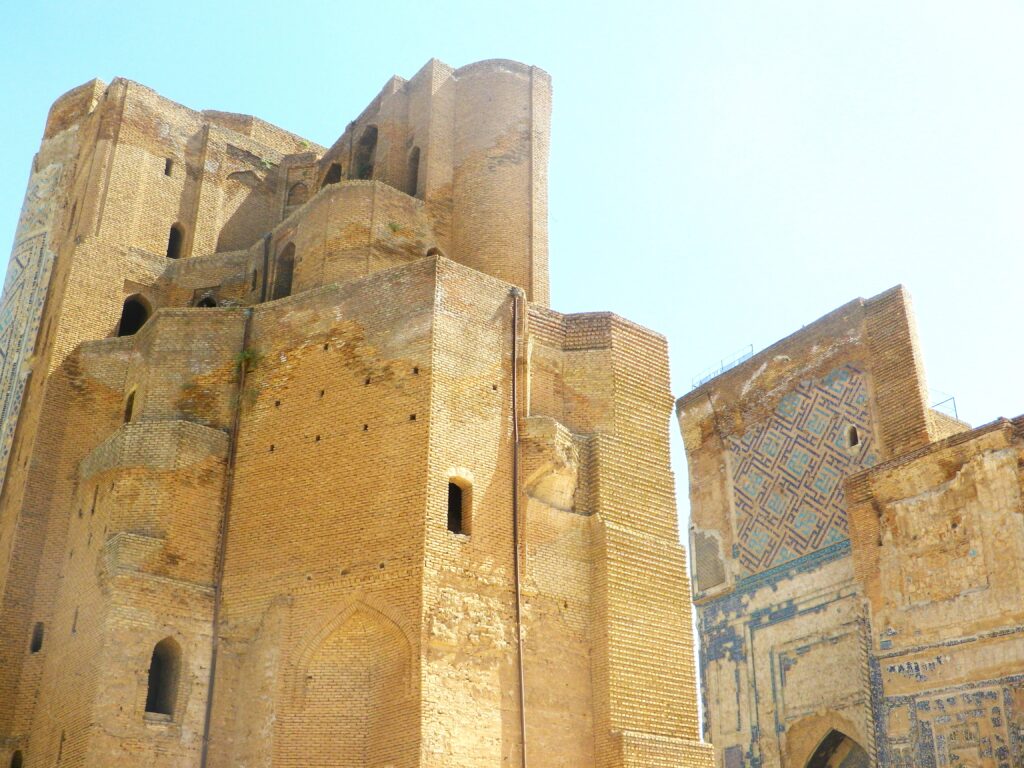
Uzbekistan has become the 138th member state of the International Centre for the Study of the Preservation and Restoration of Cultural Property (ICCROM), an intergovernmental organization that serves its member states by promoting the conservation of all forms of cultural heritage, the institution's website has reported. “Uzbekistan is home to several UNESCO World Heritage Sites, including the historical centers of Bukhara and Shakhrishabz, renowned for their exceptional Timurid monuments; the unique urban compositions of Itchan Kala in the inner fortress of Khiva; and the historic city of Samarkand," the report from ICCROM states. "The Zarafshan-Karakum Corridor of the Silk Roads and the Cold Winter Deserts of Turan, both transnational sites, illustrate Uzbekistan’s strategic role in ancient trade routes and showcase a diverse and resilient natural landscape across Central Asia. Additionally, Uzbekistan’s intangible heritage, expressed through traditional knowledge, crafts, and ways of life, further illustrates its invaluable historical contributions." “Uzbekistan’s membership will not only strengthen relationships with institutions in Uzbekistan, but will also allow us to have a greater impact on the ground in the whole of Central Asia,” ICCROM’s Director-General, Aruna Francesca Maria Gujral, stated. “Together, we can ensure that Uzbekistan’s invaluable heritage is maintained and celebrated, propelling longer-term sustainability for our people, communities, and planet. Investing in capacity building is the most effective way to conserve our heritage today while ensuring an enduring legacy for future generations. Engaging youth in cultural conservation, preservation, and celebration ensures the transmission of knowledge and inspires creative approaches to conservation linked to sustainable development,” Gujral emphasized.

Tajikistan Bans Corporal Punishment for Children

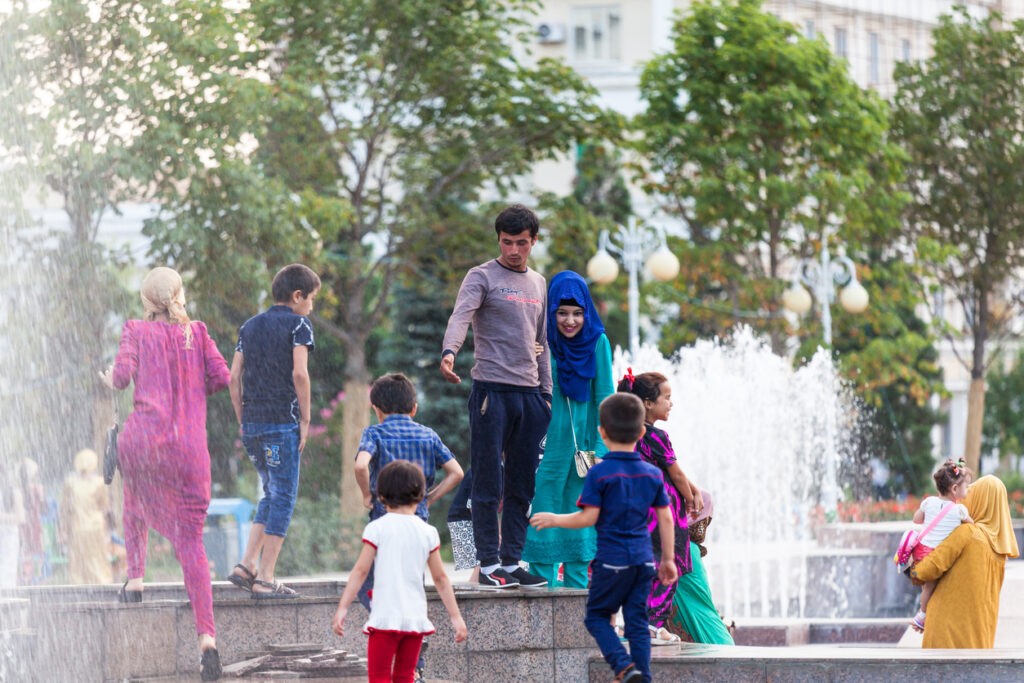
Tajikistan has become the 67th country to ban corporal punishment of children. This law, enacted in June, protects the country's 4 million children from any violent discipline at home or school. “These new policy changes represent a remarkable advancement in child protection in Tajikistan and demonstrate the Government’s strong commitment to respecting children's dignity and physical integrity. The legislative changes are a major step forward. Still, much work remains to ensure that these measures lead to positive change in every child’s life,” said Arthur van Diesen, UNICEF Representative for Tajikistan. Corporal punishment affects approximately 330 million children worldwide, and has severe consequences for their health, development, and emotional wellbeing. This can impair the development of the brain and nervous system, leading to long-term behavioral and mental health problems. The economic cost of child abuse is $7 trillion a year, or about 8% of global GDP. Tajikistan will take part in the upcoming Global Ministerial Conference on Ending Violence against Children, which will be held on November 7-8, in Bogota, Colombia.