• KGS/USD = 0.01144 0%
  • KZT/USD = 0.00208 0%
  • TJS/USD = 0.10463 0%
  • UZS/USD = 0.00008 0%
  • TMT/USD = 0.28490 0%
  • KGS/USD = 0.01144 0%
  • KZT/USD = 0.00208 0%
  • TJS/USD = 0.10463 0%
  • UZS/USD = 0.00008 0%
  • TMT/USD = 0.28490 0%
  • KGS/USD = 0.01144 0%
  • KZT/USD = 0.00208 0%
  • TJS/USD = 0.10463 0%
  • UZS/USD = 0.00008 0%
  • TMT/USD = 0.28490 0%
  • KGS/USD = 0.01144 0%
  • KZT/USD = 0.00208 0%
  • TJS/USD = 0.10463 0%
  • UZS/USD = 0.00008 0%
  • TMT/USD = 0.28490 0%
  • KGS/USD = 0.01144 0%
  • KZT/USD = 0.00208 0%
  • TJS/USD = 0.10463 0%
  • UZS/USD = 0.00008 0%
  • TMT/USD = 0.28490 0%
  • KGS/USD = 0.01144 0%
  • KZT/USD = 0.00208 0%
  • TJS/USD = 0.10463 0%
  • UZS/USD = 0.00008 0%
  • TMT/USD = 0.28490 0%
  • KGS/USD = 0.01144 0%
  • KZT/USD = 0.00208 0%
  • TJS/USD = 0.10463 0%
  • UZS/USD = 0.00008 0%
  • TMT/USD = 0.28490 0%
  • KGS/USD = 0.01144 0%
  • KZT/USD = 0.00208 0%
  • TJS/USD = 0.10463 0%
  • UZS/USD = 0.00008 0%
  • TMT/USD = 0.28490 0%

Viewing results 391 - 396 of 687

Doctors in Turkmenistan Ordered Not To Perform Abortions

Turkmenistan has imposed severe restrictions on conducting abortions, effectively banning them. In recent weeks, government officials have been visiting hospitals and clinics, and warning doctors that they will be stripped of their diplomas if they do. According to Radio Azatlyk, sources from different regions of the country say that doctors have been forced to refuse women seeking abortions, even though the law allows it within the first five weeks of pregnancy. The authorities have not commented on the reasons for yet another tightening of measures to prevent abortions. However, according to several doctors in Ashgabat, it may be due to a sharp increase in teenage pregnancies. At the same time, doctors note that many young girls, unable to have a legal abortion, resort to dangerous methods of terminating pregnancy, resulting in serious risks to their health. Despite the bans, there are still doctors who continue to perform abortions clandestinely. The cost of such services has increased significantly, and varies depending on the term of the pregnancy.

New York NGO Calls on Tajik Authorities to Release Journalist Ahmad Ibrohim

The New York-based press freedom NGO the Committee to Protect Journalists (CPJ) has called on the Tajik authorities to release journalist Ahmad Ibrohim. Ibrohim is the founder and editor-in-chief of Paiq, the only independent newspaper in Tajikistan's Khatlon region. According to Radio Ozodi sources, Ibrohim was detained on August 12. CPJ expressed concern that his arrest underscores the dangers journalists in Tajikistan face. CPJ's Program Coordinator for Europe and Central Asia, Gulnoza Said, said Tajik authorities should release Ibrohim and seven other journalists imprisoned for their professional activities, and ensure media freedom. Officials have not yet provided information about Ibrohim's detention, and his relatives refuse to comment. However, a source in the security services said that a criminal case had been opened against him under Article 320 of the Criminal Code (bribery), allegedly for attempting to bribe a government official to extend Paiq's registration. This is not the first instance of government pressure on Paiq. In 2014, the regional prosecutor's office stopped the newspaper from operating, citing problems with renewing its registration. Despite this, Ahmad Ibrohim continued to work, remaining one of the few independent journalists in the region.

Central Asians Beaten and Deported from Russia

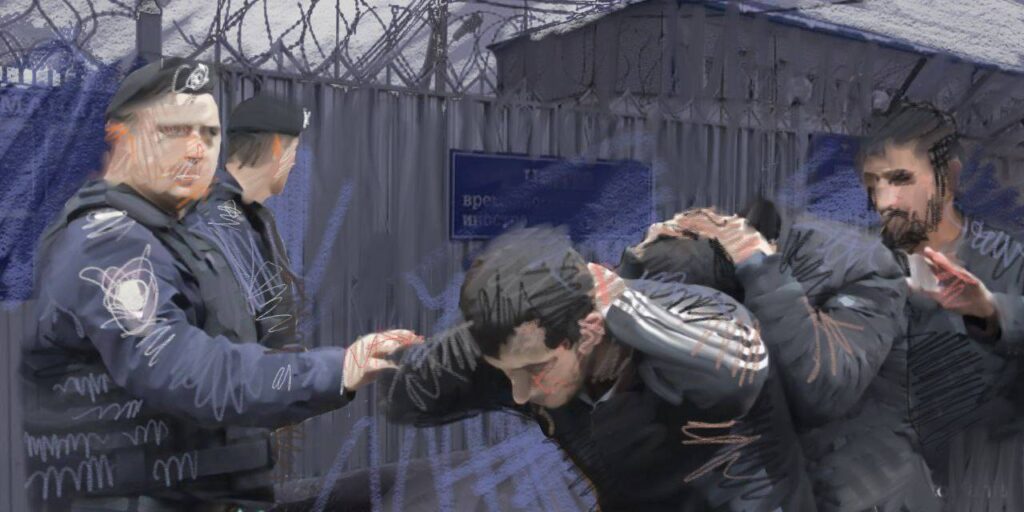
The punishment for many Central Asians in Russia whose work or residency documents are not in order is pain and humiliation, and then possibly deportation. Xenophobia targeting Central Asians in Russia has been on the rise since the March 22 terrorist attack on Moscow’s Crocus City Hall that left more than 140 people dead. Russian authorities apprehended a group of ethnic Tajiks who allegedly carried out the attack and after that the level of prejudice against Central Asians in Russia, which has always existed, dramatically worsened. The treatment of Central Asians at the Sakharovo migration center on the outskirts of Moscow is an example. Moscow courts are likely to send Central Asians caught with document problems to the Sakharovo center. Radio Free Europe’s Kyrgyz Service interviewed several people who passed through the Sakharovo center. Their descriptions shed light on the conditions inside. One man who spent 18 days in the center said, “The day we entered there, they intimidated us, forced us to walk in single file, run fast… then they examined us and beat us with a stun gun.” That jibes with another man’s description. “They call your last name, then you go out into the corridor and run. There they hit you on the back of the head and tell you to ‘run.’” Then, the man continued, “They made me face the wall, forced me to raise my arms up, spread my legs, and started hitting me with a stun gun.” There is an anti-Islamic element to the treatment of detainees at Sakharovo. A different person remembered this about his detention. “They fed us food with pork. Since we were hungry, we removed the meat and ate what was left.” He said there were some people who recited their daily prayers in their rooms. “When one guy was saying namaz, the guards entered. Then one of them (the guards) hit him in the face twice.” When the person continued saying his prayers, the guards said, “Let him go to Kyrgyzstan, Tajikistan, Uzbekistan, and read his prayer there.” Some of the detainees with beards were forcibly shaved. Batygul Moldobayeva is from Kyrgyzstan. She was detained in Moscow this summer with an expired work permit and sent to Sakharovo. Moldobayeva said the guards yelled at women detainees and were rude to them. She added that sometimes the guards “asked them to be their ‘temporary wives.’” Moldobayeva said there were pregnant women in the center, some as far along as six months, and the guards did not pay any attention to their condition. According to Moldobayeva, there were some Kyrgyz citizens at Sakharovo who had been there for three or four months. Askar Uskenbayev is another Kyrgyz citizen who was detained in Moscow in mid-June and sent to Sakharovo. He said he met fellow Kyrgyz citizens who had been there six months. After being deported back to Kyrgyzstan, Moldobayeva posted about her experience on social media and warned Kyrgyz citizens to be sure all their documents were in order if they...

Turkmenistan Requests Deportation of Fifty Activists and Journalists

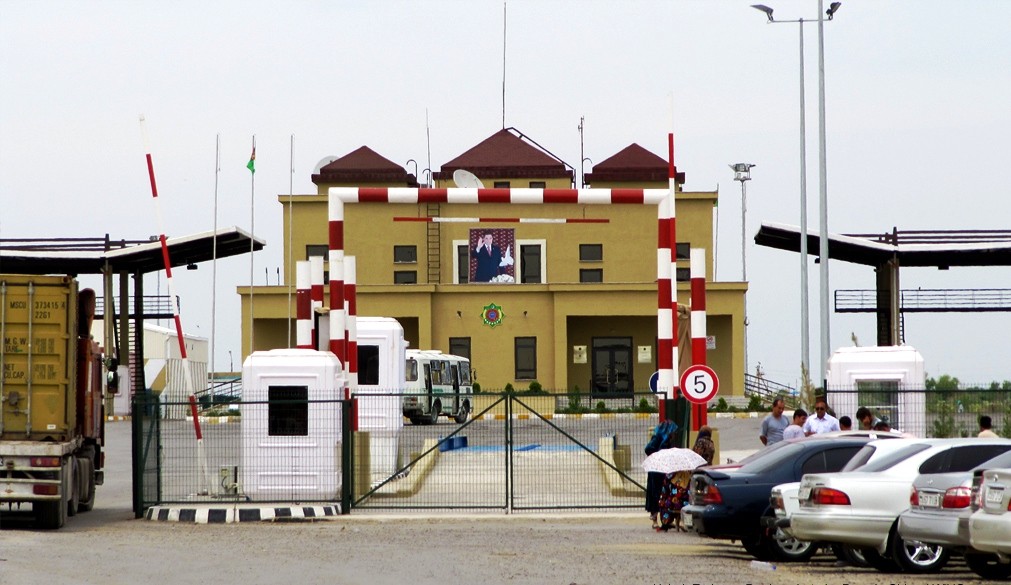
The Chronicles of Turkmenistan reports that Turkmenistan has sent a list to several countries comprising 50 people, asking that they not be permitted to enter their territory, or to have them deported to Turkmenistan. The appeal was sent to Belarus, Russia, Azerbaijan, Kazakhstan, Uzbekistan, Tajikistan, Kyrgyzstan, Turkey, Iran, Moldova, Georgia, and Armenia. According to the authorities, the index lists civil activists, journalists, independent media, and opposition representatives as threatening state security. Turkmenistan has prioritized the return of nine people from this list. It remains to be seen whether the aforementioned foreign countries will execute the Turkmen authorities wishes. However, Turkmen.news journalist Ruslan Myatiev, who went to Turkey on summer vacation with his family on July 25, was not allowed to enter the country. After several hours of interrogation by the Turkish National Security Service, Myatiyev was deported to Turkmenistan. The Times of Central Asia previously reported that the daughter of a Turkmen activist was not allowed to fly to Turkey. This follows on from an increasing number of cases where Turkmen citizens have been removed from flights abroad without explanation; the same thing is reportedly happening when attempting to cross the border by land.

Kyrgyzstan Establishes Center for “Information Security”

Kyrgyzstan has created the Information Environment Research Center (IERC), which will be part of the Ministry of Culture, Information, Sports, and Youth Policy; its main task is to monitor and analyze the country's information space in order to protect citizens' rights and freedoms and prevent the spread of misinformation and inaccurate information. The Center will identify and block illegal content on the internet and in the media and cooperate with the administrations of major social networks such as Facebook, Google, and TikTok. It will monitor compliance with legislation in the information sphere and provide recommendations on improving the information environment in Kyrgyzstan. The establishment of the Center is part of the state strategy to strengthen information security and control the observance of citizens' rights in the media space. Earlier, we reported that a unified TV channel and a regional media platform could appear in Central Asia, which would become important elements in strengthening information security and cultural exchange in the region. This year, Central Asia, and Kazakhstan in particular, has been the subject of swathes on disinformation on the internet. However, independent media in Kyrgyzstan has been the target of repression by the authorities, which UN Special Rapporteurs have denounced.

Nazarbayev’s Nephew Returns $1.6 Billion to Kazakhstan Following Embezzlement Conviction

Kazakhstan's Anti-Corruption Service has completed an investigation into the case of Kairat Satybaldyuly, the nephew of former president Nursultan Nazarbayev. Following the investigation, around 733 billion KZT ($1.6 billion) worth of assets have been returned to the state. In September 2022, Satybaldyuly was sentenced to six years in prison for embezzling funds, and causing damage to companies such as Kazakhtelecom and CTC. In 2023, the investigation was expanded to look into into other crimes that he committed. The full investigation revealed numerous cases of legalization of illegal income and evasion of customs duties. Satybaldyuly pleaded guilty and cooperated with the investigation, allowing the return of assets in Kazakhstan and abroad. Most assets were found in Austria, Liechtenstein, the UAE, and Turkey. The recovered assets included 28.8% of shares of the national telecom operator Kazakhtelecom, assets of CTC JSC, and stakes in four companies. The state has also recovered 115 real estate objects in Kazakhstan, including buildings, apartments, and land plots. The returned assets include luxury real estate and jewellery confiscated in various countries.