• KGS/USD = 0.01144 0%
  • KZT/USD = 0.00210 0%
  • TJS/USD = 0.10553 0.19%
  • UZS/USD = 0.00008 0%
  • TMT/USD = 0.28530 0%
  • KGS/USD = 0.01144 0%
  • KZT/USD = 0.00210 0%
  • TJS/USD = 0.10553 0.19%
  • UZS/USD = 0.00008 0%
  • TMT/USD = 0.28530 0%
  • KGS/USD = 0.01144 0%
  • KZT/USD = 0.00210 0%
  • TJS/USD = 0.10553 0.19%
  • UZS/USD = 0.00008 0%
  • TMT/USD = 0.28530 0%
  • KGS/USD = 0.01144 0%
  • KZT/USD = 0.00210 0%
  • TJS/USD = 0.10553 0.19%
  • UZS/USD = 0.00008 0%
  • TMT/USD = 0.28530 0%
  • KGS/USD = 0.01144 0%
  • KZT/USD = 0.00210 0%
  • TJS/USD = 0.10553 0.19%
  • UZS/USD = 0.00008 0%
  • TMT/USD = 0.28530 0%
  • KGS/USD = 0.01144 0%
  • KZT/USD = 0.00210 0%
  • TJS/USD = 0.10553 0.19%
  • UZS/USD = 0.00008 0%
  • TMT/USD = 0.28530 0%
  • KGS/USD = 0.01144 0%
  • KZT/USD = 0.00210 0%
  • TJS/USD = 0.10553 0.19%
  • UZS/USD = 0.00008 0%
  • TMT/USD = 0.28530 0%
  • KGS/USD = 0.01144 0%
  • KZT/USD = 0.00210 0%
  • TJS/USD = 0.10553 0.19%
  • UZS/USD = 0.00008 0%
  • TMT/USD = 0.28530 0%

Viewing results 679 - 684 of 1576

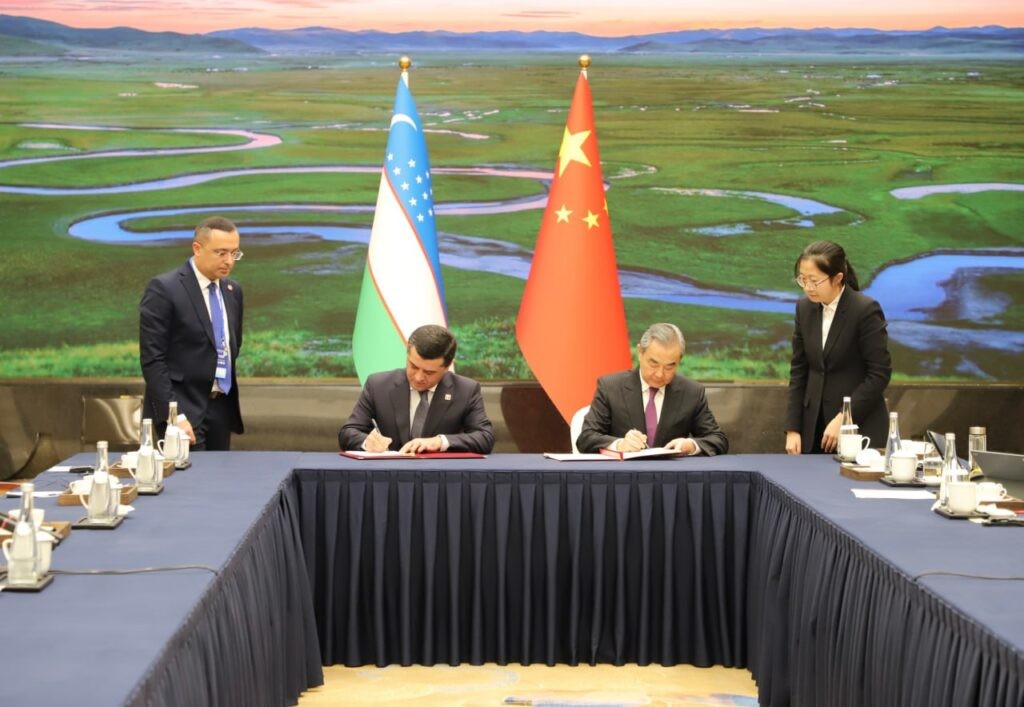
Uzbekistan and China Introduce Visa-Free Regime for 30 Days

The heads of the foreign ministries of Uzbekistan and China have signed an agreement which will allow citizens of both countries to travel without visas for up to 30 days. This was announced by Uzbek Foreign Minister Bakhtiyor Saidov. The document was signed December 1 in Chengdu during a business forum. Saidov emphasized that the agreement will be an important step towards strengthening bilateral ties, and developing trade and cultural exchange between the countries. The initiative to simplify the visa regime was discussed last spring during Uzbek President Shavkat Mirziyoyev's state visit to China. Until now, Uzbeks had to obtain a visa to travel to China, while Chinese citizens from March 2021 could visit Uzbekistan without visas for up to 10 days. The date when the visa-free regime will come into effect will be announced later.

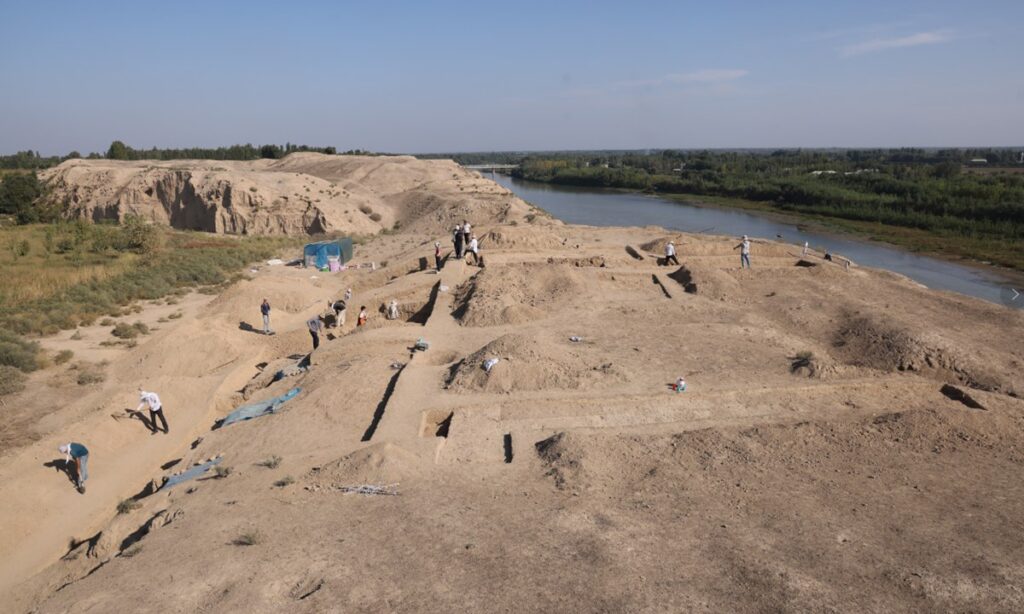
Archaeologists Uncover Rare Silk Road Artifacts in Uzbekistan

A joint archaeological expedition from China and Uzbekistan has made remarkable discoveries at Mengchaktepa, a key Silk Road site located on the northern bank of the Syr Darya River. Known as the “Living Fossil of the Silk Road,” the site has been under investigation by the Chinese Academy of Social Sciences (CASS) and Uzbekistan’s Institute of Archaeology since 2012. The team, led by CASS archaeologist Liu Tao, unearthed seven tombs, two buildings, and numerous artifacts, including silk fabrics, leather goods, bronze mirrors, square-holed coins, and beads. Among the most significant finds are silk fragments, the first such discovery in the region since 1986, which bridges a 40-year gap in the study of ancient silk in the Ferghana Valley. According to Liu, these silk fragments highlight the advanced weaving techniques of antiquity. Abdulhamidjon Anarbayev, a professor at Uzbekistan's National Center for Archaeology, praised the Chinese team’s contributions to advancing Uzbekistan’s field archaeology through modern excavation and preservation methods. He noted that the research underscores the high standards of Chinese archaeology globally. Mengchaktepa holds immense value for studying cultural connections along the Silk Road. Ancient Chinese chronicles from the Qin and Han dynasties (221 BC–220 AD) describe how Zhang Qian, an emissary of the Western Han dynasty, established trade links between China and Central Asia. Through Dayuan, the ancient region corresponding to the modern Ferghana Valley, silk, paper, and Chinese technology reached Europe, while grapes and alfalfa were introduced to China. Excavations at Mengchaktepa have been ongoing since 1986. Early discoveries included nine cave tombs containing well-preserved remains, silk garments, and jewelry from the 5th to 8th centuries. This year, researchers are focusing on the necropolis’s scope, tomb structures, and their artifacts, with special attention to preserving organic materials like silk, leather, and reeds for laboratory analysis. Liu explained that the findings provide new insights into the region’s early medieval funerary practices, belief systems, and architectural traditions. Artifacts such as Han-style objects and relics linked to Zoroastrianism affirm Mengchaktepa’s pivotal role in East-West cultural exchanges along the Silk Road.

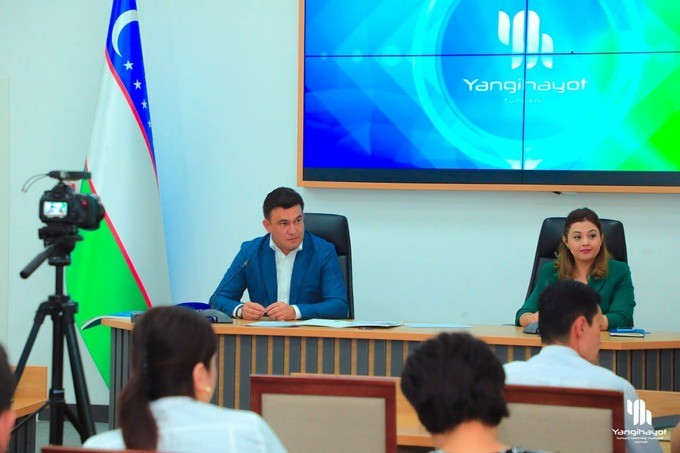
New Project in Tashkent Offers Free Housing to Residents of Wooden Homes

Residents of wooden houses in Yangikhayot will be relocated to new apartments, and an arboretum will be created in their place. Residents of wooden two-story houses in Tashkent's Yangikhayot district will be relocated to the Yangi Mahalla residential complex in two to three years, with families receiving free accommodation in the new complex. The project, the cost of which is estimated at 1.5 trillion-som ($117 million), will affect 409 wooden houses in the Yuldosh (Sputnik) massif, where more than 21,000 people reside. The resettlement will affect 4,341 families, who will be relocated to modern apartment buildings in Gulshanobod mahalla. The project includes the resettlement of residents and landscaping, Yangikhayot District Hokim (head of the local executive authority), Hayot Inogamov and Tashkent Invest Chairman, Bakhrom Shokirov told a November 28 news conference. An arboretum surrounded by perennial trees will replace the old wooden houses. Tashkent Invest developed the resettlement program with the support of the hokimiyat and district administration. The company itself will not participate in the construction of the new houses, but will act as an intermediary between the state and construction organizations, overseeing the fulfillment of the social obligations of investors, and ensuring resettlement of the families. This project will not only improve the living conditions of thousands of residents, but will be an important step towards improving the environmental situation in the neighborhood by creating a new park on the site of the outdated development.

Turkmen Scientists Acquire Over 100 Rare Manuscripts from the UK

Researchers from the Institute of Language, Literature, and National Manuscripts at the Academy of Sciences of Turkmenistan have returned from the United Kingdom with 107 electronic copies of valuable manuscripts. These acquisitions enrich the collection of historical materials documenting the cultural heritage of the Turkmen people. From November 2 to 23, researchers Amandurdy Nuraev and Guichmyrat Changliyev conducted studies at two of the UK’s most renowned repositories: the British Library in London and the John Rylands Research Institute and Library in Manchester. These archives house extensive collections of historical documents, including rare manuscripts with significant relevance to Turkmenistan’s history and culture. The expedition culminated in the transfer of electronic copies of key documents to Turkmenistan. Among the manuscripts are works by prominent authors such as Makhtumkuli Fraghi, Alisher Navoi, Fizuli, and Hussein Baygara, along with other renowned oriental poets and scholars. Special emphasis was placed on uncovering works previously unknown to the Turkmen academic community. In addition to literary compositions, the manuscripts provide unique insights into the history and traditions of the Turkmen people. These materials offer new opportunities for studying the heritage of Makhtumkuli Fraghi, a celebrated figure and symbol of Turkmenistan’s national culture. This significant achievement enhances the preservation and understanding of Turkmenistan’s rich literary and historical legacy, contributing to broader academic and cultural exploration.

Kazakhstan Sees 50% Surge in Chinese Tourism During Landmark Year of Collaboration

The Year of Kazakhstan Tourism in China concluded on November 27 with a closing ceremony in Almaty, attended by over 300 representatives from the tourism sectors of both countries. The initiative, officially launched in Beijing on March 28–29, aimed to foster greater connectivity between Kazakhstan and China while encouraging mutual cultural and economic exchange. It also facilitated stronger partnerships among tourism industry stakeholders from both nations. Deputy Minister of Tourism and Sports of Kazakhstan, Yerzhan Yerkinbayev, highlighted the year’s success: “This year was marked by a significant expansion of cooperation between Kazakhstan and China in the field of tourism. The tourist flow between our countries demonstrated significant growth, which once again emphasizes that we are united not only by good neighborliness but also by a common desire for mutual understanding and cultural exchange.” According to Kazakhstan’s Border Service, the number of trips by Kazakhs to China increased by 31% in 2024, while visits by Chinese tourists to Kazakhstan rose by 50%. Data from Kazakhstan’s National Bureau of Statistics reveals that 566,500 foreign tourists visited Kazakhstan between January and June 2024. Among these, Chinese tourists were the second-largest group, totaling 69,918. Visitors from Russia topped the list at 186,100, followed by tourists from India (53,695), Turkey (30,312), and the United States (19,597). The Year of Kazakhstan Tourism in China attracted substantial media attention. Chinese media corporations extensively covered Kazakhstan’s tourism potential, achieving an overall media indicator of 1.8 billion views. Posts about Kazakhstan on social media platforms reached 160 million users, significantly boosting the country’s visibility in China. Building on this momentum, the governments of Kazakhstan and China have designated 2025 as the Year of China Tourism in Kazakhstan. Additionally, an agreement on mutual visa-free travel came into effect in November 2023. Under the agreement, citizens of both countries can travel visa-free for up to 30 days per visit, with a maximum of 90 calendar days within a 180-day period. This arrangement applies to tourism, medical treatment, business trips, and transit travel.

The Impact of Korean Culture on Kazakhstan: Personal Stories and Impressions

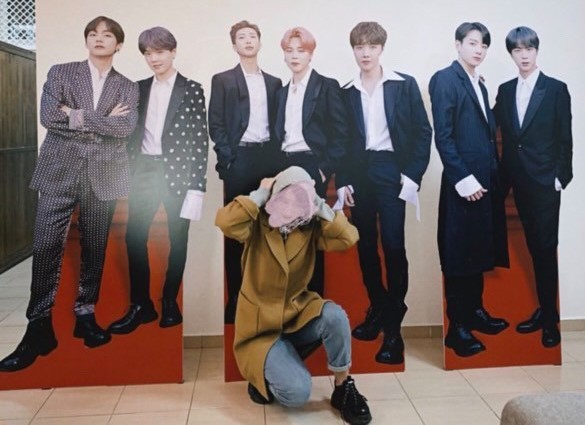
In recent years, Korean culture - including K-pop and doramas (dramas) - has gained incredible popularity in Kazakhstan. It has had a significant impact on young people, offering not only entertainment, but also support, motivation, and new opportunities to socialize and express themselves. To better understand how Korean culture is influencing life in Kazakhstan, TCA talked to young people about their stories and experiences. [caption id="attachment_26045" align="aligncenter" width="585"] Image: TCA[/caption] Alua, 22, computer club administrator For me, as an insecure teenager, K-pop and doramas have been a tremendous support and help in shaping my personality. Songs about self-love, with words of encouragement and motivation give many teens a foothold they often can't get from their environment. The doramas teach us and show us that nothing is impossible, that everything is in our hands. They also show young girls what healthy relationships should look like. That's what I love about Korean culture, the lack of gender boundaries and the promotion of healthy attitudes. I think this kind of influence has a great effect on the youth of Kazakhstan. Doramas are television series produced in South Korea and other Asian countries. They cover a wide range of genres: romance, drama, comedy, sci-fi, historical subjects, and more. Doramas are known for their high-quality productions, plot twists, and colorful characters. [caption id="attachment_26046" align="aligncenter" width="585"] Image by Nastya, from the official BTS film festival in Kino Park, Astana[/caption] Nurlan, 19, student at a pedagogical faculty I like Korean culture because of its unconventionality. For example, K-pop groups such as BTS have always fought against male stereotypes and I’m inspired by it. I think it's really great, because in Kazakhstan there are big problems with the perception of gender roles. In addition to male stereotypes, they are also breaking down female stereotypes through female groups like BLACKPINK, who present themselves as confident girls who are not afraid of getting their own way. Also in Kazakhstan, many convenience stores like the Korean 7/11 are opening up where you can eat noodles and tokpoki, and sit with friends, just like in the doramas. I really like it, and I’m happy that Korean trends that are reaching us in Kazakhstan. [caption id="attachment_26049" align="aligncenter" width="585"] Image: TCA[/caption] Sarah, 21, store administrator and student I started getting into Korean culture back in 2010, when my sister showed me the dorama Boys More Beautiful Than Flowers. After that, K-pop and doramas helped me not to get discouraged during difficult moments, offering an interactive culture that nurtured a sense of love and support. Even if it wasn't fashionable then and I was made fun of, K-pop kept me going. Now, however, it’s a worldwide phenomenon, and that’s nothing short of heartwarming. So many people around the world have discovered a whole new genre of music, movies, TV series and things in the Korean media space, such as albums and photocards, fan-sites, merch, and concerts. Doramas and shows like Running Man and Apartment 404 have become my favorite part of celebrity promotion in Korea....