• KGS/USD = 0.01143 0%
  • KZT/USD = 0.00212 0%
  • TJS/USD = 0.10718 -0.09%
  • UZS/USD = 0.00008 0%
  • TMT/USD = 0.28571 0%
  • KGS/USD = 0.01143 0%
  • KZT/USD = 0.00212 0%
  • TJS/USD = 0.10718 -0.09%
  • UZS/USD = 0.00008 0%
  • TMT/USD = 0.28571 0%
  • KGS/USD = 0.01143 0%
  • KZT/USD = 0.00212 0%
  • TJS/USD = 0.10718 -0.09%
  • UZS/USD = 0.00008 0%
  • TMT/USD = 0.28571 0%
  • KGS/USD = 0.01143 0%
  • KZT/USD = 0.00212 0%
  • TJS/USD = 0.10718 -0.09%
  • UZS/USD = 0.00008 0%
  • TMT/USD = 0.28571 0%
  • KGS/USD = 0.01143 0%
  • KZT/USD = 0.00212 0%
  • TJS/USD = 0.10718 -0.09%
  • UZS/USD = 0.00008 0%
  • TMT/USD = 0.28571 0%
  • KGS/USD = 0.01143 0%
  • KZT/USD = 0.00212 0%
  • TJS/USD = 0.10718 -0.09%
  • UZS/USD = 0.00008 0%
  • TMT/USD = 0.28571 0%
  • KGS/USD = 0.01143 0%
  • KZT/USD = 0.00212 0%
  • TJS/USD = 0.10718 -0.09%
  • UZS/USD = 0.00008 0%
  • TMT/USD = 0.28571 0%
  • KGS/USD = 0.01143 0%
  • KZT/USD = 0.00212 0%
  • TJS/USD = 0.10718 -0.09%
  • UZS/USD = 0.00008 0%
  • TMT/USD = 0.28571 0%

Viewing results 835 - 840 of 1735

Mehrdad Mozart : A Model’s View of Kazakhstan’s Fashion Industry

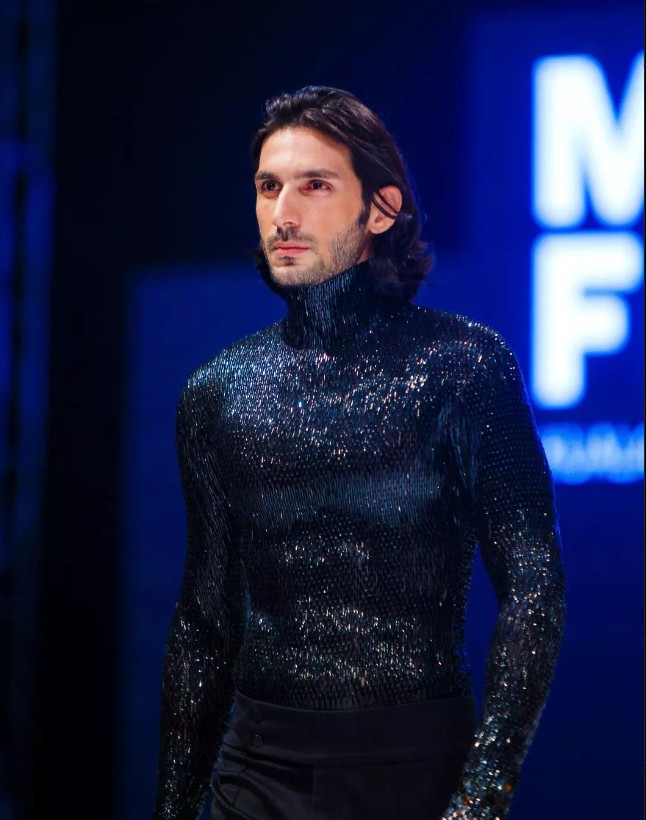
Kazakhstan's fashion industry is rapidly growing, and increasingly, attracting global attention. Within its dynamic environment, new faces, talented designers, and unique projects are emerging which promise to elevate its international status. One such talent is Mehrdad Mozart, a professional model with a wealth of international experience, now living and working in Kazakhstan. Originally from Iran, Mehrdad has enjoyed a chequered career from playing in a rock band to hosting radio & TV shows, and from acting in commercials and movies to judging modeling and talent shows. A model since 2009, he has worked with several global brands including Dolce & Gabbana, Versace and Gucci, and has mentored young people entering the profession. In an exclusive interview with TCA, Mehrdad spoke about his modeling career, his perception of the fashion industry in Kazakhstan, and his personal aspirations. [caption id="attachment_22748" align="aligncenter" width="785"] photo: mehrdadmozart.com -Mehrdad Mozart[/caption] TCA: What inspired you to enter the fashion industry? I think the allure of fashion itself inspired me. I used to get lost in magazines, dreaming of becoming a model and representing high-end brands. Fashion TV became a regular escape, where I absorbed every detail and admired the work of iconic male models like David Gandy, Sean O’Pry, and Tyson Beckford.The influence of legendary brands like Tom Ford, Dior, Hermès, Burberry, and D&G played a huge role in shaping my aspirations. They were the very definition of style and sophistication, fueling my desire to be a part of that world. TCA: How did you get into modeling?  My modeling career began when I moved to Malaysia. I didn’t have a portfolio or any connections, so I joined a Facebook group for talents, most of whom were working as extras in films and commercials. That gave me my first break and after a slow start, my modest portfolio eventually caught the attention of talent directors, photographers, stylists, and then, modeling agencies. TCA: What challenges have you had to overcome to get to where you are now? In the beginning, breaking into the industry was challenging. I faced constant rejections from modeling agencies, had no connections, and had to deal with criticism. Staying in shape required intense discipline, and coping with the competitive, high-pressure environment was tough. Unfortunately, diversity remains a significant issue in the fashion world. Middle Eastern models, in particular, encounter additional barriers, making it even more difficult to succeed. Given these challenges, perseverance and determination proved essential to navigating and eventually thriving in this demanding industry.   [caption id="attachment_22749" align="aligncenter" width="803"] photo:mehrdadmozart.com -the catwalk[/caption]   TCA: You now live in Kazakhstan: What are your initial impressions of its fashion industry? I had heard of renowned Kazakh designers such as Aigerim Akenova and Aida Kaumenova. However, when I first arrived in the capital city, Astana, the fashion scene  still felt fairly underdeveloped, with little activity apart from the odd fashion show or commercial shoot. Almaty however, is a different story. The fashion industry here is vibrant and rapidly expanding. Since moving to the city, I've become...
In Uzbekistan, 74-Year-Old Pensioner Convicted of Agitating for Return of USSR

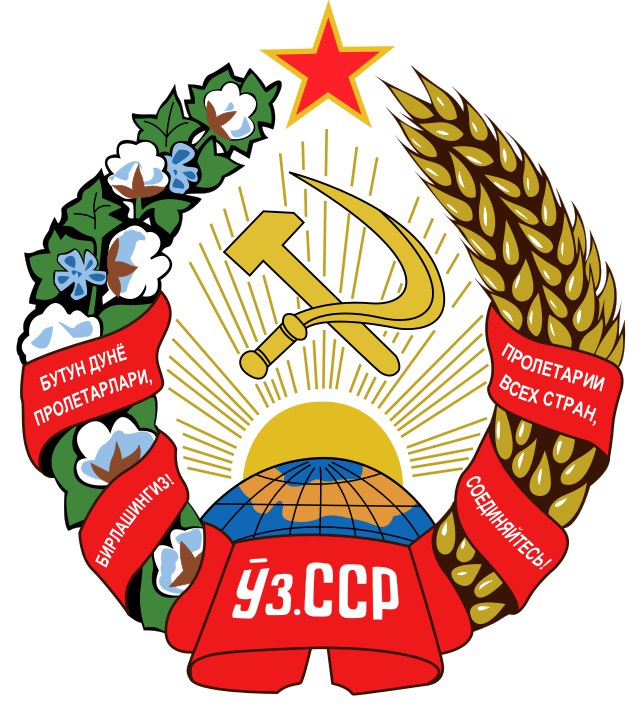
Ergashkul Khasanov, a 74-year-old resident of Samarkand, was convicted of conducting propaganda aimed at the restoration of the USSR. Hasanov was actively engaged in disseminating material through the Telegram group, Uzbek SSR/USSR, in which he claimed the collapse of the Soviet Union was illegal and temporary and that the independence of the former republics, including Uzbekistan, was informal and temporary. The court found him guilty of encroaching on Uzbekistan's constitutional order. Khasanov's story dates back to 2021, when he began listening to speeches by Russian citizen, Oleg Turishkin, who argued that the collapse of the USSR was both illegal and unjust. Turishkin suggested that Khasanov register as a Citizen of the USSR, and the Uzbek pensioner duly obtained a certificate of Soviet citizenship through the post office. He subsequently joined a Telegram group where he participated in discussions and published materials arguing that the Soviet Union had not legally been dissolved and that the former Union republics should reunite again. In early 2023, Khasanov traveled to Moscow, where he met with activists who advocated the restoration of the Soviet Union and a return to the constitution and laws from Joseph Stalin's time. They argued that the Union “legally” continued to exist, and prepared for its restoration. After visiting Moscow, Khasanov continued to publish materials claiming that Uzbekistan's independence was superficial and that all former republics should return to the fold of the USSR. In his case, the court considered Khasanov's age, lack of previous convictions, and status as a pensioner. As a result, he was sentenced to three years of restricted freedom. Khasanov is forbidden from leaving his apartment from 22:00 to 6:00, changing his place of residence without the permission of the supervisory authority, and from leaving the Samarkand region. In 2022, the public movement, Citizens of the USSR was included in a list of organizations deemed by the authorities in Russia to be extremist. Believing that the Soviet Union still exists, some supporters of the movement refuse to abide by the laws of modern Russia, obey the current authorities, or use Russian passports.

International Recognition for the Kazakh Tazy Dog

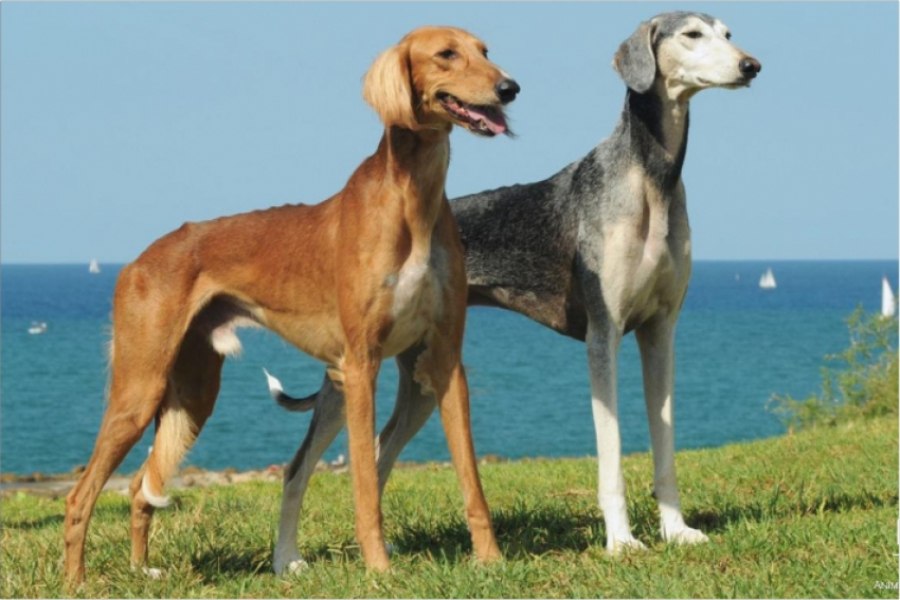
The Kazakh Tazy, one of the oldest dog breeds, is at last, poised to receive international recognition. The General Committee of the International Cynological Federation (FCI) has officially approved the preliminary recognition of the Kazakh Tazy as a unique breed. The move secures Kazakhstan as the holder of the breed standard and is a significant step towards the breed's global recognition. The next ten years will be devoted to collecting data on the health, characteristics, and registration of Tazy puppies, which will be submitted to the FCI for review. Since 2022, the Presidential Affairs Department (PAD) of the Republic of Kazakhstan has been working on preserving Kazakh dog breeds through scientific research, exhibitions and amendments to legislation regarding breeding. In August 2023, the Union of Cynologists of Kazakhstan, having fulfilled all of its requirements, became a full member of FCI which in turn, allowed the Kazakh Tazy to be declared a national breed. The Kazakh Tazy dog emerged over four thousand years ago and according to recent genetic studies, is unique in terms of genetic diversity, especially in Kazakhstan's southern and eastern regions. Renowned for its outstanding endurance, ability to withstand Central Asia's harsh climate, and skills in hunting hares, wolves, and other animals, the Tazy has long been an essential part of the nomadic people's lives.

Empowering Central Asia: A Unified Approach to Poverty Alleviation

Many developing nations have prioritised the eradication of poverty. They employing various strategies, such as pursuing higher economic growth and more equitable income distribution. These efforts have yielded mixed results, underscoring the importance of caution and awareness of the challenges involved. East Asian countries have made significant strides in eliminating poverty. China has made significant progress, and India has seen more moderate headway. Latin American nations have faced difficulties in reducing poverty due to sluggish economic growth, and unfortunately, poverty has risen in Africa. Extreme poverty has historically not been an issue in Central Asia, because of various support schemes provided by the former Soviet government. Nevertheless, while Central Asia's poverty rates continue to decline, poverty reduction is slowing in some countries. Interestingly, Uzbekistan has made notable progress in reducing poverty since 2021. The poverty headcount rate based on the national poverty line fell from 17.0 per cent in 2021 to 14.1 per cent in 2022 and further declined to 11.0 per cent in 2023. Robust real wage growth was the main driver of the recent poverty reduction. Between 2022 and 2023, increases in wage income accounted for nearly two-thirds of the total poverty reduction. However, wage growth was much higher among skilled workers, especially in urban areas, due to skills shortages in the labour market. The latest official statistics show that the average wage increased the most in the services sectors, with a higher share of high-skilled workers in telecoms, pharmaceuticals, and IT. Consequently, income growth favored the better-off skilled population. Such wage inequality leads to income inequality, measured by the Gini index, increasing from 31.2 in 2022 to 34.5 in 2023. It is also noted that the socio-economic conditions are better in all Central Asian economies than in other developing economies. In Central Asia, poverty reduction has been influenced by several factors, such as implementing a national welfare standard, improved access to quality education, and financial assistance for elderly individuals and households led by single mothers. For example, in Uzbekistan, introducing a national welfare standard in 2021 significantly reduced poverty. The poverty rate decreased from 17 to 11 per cent by 2023, with a more noticeable decline in rural areas (8 percentage points) compared to urban areas (4 percentage points), resulting in approximately 1.6 million individuals being lifted out of poverty. The government's initiatives suggest it is making progress towards halving poverty between 2021 and 2026, indicating a hopeful future for poverty reduction in the region.  Notably, the World Bank has recalculated poverty estimates in Central Asia using updated international poverty lines. For lower-middle-income countries -- which globally include Kyrgyzstan, Tajikistan, and Uzbekistan -- the poverty line is set at US$3.65 per day. In contrast, it is $6.85 daily for upper-middle-income countries like Kazakhstan. According to these new poverty lines, approximately five million people are considered poor using the lower-middle income country threshold, and 20 million people are considered poor using the upper-middle income country threshold. These updated poverty lines account for differences in living costs between countries....

Uzbekistan Travel Tips from Professional Guide Eleonora Radjabova

Uzbekistan is increasingly attracting tourists from all over the world, eager to experience its rich cultural heritage, unique architecture and spectacular landscape. Eleonora Radjabova, a professional guide in Uzbekistan since 2007, spoke to TCA about her own favorite locations and provided tips on how to make the most of your trip to her country. [caption id="attachment_22627" align="aligncenter" width="720"] photo: elya.uz.guide - Eleonora Radjabova[/caption]   TCA: What are your personal favorite places and activities in Uzbekistan? My favorite places and activities in Uzbekistan highlight the diversity and richness of the natural environment and cultural experiences my country has to offer. I especially love Bukhara for its ancient historical heritage and architectural masterpieces. Walking through the narrow streets and markets of this medieval city is a unique and immersive experience filled with dazzling, iconic monuments at every turn. [caption id="attachment_22628" align="aligncenter" width="1280"] photo: TCA -Bukhara[/caption]   For those wishing a flavor of Uzbekistan’s landscape, I recommend Chimgan and Amirsoy, both within easy reach of Tashkent. Chimgan, set in the Ugam Chatkal National Park and 85 kilometers from the city, is perfect for an active vacation. Sometimes known as ‘Uzbek Switzerland’ with mountains rising to 3309m above sea level, Chimgan has facilities for various extreme sports. In winter, it operates as a ski-resort whilst in summer, paragliding provides an exhilarating experience and breath-taking views of the terrain from high in the air. Apart from being ideal for day-trippers, the resort which specializes in eco-tourism, offers a wide range of accommodation for longer stays. [caption id="attachment_22630" align="aligncenter" width="1024"] photo: skipedia.ru -Chimgan[/caption]   Amirsoy, just 65 kilometers from Tashkent, offers an easily accessible respite from city life. Flanked by the Chaktal Ridge and Tian Shan mountains, its beautiful rolling landscape offers numerous trails for hiking and walking, alongside spas and pools. [caption id="attachment_22634" align="aligncenter" width="497"] photo: Uzbek Travel -Amirsoy[/caption]   Lake Aidarkul, a unique oasis of sorts in the Kyzylkum Desert, is another of my favorite places to relax and enjoy outdoor recreation. It is especially beautiful in August when people come to its shores to enjoy the sunset then gaze at the starry sky. A natural wilderness and home to rare species of birds as well as pelicans, herons, geese and black storks, the area is a mecca for birdwatchers. Visitors can also experience a unique taste of nomadic life by embarking on a trip through the desert on camels – “ships of the desert"-  to spend a night in a yurt. [caption id="attachment_22631" align="aligncenter" width="900"] photo:adantour.com -Lake Aidarkul[/caption]   TCA: Why are these places and activities especially dear to you? These places and activities recharge my vigor, positively influence my mood, and I return to the city, to my work, with new ideas and impressions.  TCA: What tips can you offer tourists to get the most out of their visit?  It’s all about forward planning! I recommend determining in advance, aspects of the country which interest you most -historical monuments, culture, nature, cuisine -to help pick a tour tailored to your preferences. Make...

Kyrgyzstan Closes Kloop; Media Outlet Says Work Will Go On

Amid concerns that media freedoms in Kyrgyzstan are shrinking, President Sadyr Japarov has suggested that the closure of Kloop Media, a Kyrgyz foundation that runs an investigative news organization, was a blow against “anarchy” and false information rather than freedom of speech. Japarov offered his contested vision of what constitutes responsible media coverage in an interview published on Tuesday by the state news agency Kabar, which asked for his reaction to a reported ruling by Kyrgyzstan’s Supreme Court that upheld the liquidation of Kloop Media after a yearlong court battle. “Doesn't the closure of this media have a negative impact on the freedom of expression in the country?” Kabar director Mederbek Shermetaliev asked Japarov. “Nothing. For 30 years, we have replaced anarchy with democracy and gossip with freedom of speech. Now the community is recovering from those diseases,” Japarov replied. “We have had and will have freedom of speech. We will support anyone as long as they tell the truth. Anarchy, spreading rumors and false information is not freedom of speech.” The president’s emphasis on stability and regulated expression is a shift from the more freewheeling environment of past years in Kyrgyzstan, which had a reputation as one of the more open – as well as turbulent - societies in Central Asia. Japarov, who came to power during a period of political upheaval in 2020, has dismissed criticism that his government is creeping toward authoritarianism. Last week, Kloop Media said it had learned that the Supreme Court’s panel of judges for civil and economic cases decided on July 16 to uphold the foundation’s liquidation, indicating the court had remained silent about the ruling until foundation lawyers were informed on Aug. 22. It said the closure of Kloop’s bank accounts could begin soon, but said the number of its online visitors had grown and that work would continue to be published on the internet. "And as long as at least one Kyrgyzstani reads us, we will continue to publish the most in-depth investigations, the most balanced news, and the most incisive columns," Kloop co-founder Rinat Tukhvatshin said. Prosecutors had argued that Kloop’s charter did not allow it to engage in journalism, while also drawing attention to reporting that they described as negative. Kloop has won a number of international media awards for investigations into government corruption, election violations and other sensitive topics. The New York-based Committee to Protect Journalists has condemned the moves to shutter Kloop, saying it was a “shameful episode” that showed Kyrgyzstan had lost its reputation “as a haven for press freedom in Central Asia.” In the Kabar interview, Japarov was asked what he thinks about investigative journalism. “We support all those investigating, no matter who they are. The only request is to double-check,” Japarov said. But investigating “with bias, slander, hostility, and personal interest” is not freedom of speech, he said. Kloop published a just-the-facts story about the president’s remarks with the headline: “Sadyr Japarov: Liquidation of Kloop Media will not affect freedom of speech in Kyrgyzstan.”