• KGS/USD = 0.01144 0%
  • KZT/USD = 0.00216 0%
  • TJS/USD = 0.10456 0%
  • UZS/USD = 0.00008 0%
  • TMT/USD = 0.28490 0%
  • KGS/USD = 0.01144 0%
  • KZT/USD = 0.00216 0%
  • TJS/USD = 0.10456 0%
  • UZS/USD = 0.00008 0%
  • TMT/USD = 0.28490 0%
  • KGS/USD = 0.01144 0%
  • KZT/USD = 0.00216 0%
  • TJS/USD = 0.10456 0%
  • UZS/USD = 0.00008 0%
  • TMT/USD = 0.28490 0%
  • KGS/USD = 0.01144 0%
  • KZT/USD = 0.00216 0%
  • TJS/USD = 0.10456 0%
  • UZS/USD = 0.00008 0%
  • TMT/USD = 0.28490 0%
  • KGS/USD = 0.01144 0%
  • KZT/USD = 0.00216 0%
  • TJS/USD = 0.10456 0%
  • UZS/USD = 0.00008 0%
  • TMT/USD = 0.28490 0%
  • KGS/USD = 0.01144 0%
  • KZT/USD = 0.00216 0%
  • TJS/USD = 0.10456 0%
  • UZS/USD = 0.00008 0%
  • TMT/USD = 0.28490 0%
  • KGS/USD = 0.01144 0%
  • KZT/USD = 0.00216 0%
  • TJS/USD = 0.10456 0%
  • UZS/USD = 0.00008 0%
  • TMT/USD = 0.28490 0%
  • KGS/USD = 0.01144 0%
  • KZT/USD = 0.00216 0%
  • TJS/USD = 0.10456 0%
  • UZS/USD = 0.00008 0%
  • TMT/USD = 0.28490 0%

Viewing results 409 - 414 of 1292

Turkmenistan Forcibly Hospitalizes Human Rights Activist to Prevent Her Traveling

Veteran journalist and human rights defender Soltan Achilova was forcibly hospitalized in Turkmenistan, an apparent attempt by authorities to prevent her from leaving the country for an international event in Geneva. The incident was highlighted in a recent article by Rachel Denber, Deputy Director of the Europe and Central Asia Division of Human Rights Watch. Achilova, aged 75, was set to attend an event organized by the Martin Ennals Foundation in recognition of her nomination in 2021 as a finalist for the award. On the morning of November 20, hours before her flight from Ashgabat, four men in medical uniforms arrived at her home. Claiming suspicion of an infectious disease, they forcibly removed her from her residence, confiscated her keys, and transported her to an infectious disease hospital. Shortly after, Achilova's daughter and son-in-law arrived at the scene, only to find one of the men still at the apartment, who demanded they undergo medical examinations due to "contact" with the allegedly infected Achilova. At the hospital, Achilova was subjected to a blood test but was not informed of the specific illness she was purportedly carrying. Officials later declared the test "positive," requiring her indefinite hospitalization. Achilova, along with her daughter and son-in-law, remained at the hospital overnight. This incident reflects a long-standing pattern of repression by Turkmen authorities, who frequently use such tactics to restrict human rights activists from traveling abroad. In 2023, Achilova and her daughter were also barred from traveling to Geneva when officials claimed their passports were damaged. International organizations and human rights defenders have called on Turkmenistan's government to release Achilova and her relatives immediately, cease their forced hospitalization, and allow her to travel freely. Achilova’s ordeal is emblematic of the systemic harassment faced by independent journalists and human rights activists in Turkmenistan. Over the years, she has endured various forms of intimidation: being followed near her home, having her property vandalized, and suffering physical assaults, including attacks by police and unidentified individuals. Achilova's unwavering commitment to human rights has made her a target of state repression. Despite ongoing threats, she continues to raise awareness about the plight of ordinary citizens under Turkmenistan’s authoritarian regime led by President Serdar Berdimuhamedov.
Train Link Connects China and Afghanistan via Kazakhstan and Uzbekistan

The first freight train from China arrived at Afghanistan’s Hairatan dry port on November 23, following a route through Kazakhstan and Uzbekistan, according to a report by Afghan TOLOnews. Hairatan, a border town in northern Afghanistan, lies a short distance from the Uzbek city of Termez and serves as a critical transit hub between the two nations. Speaking at a ceremony marking the train’s arrival, Afghanistan’s Acting Minister of Industry and Commerce Nooruddin Azizi noted that the freight journey through Kazakhstan and Uzbekistan took 20 days. Azizi also announced plans to use the rail link to transport Afghan goods to China. Beijing has been working to increase its economic footprint in Taliban-ruled Afghanistan, focusing on the nation’s rich mineral reserves and infrastructure projects to boost bilateral trade. Kazakhstan and Uzbekistan, too, are eager to enhance their trade relations with Afghanistan and participate in the country’s railway infrastructure development. In October, Kazakhstan and Afghanistan signed a roadmap to boost bilateral trade to $3 billion and to include Kazakhstan in the construction of two major railway lines in Afghanistan: Turgundi – Herat – Kandahar - Spin Boldak and Mazar-i-Sharif - Harlachi. This milestone train link highlights a growing regional commitment to economic connectivity and trade expansion.

Kazakhstan’s Public Debt Remains at ‘Comfortable Level,’ Says Economy Minister

On November 22, Nurlan Baibazarov, Kazakhstan’s Minister of National Economy, addressed the current status of the country’s public debt, emphasizing its manageable level. Baibazarov highlighted that international organizations, including the International Monetary Fund, the World Bank, and global credit rating agencies, consistently recognize Kazakhstan's low public debt. "The latest changes in international credit ratings indicate the fiscal and financial stability of our country,” Baibazarov stated. “We have significant reserves in the National Fund, as well as gold and foreign exchange reserves exceeding $100 billion. These serve as a financial safety cushion, enabling us to actively attract investments." Kazakhstan’s Concept of Public Finance Management imposes a limit ensuring that national debt does not exceed 32% of GDP. Baibazarov reported that the current figure stands at approximately 23%, reflecting a "safe and comfortable" level. He further explained that public debt should be seen as a tool for economic investment. "We build roads, invest in infrastructure, and launch new production facilities. These projects lay the groundwork for future economic growth and sustainable development," he added. As of October 1, 2024, Kazakhstan’s total public debt was reported to be over 30.5 trillion KZT (approximately $61 billion), equating to 22.6% of GDP. This reinforces the country's position within the fiscal parameters set by its government.

XVII Eurasia International Film Festival Kicks Off in Kazakhstan

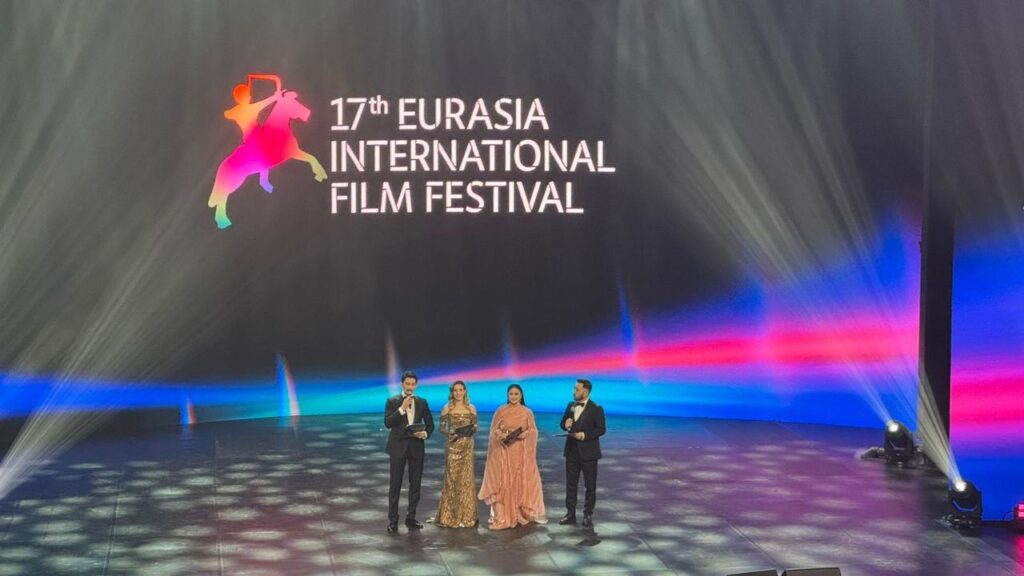
On November 24, Almaty hosted the opening ceremony of the XVII Eurasia International Film Festival, which will run until November 30. The event brings together representatives from more than 15 countries, highlighting its global significance. As part of the competition, audiences will enjoy 12 films from around the world, including entries from Bangladesh, South Korea, Austria, and Qatar. Participants from Europe, Asia, and the Middle East will showcase their works, delving into universal themes through a regional lens. Kazakhstan's President, Kassym-Jomart Tokayev, addressed festival participants in a congratulatory letter. “This year's event coincides with two significant anniversaries: the 110th birthday of Shaken Aimanov, a pioneer of Kazakhstani cinema, and the 90th anniversary of the Kazakh film studio. This is symbolic, as cinematography unites society, fosters creativity, and strengthens intercultural ties,” the letter stated. Tokayev emphasized the growing recognition of Kazakhstani cinema on the international stage. “I am confident that the Eurasia Festival will provide a platform for outstanding projects that will resonate deeply with audiences and inspire reflection on important topics,” Tokayev concluded. The Eurasia International Film Festival is Central Asia's largest film forum and holds accreditation from the International Federation of Film Producers Associations (FIAPF). Established in 1998 with support from the Government of Kazakhstan, the festival was initially hosted in Almaty before moving to Astana in 2018. This year, the festival returns to Almaty, providing a rich program designed to serve as a cultural bridge between East and West. It also includes retrospectives of works by celebrated directors.

Kazakhstan and Taliban Afghanistan: An Overview of Relations

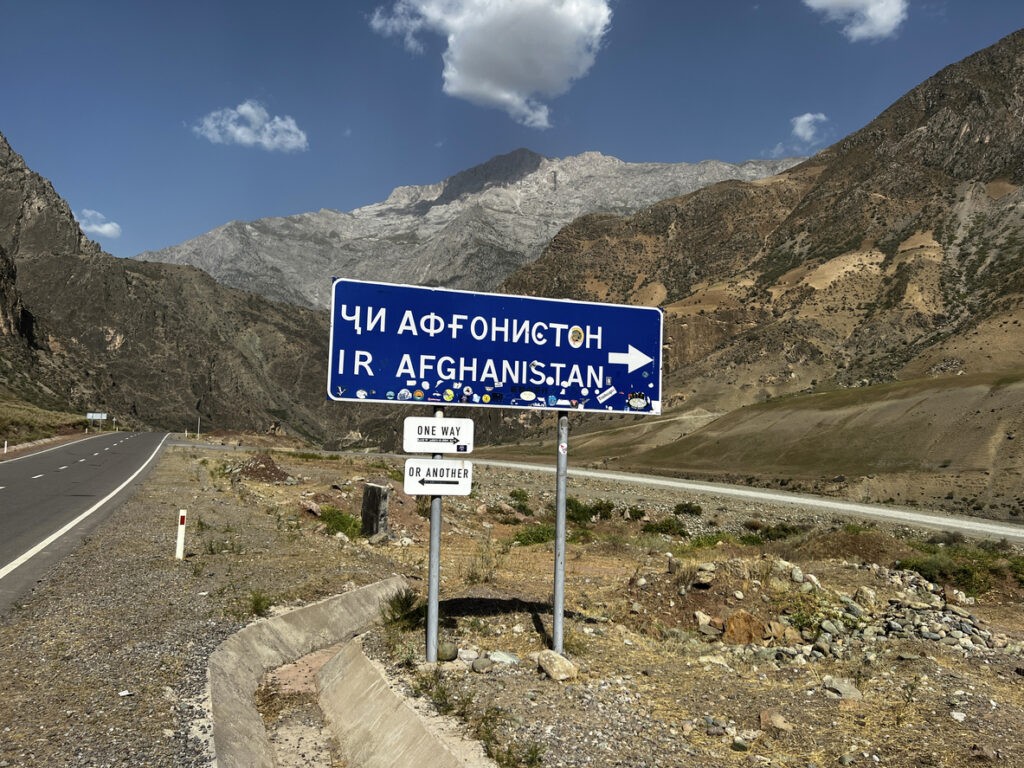
Diplomatic relations between Kazakhstan and Afghanistan began more than 30 years ago, on February 12, 1992. However, in April of that year, the republican regime in Kabul fell, and the country plunged into the abyss of civil war after becoming the Islamic State of Afghanistan. Such chaos had never been seen before. The first Taliban Emirate was established and then overthrown by the US-led coalition, after which the Islamic Republic of Afghanistan was proclaimed Politics Kazakhstan's first diplomatic mission in Kabul was opened in September 2002, less than a year after America launched Operation Enduring Freedom. In 2003, it was transformed into an embassy. From then on, the relationship between the countries became operational. The new starting point of the Kazakh-Afghan relationship was August 15, 2021, when the Taliban seized power in Kabul. Kazakhstan's foreign policy was put to a test, but Astana demonstrated foresight and pragmatism. The Kazakh embassy, unlike most other countries, was not evacuated, diplomats continued to work in the new conditions and began to establish the first contacts with the Taliban authorities. From the very beginning, Kazakhstan took a clear and understandable position and began to promote it at various levels. A month after the Taliban seized Kabul, Kazakhstan's President Kassym-Jomart Tokayev drew attention to the situation in Afghanistan at the SCO meeting in Dushanbe (September 17). As he stated, "Kazakhstan sees future Afghanistan as a truly independent and united state living in peace with itself and its neighbors. At this crucial historical moment, the multinational people of Afghanistan should not be left alone in the face of unprecedented difficulties". A few days later, on September 22, during the UN General Assembly, the Kazakh president detailed the position of his country and was one of the first politicians to point out the current problem of “inclusiveness.” Tokayev reaffirmed that Kazakhstan supports the UN Security Council's call for the formation through negotiations of a new government that would be inclusive and representative. In his words, “It is necessary to create a consensus-based system in which groups with different values or ethnic, religious and gender backgrounds can coexist in one country.” For a better understanding and retrospective assessment of Astana's actions on the “Afghan track,” it is worth citing other theses mentioned by the president in New York at a time when most of the world was still doubting the success of the Taliban campaign. "Afghanistan must continue to fulfill its international obligations and ensure that its territory does not become a springboard for terrorists, drug trafficking, and human traffickers. Regardless of our political or personal convictions, we must not abandon the people of Afghanistan to their fate now. The acute humanitarian situation must be our top priority. UN agencies and other humanitarian organizations must have immediate, safe, and unimpeded humanitarian access. Kazakhstan has provided for the temporary relocation of the UN Assistance Mission in Afghanistan (UNAMA) and other UN offices in Afghanistan. We are ready to provide a logistical platform for the delivery of humanitarian aid to Afghanistan...

Who Will Build Kazakhstan’s Nuclear Power Plant?

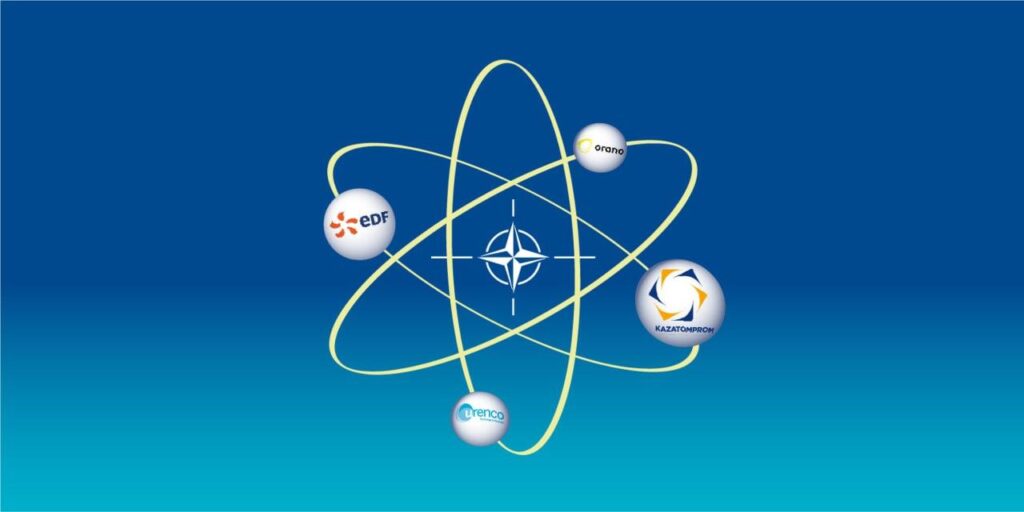
There are three generally discussed possibilities for construction of Kazakhstan’s newly approved nuclear power plant (NPP). One is that Russia is sole contractor. Another is that China is sole contractor. Each of these choices has its own rationale yet also geo-economic and geopolitical drawbacks for Kazakhstan. Third, Kazakhstan’s President Kassym-Jomart Tokayev has publicly stated that he favors an international consortium with participation by companies from China, France, Russia, and South Korea. This option, however, faces logistical challenges, particularly in dividing responsibilities among consortium members and determining the sourcing of critical components. Tokayev has already discussed with France’s President Emmanuel Macron the possible participation of the French companies Orano and EDF in particular. Orano focuses on various aspects of the nuclear fuel cycle, including uranium mining, enrichment, and waste management. EDF specializes in design, construction, and operational management. This opens the door to a fourth possibility. Orano, EDF and the British-German firm Urenco together can provide all the NPP construction and management services necessary to realize the project. But Kazatomprom, which focuses on mainly on mining and processing, has not been mentioned in any of these schemes. Such an alternative approach, involving Western companies like Orano, EDF, and Urenco, could ensure comprehensive services with strong Western involvement, possibly including Kazatomprom, thus boosting local capacity and creating a "demonstration project" for broader natural resource collaboration within NATO frameworks. This kind of partnership could help Kazakhstan reduce its dependency on single external actors, thereby enhancing its strategic autonomy. Moreover, by involving Kazatomprom, the project could focus on knowledge transfer and capacity building, fostering local expertise and reducing external dependencies over time. It is reasonable that an offer to take Kazatomprom into a Western consortium and to make capacity building in Kazakhstan, at Kazatomprom and elsewhere, an explicit goal of the project, would be welcome in Astana. Cooperation via NATO platforms could likewise offer Kazakhstan access not only to technical specialists from NATO countries but also to more joint training exercises and workshops, to complement an exchange of knowledge on best practices in nuclear safety and energy resilience. And that would be only a “demonstration project” for the constructive expansion of the energy component of NATO’s Partnership for Peace (PfP) into broader natural-resource and rare-earth domains. Indeed, there is no reason even to wait for the NPP project. Central Asia, especially Kazakhstan, is a periodic table of the elements, especially rare-earth elements, and their exploration and development has been under way for some time. Building upon the energy-security successes through NATO's PfP, this proposal suggests expanding cooperation with Caspian region Partner countries into the mining sector, specifically for rare-earth elements critical to defense. Extending PfP to include these resources aligns with NATO's and Partners' core security goals, offering broader opportunities to secure the supply chain and enhance collective defense capabilities. This extension also presents a strategic avenue to mitigate risks associated with supply disruptions and geopolitical tensions. Leveraging the extensive experience of partnership in energy security, NATO and its Partner countries could begin with...