• KGS/USD = 0.01144 0%
  • KZT/USD = 0.00215 0%
  • TJS/USD = 0.10599 -0.28%
  • UZS/USD = 0.00008 0%
  • TMT/USD = 0.28571 0%
  • KGS/USD = 0.01144 0%
  • KZT/USD = 0.00215 0%
  • TJS/USD = 0.10599 -0.28%
  • UZS/USD = 0.00008 0%
  • TMT/USD = 0.28571 0%
  • KGS/USD = 0.01144 0%
  • KZT/USD = 0.00215 0%
  • TJS/USD = 0.10599 -0.28%
  • UZS/USD = 0.00008 0%
  • TMT/USD = 0.28571 0%
  • KGS/USD = 0.01144 0%
  • KZT/USD = 0.00215 0%
  • TJS/USD = 0.10599 -0.28%
  • UZS/USD = 0.00008 0%
  • TMT/USD = 0.28571 0%
  • KGS/USD = 0.01144 0%
  • KZT/USD = 0.00215 0%
  • TJS/USD = 0.10599 -0.28%
  • UZS/USD = 0.00008 0%
  • TMT/USD = 0.28571 0%
  • KGS/USD = 0.01144 0%
  • KZT/USD = 0.00215 0%
  • TJS/USD = 0.10599 -0.28%
  • UZS/USD = 0.00008 0%
  • TMT/USD = 0.28571 0%
  • KGS/USD = 0.01144 0%
  • KZT/USD = 0.00215 0%
  • TJS/USD = 0.10599 -0.28%
  • UZS/USD = 0.00008 0%
  • TMT/USD = 0.28571 0%
  • KGS/USD = 0.01144 0%
  • KZT/USD = 0.00215 0%
  • TJS/USD = 0.10599 -0.28%
  • UZS/USD = 0.00008 0%
  • TMT/USD = 0.28571 0%

Viewing results 1039 - 1044 of 2456

Tajikistan Signs First Stage of $100 Million Contract with OPEC Fund for Rogun HPP

On October 10, during a visit to the headquarters of the OPEC Fund in Vienna, a delegation from the Republic of Tajikistan, led by Deputy Prime Minister Usmonali Usmonzoda, signed a contract marking the completion of the first stage of the Credit Agreement between the two parties to finance the Rogun HPP (Lot 4) project. The project aims to promote the republic's energy security and economic development by increasing the production of electricity to supply the domestic market and its export to the region's countries. A total of  $100 million allocated by the OPEC Fund for the project, will be implemented in four stages under separate agreements worth $25 million. The rating agency S&P has estimated the cost of completing the construction of the Rogun HPP in Tajikistan as $6.4 billion. According to S&P, the Rogun HPP currently produces electricity at 10-15% of its total capacity. In 2024-2035, income from electricity which is expected to reach $1.1 billion, will be invested in further construction of hydroelectric power plants. On September 17, during the summit of the Central Asian countries and Germany, in Astana, President of Tajikistan, Emomali Rahmon, invited German Chancellor Olaf Scholz to cooperate on the Rogun HPP. Since then, The Times of Central Asia has been reporting on loans allocated for the plant’s construction.
Donor Delegation Visits Kyrgyzstan to Assess Progress on Kambarata-1 HPP

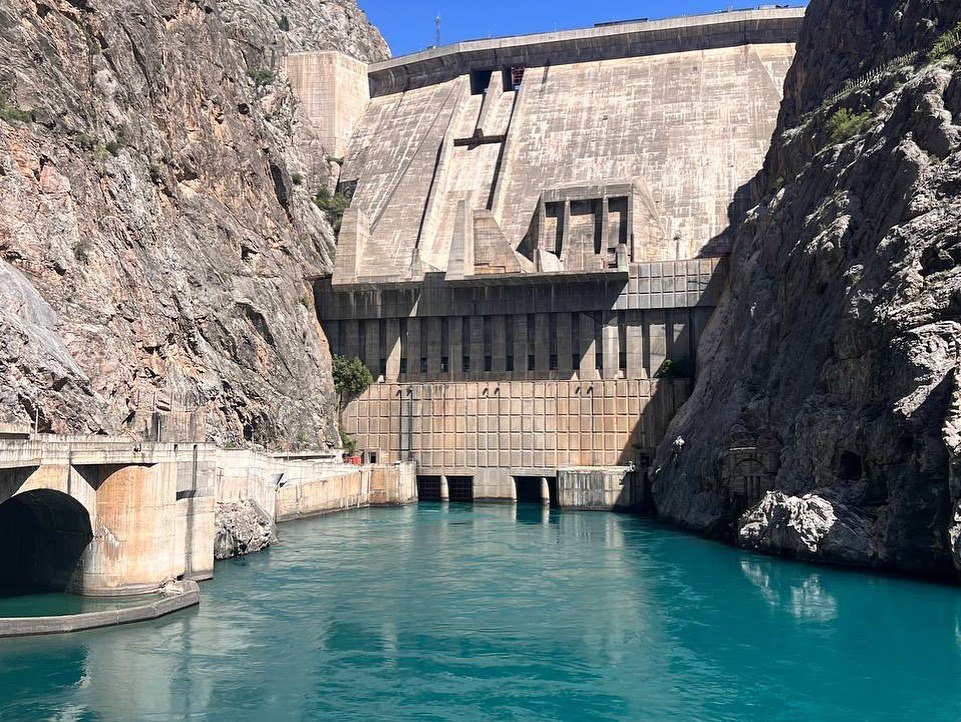
As reported by the Kyrgyz Ministry of Energy, on October 7-11 Kyrgyzstan received a delegation from the Donor Coordination Committee for the construction of the flagship Kambarata-1 Hydropower Plant (HPP) comprising representatives of the World Bank, the Asian Development Bank, the Islamic Development Bank, the European Union, the European Investment Bank, the United States Agency for International Development, and the UK Foreign, Commonwealth & Development Office. The Committee, established at the Kyrgyz Republic International Energy Investment Forum, in Vienna on June 10, 2024, comprises major international financial institutions and development partners, including the World Bank, the OPEC Fund, the Asian Development Bank, the Asian Infrastructure Investment Bank, the Islamic Development Bank, and the European Bank for Reconstruction and Development. The Kambarata-1 HPP, with a projected capacity of  1,860 megawatts and an average annual generation of 5.6 billion kilowatt-hours of electricity, is to be constructed at preliminary  cost exceeding $4 billion in the upper reaches of the Naryn River in Kyrgyzstan. Once completed, the largest hydropower plant in Kyrgyzstan is expected to end the country’s electricity shortages. In addition, the ambitious project, jointly implemented with Kazakhstan and Uzbekistan, aims to strengthen cooperation within Central Asia in water and energy resource management. During their visit, delegates reviewed progress on the Kambarata-1 HPP and in addition, met Kyrgyz Minister of Energy Taalaibek Ibrayev and representatives of Kazakhstan and Uzbekistan to discuss and establish a mechanism for regular consultations and data exchange to ensure effective cooperation on the project. Last month, Minister Ibrayev reported significant progress on the development of the HPP construction and said that all preparatory stages will be completed by next May. Early in September, Kyrgyzstan’s Cabinet of Ministers and the World Bank organized a roundtable on the selection of a dam for the Kambarata-1 HPP. The Swiss engineering company AFRY proposed various options for the project, and based on the type of dam chosen, the Kyrgyz Ministry of Energy stated that a feasibility study would be prepared by May 2025.

Moscow’s MOEX No Longer a Stakeholder in Kazakhstan’s Stock Exchange

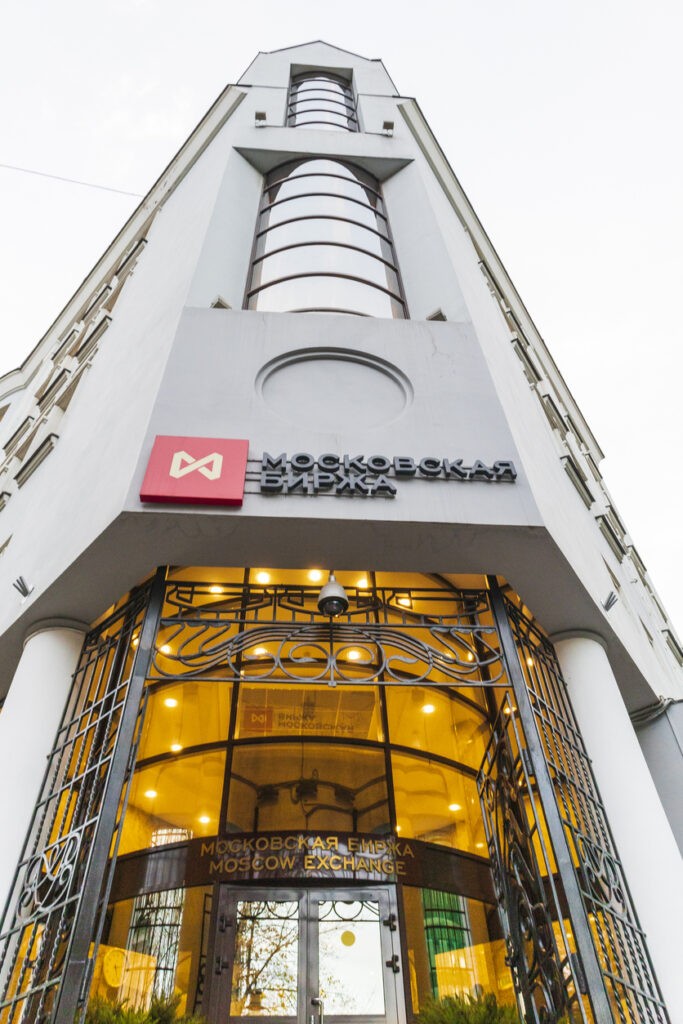
Marking a significant move for the country's financial market, Kazakhstan Stock Exchange (KASE) has announced the withdrawal of Moscow Exchange PJSC (MOEX) from its shareholders. An updated list of shareholders, available on the official site of the Exchange, shows that as of October 11, 2024, the main shareholder of KASE remains the National Bank of the Republic of Kazakhstan, with a 47% stake. . According to reports, the conclusion of its cooperation with MOEX, KASE marks the end of a collaborative phase that began on October 10, 2018, following the signing of a Strategic Partnership Agreement between the exchanges. During this period, several key projects implemented to advance Kazakhstan's exchange market included modernizing trading and clearing systems, introducing central counterparty services across all trading segments, and launching new financial instruments, such as repo transactions with clearing certificates of participation. On September 30, 2024, Vladimir Krekoten, representative of MOEX, resigned from the KASE Board of Directors, having applied for early termination of his position. The Exchange expressed gratitude to MOEX for its contribution in realizing strategic tasks to expand the exchange market opportunities and create new products. KASE remains the leading exchange in Central Asia, providing universal opportunities for trading in corporate and government securities, currency transactions, derivatives, and bonds of international organizations. The Exchange is a member of the International Federation of Exchanges (WFE) and the Federation of Euro-Asian Stock Exchanges (FEAS) and actively participates in the UN Sustainable Stock Exchanges Initiative. In June, the US Department of the Treasury's Office of Foreign Assets Control (OFAC) imposed sanctions against the Moscow Exchange (MOEX), the National Settlement Depository, and the National Clearing Center of the Russian Federation, after which, representatives of the exchange said they would consider continuing business relations with the Moscow Exchange (MOEX), subject to the restrictions on sanctions. On July 15, 2024, KASE Chairman of the Board Alina Aldambergen spoke out about the buyout of the Kazakh exchange's stake from the Moscow Exchange (MOEX).

Ambassador of Taliban-led Afghanistan Starts Work in Uzbekistan

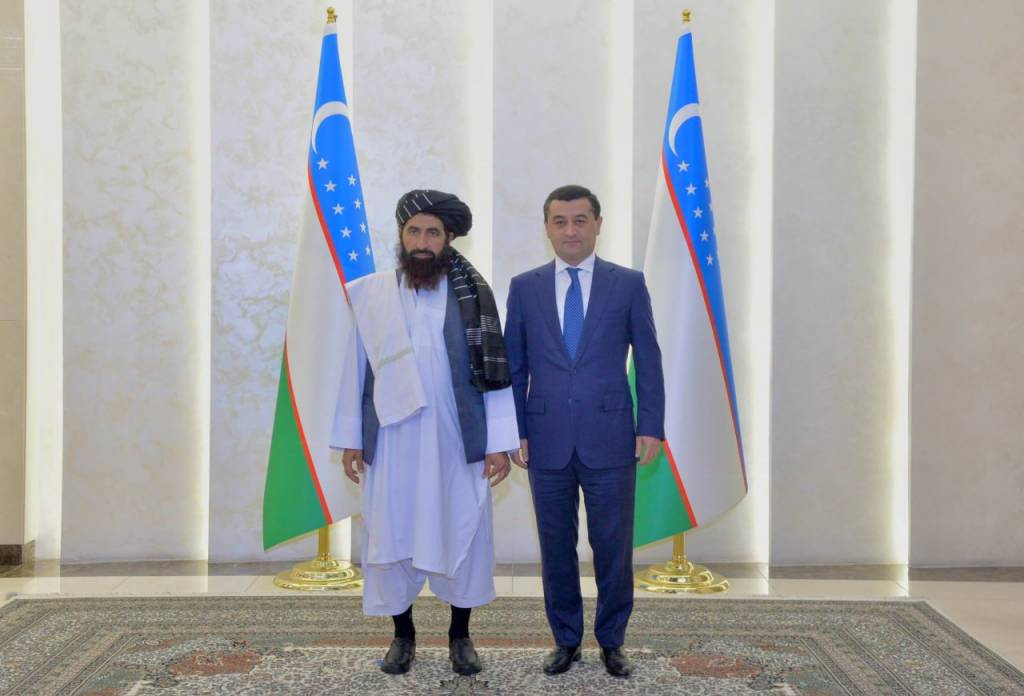
Uzbekistan’s Ministry of Foreign Affairs has reported that on October 9, Foreign Minister Bakhtiyor Saidov received Abdul Ghafar Terawi, the new head of Afghanistan’s diplomatic mission to Uzbekistan, in Tashkent. During talks, both parties emphasized the need to enhance relations between Uzbekistan and Afghanistan, realize the untapped potential of cooperation, and develop new projects to serve the interests of their people. The ambassador expressed gratitude on behalf of Afghanistan for the ongoing assistance provided by Uzbekistan. Speaking at the 79th session of the United Nations General Assembly late in September, Uzbek Foreign Minister Saidov stated that Afghanistan is an integral part of Central Asia and addressing the Afghan problem is  key to ensuring stability and sustainable development in the region. “Uzbekistan is pursuing a pragmatic policy towards Afghanistan. We will continue to contribute to Afghanistan’s economic reconstruction and the development of its transport and energy infrastructure,” announced the Uzbek foreign minister. He also commended Uzbekistan's implementation of the ambitious construction of the Trans-Afghan railway,  which by providing  access to global ports, will have a positive impact on the economic development of the vast region. The minister emphasized that the International Trade Center, recently established in the Uzbek city of Termez on the Afghan border, was designed to foster a favorable business environment and enhance logistics, and added that Uzbekistan is ready to expand the Educational Center for Afghan citizens in Termez into a global training center. Afghanistan’s TOLOnews earlier reported that China and the United Arab Emirates had also officially accepted ambassadors from the Taliban-led Afghan government. Early in September, Kyrgyzstan’s Ministry of Foreign Affairs announced a decision to remove the Taliban from the list of prohibited organizations within the territory of the Kyrgyz Republic. The Ministry emphasized that the removal of the Taliban, the unrecognized group that effectively controls Afghanistan, from the list of banned terrorist organizations aims to enhance regional stability and support ongoing dialogue. Early in June, Kazakhstan’s President Kassym-Jomart Tokayev announced that his country had removed the Taliban from its list of terrorist organizations, stressing that the move was made to develop trade and economic ties with Taliban-led Afghanistan, and in late August, Kazakhstan’s Foreign Ministry accredited a chargé d’affaires of Taliban-led Afghanistan to expand trade, economic, and humanitarian cooperation between the two countries.

USAID Delivers Food Aid to Vulnerable Groups in Uzbekistan

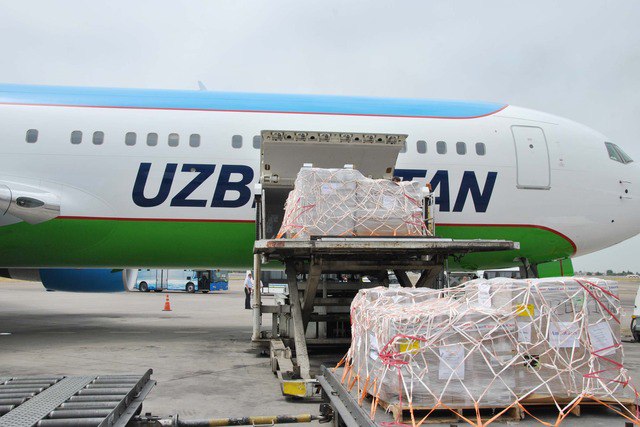
On October 9, the United States, through its Agency for International Development (USAID), announced it had sent 131 tons of food aid to Uzbekistan, worth over $435,000. The shipment includes a nutritious mix of vegetables and legumes for distribution to over 33,000 people in 145 facilities, including centers for long-term tuberculosis patients, orphanages, and psychiatric institutions. “At USAID, we collaborate with our partners to deliver life-saving food assistance to the most vulnerable communities in Uzbekistan. By addressing malnutrition and ensuring access to adequate, safe, and nutritious food, we are empowering individuals to lead healthy, productive lives and building a more stable and resilient world for everyone,” said Anjali Kaur, USAID’s Deputy Assistant Administrator of the Bureau for Asia. Since 2010, USAID’s International Food Relief Partnership program has provided 1,560 tons of food aid to Uzbekistan, worth about $4.5 million. The donated food will be distributed by the American non-profit organization Resource and Policy Exchange in collaboration with the international charitable foundation Sog’lom Avlod Uchun. USAID’s International Food Relief Partnership is part of a more extensive U.S. government program called 'Food for Peace'. Initiated in 1954 by President Dwight Eisenhower, the program illustrates USAID’s commitment to reducing hunger and malnutrition. In addition to providing food, USAID has allocated $6.1 million to expand educational programs in Uzbekistan.

Kazakhstan Seeks Co-Production Venture with Italy

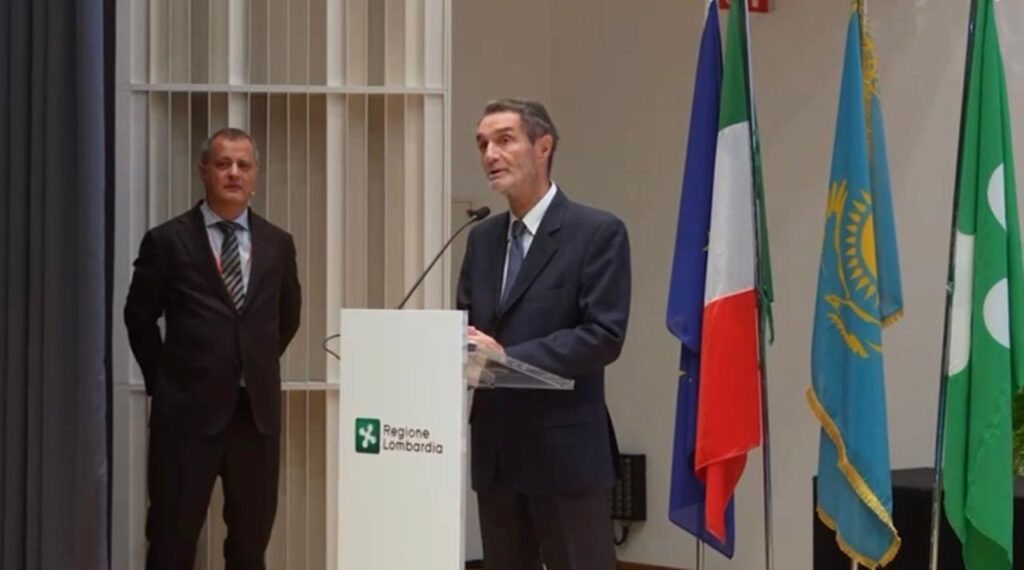
Following the Kazakh-Italian forum, "Kazakhstan–Italy: Trade and Investment Opportunities on the Way to Kazakhstan," on October 8 in Milan, the Kazakh Ministry of Trade and Integration reported that discussions had focused on renewable energy, the agro-industrial sector, tourism, pharmaceuticals, and technological innovations, with an emphasis on Kazakhstan's strategic importance in economic cooperation between Europe and Central Asia. The event came in the wake of Kazakhstan's President Kassym-Jomart Tokayev official visit to Italy in January 2024, which marked a significant step in strengthening Kazakh-Italian relations. The Minister of Trade and Integration of Kazakhstan Arman Shakkaliyev noted that Italy is one of Kazakhstan's key trading partners in the European Union with one of the three largest trade turnovers, and  proposed the introduction of  "Made with Italy"; a concept aimed to promote products created in collaboration with Italian companies. Valentino Valentini, Deputy Minister at the Italian Ministry of Enterprise and Made in Italy supported the notion and stressed that joint projects would stimulate the development of small and medium-sized businesses in both countries. Essential to the initiative, would be the creation of centers of excellence for the transition to European quality standards in Kazakhstan. To ensure the rapid entry of Kazakh products into the EU and Italian markets, such centers would issue certificates of equivalence of manufactured products to EU regulations. The forum also discussed prospects in the tourism sector, with Italian Minister of Tourism Daniela Santanke noting the significant potential for the growth of tourist exchange, facilitated by the launch of direct flights between Astana and Milan. The forum launched Kazakh companies' first trade and economic mission to Italy, involving over 50 enterprises representing agriculture, oilfield services, textile industry, tourism, and IT sectors. According to Kazakh statistics, in 2023, the trade turnover between Kazakhstan and Italy amounted to $16.1 billion, an increase of 7.8% since the previous year, with exports from Kazakhstan reaching $14.8 billion. In January-August 2024, bilateral trade increased by 33% to $13.8 billion, with Kazakh exports rising by 36% to $12.9 billion. Kazakhstan's main exports to Italy comprise crude oil (+38.1%), coal (309-fold increase), flax seeds ($4.1 million increase), and propylene polymers (71-fold increase).