• KGS/USD = 0.01144 0%
  • KZT/USD = 0.00216 0%
  • TJS/USD = 0.10718 0.28%
  • UZS/USD = 0.00008 0%
  • TMT/USD = 0.28530 0%
  • KGS/USD = 0.01144 0%
  • KZT/USD = 0.00216 0%
  • TJS/USD = 0.10718 0.28%
  • UZS/USD = 0.00008 0%
  • TMT/USD = 0.28530 0%
  • KGS/USD = 0.01144 0%
  • KZT/USD = 0.00216 0%
  • TJS/USD = 0.10718 0.28%
  • UZS/USD = 0.00008 0%
  • TMT/USD = 0.28530 0%
  • KGS/USD = 0.01144 0%
  • KZT/USD = 0.00216 0%
  • TJS/USD = 0.10718 0.28%
  • UZS/USD = 0.00008 0%
  • TMT/USD = 0.28530 0%
  • KGS/USD = 0.01144 0%
  • KZT/USD = 0.00216 0%
  • TJS/USD = 0.10718 0.28%
  • UZS/USD = 0.00008 0%
  • TMT/USD = 0.28530 0%
  • KGS/USD = 0.01144 0%
  • KZT/USD = 0.00216 0%
  • TJS/USD = 0.10718 0.28%
  • UZS/USD = 0.00008 0%
  • TMT/USD = 0.28530 0%
  • KGS/USD = 0.01144 0%
  • KZT/USD = 0.00216 0%
  • TJS/USD = 0.10718 0.28%
  • UZS/USD = 0.00008 0%
  • TMT/USD = 0.28530 0%
  • KGS/USD = 0.01144 0%
  • KZT/USD = 0.00216 0%
  • TJS/USD = 0.10718 0.28%
  • UZS/USD = 0.00008 0%
  • TMT/USD = 0.28530 0%

Viewing results 2371 - 2376 of 5089

Kazakhstan as an Emerging Middle Power

Earlier this year, the Paris-based Institut Montaigne and the Berlin-based Institute of Security and International Affairs separately published studies identifying Kazakhstan as a significant "middle power". They correctly make the case that Kazakhstan, leveraging its vast natural resources, particularly in energy, and a multi-vector foreign policy, has positioned itself as a key player in regional and global affairs. A middle power is a state wielding significant regional influence and influencing international affairs through diplomacy, economic strength, and strategic alliances, but which is not a superpower. With relatively stable political systems, growing economies, and proactive foreign policies, these states frequently act as mediators or bridge-builders in global conflicts. At the same time, they can pursue their own interests efficiently through a combination of soft power and multi-lateralism to balance relationships amongst external powers. To be a middle power, a nation should also demonstrate resilience, adaptability, and a commitment to international norms. Since gaining independence in 1991, Kazakhstan has attracted substantial foreign investment, leveraging its vast energy resources to build a robust economy, and using this to enhance its regional and global influence. Its geographical position makes it a key player in Central Asia. The country's leadership pioneered the "multi-vector" foreign policy that has become a model for many nations seeking to balance relations with major powers. Kazakhstan’s contributions to global nuclear non-proliferation have further solidified its status as a rising middle power. Its foreign-policy strategy deploys a careful balancing act between larger global powers and regional neighbors. Thus, its multi-vector approach allows it to maintain strong ties with Russia, China, and the West, while avoiding over-dependence on any single partner. The country participates in organizations like the Shanghai Cooperation Organization and the Organization of Turkic States while also pursuing relationships with the European Union and the United States. This strategy secures Kazakhstan's sovereignty while enhancing its role as a mediator in international conflicts. Since independence, the country has taken the lead in promoting regional integration, energy cooperation, and security, often acting as a mediator in regional disputes. Its leadership roles in regional organizations and initiatives represent a recognition of its efforts to foster stability and economic development in the region. Kazakhstan’s championing of regional cooperation and the “demonstration effect” of its model of political and economic stability have reinforced its position as a leader in Central Asia. Kazakhstan has actively engaged in various international initiatives that bolster its reputation as a responsible and influential middle power. Notably, the country has played a pivotal role in global nuclear non-proliferation, voluntarily relinquishing its Soviet-era nuclear arsenal and advocating for disarmament through platforms like the Conference on Interaction and Confidence-Building Measures in Asia (CICA). Kazakhstan has also hosted peace talks, such as the Astana Process for Syria, and contributed to UN peacekeeping missions. These initiatives reflect Kazakhstan’s commitment to global stability, positioning it as a proactive player in international diplomacy and a respected advocate for the peaceful resolution of conflicts. Kazakhstan's internal reform agenda is crucial for its continued growth and its evolving role...
Sri Lanka Explores Deepening Ties with Central Asia

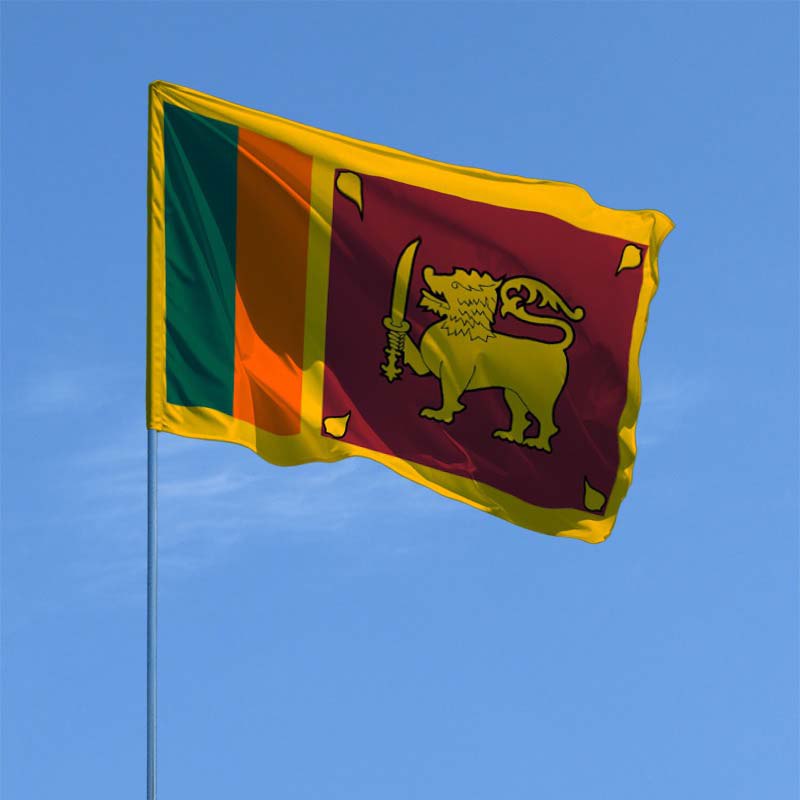
The Diplomat writes that on August 21, the Ministry of Foreign Affairs in Sri Lanka and The Geopolitical Cartographer, a Colombo-based think tank, organized a forum on Central Asia. Colombo has been eyeing Central Asia for quite some time and between 2011 and 2021, sent delegations to Uzbekistan and Kazakhstan. Apart from helping strengthen diplomatic ties, little else followed. The recent consultations mark a new phase in Sri Lanka’s relations with the region. Amid the war in Ukraine and rising tensions in the Middle East and Eurasia, both Sri Lanka and Central Asia are adjusting their foreign policies, and all five Central Asian states are balancing their positions, avoiding outright support for Russia while trying not to upset Moscow. “Given the many parallels in the foreign policies of Central Asia and South Asia, particularly India, does Sri Lanka’s Central Asia gambit make sense? Sri Lanka and Central Asia - seem to be placed in a positive conjuncture, a crossroads in their histories, that has made a strategic alliance both feasible and plausible,” reported Uditha Devapriya, author of the article. At the August meeting, Sri Lankan Foreign Ministry official Sashikala Premawardhane drew attention to critical issues in relations with Central Asia, particularly trade. Sri Lanka’s trade with the region is modest. Between 2011 and 2020, exports to Central Asia only twice exceeded $20 million and surpassed $10 million with a single country just once, in 2014 with Uzbekistan . In contrast, Sri Lanka imported $21 million of goods from Uzbekistan in 2015 alone. P. K. Balachandran, an Indian foreign policy analyst based in Colombo, contends that Sri Lanka needs to stabilize its relations with neighboring South Asian countries, particularly India, before it can consider Central Asia. Rathindra Kuruwita, a Sri Lankan foreign policy commentator and a regular contributor to The Diplomat, voiced his agreement, stating, “India is engaging more constructively with the [Central Asia] region. Whether Sri Lanka can match Delhi’s clout and influence is a big question and at best, highly debatable.” So, how can this island strengthen its relations with the region? Bilateral trade and diplomatic ties are important, but should be complemented by other strategies. One potential avenue could be sport. Central Asia and Sri Lanka share a platform for volleyball, Sri Lanka’s national sport and February 2022, Sri Lanka hosted the Central Asian Volleyball Association. While cultural exchanges can’t replace economic ties, sports like volleyball and Elle (similar to baseball) attract young, open-minded people and according to Pasindu Nimsara Thennakoon, a school volleyball player from Ratnapura, offer a cost-effective way to connect with other regions. Another obvious, if challenging, route to strengthening ties is through Central Asia’s outreach to South Asia: India. Multilateral platforms like the SCO also offer opportunities, albeit dominated by China, Russia, and India, but Sri Lanka’s relationship with India, which has had its share of controversies, entered a new phase after the 2022 crisis. Central Asia is considering energy connections with India. Still, given the backlash, such as the lawsuit against Adani Group’s...

Empowering Kazakhstan’s Future: Navigating Diplomatic, Energy, and Geopolitical Challenges in the Nuclear Power Referendum

Never short of diplomatic acumen, on September 2, President Kassym-Jomart Tokayev signed a decree on holding a referendum on the construction of a nuclear power plant (NPP) in Kazakhstan. Tokayev’s goal is to ensure that arguments for nuclear energy are compelling and to involve citizens, scientists, and government officials in the decision-making process. However, it's crucial that the public are fully informed about these plans as Kazakhstan finalizes the first stage of its new nuclear development. With demand for electricity soaring, it can be argued that the case for the NPP is compelling. Officials forecast that electricity deficits are set to worsen, leading to a reliance on imports, such as was the case in the 1990s. In the first three months of 2024 alone, tariffs rose by 26%. Electricity in Kazakhstan is currently generated by 222 power plants under various forms of ownership, with 84% coming from fossil fuels, hydropower accounting for 12%, and less than 2% coming from solar and wind installations as of 2019. Renewables had expanded to 5.92% by 2023, but the deficit continues to grow.   Old-Timers and Newcomers On October 6 of this year, the Kazakhstani people will give the final answer in a referendum on whether nuclear power will become a component of their everyday lives or whether nuclear-phobia, connecting both the memory of atomic testing at Semipalatinsk and persistent distrust in the ability of officials to build something grandiose without embezzlement, will prevail. The example of the LRT (the project for elevated light-rail transportation in Astana, which was to be implemented back in 2013) stands as a stark monument to corruption which has even penetrated the cultural code of today's youth. One of the first episodes of a then-popular show hosted by politician and businessman, Bulat Abilov, was devoted to nuclear energy and the need to build nuclear power plants. Abilov's inspiration for this topic was Mukhtar Dzhakishev. The former Head of Kazatomprom and Deputy Minister of Energy and Mineral Resources, on November 10, 2009, Dzhakishev was charged with the theft of Kazatomprom property and the receipt of bribes, and was sentenced to fourteen years imprisonment. Subsequently found guilty on separate charges related to embezzlement, fraud, involvement in organized crime and the abuse of power, he was sentenced to a further ten years to run concurrent to his prior sentence. Dzhakishev was released in March 2020, but this episode has led neither man to change their position - nuclear power plants are the best thing for Kazakhstan in light of coming energy shortfalls. Agitators for the NPP, who also include the General Director of Kazakhstan Nuclear Power Plants JSC, Timur Zhantikin, and specialists from the Institute of Nuclear Physics of the Ministry of Energy, have, however, encountered vociferous opposition. Some still oppose the NPP, such as ecologist Mels Yeleusizov. The arguments among those resistant to construction of the NPP have long remained unchanged, with seismic hazards, radiophobia, and corruption at the forefront. The pressure on emotions has also remained unwavering, with slogans such...

Azerbaijan and Uzbekistan Collaborate to Construct Ferries

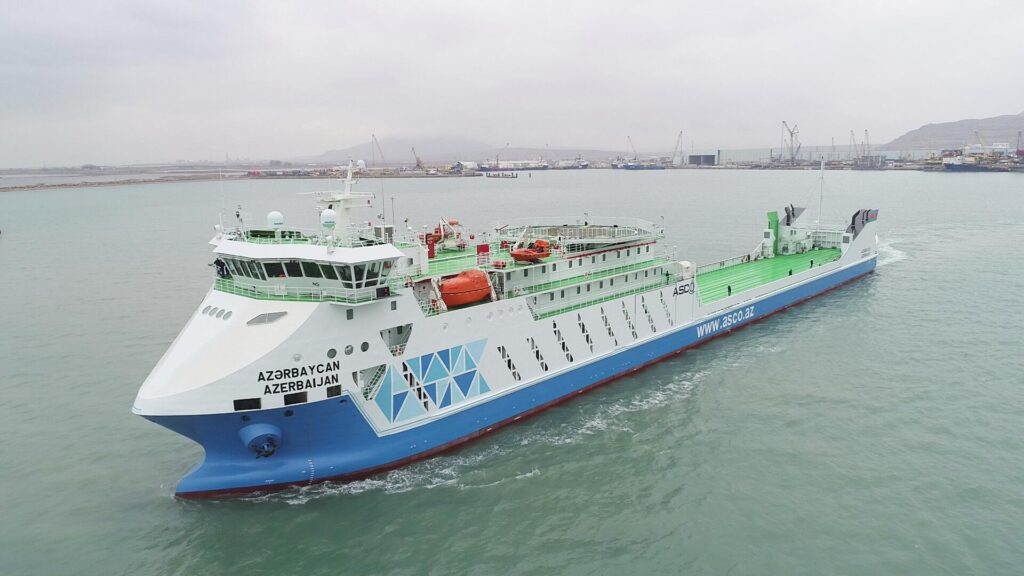
Azerbaijan and Uzbekistan plan to cooperate on the construction of ferries. These ferries will be provided for Uzbekistan's needs, and the project will cost $150 million. Several measures are being suggested to expand the countries' cooperation in the transport and transit sectors. The joint construction of warehouse infrastructure is being mooted, as well as the creation of a joint venture to further develop transportation along the Trans-Caspian route. The Times of Central Asia previously wrote about the Uzbekistan-Azerbaijan business forum that was held in Tashkent on August 22. As a result of the forum, a portfolio of projects worth $2 billion was formed in energy, chemistry, mining, textile, agriculture, urban development, and other areas. Also, on May 1 this year, the energy ministers of Azerbaijan, Kazakhstan, and Uzbekistan met in Tashkent and signed a memorandum of cooperation to connect their countries' energy networks. The initiative's main goal is to study the means of connecting energy systems through a high-voltage cable installed in the Caspian Sea to export green energy from Azerbaijan, Kazakhstan, and Uzbekistan to countries of the European Union.

New Satellite Internet May Appear in Kazakhstan

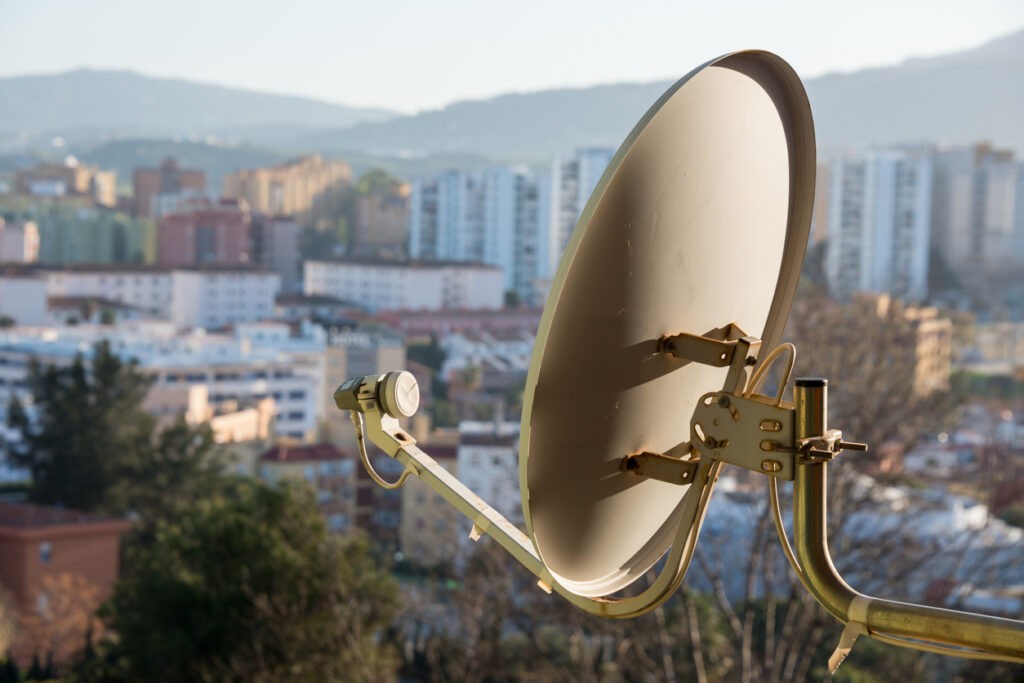
Kazakhstan plans to agree with Amazon to use "Project Kuiper" satellite internet, a competitor to Elon Musk's well-known Starlink. Minister of Digital Development, Innovation, and Aerospace Industry Zhaslan Madiev said the agreement will be signed during the Asia-Pacific Conference on Digital Transformation, which will be organized by UNESCAP in Astana. Madiev emphasized that competition between satellite providers will improve the quality of internet services for citizens at an affordable price. Amazon began deploying the Project Kuiper network by launching the first two prototype satellites last year. More than 3,200 satellites are planned to be deployed in the future, but a full-fledged launch has been delayed until the end of 2024. Kazakh Prime Minister Olzhas Bektenov, who participated in the conference, also said that the 5G network will cover all regional centers of Kazakhstan by the end of 2025. A Starlink pilot project was also launched in Kazakhstan; under this project, Starlink internet will be available to 2,000 remote rural schools.

Nuclear Plant Referendum in Kazakhstan Will Cost $33 Million

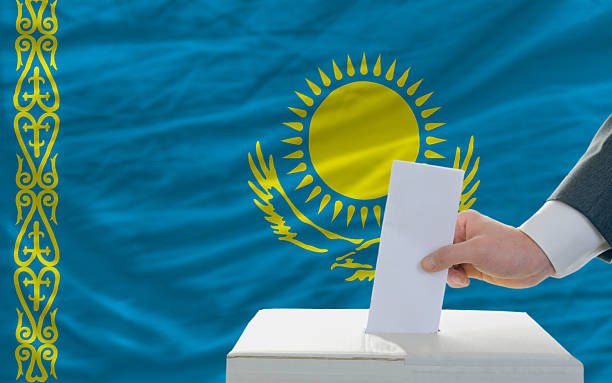
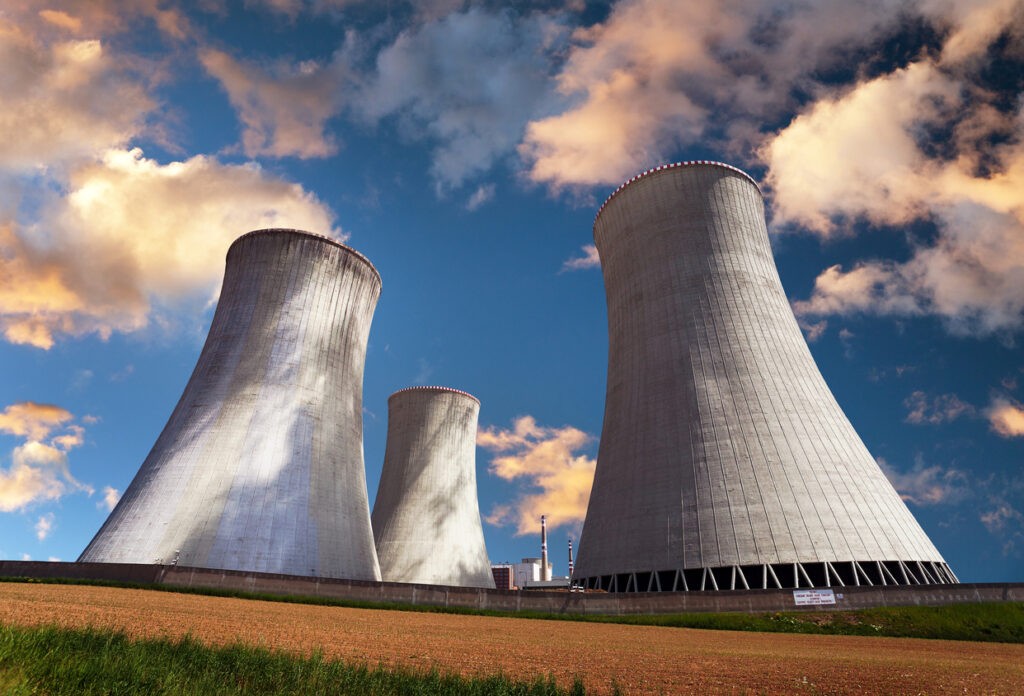
Kazakhstan's Central Election Commission (CEC) has announced that 15.5 billion tenge ($33 million) will be allocated to hold a referendum on constructing a nuclear power plant. CEC member Sabila Mustafina said the amount includes organizational costs and holding the referendum at 78 foreign polling stations in 63 countries. The main part of the funds — 71% — will be spent on labor remuneration for more than 77,000 election commission members. The referendum will be held on October 6. Kazakhstan's president Kassym-Jomart Tokayev signed a decree on holding the referendum on September 2, 2024. In his address, Tokayev emphasized that constructing nuclear power plants is a strategically important issue for the country. Tokayev noted the need to use reliable and environmentally friendly energy sources in the context of the global energy deficit. He emphasized that today, about 200 nuclear power plants operate in 30 developed and developing countries. Tokayev noted that it is vital for Kazakhstan to consider long-term national interests, environmental safety, and the population's needs, as well as the need to make thoughtful decisions on constructing nuclear power plants. The president also emphasized the importance of public support in making important decisions for the country. He said that the population should have a say in every step related to major infrastructure projects, such as the construction of nuclear plants. Discussions on constructing a nuclear power plant in Kazakhstan have been ongoing for many years. The need for it first emerged after the closure of the Soviet reactor in Aktau in 1999.