• KGS/USD = 0.01144 0%
  • KZT/USD = 0.00216 0%
  • TJS/USD = 0.10663 0%
  • UZS/USD = 0.00008 0%
  • TMT/USD = 0.28530 0%
  • KGS/USD = 0.01144 0%
  • KZT/USD = 0.00216 0%
  • TJS/USD = 0.10663 0%
  • UZS/USD = 0.00008 0%
  • TMT/USD = 0.28530 0%
  • KGS/USD = 0.01144 0%
  • KZT/USD = 0.00216 0%
  • TJS/USD = 0.10663 0%
  • UZS/USD = 0.00008 0%
  • TMT/USD = 0.28530 0%
  • KGS/USD = 0.01144 0%
  • KZT/USD = 0.00216 0%
  • TJS/USD = 0.10663 0%
  • UZS/USD = 0.00008 0%
  • TMT/USD = 0.28530 0%
  • KGS/USD = 0.01144 0%
  • KZT/USD = 0.00216 0%
  • TJS/USD = 0.10663 0%
  • UZS/USD = 0.00008 0%
  • TMT/USD = 0.28530 0%
  • KGS/USD = 0.01144 0%
  • KZT/USD = 0.00216 0%
  • TJS/USD = 0.10663 0%
  • UZS/USD = 0.00008 0%
  • TMT/USD = 0.28530 0%
  • KGS/USD = 0.01144 0%
  • KZT/USD = 0.00216 0%
  • TJS/USD = 0.10663 0%
  • UZS/USD = 0.00008 0%
  • TMT/USD = 0.28530 0%
  • KGS/USD = 0.01144 0%
  • KZT/USD = 0.00216 0%
  • TJS/USD = 0.10663 0%
  • UZS/USD = 0.00008 0%
  • TMT/USD = 0.28530 0%

Viewing results 319 - 324 of 1056

Despite Ceasefire India-Pakistan Conflict Sends Ripples Through Central Asia

Despite a recent ceasefire agreement between India and Pakistan, renewed hostilities remain a looming threat. The latest clashes between the two nuclear-armed neighbors have direct and potentially lasting repercussions for Central Asia’s political stability and economic development. Ceasefire Amid Escalation Armed conflict erupted on May 7, when New Delhi launched “Operation Sindoor,” targeting what it described as terrorist infrastructure within Pakistan. The move followed a deadly terrorist attack on April 22 in Pahalgam, Jammu and Kashmir, which killed 26 people. India accused Pakistan of complicity, a charge Islamabad rejected, condemning the airstrikes as an “act of war.” Full-scale hostilities ensued for several days, raising alarms across the broader region. By May 11, a ceasefire was brokered, though both sides warned that fighting could resume if provoked. Given the eight-decade-long volatility along their shared border, the risk of future escalations remains significant. Whilst Pakistan credited the U.S. for facilitating the ceasefire, specifically highlighting Senator Rubio and what it described as direct intervention by President Trump, India maintained that the agreement was a result of direct communication between the Directors General of Military Operations (DGMOs). In a formal televised address, Foreign Secretary Vikram Misri emphasized that the ceasefire was a "bilateral" decision reached via military hotlines, omitting any mention of Trump or Rubio. “Both sides agreed to cease all firing and military actions on land,” Misri stated firmly, reiterating India’s stance that no third party played a role in its interactions with Pakistan. Disruption to Tourism Flows One immediate economic impact of the conflict has been felt in Central Asia’s tourism sector. In recent years, Kazakhstan, especially Almaty, has become an increasingly popular destination for Indian travelers, aided by a visa-free regime that permits 14-day stays. The country also hosts large numbers of Indian and Pakistani students, along with medical tourists and business travelers. Many Indian visitors rely on budget carriers such as IndiGo, which previously operated routes from Delhi to Almaty and Tashkent using airspace over Pakistan. The closure of this airspace led to increased costs and logistical complications. IndiGo suspended flights to both cities on April 27 and 28, respectively. Should hostilities resume, these suspensions could be extended, potentially setting back Central Asia’s still-fragile tourism recovery. Infrastructure and Trade at Risk The geopolitical instability also jeopardizes key infrastructure projects and trade routes. Kazakhstan and Uzbekistan have both enhanced connectivity with Pakistan through distinct strategies, with Kazakhstan integrating into multilateral frameworks like the Middle Corridor and QTTA, and Uzbekistan focusing on tactical bilateral projects such as the Termez–Karachi transport corridor and Trans-Afghan Railway. Both countries aim to reduce their reliance on Russian-controlled routes while leveraging Pakistan’s ports to boost regional trade. Political analyst Zhanat Momynkulov warns that the conflict could disrupt supply chains and raise the cost of goods across South and Central Asia. The rerouting of flights due to Pakistani airspace closures is already affecting logistics and regional connectivity. Kazakhstan, a central player in both the Shanghai Cooperation Organization and the Belt and Road Initiative (BRI), is particularly vulnerable. Projects...

Rising Cement Prices in Kyrgyzstan Slow Economic Growth

In a bid to stabilize the construction market, the Cabinet of Ministers of Kyrgyzstan has lifted a temporary ban on cement imports. The decision is aimed at addressing soaring prices and growing demand for construction materials amid an ongoing nationwide building boom. According to government officials, the move is intended to support market competition, prevent material shortages, and reduce pressure on prices. “The lifting of the temporary ban on cement imports will support healthy competition in the market, prevent shortages, and stabilize prices for construction materials,” the cabinet stated. The ban had been introduced approximately one month earlier, following a surge in cement imports from neighboring countries. Officials argued that this influx had created unfair competitive conditions for domestic producers. Construction Boom Meets Market Tensions Kyrgyzstan’s construction sector has emerged as a key engine of economic growth in recent years. The government has made the development of this sector a priority, citing its importance for job creation, infrastructure expansion, and broader economic momentum. The country is currently in the midst of a construction boom, with large-scale projects such as stadiums, airports, and affordable housing developments underway. These initiatives are being supported by new mortgage lending programs and infrastructure investments. However, rapid growth has strained the supply of building materials, especially cement. Local media report that the construction of a new stadium in Bishkek, touted as the future largest in Central Asia, alone requires 135,000 cubic meters of cement. Concerns have also been raised over alleged artificial price hikes. While officials deny any supply issues, reports suggest that some market players may be inflating prices to maximize profit amid the surge in demand. Balancing Growth and Stability The lifting of the import ban signals a shift in government policy toward greater market flexibility in the face of inflationary pressures. It reflects broader challenges facing Kyrgyzstan’s economy as it seeks to balance robust growth in the construction sector with price stability and fair market practices. As the country continues its infrastructure push, the success of such measures will be critical not only to the construction industry but also to the broader trajectory of economic development in 2025.

Central Asia Startup Cup: A Call for Regional Unity Through Innovation

There has been a significant growth in tech events in Central Eurasia throughout the last few years. Several years back you would only see these on a national level, it is hard to find something that isn’t regional these days. There is the Central Eurasian Venture Forum, the largest regional venture capital forum, which will take place on June 5 this year in Kazakhstan, which is also home to Digital Almaty and Digital Bridge. Tashkent has its ICT Week on September 23-26, 2025. Tajikistan hosts the Startupstan Summit, Georgia has the Central Eurasia Venture Summit, Azerbaijan the Baku ID & INMerge, and the list goes on. At the end of last month, Bishkek hosted the Central Asia Startup Cup, the largest tech conference to date in the Kyrgyz Republic focused on startups and venture capital. As reflected in the name of the event, the country is not an exception and is following the trend of regional cooperation. The keynote speaker came from the UK, Kyrgyz Republic-born Asel Sartbaeva, the CEO and Co-Founder of EnsiliTech, a startup with a technology that allows vaccines and other biopharmaceuticals to be stored and transported at room temperature. Aside from her keynote speech and presentation, Sartbaeva also participated in a panel session devoted to female founders. For the first time in the history of the Kyrgyz Republic, there were a huge array of venture capital investors — apart from domestic investors, the Central Asia Startup Cup hosted venture capital funds from Georgia, Kazakhstan, Tajikistan, Turkey, the UK, and Uzbekistan. The government’s interest in the startup ecosystem is also growing — a memorandum of cooperation was signed between Accelerate Prosperity, the organizing party of the conference, and the Ministry of Digital Development of the Kyrgyz Republic. Also, for the first time, the regional final of the Startup World Cup, organized in partnership with Pegasus Tech Ventures (USA), was held as a part of the Central Asia Startup Cup. The latter is a global contest with 100+ regional events held across North America, South America, Europe, Africa, Asia, and Australia, with each regional winner competing in the final in Silicon Valley. Porte Tech, a startup from Kazakhstan providing digital concierge solutions for hotels, was selected for the Startup World Cup Grand Final in San Francisco and will compete in for a $1,000,000 investment fund in October 2025. A traditional part of such tech conferences, the Startup Battle took place on the second day of the Central Asia Startup Cup, with eight teams reaching the finals. The Grand Prix of the conference and an equity-free prize of $10,000 were awarded to ArtSkin, a Kyrgyz hardware startup developing artificial skin for prosthetic limbs. Seven teams were also recognized with cash prizes of €5,000 each from the European Union's Last-mile Connectivity to Promote Digital Green Education Opportunities project: Nomado, Tez Jumush, Sound Vision, Edu Test, WeSave, TilZone, and The Tech. VoiceDiary, an AI companion for emotional support, received a trip to Silicon Valley as part of the Dive into Silicon...

Top Kyrgyz Heart Surgeon Warns of Critical Infrastructure Shortfalls Costing Lives

Prominent heart surgeon Kaldarbek Abdramanov has issued a stark warning about the dire state of cardiac care in Kyrgyzstan, stating that thousands of lives are being lost due to the lack of adequate medical infrastructure. His urgent appeal, posted on Facebook, has sparked widespread public concern. Abdramanov emphasized that while Kyrgyz cardiac surgeons have performed more than 70,000 heart surgeries since the country’s first operation in 1959, systemic failures are now threatening the field’s progress. “Although we do not yet perform heart transplants, which is every cardiac surgeon’s dream, this is due to a lack of proper infrastructure and equipment, not knowledge,” he wrote. The surgeon recalled a fire last winter at the Research Institute of Heart Surgery and Organ Transplantation, which left the facility severely damaged. Since then, staff have been working in makeshift, substandard conditions not suited for complex procedures. He criticized the international aid programs targeted at the center as largely symbolic, offering little real assistance. “We are the students and followers of the great Isa Akhunbaev. We’ve conducted 70,000 heart surgeries and perform nearly all procedures that clinics in Europe and the U.S. do. We have the expertise and the specialists, but not the environment to support our work,” Abdramanov stated. He called for the urgent construction of a new, modern cardiology complex with at least 250 beds. “Yes, such facilities are expensive. But no cost is higher than the lives of hundreds or thousands of citizens who die each year due to the absence of this kind of center,” he warned. Abdramanov also voiced frustration with foreign medical missions, accusing them of offering superficial support. “They come and perform basic surgeries that our young specialists could handle. They don’t teach us new technologies and they don’t leave behind any equipment. This is not real help,” he said. His remarks come amid political fallout in the health sector. President Sadyr Japarov recently publicly criticized Health Minister Erkin Chechebaev for failing to manage the country's hospitals effectively. The president was informed that 24 children with critical heart conditions are awaiting surgery, with three deaths reported in recent days.

Victory Day in Central Asia: Honoring Sacrifice Amid Shifting Narratives

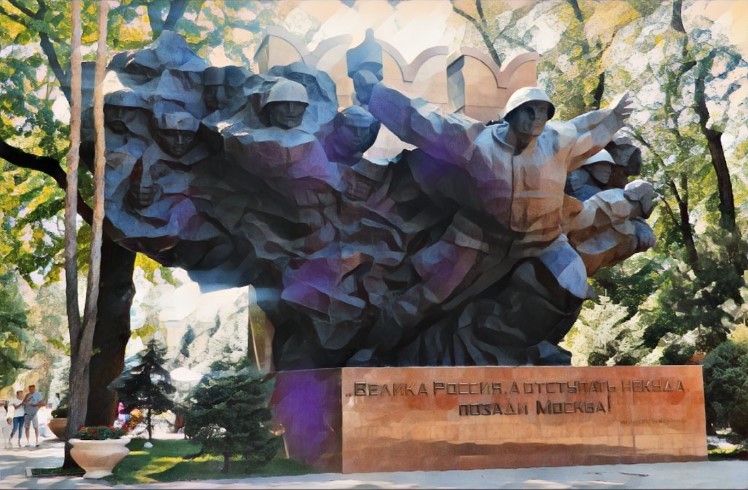
For the countries of Central Asia, Victory Day holds a deep significance. Although debates over the nature of the May 9 commemorations have intensified in recent years, the importance of the holiday remains unchallenged. A War That Touched Every Family Attitudes toward the celebration marking the defeat of Nazi Germany are largely shaped by each nation's level of participation in the war effort. Kazakhstan mobilized over 1.2 million people, nearly 20% of its pre-war population of 6.5 million. Of these, more than 600,000 perished at the front, with an additional 300,000 dying in the rear due to malnutrition, forced labor, and inadequate medical care. With a similar sized population, Uzbekistan sent approximately 1.95 million people to the front - or one in every three residents. Around 400,000 Uzbeks did not return home. Over 500 Kazakhstani and more than 300 Uzbekistani soldiers were awarded the title Hero of the Soviet Union. [caption id="attachment_31602" align="aligncenter" width="2560"] Eternal flame and Crying Mother Monument, Tashkent; image: TCA, Stephen M. Bland[/caption] Kyrgyzstan, home to just 1.5 million people at the time, sent over 363,000 to the front. Approximately 100,000 perished, and 73 received the Hero of the Soviet Union medal. Tajikistan mobilized more than 300,000 troops, with over 100,000 never returning. Fifty-five Tajiks received Hero of the Soviet Union honors. Turkmenistan, with a population of 1.3 million, sent around 200,000 soldiers and officers; 16 received Hero status. Central Asian soldiers played vital roles in major battles, including the defense of Moscow. They helped liberate territories across the Soviet Union and Eastern Europe. The region also contributed 20-30% of its horse population, then a central component of local economies, for military use. The war profoundly reshaped Central Asia. Thousands of Soviet enterprises were relocated to the region, fueling industrialization. Millions of refugees from Nazi-occupied zones found sanctuary in Central Asian republics. Many children were taken in by local families and raised as their own. Today, many in Central Asia feel that outsiders fail to grasp the weight of Victory Day. While countries like the UK, U.S., Italy, and France recorded wartime deaths of 380,000, 417,000, 479,000, and 665,000 respectively, the USSR suffered over 26 million losses. German losses are estimated at 8.4 million. Celebrating Amid Controversy Recent years have brought a shift in how Victory Day is perceived in Central Asia. Symbols such as the Guards ribbon, criticized for echoing imperial Russian motifs, have sparked debate. Some argue that the holiday reflects colonial oppression, as the peoples of Soviet Asia were conscripted into a foreign war. These debates have grown louder since Russia annexed Crimea in 2014, with some now viewing the May 9 celebrations as a tool of Russian influence in the region. Nonetheless, Central Asian leaders have rejected efforts to "cancel" Victory Day, reaffirming its deep personal and national resonance. Efforts to distinguish the celebration from Russian state narratives are evident. Many events now emphasize patriotism rather than Soviet nostalgia. On May 7, Kazakhstan held its first military parade in Astana in seven years,...

Victory Day Diplomacy: Central Asia’s Balancing Act and Putin’s Diminished Spotlight

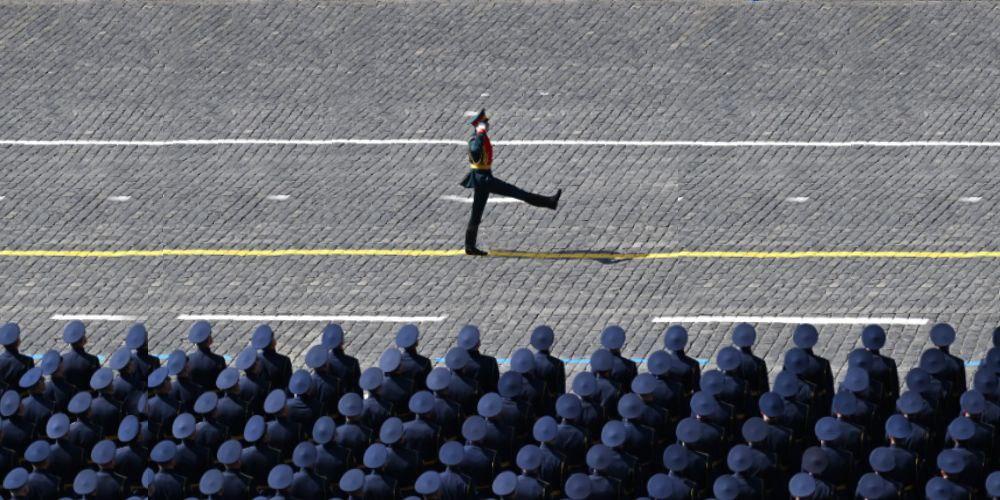
Every year, Moscow’s Red Square transforms into a stage for one of Russia's most celebrated traditions: Victory Day, an event which marks the Soviet Union’s triumph over Nazi Germany in World War II. Yet, as tanks roll through the cobblestone streets and military bands echo under the Kremlin walls, the occasion feels more heavily laden with geopolitical undertones than historical reminiscence these days. Against the backdrop of ongoing conflicts and shifting alliances, the presence of Central Asian leaders at this year’s event speaks to the region’s delicate relationship with the Russian Federation. But the question remains: amidst the pomp and circumstance, is there much for Vladimir Putin to celebrate? Central Asia’s Careful Balancing Act The attendance of Central Asian leaders at the Victory Day parade is a striking show of diplomatic choreography. On the surface, their presence will underscore the shared historical legacy of the Soviet era, when the sacrifices of the Central Asian republics contributed to the Allied victory in the Second World War. However, a more pragmatic lens reveals a balancing act that defines the region’s foreign policy. The region finds itself at the crossroads of global powers vying for influence in Central Asia. While Moscow leans on historical ties and cultural commonalities to retain its sway, Beijing’s economic clout continues to reshape the region’s trade networks and infrastructure projects. Meanwhile, as the inaugural EU-Central Asia Summit attests to, the European Union is eager to expand its reach, whilst hungry for Rare Earth Elements in which the region is rich, the U.S. is waiting in the wings. For Central Asian leaders, participating in Victory Day celebrations signals a nod to Russia’s historic role but also keeps the door open for economic and security cooperation. Amidst the shifting architecture of global politics, their diplomatic strategy remains one of pragmatism, seeking benefits from multiple partners while avoiding any over-alignment. What Does Russia Gain from the Optics? The presence of 29 leaders from across the globe – including Chinese President Xi Jinping - offers Moscow valuable optics at a time when its international relationships face significant strain. Last year, only nine attended. Isolated by Western sanctions over the invasion of Ukraine and with much of the world’s media painting Russia as cut off from the global stage, the impression of a united front with Central Asia helps the Kremlin portray the opposite. Victory Day, therefore, becomes a geopolitical tool, with the attendance of Central Asian leaders enabling Putin to send a message of shared unity within Russia’s historical sphere of influence. It tells both domestic and international audiences that Moscow retains significant allies, reinforcing the image of resilience despite ongoing challenges. How Much Does Moscow Truly Celebrate? The Victory Day parade is an event that is watched by an estimated three-quarters of the Russian public, drumming up patriotism as the state seeks to become the custodian of collective memory. Behind the spectacle, however, signs of disquiet are proving hard to ignore. Russia’s invasion of Ukraine has disrupted trade and migration flows...