• KGS/USD = 0.01144 0%
  • KZT/USD = 0.00205 0%
  • TJS/USD = 0.10429 0.29%
  • UZS/USD = 0.00008 0%
  • TMT/USD = 0.28571 0.28%
  • KGS/USD = 0.01144 0%
  • KZT/USD = 0.00205 0%
  • TJS/USD = 0.10429 0.29%
  • UZS/USD = 0.00008 0%
  • TMT/USD = 0.28571 0.28%
  • KGS/USD = 0.01144 0%
  • KZT/USD = 0.00205 0%
  • TJS/USD = 0.10429 0.29%
  • UZS/USD = 0.00008 0%
  • TMT/USD = 0.28571 0.28%
  • KGS/USD = 0.01144 0%
  • KZT/USD = 0.00205 0%
  • TJS/USD = 0.10429 0.29%
  • UZS/USD = 0.00008 0%
  • TMT/USD = 0.28571 0.28%
  • KGS/USD = 0.01144 0%
  • KZT/USD = 0.00205 0%
  • TJS/USD = 0.10429 0.29%
  • UZS/USD = 0.00008 0%
  • TMT/USD = 0.28571 0.28%
  • KGS/USD = 0.01144 0%
  • KZT/USD = 0.00205 0%
  • TJS/USD = 0.10429 0.29%
  • UZS/USD = 0.00008 0%
  • TMT/USD = 0.28571 0.28%
  • KGS/USD = 0.01144 0%
  • KZT/USD = 0.00205 0%
  • TJS/USD = 0.10429 0.29%
  • UZS/USD = 0.00008 0%
  • TMT/USD = 0.28571 0.28%
  • KGS/USD = 0.01144 0%
  • KZT/USD = 0.00205 0%
  • TJS/USD = 0.10429 0.29%
  • UZS/USD = 0.00008 0%
  • TMT/USD = 0.28571 0.28%

Viewing results 67 - 72 of 387

China-Central Asia Trade Nearly Triples Since 2020

Trade between China and the countries of Central Asia reached $66.2 billion in 2024, nearly triple the 2020 level, according to the Eurasian Development Bank (EDB). Imports from China accounted for about 60% of total trade turnover. China’s largest trading partner in the region is Kazakhstan, with bilateral trade valued at $30.1 billion (46% of total China-Central Asia trade), followed by Uzbekistan at $18 billion (27%) and Turkmenistan at $10.6 billion (16%). China’s share in Central Asia’s overall trade turnover has risen sharply, from 17.7% in 2020 to 24.1% in 2024. However, the level of dependence on Chinese trade varies by country: Turkmenistan - 55% of its total trade is with China. Kyrgyzstan - around 35%. Kazakhstan, Uzbekistan, and Tajikistan - between 20-22%. The EDB estimates significant untapped trade potential of $39.3 billion, about 60% of the current turnover. This includes $32 billion in potential Chinese exports to Central Asia (such as automobiles, electronics, and consumer goods) and $7.3 billion in potential Central Asian exports to China (including copper products, gold, and uranium). With deepening economic ties and major infrastructure links through the Belt and Road Initiative, analysts expect China-Central Asia trade to continue expanding in the coming years.

World Bank Approves $50 Million Grant for Tajikistan’s Economic Reforms

The World Bank’s Board of Executive Directors has approved a $50 million grant to support Tajikistan’s reform agenda, aimed at fostering competition, improving market conditions for the private sector, and strengthening public sector service delivery. The financing, announced by the Bank’s press service, comes from the International Development Association (IDA), its fund for low-income countries. The First Competitive and Inclusive Tajikistan Development Policy Operation (DPO) aligns with the country’s National Development Strategy 2030. Its primary goal is to help implement key government policies for building a more competitive and equitable economy. “We are proud to support these ambitious reforms designed to unlock the country’s economic potential and deliver tangible benefits to Tajik citizens,” said Wei Winnie Wang, Acting Country Manager for the World Bank Group in Tajikistan. “Fostering a more competitive and open market environment helps create new opportunities for businesses and consumers alike.” The DPO targets several priority areas: Increasing competition and improving governance in telecommunications and the digital sector. Expanding air transport connectivity. Strengthening the legal framework for foreign investment. Enhancing transparency in subsidies and power sector financing. By making energy sector funding more transparent, the reforms aim to encourage greater private investment in renewable energy. Another focus is improving the policy, legal, and financial frameworks for the Benefit Sharing Program (BSP) under the Rogun Hydropower Plant (HPP) Project. The BSP will channel part of Rogun’s electricity sales revenue to support poor and vulnerable households, complementing existing social safety nets. Development Policy Operations are one of the World Bank’s key tools for supporting policy and institutional reforms that drive sustainable growth and poverty reduction. The Bank last approved a similar operation for Tajikistan in 2023. Currently, the World Bank finances 26 projects in the country totaling $1.9 billion, combining IDA grants and highly concessional credits. As previously reported by The Times of Central Asia, poverty reduction in Tajikistan remains gradual. According to the World Bank’s Poverty, Prosperity, and Planet Report 2024, more than 25% of the population lives on less than $3.65 per day, even after the extreme poverty threshold was revised from $2.15 to $3.00.

Tajik Cotton Exports to Iran Reach Record Levels

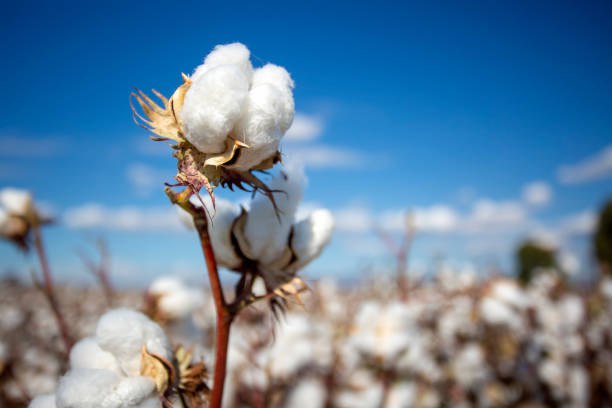
Since the start of 2025, Iran has imported more than 30,000 tons of cotton fiber from Tajikistan, accounting for over 83% of the country’s total foreign sales of this product. The value of these exports has reached $45.7 million. Geography and Structure of Exports Khurshed Zuhurzoda, First Deputy Director of the Tajikistan Export Agency, said Iran’s demand is driven by a shortage of raw materials for its domestic textile industry. According to the Iranian Cotton Fund, the country’s annual cotton demand stands at around 180,000 tons, while domestic production meets only 70,000-80,000 tons. Geographic proximity and the high quality of Tajik fiber have made it one of Iran’s primary import sources. From January to June 2025, Tajikistan exported 36,300 tons of cotton fiber worth $54.6 million to foreign markets. Of this, more than 30,900 tons, 83.61% in both value and volume, went to Iran. Other buyers included Russia ($4 million), Turkey ($1.97 million), Pakistan ($1.1 million), and China ($286,000). The Khatlon region was the largest domestic supplier, providing $29.6 million worth of exports (54.22%), followed by Sughd with $25 million (45.78%). The average export price per ton was $1,506. Negotiations on Expanding Cooperation On July 30, during the 10th Consultation of the Ministers of Agriculture of Shanghai Cooperation Organisation (SCO) member states in China, Tajik Agriculture Minister Kurbon Hakimzoda met with Iranian Agriculture Minister Gholamreza Nouri. Talks covered topics ranging from cotton supplies to the introduction of smart farming systems. Priorities included food security, development of greenhouse complexes, fish farming, organic agriculture, digital technologies, internationally accredited laboratories, climate change adaptation, and joint projects for product processing and packaging. Nouri emphasized that strengthening agricultural ties with neighboring countries is a strategic priority for Iran. Hakimzoda, in turn, noted “satisfactory progress” in implementing existing agreements. Prospects: Moving from Raw Cotton to Value-Added Exports Tajikistan forecasts raw cotton production to grow from 422,000 tons in 2026 to 437,000 tons in 2028. Cotton fiber output is projected at 150,000 tons, while yarn production will increase from 49,000 to 54,000 tons. The government’s export strategy aims to gradually reduce unprocessed cotton exports, from 72,000 tons in 2026 to 56,000 tons in 2028, while boosting yarn exports from 14,000 to 18,000 tons. Agricultural expert Bakhodur Khaito said this shift could alter trade arrangements with Iran. “With a reduction in direct fiber supplies, Dushanbe could offer Tehran more yarn, develop joint ventures, localize processing, and promote finished products to third markets,” he noted.

Central Asia Grapples with Fuel Shortages Amid Market Volatility

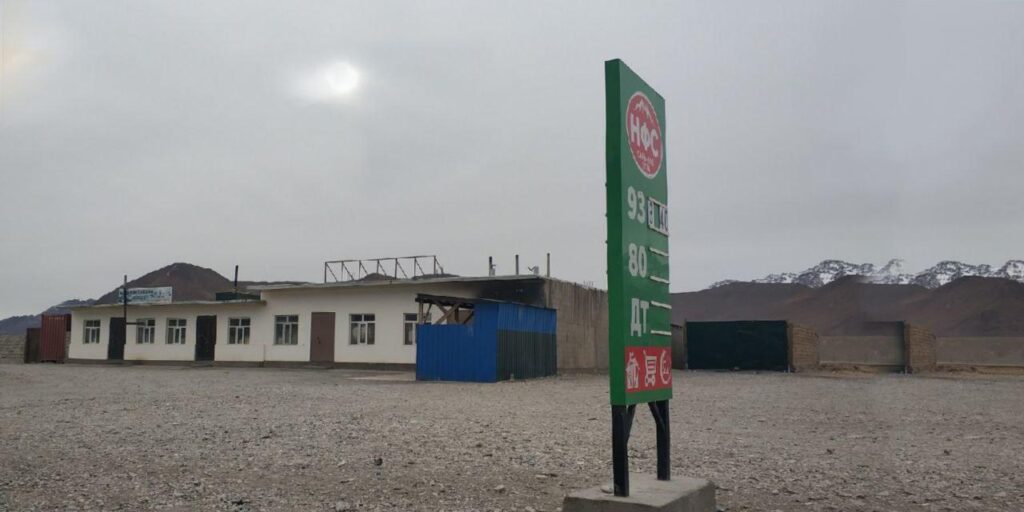
The heavy reliance on fuel imports from Russia is placing Central Asian countries in an increasingly precarious position. Disparities in pricing and exchange rates are driving a surge in illicit fuel resales, exacerbating supply challenges across the region. Gasoline and diesel prices continue to climb, and shortages are being felt widely. This dependence on Russian supplies is particularly concerning following U.S. President Donald Trump's ultimatum to Moscow: end the war in Ukraine within ten days or face 100% tariffs on countries trading oil and petroleum products with Russia. The tariffs could take effect as early as next week, placing Central Asian states in a hugely vulnerable position. Kazakhstan: Shortages and Shadow Exports In early July, motorists across Kazakhstan reported widespread shortages of AI-95 gasoline, particularly along the Karaganda-Balkhash and Astana-Pavlodar highways and in the country’s western regions. Some filling stations restricted purchases of AI-95 to 30 liters per vehicle, and AI-98 was only available via coupons. The Ministry of Energy attributed the shortages to increased tourist and transit traffic. Price caps on gasoline were lifted in January 2025, after which they began to steadily rise. According to the Ministry of Energy, fuel in Kazakhstan remains significantly cheaper than in other Eurasian Economic Union (EAEU) member states, prompting the government to gradually align prices with the regional market. Forecasts suggest gasoline prices could rise by up to 50%, further fueling inflation and impacting all sectors of the economy. The government argues that maintaining artificially low fuel prices would require substantial budget subsidies. The resulting price differentials have made illegal fuel exports more profitable, aggravating domestic shortages. To combat speculation, Kazakhstan imposed a ban in January on exporting gasoline and diesel by road and rail. Despite the country’s ongoing efforts to expand domestic production, Kazakhstan is expected to import substantial volumes from Russia in 2025: 285,000 tons of motor gasoline, 300,000 tons of jet fuel, 450,000 tons of diesel, and 500,000 tons of bitumen. Experts caution that significant increases in domestic output may not materialize until 2030. Russia’s decision on July 28 to tighten its gasoline export ban to include large producers is further complicating the situation. The embargo, introduced amid record-high exchange prices, is expected to last through August. Nevertheless, Energy Minister Erlan Akkenzhenov insists the Russian export restrictions will not affect Kazakhstan, citing a standing intergovernmental agreement that exempts the country from such measures. The Rise of Grey Market Schemes Despite official reassurances, fuel prices continue to rise. Energy expert Olzhas Baidildinov warns of a growing shadow market, driven in part by the weakening of the Kazakh tenge against the Russian ruble. With the exchange rate at 6.6 tenge per ruble, the economic incentive for illicit exports from Kazakhstan remains strong. Baidildinov predicts further shortages by the autumn if this trend continues. Kyrgyzstan: Growing Dependence Kyrgyzstan, which has faced repeated fuel shortages in recent years, has seen prices rise sharply. Over the past decade, the cost of AI-92 has climbed by 52%, AI-95 by 57%, and diesel, used in agriculture...

Tajik Government Seeks New Destinations for Labor Migrants

Tajikistan is intensifying international cooperation in the field of labor migration. According to the Ministry of Labor, Migration, and Employment, the country signed dozens of agreements in the first half of 2025 aimed at simplifying and legalizing the overseas employment of its citizens. However, actual employment figures continue to lag behind the government’s ambitious declarations. Expanding Employment Opportunities At a mid-year press conference, the ministry reported that Tajikistan currently holds 37 international agreements with 15 countries, 13 of which specifically address labor migration and are under implementation. Key partners include Russia, Kazakhstan, Belarus, the UAE, Qatar, Kuwait, South Korea, and Japan. Negotiations are also underway on nine new agreements with countries such as Georgia, Poland, Serbia, Saudi Arabia, and Croatia. Official data show that 9,478 Tajik citizens found employment through 29 licensed organizations in the first half of 2025. Of those, 5,648 were assisted by the State Employment Agency. Despite appearing significant, these numbers represent only a fraction of the working-age population seeking jobs abroad. South Korea, for example, allocated 800 worker quotas for Tajikistan in 2025. Yet only 26 of 35 citizens trained under the Employment Permit System (EPS) passed the required exam. A new group is now in training for the next selection phase. Japan also ranks as a priority destination, but the volume remains low. Of 68 registered candidates, four have begun working, and eight have passed interviews, underscoring Japan’s high entry standards and limited intake. Key Partners: Russia and Saudi Arabia Russia remains Tajikistan’s principal labor migration partner. From January 28 to 31, officials from both countries held “substantive talks” in Moscow, addressing the training of specialists, new employment channels, and joint initiatives. More than 80 Russian companies have reportedly expressed interest in hiring Tajik workers, a figure that the ministry says reflects rising demand for labor from Tajikistan. Saudi Arabia is emerging as a new strategic partner. During a visit by a Tajik delegation, officials held talks with the Saudi Minister of Human Resources and with executives from Arco, a major HR outsourcing firm in the Middle East. Ambitious Goals, Limited Impact While the Ministry of Labor and Migration continues efforts to expand cooperation, protect migrants’ rights, and promote safe, legal employment abroad, progress remains uneven. Despite active diplomacy, the scale of organized labor migration is still limited. The real measure of success will be the implementation of these agreements, not their number. With millions of Tajik citizens still seeking employment overseas, building effective systems and improving workforce skills will require sustained effort, time, and investment.

Tajikistan Launches Export Support Program for Small Producers and Farmers

Tajikistan has launched a wide-reaching initiative aimed at strengthening the country’s export potential, with a particular focus on supporting small producers and farmers. According to Khurshed Zuhurzoda, First Deputy Director of the Export Agency, export support centers and export schools are being established across the regions to provide both infrastructure and education to help local products reach international markets. Empowering Farmers and Small Businesses The program, supported by the World Bank, targets small-scale farms of which there are over 200,000 nationwide, that often lack the logistical, financial, and regulatory resources necessary to export their goods. “This project is especially important for small-scale producers who do not have sufficient resources and knowledge to organize the export of their products,” Zuhurzoda said. Education, Consulting, and Promotion The initiative is grounded in the newly approved Concept for the Development of Export Support Centers and Export Schools. These institutions will offer comprehensive support to prospective exporters, including: Training in the fundamentals of international trade; Consulting on certification, customs procedures, and legal compliance; Assistance in identifying foreign partners and market entry strategies; Participation in international exhibitions and forums; Promotion of the Made in Tajikistan brand through digital and traditional media. The program aims to enhance the global visibility of Tajik products and reinforce the presence of local producers in competitive international markets. A grant from the World Bank is also funding the construction and outfitting of the first regional export centers, scheduled to open in the Gorno-Badakhshan Autonomous Region and Khatlon region by the end of 2025. Rising Trade Validates Strategic Direction Zuhurzoda noted that the program’s rollout coincides with an uptick in foreign trade. In the first half of 2025, Tajikistan’s foreign trade turnover reached $4.7 million, a 7.2% increase compared to the same period in 2024. Officials view this as confirmation that their strategy of diversifying the economy, strengthening small and medium-sized enterprises, and boosting the international competitiveness of Tajik goods is gaining traction. Amid intensifying global competition and regional shifts in trade logistics, this initiative may play a pivotal role in building a resilient and export-oriented economy in Tajikistan.