• KGS/USD = 0.01144 0%
  • KZT/USD = 0.00216 0%
  • TJS/USD = 0.10659 0%
  • UZS/USD = 0.00008 0%
  • TMT/USD = 0.28530 0%
  • KGS/USD = 0.01144 0%
  • KZT/USD = 0.00216 0%
  • TJS/USD = 0.10659 0%
  • UZS/USD = 0.00008 0%
  • TMT/USD = 0.28530 0%
  • KGS/USD = 0.01144 0%
  • KZT/USD = 0.00216 0%
  • TJS/USD = 0.10659 0%
  • UZS/USD = 0.00008 0%
  • TMT/USD = 0.28530 0%
  • KGS/USD = 0.01144 0%
  • KZT/USD = 0.00216 0%
  • TJS/USD = 0.10659 0%
  • UZS/USD = 0.00008 0%
  • TMT/USD = 0.28530 0%
  • KGS/USD = 0.01144 0%
  • KZT/USD = 0.00216 0%
  • TJS/USD = 0.10659 0%
  • UZS/USD = 0.00008 0%
  • TMT/USD = 0.28530 0%
  • KGS/USD = 0.01144 0%
  • KZT/USD = 0.00216 0%
  • TJS/USD = 0.10659 0%
  • UZS/USD = 0.00008 0%
  • TMT/USD = 0.28530 0%
  • KGS/USD = 0.01144 0%
  • KZT/USD = 0.00216 0%
  • TJS/USD = 0.10659 0%
  • UZS/USD = 0.00008 0%
  • TMT/USD = 0.28530 0%
  • KGS/USD = 0.01144 0%
  • KZT/USD = 0.00216 0%
  • TJS/USD = 0.10659 0%
  • UZS/USD = 0.00008 0%
  • TMT/USD = 0.28530 0%

Viewing results 217 - 222 of 776

Central Asia and Israel, a Pragmatic Relationship That Never Truly Blossomed

The conflict between Israel and Iran is having both international and regional repercussions. The situation has been further inflamed by the U.S. bombing of several Iranian nuclear sites over the weekend, with Tehran responding by threatening retaliation on U.S. soil through the use of sleeper terrorist cells and the possible closure of the Strait of Hormuz, through which over a fifth of the world’s oil supply passes. While Israel's geographical position places it at the heart of the Middle East, Iran's location brings the Islamic Republic into close contact with Central Asia. The consequences of the conflict are therefore likely to be felt heavily in the Central Asian region. The close relations between Tehran and the capitals of Central Asia, due in part to their geographical proximity, are often highlighted. Less explored is the nature of the relationship between Tel Aviv and Central Asia and the lines along which it has developed since the dissolution of the Soviet Union. On both the Israeli and Central Asian sides, despite all the differences, relations began in the early 1990s, mainly based on certain mutual interests. From Israel's point of view, relations with Central Asia would mean expanding the circle of Muslim countries with which it had friendly ties, gaining greater influence in the region, and reducing its diplomatic isolation. From the Central Asian perspective, the appeal lay in increasing the number of its international partners, coupled with a desire to access Israeli know-how in numerous fields, and the possibility, through relations with Tel Aviv, of having a privileged channel of dialogue with the United States. More than three decades after the dissolution of the Soviet Union, relations remain good for the most part. “The positive relationship between Israel and Central Asia is driven by a combination of strategic, economic, and geopolitical factors,” Dr Zeev Levin, Coordinator of the Central Asian Research Unit at the Harry S. Truman Institute, told The Times of Central Asia. “One of the primary drivers is mutual interest in security and counterterrorism. Economically, Israel’s expertise in water management, agriculture, and technology is highly attractive to the arid, resource-seeking nations of Central Asia that aim to modernize their infrastructure and diversify their economies beyond oil and gas. Additionally, fostering ties with Israel provides a means of diversifying the foreign policy portfolios of the Central Asian republics.” This positive relationship, however, seems to have lost momentum in recent years due to several factors. Central Asian republics have increasingly oriented towards the East, moving closer to China and other players such as South Korea, Japan, and India, or towards other partners, such as the European ones, with Italy at the forefront in this regard. As Levin points out, the relation has cooled due to several factors: “Central Asian republics did look to Israel in the first decade of independence, but in the last decade to a much lesser extent, since Turkey and China are less complicated and cheaper options. For Israel, the region was never a priority or a point of...

The Hearth of Hospitality: The Importance of the Chaikhana in Central Asia

“Every meal begins with tea and ends with tea. Every guest is welcomed with tea. Every festival and every ceremony – from the celebration of birth to wedding to funeral – must feature tea” - Ketan Desai. Across Central Asia, the chaikhana, or teahouse, holds a cherished place in the region’s social and cultural fabric. Beyond serving cups of steaming tea, it represents history, hospitality, and a space where the rhythms of daily life unfold. For Central Asians, tea isn’t just a drink; it’s a way of life. Every pour, sup, and serving is steeped in tradition. Green tea is considered supreme in the east, while black tea holds court in the west. The offering of tea isn’t just polite, it’s a heartfelt symbol of welcoming and friendship, and to turn it down is practically a cultural crime. Tea is always poured into a piala, a small ceramic or porcelain bowl similar to the Chinese gaiwan or the Japanese chaiwan, but with its own unique steeped allure. A Link to History [caption id="attachment_33095" align="aligncenter" width="1024"] Chaikhana, Samarkand, 1905; image: Prokudin-Gorskiĭ[/caption] The chaikhana has roots stretching back centuries, intertwined with the history of the Silk Road. These teahouses sprang up along trade routes as places where merchants, travelers, and locals could rest and exchange goods, ideas, and stories. Over time, chaikhanas became hubs of cultural exchange, bearing silent witness to the blending of a rich tapestry of traditions. Central Asia is a region shaped by the collapse of the Soviet Union and subsequent episodes of democratization, political coercion, and repression. Throughout history, the chaikhana also played a role in the region’s intellectual life. Much like coffeehouses in Europe, these spaces often served as platforms for debate, poetry readings, and the airing of progressive ideas. These venues often feature private rooms with enclosed spaces or pull-down shades and outdoor spots with canopies or yurt-like structures, ensuring discretion for guests. Unlike typical restaurants or cafes, which rarely offer such private arrangements, teahouses allow organizations to hold meetings comfortably and confidentially. Teahouses serve a dual purpose by balancing privacy with public engagement, making them invaluable to those seeking both discretion and societal visibility. [caption id="attachment_33096" align="aligncenter" width="1019"] Bukhara Chaikhana; image: Joepyrek[/caption] Teahouses serve as neutral spaces where the general public and government can freely interact. They offer a safe space for open discussions, even for government employees, highlighting their unique role in fostering dialogue. The subversive potential of teahouses cannot be overlooked, as debates frequently occurred outside formal governmental frameworks. They have quietly allowed people to organize and challenge institutional power in subtle yet meaningful ways. Tradition and Architecture Chaikhanas are more than just teahouses; they’re cultural treasures enriched by stunning architecture. From simple wooden benches in rural areas to urban teahouses adorned with intricate carvings, colorful tiles, and ornate patterns, these spaces are as much about artistry as they are about tea. The interiors feature low tables and cushions, encouraging leisurely conversations and fostering a warm, communal atmosphere. Whether beside a flowing stream...

From Reform to Roadblocks: The Uneven Evolution of Motor Insurance in Central Asia

Motor insurance markets across Central Asia exhibit contrasting levels of development, from Kazakhstan’s expanding, digitized sector to Kyrgyzstan and Turkmenistan, where the system remains largely ineffective. Beyond compensating for damages, motor insurance is increasingly viewed as a tool for strengthening financial markets, promoting road safety, and easing the fiscal burden during emergencies. Kazakhstan Kazakhstan leads the region in insurance market volume. According to the Agency for Regulation and Development of the Financial Market (ARDFM), compulsory third-party motor insurance (OSGPO) premiums totaled more than KZT 106 billion ($205 million) in 2023, an 18% increase from the previous year. Since 2019, Kazakhstan has operated an electronic OSGPO registration system, streamlining policy purchases and reducing fraud. Integration with the Ministry of Internal Affairs databases now enables more effective monitoring of compliance. In April 2025, the country introduced a revised bonus-malus system with 18 risk classes, ranging from M2 (highest risk, coefficient 3.5) to Class 13 (lowest risk, coefficient 0.5). New drivers are assigned Class A with a coefficient of 1.8. The updated system accounts for accident history, traffic violations, and the duration of accident-free driving. Despite this progress, voluntary comprehensive insurance (CASCO) remains underutilized; fewer than 5% of car owners hold such policies. Barriers include high costs, limited public understanding, and the persistent mistrust of insurers. Nevertheless, demand for CASCO is growing amid rising accident rates and vehicle costs. Once considered a luxury for owners of new cars, CASCO is increasingly popular among middle-income drivers, particularly those buying vehicles on credit or lease. According to Ranking.kz, CASCO premiums reached KZT 13.4 billion ($26 million) in January-February 2025, slightly below the same period in 2024 ($29 million) but still well above pre-pandemic levels. CASCO now covers a broad range of risks, including accidents, theft, vandalism, fire, and natural disasters. For many Kazakhstani drivers, comprehensive coverage is becoming a central part of their financial strategy rather than a discretionary purchase. Kyrgyzstan In Kyrgyzstan, however, the motor insurance system is largely dormant. Although a compulsory insurance law was passed in 2015, only 8-10% of the vehicle fleet is insured. The absence of a unified digital platform, weak interagency coordination, and low public confidence hinder progress. The authorities intend to relaunch reforms in 2025, focusing on digital integration between the Ministry of Internal Affairs and the National Bank. Beginning July 1, 2025, fines will be imposed on uninsured drivers: 3,000 KGS (around $35) for individuals and 13,000 KGS (about $150) for foreign nationals and legal entities. The new penalties are expected to promote compliance and foster a stronger insurance culture. Uzbekistan Uzbekistan, in contrast, has made substantial strides since 2019. Restrictions on foreign insurers have been lifted, and the Insurance Market Development Agency has spearheaded a digital transformation of the sector. In 2023, motor insurance premiums surpassed 250 billion som, largely from OSGPO policies. The government has expanded policy coverage and supports online issuance to increase accessibility and competition. As of September 1, 2024, all compulsory motor insurance policies will be digitized and issued through a centralized...

Tajikistan’s Pharmaceutical Sector Remains Heavily Dependent on Imports

Despite possessing vast reserves of medicinal plants, Tajikistan's pharmaceutical industry remains heavily reliant on imports. Experts are increasingly questioning why the sector has been reduced to a basic "buy-and-sell" model and what is hindering the use of the country’s natural resources. Abundant Resources, Limited Output Tajikistan is home to more than 3,500 species of medicinal plants, including licorice, mint, valerian, chamomile, motherwort, and even rare saffron. However, this natural wealth has not translated into pharmaceutical independence. In the past two years alone, Tajikistan has imported roughly $84 million worth of medicines. Currently, 67 pharmaceutical companies are registered in the country, producing around 600 types of drugs. Still, imported pharmaceuticals dominate the market. According to industry observers, the sector has evolved into a retail-focused trade, rather than a hub for research-based production. During the Soviet era, pharmaceuticals in Tajikistan were closely integrated with scientific institutions. Research institutes flourished, pharmacies compounded custom medications, and both training and quality control were rigorous. Following the collapse of the USSR, this infrastructure disintegrated. The responsible state committee was dissolved, and a previously regulated system was replaced by an unstructured market. Today, training programs are often accelerated, pharmacists’ qualifications are inconsistent, and the emphasis has shifted from treatment to sales. A Pharmacy That Heals Amid this decline, one notable exception is found in the city of Isfara, where a phytotherapy department has been established at the local hospital. Spearheaded by pharmacist Abubakr Faiziev, the department operates out of a restored facility where locally gathered herbs are used to produce traditional infusions and decoctions. Faiziev personally collects about half of the ingredients. “It is important to me that the pharmacy heals, not just sells,” he said. According to Faiziev, approximately 80% of patients return for follow-up treatment, often bypassing conventional doctors due to the perceived effectiveness of herbal therapies, a sentiment echoed even among members of the local elite. A Science in Decline Faiziev laments the erosion of scientific ambition in the country. "People now ask for business plans and guaranteed profits instead of pursuing knowledge. But science doesn’t work that way," he said. Research, he noted, has become sporadic and often relies on outdated data, with little interest from private companies in investing in innovation. Young professionals, too, are increasingly opting for commercial routes. “They prefer to open pharmacies for fast income rather than engage in research,” he explained. “There are many pharmacists now. But we must transform quantity into quality. Without passion for the profession, one cannot become a skilled expert.” The State’s Role and Untapped Potential President Emomali Rahmon has repeatedly stressed the need to develop the domestic pharmaceutical industry and better utilize Tajikistan’s natural resources. Ongoing reforms include updates to medical university curricula, the opening of laboratories, and the training of technologists and quality control specialists. Yet, experts argue that without a comprehensive, systematic strategy and active engagement from the private sector, these measures are insufficient. Faiziev advocates for the creation of a pharmaceutical technology park and the development of both the domestic...

XI Jinping’s Five Points: How China Is Looking To Reshape Central Asia

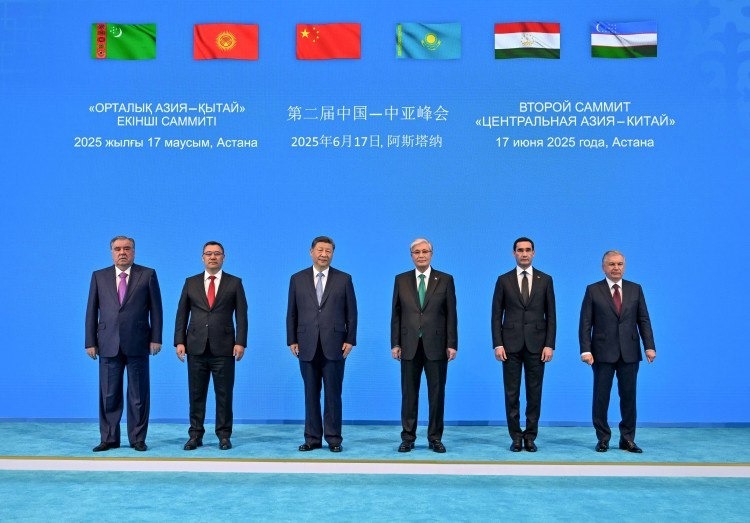
The second China-Central Asia summit on June 17, held in Astana, Kazakhstan, underscored the strengthening ties between China and the region. This event marked a significant milestone in solidifying the China-Central Asia cooperation framework with the signing of the Treaty on Eternal Good-Neighborliness, Friendship, and Cooperation. Experts note that Central Asian countries, once unable to adopt an intra-regional treaty, collectively reached this broader agreement with China. The summit also featured a range of side events, including the Energy Forum “Energy of Central Asia - China,” the Forum on Humanitarian Exchange, the Second Forum on Industrial and Investment Cooperation, and the Central Asia-China Business Council meeting, among others. These gatherings highlighted cooperation in energy, trade, and cultural exchange, reflecting China’s deepening influence in the region. Kazakh President Kassym-Jomart Tokayev praised China’s approach to equal partnership, stating that relations between the two nations are “stable and free from the negative impacts of geopolitical challenges and shocks as well as the international circumstances. China has never imposed any political conditions regarding cooperation with Kazakhstan.” “This is a very important point, Kazakhstani Sinologist Adil Kaukenov explained, “as the head of state, being at the forefront of Kazakhstan's foreign and domestic policies, faces political games, manipulation, and pressure at various levels, which require considerable restraint, experience as a statesman, and popular support to overcome.” During the summit, the heads of the Central Asian states articulated their priorities for cooperation with China. Kazakhstan emphasized projects like the creation of a joint cargo terminal in the port of Kuryk on the Caspian Sea, cooperation in the fields of nuclear energy and artificial intelligence, and counteracting international cybercrime. Kyrgyzstan focused on security, transport, e-commerce, energy, and tourism. Tajikistan prioritized industrial development, trade, food security, and green economy initiatives. Uzbekistan, meanwhile, sought the further integration of Afghanistan into the region, and proposed an “Electronic Silk Road” trade platform, and the development of a long-term strategy called the “Central Asia-China Industrial and Infrastructure Belt.” Chinese President Xi Jinping used his address to outline five key points that shape China’s vision for the future of its relationship with Central Asia. “Our cooperation is rooted in more than two thousand years of friendly relations, consolidated by the solidarity and mutual trust that has been established for 30 years since the establishment of diplomatic relations, and has made great progress thanks to mutually beneficial cooperation in the new era,” Xi stated in his keynote speech. According to Xi, China considers Central Asia one of the priorities of its foreign policy, and this building of peaceful, inclusive partnerships was marked by the historical milestone of the signing of the treaty at the summit. “We will improve the architecture of cooperation, which is characterized by pragmatism, efficiency, and deep integration,” the Chinese president said, adding that 2025–2026 have been declared the Years of High-Quality Development of China-Central Asia Cooperation. This initiative will focus on trade, transport connectivity, green energy, agriculture, and technology. Notably, China pledged 1.5 billion yuan ($208 million) in grants for projects aimed...

Citizens of Central Asia Face New Entry Restrictions To Russia and the U.S.

Citizens of Central Asian countries are encountering a wave of new travel restrictions from two major global powers, Russia and the United States. In recent weeks, Moscow and Washington have both introduced or expanded measures that complicate entry for citizens of the region, raising concerns about migration rights, bilateral relations, and regional security. Russia Tightens Border Rules Starting June 30, 2025, citizens from visa-free countries, including Kazakhstan, will be required to obtain a special QR code to enter Russia. The code must be secured in advance via the Gosuslugi RuID app, at least 72 hours before travel, or four hours in emergency cases. The app is not yet operational, but Russian Prime Minister Mikhail Mishustin has confirmed its planned launch on the same date. While Russia maintains visa-free arrangements with over 30 countries, including Argentina, Brazil, Israel, and all CIS members, these new digital entry requirements apply broadly. Exceptions include citizens of countries already subject to visa regimes, diplomats, and citizens of Belarus, a Union State member. Additionally, as of January 1, 2025, the allowable visa-free stay in Russia for citizens of these countries has been reduced from 90 days per half-year to 90 days per calendar year. Many Kazakhstani travelers fear that the new rules will result in long queues and technical delays at border crossings. More broadly, critics point out that the move undermines the spirit of the Eurasian Economic Union (EAEU), whose member states, Kazakhstan, Kyrgyzstan, Armenia, Belarus, and Russia, are supposed to enjoy facilitated mobility. Response to the Crocus City Hall Attack The changes come in the wake of the March 22, 2024 terrorist attack at Moscow’s Crocus City Hall, which left at least 145 dead and more than 500 injured. The suspects in the attack were reportedly citizens of Tajikistan, sparking a wave of anti-migrant sentiment in Russia. According to Temur Umarov, a Berlin-based political analyst at the Carnegie Center, Russian authorities are prioritizing security over economic necessity. "Russia is doing everything possible to reduce the number of migrants from Central Asia," he said, noting the vital role these workers play in several Russian industries. Regional Backlash Public figures and officials in Kyrgyzstan, Uzbekistan, and Tajikistan have expressed frustration over Russia’s tightened migration policy. In Kyrgyzstan, the Ministry of Foreign Affairs lodged a formal protest with the Russian ambassador following a widely publicized incident in which Kyrgyz citizens were forcibly removed from a Moscow bathhouse. Member of Parliament Zhana Akayev strongly condemned the treatment of Kyrgyz nationals: “Partners and allies do not behave like this. They are humiliating our citizens,” he said. Tajik Foreign Minister Sirojiddin Muhriddin criticized Russia’s approach as inhumane and called for migration policies that respect mutual interests and fundamental rights. In Uzbekistan, several bloggers have gone further, calling for entry bans on Russian public figures, including Foreign Ministry spokeswoman Maria Zakharova, for alleged chauvinistic remarks. Kazakhstan has taken a more measured stance. Aibek Smadiyarov, a spokesman for the Kazakh Foreign Ministry, emphasized that the QR code system does not constitute a...