• KGS/USD = 0.01144 0%
  • KZT/USD = 0.00208 0%
  • TJS/USD = 0.10414 -0.29%
  • UZS/USD = 0.00008 0%
  • TMT/USD = 0.28571 0%
  • KGS/USD = 0.01144 0%
  • KZT/USD = 0.00208 0%
  • TJS/USD = 0.10414 -0.29%
  • UZS/USD = 0.00008 0%
  • TMT/USD = 0.28571 0%
  • KGS/USD = 0.01144 0%
  • KZT/USD = 0.00208 0%
  • TJS/USD = 0.10414 -0.29%
  • UZS/USD = 0.00008 0%
  • TMT/USD = 0.28571 0%
  • KGS/USD = 0.01144 0%
  • KZT/USD = 0.00208 0%
  • TJS/USD = 0.10414 -0.29%
  • UZS/USD = 0.00008 0%
  • TMT/USD = 0.28571 0%
  • KGS/USD = 0.01144 0%
  • KZT/USD = 0.00208 0%
  • TJS/USD = 0.10414 -0.29%
  • UZS/USD = 0.00008 0%
  • TMT/USD = 0.28571 0%
  • KGS/USD = 0.01144 0%
  • KZT/USD = 0.00208 0%
  • TJS/USD = 0.10414 -0.29%
  • UZS/USD = 0.00008 0%
  • TMT/USD = 0.28571 0%
  • KGS/USD = 0.01144 0%
  • KZT/USD = 0.00208 0%
  • TJS/USD = 0.10414 -0.29%
  • UZS/USD = 0.00008 0%
  • TMT/USD = 0.28571 0%
  • KGS/USD = 0.01144 0%
  • KZT/USD = 0.00208 0%
  • TJS/USD = 0.10414 -0.29%
  • UZS/USD = 0.00008 0%
  • TMT/USD = 0.28571 0%

Viewing results 181 - 186 of 479

Unpacking the Effects of Trump’s Tariffs on Central Asia

Trade analysts across Central Asia generally agree that the immediate impact of the United States' tariff policy on the export dynamics of their nations will likely be minimal, as observed in past experiences, except for Kazakhstan. However, there is a palpable concern regarding potential unforeseen consequences arising from a broader global trade conflict. Notably, the timing of the Trump administration's announcement regarding global tariffs on imports coincides with a period when Central Asian countries are actively working to enhance their regional trade relationships. This new tariff policy raises significant doubts about the authenticity of recent U.S. efforts to promote increased trade and investment in the region. The mixed signals coming from Washington may lead Central Asian leaders to re-evaluate their current trade partnerships, especially as they consider the benefits of strengthening ties with China and Russia against the attractiveness of expanding commerce with the United States. Similarly, the European Union may find an opportunity to improve its position, while India could leverage the Chabahar route (a multi-modal transportation route connecting India, Iran, Afghanistan, and potentially Central Asia and Europe). It is worth noting that the market is primarily situated in Asia, and this alternative could have adverse long-term effects on the United States. Kazakhstan, acknowledged as the United States’ largest trading partner in Central Asia, is poised to face significant repercussions from introducing new tariffs set at 27%. In 2024, trade relations between the U.S. and Kazakhstan reached an impressive total of $3.4 billion, with $1.1 billion in U.S. exports to Kazakhstan and $2.3 billion in imports from Kazakhstan to the U.S. However, a statement from the Kazakh Trade Ministry indicates that exports to the U.S. primarily consist of crude oil, uranium, silver, and other raw materials, all exempt from these tariffs. In 2024, Kazakhstan exported only $95.2 million worth of goods, which will now incur surcharges – a relatively modest figure compared to the country’s overall foreign trade turnover of $141.4 billion. Trade analysts suggest that Kazakhstan has little cause for concern, viewing this situation more as a psychological impact than a serious economic threat. Resource-driven Central Asian economies, such as Kazakhstan, may even find enhanced opportunities in the expanding Asian market. Trade dynamics in Central Asia reveal a complex landscape, especially concerning the United States. In 2024, Uzbekistan managed to export a modest $42.4 million worth of goods to the US, a small fraction considering its total foreign trade turnover, which reached an impressive $66 billion for that year. This stark contrast highlights the limited engagement of Uzbekistan in the American market. With its total trade turnover of $16 billion in 2024, Kyrgyzstan similarly struggled with exports to the US, which amounted to merely $16.7 million. This reflects a broader trend where Central Asian economies exhibit low volume exports to the US, suggesting significant barriers or challenges in establishing a foothold in this lucrative market. Tajikistan's economic performance presented an even more sobering picture. Recording a total trade turnover of $8.9 billion, the country achieved only $4.6 million...
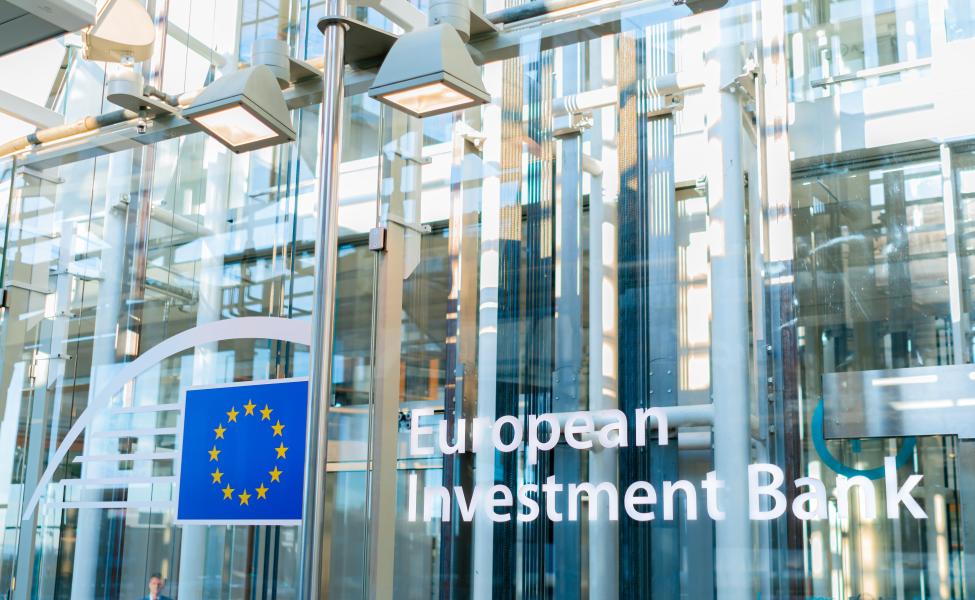

European Investment Bank Commits €365 Million to Environmental Projects in Central Asia

At the first EU-Central Asia Summit, held in Samarkand, Uzbekistan, on April 4, European Investment Bank (EIB) Vice-President Kyriacos Kakouris signed four memorandums of understanding with partners in Kyrgyzstan, Tajikistan, and Uzbekistan. The agreements will direct €365 million in funding and are expected to unlock up to €1 billion in investment for sustainable transport, water management, and climate resilience initiatives across the region. The EIB is the long-term lending institution of the European Union. These agreements support the EU’s Global Gateway strategy, which aims to boost private sector development, improve transport and logistics infrastructure, and strengthen water management and environmental sustainability throughout Central Asia. In Kyrgyzstan, the EIB will provide €50 million through the Kyrgyzstan State Development Bank to support infrastructure investments via the National Promotional Bank. Tajikistan will receive €100 million to develop sustainable transport infrastructure along the Trans-Caspian Transport Corridor. In Uzbekistan, €175 million will be allocated to the Uzbekistan Water Implementation Center for water management and environmental sustainability projects, particularly under the Aral Sea Project, in collaboration with the French Development Agency (AFD). Additionally, Uzbekistan’s JSCB Microcredit bank will receive €40 million to bolster private sector development and to enable local financing for projects that contribute to sustainable transport and logistics connectivity. During the summit, Kakouris also signed a Host Country Agreement with Uzbekistan, establishing an EIB Regional Representation in the country to enhance the Bank’s presence in Central Asia. The EIB further announced the launch of negotiations for a framework agreement with Turkmenistan, signaling plans to begin operations there. “These agreements underscore the European Union and Central Asia’s shared commitment to deepening mutually beneficial cooperation,” said Kakouris. “As the EU’s bank, the EIB will continue playing a pivotal role in strengthening economic ties, promoting sustainability and private sector development, and enhancing infrastructure across the region. The memorandums of understanding pave the way for future financing in the transport and water sectors. Moreover, the Host Country Agreement with Uzbekistan and the launch of negotiations with Turkmenistan mark important milestones for the EU’s growing engagement in Central Asia.”

Central Asia Launches Joint Initiative to Eliminate Tuberculosis by 2030

All five Central Asian nations have launched a regional campaign titled “Central Asia Free of Tuberculosis” with the ambitious goal of eliminating tuberculosis (TB), including drug-resistant strains, across the region by 2030, according to Turkmenportal. The initiative is led by the WHO Regional Office for Europe and supported by international health organizations. Health ministers and senior officials from Kazakhstan, Kyrgyzstan, Tajikistan, Turkmenistan, and Uzbekistan convened in Astana to formally launch the campaign and sign a joint declaration. The agreement outlines commitments to work closely with the World Health Organization (WHO), the Stop TB Partnership, the Global Fund, civil society organizations, and other partners. Over the past decade, the five countries have made significant strides in combating TB through the introduction of new treatments and improved disease surveillance systems. The new initiative aims to accelerate these efforts toward total eradication. Key Objectives of the Initiative Include: Testing Coverage: Ensure that at least 95% of all new and recurrent TB cases are diagnosed using rapid WHO-recommended diagnostic tools, which are already in place across the region. Treatment Expansion: Broaden access to shorter, injection-free treatments for drug-resistant TB, which have demonstrated success rates of over 85%. Vaccine Preparedness: Prepare national health systems for the rollout of new TB vaccines once they become available. Primary Healthcare Integration: Incorporate TB diagnosis and treatment into each country’s primary healthcare system, with support from WHO’s Primary Health Care Centre in Almaty. WHO Regional Director Dr. Hans Kluge commended the political leadership demonstrated by the Central Asian governments. He emphasized that the region is now closer than ever to achieving TB elimination but must sustain its commitment through continued investments and stigma-reduction efforts to ensure equitable access to care. The regional strategy is expected to yield significant results by 2027 and will serve as a framework for monitoring and accelerating progress toward TB elimination in Central Asia.

Tajik Ophthalmologist Parvina Mirakhmedova Wins Innovation Award in London

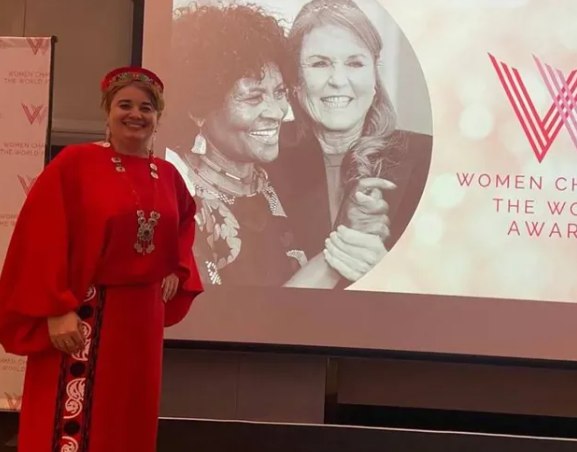
Parvina Mirakhmedova, a Tajik ophthalmologist and researcher, has won international acclaim at the prestigious Women Changing the World Awards, held in London. She was the only representative from Central Asia among participants from 55 countries. Mirakhmedova was nominated in three Industry Award categories: Women in Health, Tech Innovation, and Innovation. She won the Tech Innovation Award and took second place in the Women in Health category. Sarah Ferguson, the Duchess of York, personally presented Mirakhmedova with the Golden Heart Award, honoring both her professional accomplishments and the broader social impact of her work. In her acceptance speech, Mirakhmedova expressed gratitude to those who supported her journey to London, emphasizing the importance of showcasing Tajikistan's scientific talent on the global stage. Transforming Ophthalmology with Innovation Over recent years, Mirakhmedova has significantly advanced the field of ophthalmology. She developed a new diagnostic algorithm for early-stage glaucoma detection, dramatically lowering the risk of vision loss. Additionally, she created cell-counting software that has standardized the diagnosis of ocular inflammation, notably improving treatment accuracy for uveitis. Her work has been published in peer-reviewed journals indexed in Scopus. Among her most accessible innovations is a Telegram bot (@ophthalmo_test_bot) that helps doctors monitor inflammation in uveitis, enabling timely treatment adjustments. Personal Struggles Behind the Science Mirakhmedova’s professional journey is rooted in personal adversity. “I lost my father to cancer, and later, my mother became seriously ill. I experienced first hand what patients and their families endure,” she said. These experiences inspired her to drive change in Tajikistan’s medical system. She advocates for the integration of global medical innovations, asserting, “The world is moving forward, innovations are transforming medicine, and Tajikistan must not fall behind.” A Decade of Determination Mirakhmedova began her career at the international Solim Med and private Nurafzo clinics and underwent further training in Germany. Initially, her ideas were met with skepticism. “Innovations are always resisted at first. But eventually, they become indispensable,” she noted. Despite early challenges, she remained committed to her vision, bolstered by support from her mentors at the Abuali Ibni Sino Department of Ophthalmology at the Tajik State Medical University, her family, and her own perseverance. Reaching the award finals marked a turning point. “I felt a deep sense of satisfaction. To those who once said my ideas were useless, this is the answer,” she said. Her recognition in London is not just a personal triumph, it affirms her contributions to medicine on an international scale and signals the potential for transformative change in ophthalmology across the region.

A Historic Gathering: The First Central Asia-European Union Summit in Samarkand

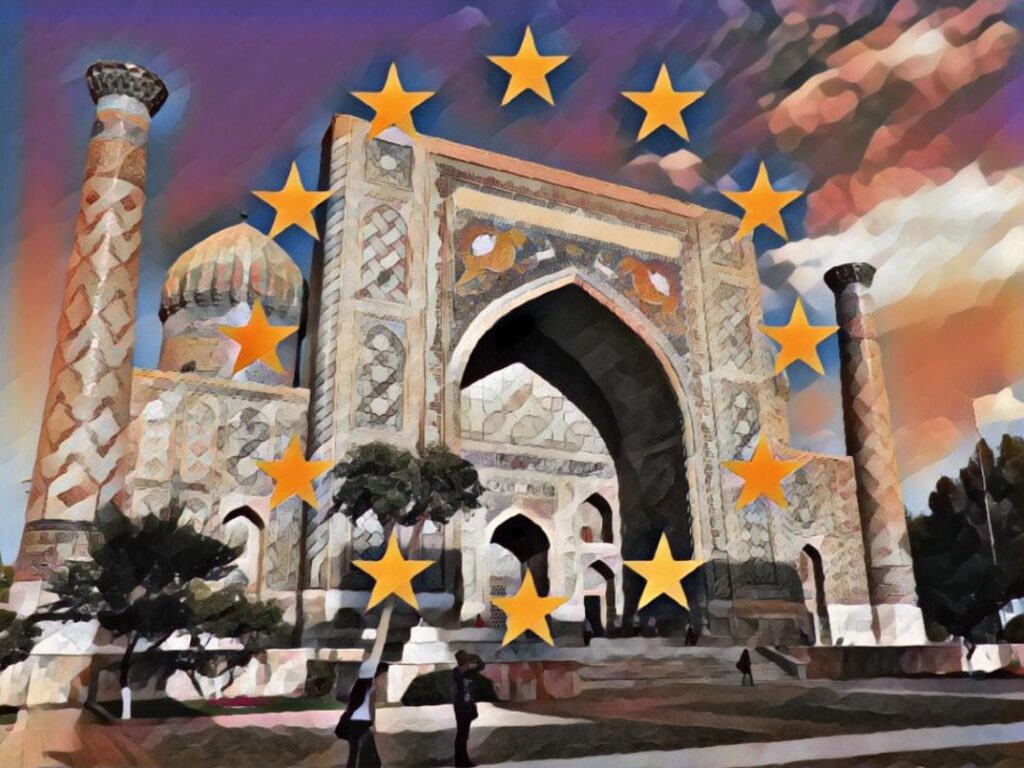
Excitement is building in Samarkand as it gears up to host the inaugural Central Asia-European Union Summit. This landmark event promises to pave the way for significant negotiations and collaboration, bringing together leaders and representatives from both regions. With a rich cultural backdrop and a vibrant atmosphere, Samarkand is poised to play a crucial role in shaping the future of partnerships and cooperation between Central Asia and the European Union.  In recent weeks, Uzbekistan has experienced notable advancements in its foreign policy, signaling a proactive approach to international collaboration. A highlighted event was the fruitful engagement between Uzbekistan's head of state and Kaja Kallas, the High-level Representative of the European Union for Foreign Affairs and Security Policy. Additionally, a delegation led by Josef Sikela, the European Union Commissioner for International Cooperation, participated in discussions to foster deeper ties. A significant milestone on the horizon is the inaugural Central Asia-European Union summit, set to unfold in the historic city of Samarkand on April 3-4. During a pivotal meeting on March 27 with Kallas, President Shavkat Mirziyoyev meticulously explored the preparations for this groundbreaking summit, which has captured global attention due to its potential to reshape regional dynamics. The leaders engaged in a rich exchange of ideas focused on bolstering practical cooperation between their regions and planning future collaborative events that could further strengthen these ties. The significance of fostering mutually beneficial cooperation between the two regions in trade and logistics was emphasized during the meeting. This includes harnessing the potential of the Trans-Caspian Transport Corridor, advancing digitalization, promoting green energy, addressing ecological concerns, modernizing infrastructure, and other priority areas. The introduction of effective mechanisms for implementing initiatives and projects in these fields was also highlighted. Participants exchanged views on enhancing Uzbekistan's relations with European Union organizations, discussing adopting a new agreement for enhanced partnership and cooperation and Uzbekistan's accession to the World Trade Organization. Current international and regional policy issues were also addressed. Additionally, on March 18, President Shavkat Mirziyoyev met with a delegation led by Josef Sikela, the European Union Commissioner for International Cooperation. This meeting discussed critical matters regarding further developing multifaceted relations between Uzbekistan and the European Union. Moreover, plans for organizing the inaugural "Central Asia - EU" summit and the Climate Forum in Samarkand were considered. In recent years, bilateral cooperation with the European Union has accelerated across political, trade, economic, investment, and cultural-humanitarian spheres, presenting extensive opportunities for the continued expansion of these ties. A new Enhanced Partnership and Cooperation Agreement between Uzbekistan and the European Union is anticipated to be signed soon. Both parties have expressed a keen interest in promoting joint projects and programs across transport and logistics, energy, digitalization, agriculture, water management, and other key areas. Kallas conveyed warm greetings and best wishes on behalf of key EU figures, including António Costa, the President of the European Council, and Ursula von der Leyen, the President of the European Commission. The discussions underscored the necessity of cultivating mutually beneficial cooperation across various sectors, including...

EU’s Kaja Kallas: Russia Must Not Use Central Asia to Bypass Sanctions

European Union sanctions against Russia are affecting Central Asian economies, but the EU remains determined to prevent the region from being used to circumvent those measures. This was emphasized by EU High Representative for Foreign Affairs Kaja Kallas during the 20th EU-Central Asia Ministerial Meeting held in Turkmenistan's capital, Ashgabat. “The EU has introduced 16 sanctions packages to weaken Russia’s military machine, and we are working on the 17th,” Kallas stated. “I understand these sanctions impact your economy, but we all want this war to end. Russian companies must not use Central Asia to bypass these restrictions.” The ministerial meeting on March 27 brought together the foreign ministers of Kazakhstan, Kyrgyzstan, Tajikistan, Turkmenistan, and Uzbekistan. Discussions centered on preparations for the upcoming EU-Central Asia Summit, scheduled for April 2025 in Samarkand. Strengthening U.S.-Uzbekistan Ties In a parallel development, U.S.-Uzbekistan relations are showing signs of deeper engagement. On March 26, Ambassador Furkat Sidikov hosted a Congressional Breakfast with U.S. Representative Trent Kelly, focused on trade and investment opportunities. Congressman Kelly praised Uzbekistan’s ongoing reforms and expressed support for lifting the Jackson-Vanik Amendment, a Cold War-era restriction on trade. A Shift in U.S. Strategy Toward Kazakhstan Meanwhile, experts are calling for a more nuanced U.S. approach to Kazakhstan. Dr. Robert M. Cutler, Times of Central Asia correspondent, noted that Kazakhstan’s close ties with Russia and China stem from geopolitical necessity rather than ideological alignment. He urged Washington to maintain consistent engagement with Kazakhstan and prioritize economic and strategic cooperation over political pressure.