• KGS/USD = 0.01144 0%
  • KZT/USD = 0.00212 0%
  • TJS/USD = 0.10803 0%
  • UZS/USD = 0.00008 0%
  • TMT/USD = 0.28571 0%
  • KGS/USD = 0.01144 0%
  • KZT/USD = 0.00212 0%
  • TJS/USD = 0.10803 0%
  • UZS/USD = 0.00008 0%
  • TMT/USD = 0.28571 0%
  • KGS/USD = 0.01144 0%
  • KZT/USD = 0.00212 0%
  • TJS/USD = 0.10803 0%
  • UZS/USD = 0.00008 0%
  • TMT/USD = 0.28571 0%
  • KGS/USD = 0.01144 0%
  • KZT/USD = 0.00212 0%
  • TJS/USD = 0.10803 0%
  • UZS/USD = 0.00008 0%
  • TMT/USD = 0.28571 0%
  • KGS/USD = 0.01144 0%
  • KZT/USD = 0.00212 0%
  • TJS/USD = 0.10803 0%
  • UZS/USD = 0.00008 0%
  • TMT/USD = 0.28571 0%
  • KGS/USD = 0.01144 0%
  • KZT/USD = 0.00212 0%
  • TJS/USD = 0.10803 0%
  • UZS/USD = 0.00008 0%
  • TMT/USD = 0.28571 0%
  • KGS/USD = 0.01144 0%
  • KZT/USD = 0.00212 0%
  • TJS/USD = 0.10803 0%
  • UZS/USD = 0.00008 0%
  • TMT/USD = 0.28571 0%
  • KGS/USD = 0.01144 0%
  • KZT/USD = 0.00212 0%
  • TJS/USD = 0.10803 0%
  • UZS/USD = 0.00008 0%
  • TMT/USD = 0.28571 0%

Viewing results 25 - 30 of 545

From Electricity to Fuel, Central Asia is Doing More Business with Afghanistan

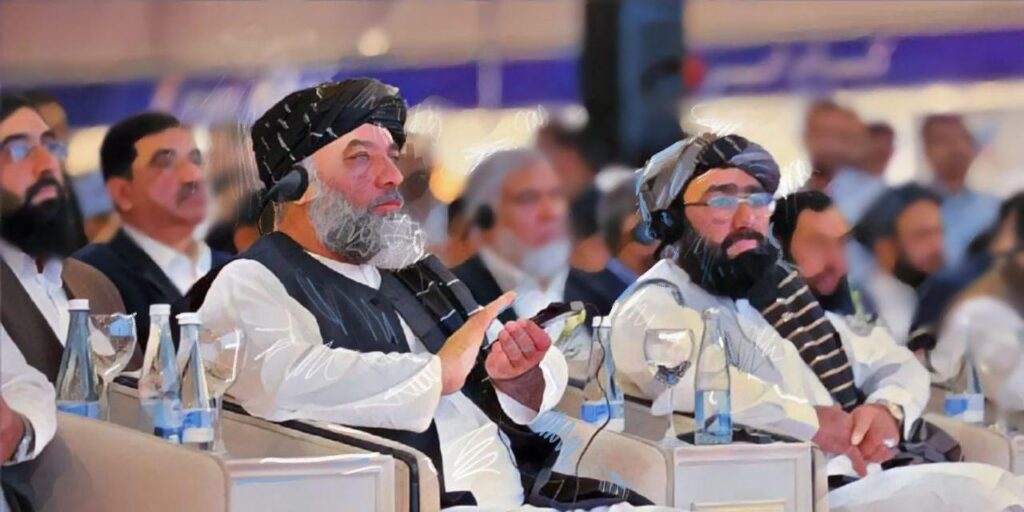
Central Asia is becoming even more important to Afghanistan. After the Taliban returned to power in August 2021, most of the countries of Central Asia established a dialogue with its leadership that focused on business potential, backed up by security promises. This understanding is more important than ever to the Taliban government, as events along Afghanistan’s eastern and western borders have left Central Asia as the only reliable import-export route for Afghanistan at the moment. Booming Trade At the start of March, Afghanistan’s Ministry of Industry and Commerce released figures for 2025 that showed trade with Central Asia increased from $1.79 billion in 2024 to $2.4 billion in 2025. While most of the trade is exports from Central Asia to Afghanistan, reports mentioned that Afghan exports to Central Asia -- mostly to Kazakhstan and Uzbekistan -- increased by 77 percent, from $122 million in 2024 to $216 million in 2025. A closer look shows that Uzbekistan-Afghanistan trade in 2025 totaled some $1.6 billion.  A full figure for Kazakh-Afghan trade in 2025 is not yet available. However, trade between Kazakhstan and Afghanistan amounted to some $525.2 million in 2024.  Kazakhstan's Deputy Prime Minister Serik Zhamangarin said at a Kazakh-Afghan business forum in Kazakhstan’s southern city of Shymkent in October 2025 that bilateral trade in the first eight months of 2025 had reached some $335.9 million. These figures are certain to have grown.  Fresh agreements worth more than $360 million were signed on the sidelines of the Kazakh-Afghan business forum. On March 6, Uzbekistan’s President Shavkat Mirziyoyev signed a decree ratifying the Preferential Trade Agreement between Uzbekistan and Afghanistan. Trade totals for Kyrgyzstan, Turkmenistan, and Tajikistan with Afghanistan are more modest, but, as in the cases of Kazakhstan and Uzbekistan, are set to grow.  Kyrgyz-Afghan trade for the 12 months to March 2025 came to some $66 million, but, during a Kyrgyz-Afghan business conference in Kabul commercial contracts worth some $157 million were signed.  There are no figures for Turkmen-Afghan trade in 2025, but Turkmen electricity exports to Afghanistan are increasing. Turkmenistan is also preparing to export natural gas to Afghanistan. A natural gas pipeline is slowly being constructed from the Turkmen border to the western Afghan city of Herat, which could start operation as soon as 2027. Tajikistan was the lone Central Asian country to shun contact with the Taliban after they returned to power. Representatives of the previous government of Ashraf Ghani continue to occupy the Afghan embassy in Dushanbe.  Tajik and Taliban authorities finally established contacts only in late 2024 but even to this day the two sides rarely meet face-to-face. However, Tajik-Afghan trade in 2025 still totaled some $120 million. Afghanistan’s Ministry of Industry and Commerce noted that most of Central Asia’s exports to Afghanistan are electricity, fuel products, and natural gas. Uzbekistan, Tajikistan, and Turkmenistan export electricity to Afghanistan via transmission lines that were built during the 20 years the Taliban were out of power. Some 80 percent of Afghanistan’s electricity is imported, and most of that (75-80 percent) comes...

Tajik Police to Patrol Dushanbe on Electric Scooters

Police officers in Dushanbe have been equipped with electric scooters to patrol the streets of the Tajik capital. The Ministry of Internal Affairs said the initiative is intended to improve police efficiency and strengthen public safety. “In order to enhance security and maintain public order, police officers in the capital have been provided with electric patrol scooters,” the ministry said in an official statement. The new scooters are fitted with special equipment required for law enforcement duties, including signal beacons and sound systems. According to the ministry, the scooters can travel up to 100 kilometers on a single charge, making them suitable for daily patrols. “In the future, police officers in the capital will use these scooters in public spaces. This will help improve the effectiveness of police work and contribute to a greater sense of safety among residents,” the statement added. The use of compact electric transport in policing is becoming increasingly widespread. Such solutions enable officers to move more quickly in pedestrian areas, parks, and crowded locations where the use of patrol cars may be impractical. A similar approach has already been tested in Kazakhstan. At the end of August 2025, a large-scale operation was conducted in Almaty to monitor compliance with regulations on electric scooter use. Fifty police officers on electric scooters took part. The Almaty Police Department said that using this type of transport allowed officers to respond more quickly to offenses. According to police representatives, electric scooters help officers operate efficiently in crowded areas and in locations that are difficult for vehicles to access, while also facilitating preventive engagement with the public. Officials say that the pilot initiative was successful. Following the initial operations, discussions began on the possibility of introducing electric transport as a permanent feature of urban policing.

China to Fund Construction of Nine Border Facilities in Tajikistan Near Afghanistan

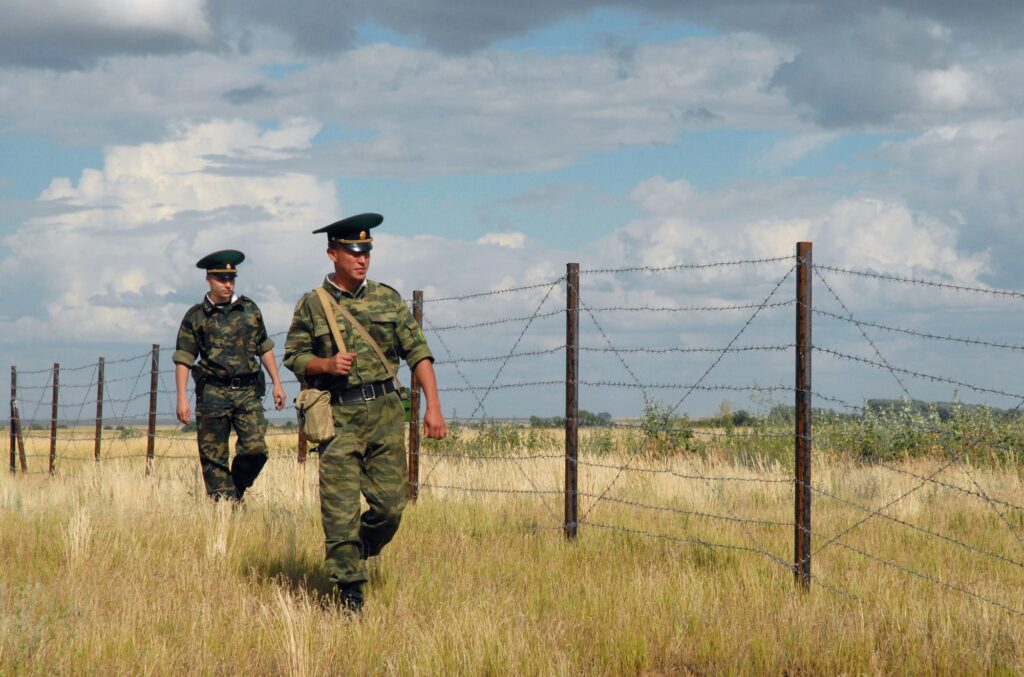
China will finance the construction of nine border facilities in Tajikistan’s frontier regions with Afghanistan, according to a project approved by Tajik lawmakers earlier this month. The plan was reviewed and adopted during a March 4 session of the Majlisi Namoyandagon, the lower house of Tajikistan’s parliament, Asia-Plus reported. The construction project, valued at more than 550 million Tajikistani somoni (approximately $57,425,000), will be fully funded by the Chinese government. In turn, Tajikistan will exempt the project from taxes, customs duties, and other mandatory payments. According to Muradali Rajabzoda, first deputy chairman of Tajikistan’s State Committee for National Security, the initiative is intended to strengthen the logistical and technical capabilities of the country’s border forces. Speaking during the parliamentary session, Rajabzoda said the project would be implemented in three phases, with exchange letters already signed to launch the second stage. The total construction area of the facilities is expected to reach 17,109 square meters. Rajabzoda said the Chinese government would provide the financing “on a grant basis,” meaning the funds will not need to be repaid. Although authorities have not disclosed the precise locations of the planned installations, they confirmed that the facilities will be built in Tajikistan’s border regions with Afghanistan. According to Bahriddin Ziyoi, a member of the parliamentary committee on law enforcement, defense, and security, the Chinese side will also carry out research and design work related to the project. In addition to financing construction, China is expected to supply equipment, building materials, and engineering specialists. Chinese engineers will travel to Tajikistan to install and configure technical systems at the sites. The project will also include office and residential furnishings, computers, and other equipment necessary for operating the facilities. Infrastructure development will form another component of the plan. China will assist in building access roads to the border facilities and installing water supply, drainage systems, and electricity connections. Funding from Beijing is expected to begin after internal procedures in China are completed. Tajik authorities say the exchange letters governing the project were approved by the government in November 2025 and later submitted to parliament following consultations with relevant ministries and agencies. Officials also stated that the documents underwent an anti-corruption review and no risks were identified. The new facilities follow earlier cooperation between the two countries. According to Tajik security officials, 12 border installations were constructed in 2017-2018 in Tajikistan’s frontier areas with Afghanistan with financial support from China. Security cooperation between the two countries has previously drawn international attention. In 2024, the British newspaper The Telegraph reported that China had built a secret military base in Tajikistan, citing satellite imagery and describing a facility in mountainous terrain where Chinese and Tajik forces allegedly conducted joint exercises. Tajik authorities have repeatedly rejected those claims. The Ministry of Foreign Affairs has stated that reports about a Chinese military base on Tajik territory “do not correspond to reality,” adding that the issue has not been part of bilateral discussions between the two countries. China and Tajikistan have expanded security...

Moody’s Upgrades Tajikistan’s Credit Rating to B2, Citing Economic Improvements

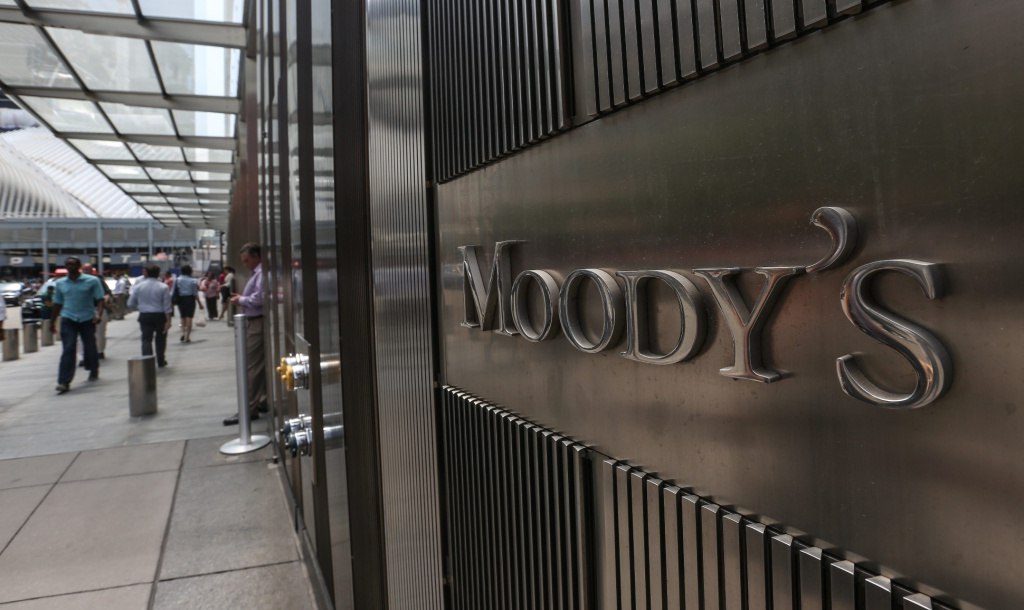
International rating agency Moody’s has upgraded Tajikistan's long-term sovereign credit rating to B2 with a stable outlook, according to the National Bank of Tajikistan. According to the financial regulator, Tajikistan has been cooperating with Moody’s since 2014, and the latest decision marks the first time the country’s sovereign rating has been raised to the B2 level. The National Bank said the upgrade reflects the government’s ongoing economic reforms and policy measures aimed at strengthening the country’s financial system and macroeconomic stability. Moody’s cited several factors behind the upgrade from B3 to B2, including sustained economic growth in recent years, improvements in fiscal management, and continued positive macroeconomic trends. The agency also highlighted progress in structural reforms, reduced risks related to public debt, and improvements in public financial management. The stable outlook indicates Moody’s expectation that Tajikistan will maintain prudent fiscal and monetary policies in the coming years. A B2 sovereign rating signals moderate creditworthiness. This means that while the country is capable of meeting its financial obligations, certain economic and external risks remain. Compared with the previous B3 rating, the upgrade reflects a stronger financial position and increased confidence from international financial markets. The stable outlook also suggests that no major macroeconomic shocks are expected in the medium term and that economic risks are considered manageable. Assessments by international rating agencies play an important role for countries seeking access to global financial markets. First, sovereign credit ratings help investors and lenders evaluate a government’s ability to meet its financial obligations, which directly affects borrowing costs and loan conditions. Second, a higher rating increases a country’s attractiveness to international investors. Global financial institutions often rely on such ratings when assessing investment risks, meaning improvements can help attract foreign capital. Credit ratings are also viewed as indicators of economic stability and fiscal discipline, strengthening confidence in government policies among international partners and domestic market participants. In addition, sovereign ratings influence external debt management and help governments raise financing for infrastructure and social development projects. The Moody’s upgrade is not the only positive signal for Tajikistan’s economy. Just a month earlier, another major international rating agency, Standard & Poor’s, improved the outlook on Tajikistan’s long-term sovereign credit rating from stable to positive while maintaining the rating at B. Taken together, the assessments from two leading global rating agencies highlight improvements in Tajikistan’s macroeconomic conditions and point to stronger prospects for financial stability in the coming years.

Dushanbe and London Agree on Cooperation on Critical Minerals

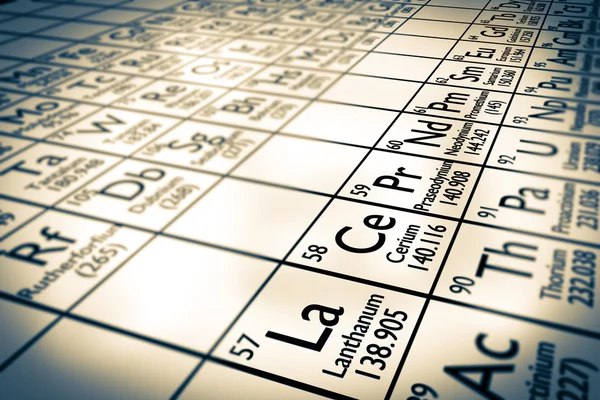
The Tajik government has approved a draft memorandum of understanding with the United Kingdom on cooperation in the field of critical minerals. The agreement is expected to be concluded between Tajikistan’s Ministry of Industry and New Technologies and the UK government. The draft memorandum emphasizes the strategic importance of critical minerals for the global economy. These resources are essential for industrial development, advanced technologies, and the transition to low-carbon energy systems. The document notes that sustainable and transparent supply chains for such minerals are crucial for economic security. The market for these resources remains vulnerable due to the high concentration of production in a limited number of countries and the risk of supply disruptions. Cooperation between Tajikistan and the UK aims to diversify supply sources and promote the development of more sustainable international supply chains for the extraction and processing of raw materials. The parties also intend to implement high sustainable development standards throughout project lifecycles, including environmental, social, and governance (ESG) principles. The memorandum also includes the possibility of export credit and project insurance, subject to certain conditions. In addition to business cooperation, the agreement provides for the development of scientific and educational initiatives. In particular, the following measures are planned: the creation of academic partnerships; the exchange of experience between research institutes; strengthening the institutional capacity of the mining sector. A joint working group on critical minerals will be established to coordinate cooperation, with meetings planned twice a year. The memorandum will be valid for five years, with the possibility of automatic renewal. Tajikistan has significant reserves of several strategic resources. According to geologists, there are indications of lithium deposits in the country, a key metal used in the production of electric vehicle batteries and electronics. Rare earth elements have also been identified, including potential deposits of cerium and praseodymium, which are used in electronics and renewable energy technologies. In addition, the country has reserves of niobium and tantalum.

Why Tajikistan Lags Behind Global Animal Welfare Standards

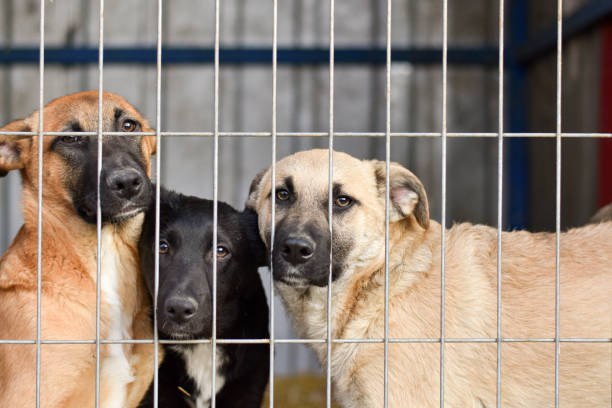
While animals are legally recognized as sentient beings and, in some countries, effectively regarded as family members, their legal status in Tajikistan remains ambiguous. The absence of a dedicated animal protection law, the continued shooting of stray animals, and illegal wildlife trade point to a systemic issue that extends beyond animal welfare. Tajikistan has not adopted a specific law on animal protection, despite ratifying the United Nations Convention on Biological Diversity in 1997, which calls for the protection of wild and domestic fauna. In practice, regulation of stray animal populations often consists of culling by shooting. At the same time, other forms of cruelty reportedly persist. Although dog fighting is officially prohibited, activists say such events continue to take place. Cases of mass poisoning and other acts of violence against animals are frequently reported, but rarely result in publicized prosecutions. The country has no state-run animal shelters. The few private shelters that operate rely primarily on donations. Experts have also raised concerns about the condition of zoos, which they argue do not meet international animal welfare standards. Additional alarm has been triggered by reported incidents of illegal wildlife trade, including cases involving lion cubs. Despite public outcry in some instances, such cases have seldom led to broader legislative reform or sustained enforcement efforts. Sociologist and animal rights activist Malika Abdulvasieva argues that a weak legal framework contributes to a culture of impunity. “Unpunished cases of cruelty, from mass poisonings to shootings by housing and utilities employees, gradually normalize cruelty in society. This has a particularly negative impact on young people and generally leads to an increase in aggression and violence,” she said. One of the key priorities for activists remains the advancement of a comprehensive animal protection bill. However, even establishing a formally registered animal rights organization reportedly involves complex administrative procedures. In the absence of a unified state strategy, civil society groups and private businesses are attempting to fill the gap. Representatives of the Brigitte Bardot Foundation are expected to visit Dushanbe this year, and a large-scale free sterilization and castration program for stray animals is being planned in cooperation with German partners. However, activists emphasize that isolated initiatives cannot substitute for a coherent national policy framework.