• KGS/USD = 0.01144 0%
  • KZT/USD = 0.00212 0%
  • TJS/USD = 0.10456 0.19%
  • UZS/USD = 0.00008 0%
  • TMT/USD = 0.28490 0%
  • KGS/USD = 0.01144 0%
  • KZT/USD = 0.00212 0%
  • TJS/USD = 0.10456 0.19%
  • UZS/USD = 0.00008 0%
  • TMT/USD = 0.28490 0%
  • KGS/USD = 0.01144 0%
  • KZT/USD = 0.00212 0%
  • TJS/USD = 0.10456 0.19%
  • UZS/USD = 0.00008 0%
  • TMT/USD = 0.28490 0%
  • KGS/USD = 0.01144 0%
  • KZT/USD = 0.00212 0%
  • TJS/USD = 0.10456 0.19%
  • UZS/USD = 0.00008 0%
  • TMT/USD = 0.28490 0%
  • KGS/USD = 0.01144 0%
  • KZT/USD = 0.00212 0%
  • TJS/USD = 0.10456 0.19%
  • UZS/USD = 0.00008 0%
  • TMT/USD = 0.28490 0%
  • KGS/USD = 0.01144 0%
  • KZT/USD = 0.00212 0%
  • TJS/USD = 0.10456 0.19%
  • UZS/USD = 0.00008 0%
  • TMT/USD = 0.28490 0%
  • KGS/USD = 0.01144 0%
  • KZT/USD = 0.00212 0%
  • TJS/USD = 0.10456 0.19%
  • UZS/USD = 0.00008 0%
  • TMT/USD = 0.28490 0%
  • KGS/USD = 0.01144 0%
  • KZT/USD = 0.00212 0%
  • TJS/USD = 0.10456 0.19%
  • UZS/USD = 0.00008 0%
  • TMT/USD = 0.28490 0%

Viewing results 79 - 84 of 2871

Central Asia Updates from Mideast Conflict

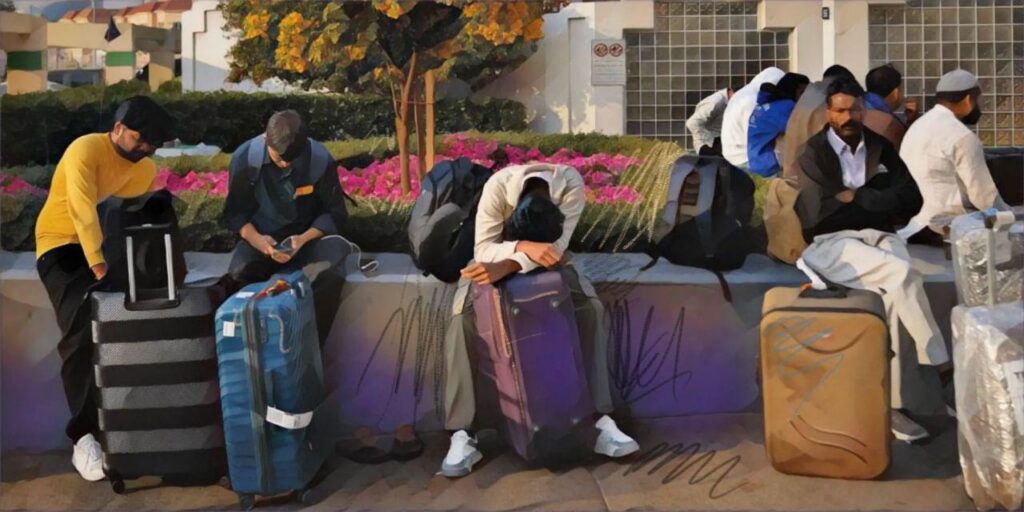
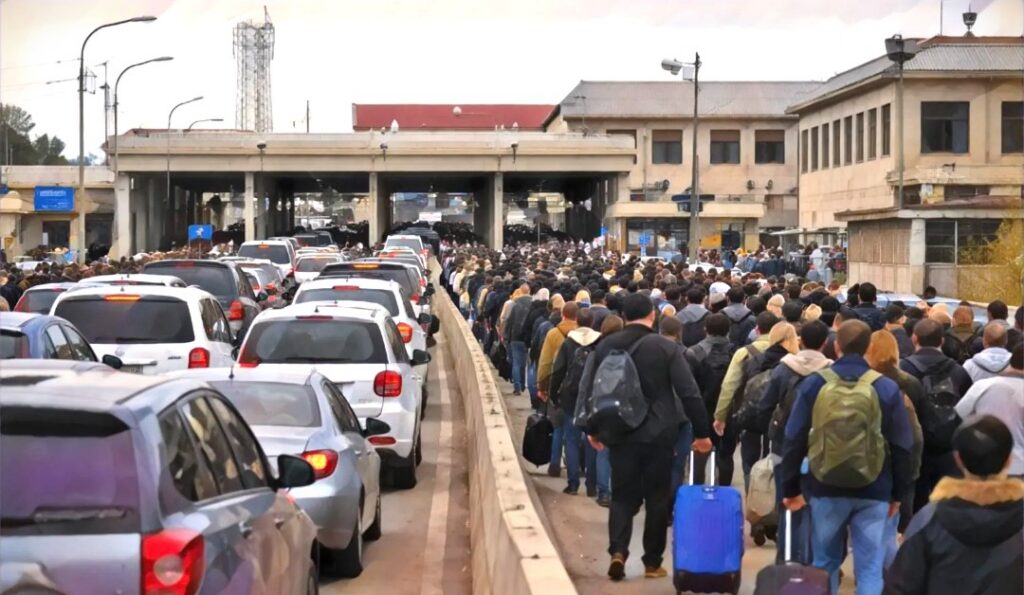
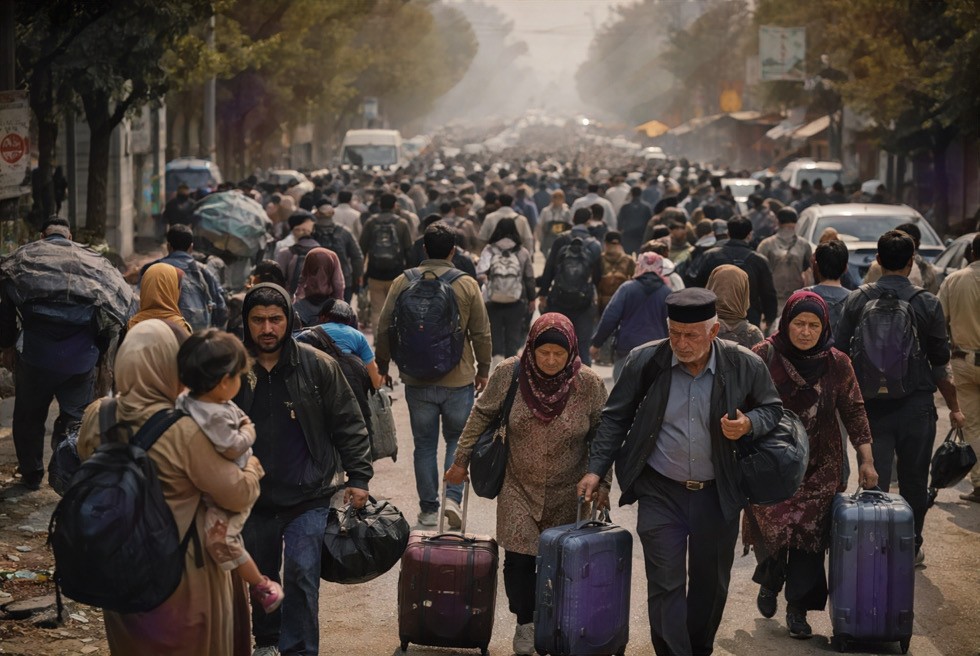
Kazakhstan has expressed sorrow over the deaths of young students in what appeared to be an air strike that hit a girls’ primary school in the southern Iranian city of Minab. “I received the news of the death of 160 schoolgirls in Iran - with deep distress. The interruption of the lives of children, who must get education and step into the future on a peaceful day, is an irreplaceable tragedy for all humanity,” Education Minister Zhuldyz Suleimenova said on Facebook on Monday. “As a parent, I believe that children should never be victims of any kind of conflict, or political disputes,” Suleimenova said. “Their safety and well-being is one of the most important values for the international community and for every state.” Health officials and state media in Iran have reported a higher death toll of at least 175 in the destruction at the school on Saturday, saying most of the dead were probably children. The U.S. military said it was looking into reports of civilian casualties during its operations against the Iranian government. Some reports say the school that was hit is near an Iranian military installation, one of many targeted by U.S. and Israeli strikes since the military air campaign began on Saturday. Kyrgyzstan is working to help hundreds of its citizens who are stranded in Gulf countries because of the Mideast conflict. Diplomats are negotiating with hotels to make sure that Kyrgyz nationals are not evicted, Seitek Zhumakadyr uulu, head of the consular department of Kyrgyzstan’s Ministry of Foreign Affairs, said on Monday. He said there are 800 stranded Kyrgyz citizens in Qatar and about 1,000 in the United Arab Emirates, according to Kyrgyzstan’s state news agency Kabar. Most Kyrgyz citizens in Saudi Arabia are performing Umrah, the Islamic pilgrimage to Mecca, the official said. Thousands of pilgrims have been affected by the air strikes on Iran and retaliation by Iranian forces. Airspace in many parts of the region is closed to commercial traffic and airlines have suspended flights. However, Ulukbek Maripov, Kyrgyzstan’s ambassador in Saudi Arabia, has said that airports there are operating relatively well. There are no reports of Kyrgyz civilian casualties in the conflict. Uzbekistan’s diplomats in Turkmenistan's capital Ashgabat are arranging assistance for Uzbek citizens who want to leave Iran and cross into neighboring Turkmenistan. “Embassy officials will meet citizens at the Turkmen-Iranian border crossing in the city of Sarakhs,” Uzbekistan’s state news agency Dunyo reported. “Official vehicles of the Embassy of Uzbekistan in Ashgabat have been mobilized to facilitate onward travel arrangements.” The Iranian city of Sarakhs is a key transit point for trade between Iran and Central Asia. The border between Iran and Turkmenistan is more than 1,000 kilometers. A Tajik citizen who was leaving Iran by crossing into Azerbaijan needed medical assistance at the border. “A female citizen of Tajikistan experienced health problems during the evacuation from Iran via the Azerbaijani border,” the Azerbaijani Press Agency reported. “She applied to a doctor present at the checkpoint. The Tajik citizen...

Uzbekistan Urges Restraint as Afghanistan-Pakistan Border Clashes Escalate

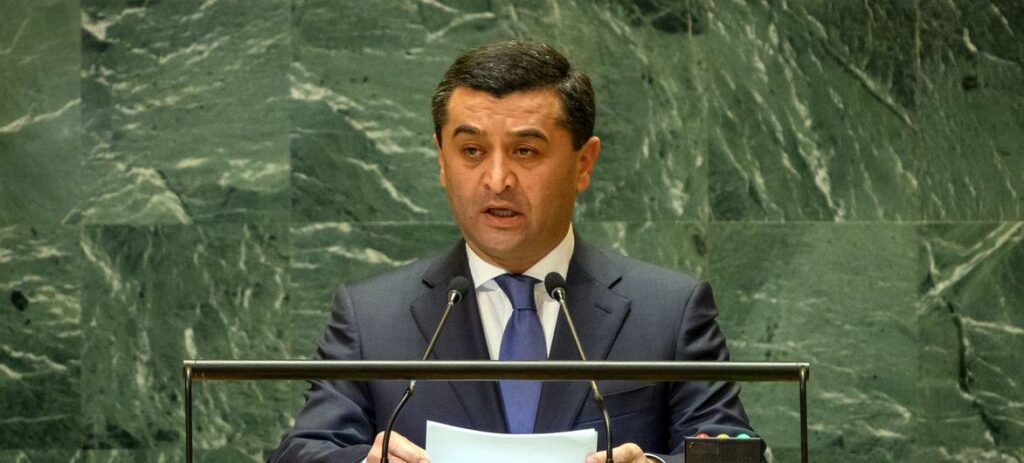
Armed clashes along the Afghanistan-Pakistan border have intensified, prompting Uzbekistan to call for restraint and a diplomatic resolution. Active hostilities reportedly began after Afghan forces opened fire on Pakistani military posts in mountainous areas along the Durand Line in northwestern Pakistan, according to media reports on February 27. Officials in Uzbekistan view stability along the Afghanistan-Pakistan border as directly linked to Central Asian security. Potential regional risks include the proliferation of illegal weapons, drug trafficking, militant activity, refugee flows, and possible disruptions to trade and transit corridors. Uzbekistan has expanded economic and infrastructure cooperation with Afghanistan in recent years, making border stability a strategic priority for both the country and the wider region. Exchanges of fire lasted more than two hours. Clashes were reported in the Afghan provinces of Khost, Paktia, and Nuristan, as well as near the Torkham border crossing, one of the region’s key transit routes. According to reports from Afghan sources, Afghan forces captured 19 Pakistani checkpoints during a large-scale operation and claimed that approximately 55 Pakistani soldiers were killed. Afghan authorities described the operation as a response to recent Pakistani airstrikes on Afghan territory. Kabul reported its own casualties at eight soldiers killed and 11 wounded. Within hours, Pakistan launched a counteroffensive across multiple sections of the border under an operation referred to as “Fury of Truth.” The escalation followed earlier Pakistani airstrikes in Nangarhar and Paktika provinces, which Islamabad said targeted fighters linked to Tehreek-e-Taliban Pakistan (TTP) and Islamic State-Khorasan. Pakistani officials stated that at least 70 militants were killed, while Taliban authorities asserted that civilian areas had been struck. The United Nations reported at least 13 civilian deaths and seven injuries in Nangarhar and confirmed no civilian casualties in Paktika. As tensions rose, Pakistan’s Special Representative for Afghanistan, Mohammad Sadiq, said he discussed regional security concerns with Uzbekistan’s Special Representative for Afghanistan, Ismatilla Irgashev. In a statement posted on X, Sadiq referred to reports alleging that more than 2,500 Uzbek militants are currently based in Afghanistan, describing them as one of the largest foreign militant groups operating in the country after TTP. United Nations Security Council reports have previously confirmed the presence of several armed groups in Afghanistan, including the Islamic Movement of Uzbekistan. However, independent verification of the current figures cited by Pakistani officials has not been publicly confirmed. Uzbekistan responded through diplomatic channels. Foreign Minister Bakhtiyor Saidov held separate phone conversations with Afghanistan’s Foreign Minister Mawlawi Amir Khan Muttaqi and Pakistan’s Deputy Prime Minister and Foreign Minister Muhammad Ishaq Dar. The discussions focused on preventing further escalation and preserving stability along the border. Saidov emphasized the importance of restraint and dialogue, stating that diplomatic engagement must remain the primary mechanism for addressing emerging challenges. Uzbekistan’s Ministry of Foreign Affairs later issued a formal statement expressing deep concern over the deterioration of the situation and calling for an immediate ceasefire, maximum restraint, and the resolution of disagreements through peaceful political and diplomatic means based on respect for sovereignty and territorial integrity.

Iran Volatility Tests Central Asia’s Overland Corridors

The current escalation around Iran holds the potential for transforming the long-term geopolitical configuration of Eurasia, including Central Asia. In the short and medium term, aside from the security and safety of its citizens, Central Asia's main concern is economic, because it puts stress on overland rail and trucking routes that cross Iranian territory. Central Asian exporters do not ship through the Gulf, so for now the key issue is whether an Iran-crossing land route remains reliable enough, and financeable enough, to serve as a routine outlet for trade. The Iran transit option differs from trans-Caspian reliance on ports and rail interfaces around the Caspian Sea, transiting to onward rail across the South Caucasus and into Europe. The Iran option offers a continuous land arc from Central Asian railheads and road networks into Iran, then onward to Türkiye and connected European rail networks, with the additional possibility of reaching Iran’s southern ports for Indian Ocean-facing trade. Each route has its own chokepoints, paperwork burdens, and exposure to risk premiums. Rail is efficient for bulk and container flows when schedules and documentation are stable. Trucking provides flexibility, short-notice capacity, and last-mile options, but it is more sensitive to security conditions and border clearance delays. Technical capacity at the Iran–Turkmenistan crossings is key. Recent reports of discussions in Sarakhs describe efforts to expand the use of a specialized rail logistics process whereby entire wheel assemblies are replaced on railcars to transition between different track gauges. There is also a need to address customs constraints at Sarakhs and Incheh Borun. Against that operational background, Kazakhstan has signaled diplomatic attention to Gulf partners and Jordan. President Kassym-Jomart Tokayev has sent messages of support to leaders of the United Arab Emirates, Saudi Arabia, Qatar, Bahrain, and Kuwait, followed by a similar message to Jordan, and a phone call with Qatar’s emir. The language emphasized solidarity and diplomacy and, in commercial terms, reads as partner-management. It reassures major investors and energy-market counterparts that Kazakhstan is engaged, attentive, and positioning itself for stability rather than escalation. The trans-Iran rail foundation is over a decade old. On December 3, 2014, the presidents of Kazakhstan, Turkmenistan, and Iran inaugurated the 928-kilometer Uzen–Bereket–Gorgan railway, characterized by RFE/RL (which gave the length as 935 kilometers) as the shortest railway connecting the three states. The International Union of Railways similarly notes the inauguration of the Gorgan–Inche Boroun link on that date as part of the corridor connecting Iran to Turkmenistan and Kazakhstan. Recent reporting suggests renewed efforts to operationalize the Iran option as a westbound channel. Uzbekistan, in cooperation with Türkiye, launched freight rail services along the Uzbekistan–Turkmenistan–Iran–Türkiye route in 2022. The Organization of Turkic States described a December 2022 event in Tashkent as the first freight train organized from Türkiye to Uzbekistan, which anchors the same basic idea: make westbound rail via Iran more regular and more visible to logistics markets. The point is not that Iran becomes the sole answer, but that Central Asian exporters and transit states have been...

Central Asia Confronts Iran War Fallout as Trade Routes and Citizens Come Under Pressure

Central Asian governments are racing to protect citizens and keep trade moving as the U.S.–Israel war with Iran widens across the Middle East, disrupting airspace and driving up shipping and energy costs. The effects of the conflict are reaching a region that has spent the past four years trying to diversify trade routes and reduce dependence on maritime chokepoints, now disrupted by rising risk and transport volatility. The threat to its citizens has become immediate for Central Asian governments. On March 1, Kazakhstan’s Foreign Ministry said that it was working on evacuation measures for its nationals in escalation zones and urged citizens to follow official updates from diplomatic missions. It also advised Kazakh citizens in Iran to explore overland exits, including via Azerbaijan, Armenia, Türkiye, and Turkmenistan, given airspace closures and flight suspensions. Uzbekistan’s Foreign Ministry issued safety guidance for citizens in the United Arab Emirates, urging them to avoid crowded areas and adhere to official security directives as tensions in the region escalated. Tajik nationals have already been among those leaving Iran through Azerbaijan’s Astara crossing, with The Times of Central Asia reporting yesterday that five civilians from Tajikistan are among foreigners from numerous countries who have crossed from Iran into Azerbaijan. For Central Asia, the crisis is hitting both its people and its trade routes. The same border crossings used for evacuations sit on corridors that carry freight and connect the region to southern markets. Azerbaijan’s role as a transit hub has grown sharply over the past decade, but in this crisis, it is also a pressure valve for land exits from Iran. As of March 2, more than 300 people have been evacuated from Iran via Azerbaijan. Any tightening at borders or disruptions to rail and road links around the Caspian immediately affect how Central Asian states move both people and cargo. Oil and shipping costs are rising sharply. On March 1, oil prices jumped by around 10%, with analysts warning prices could move toward $100 a barrel if disruption in the Strait of Hormuz worsens. The impact across Central Asia has been uneven. Kazakhstan may see stronger export revenues in the short term due to higher crude prices, but that gain comes with volatility and increased import costs across the region. ING stated that stronger commodity prices could improve the external balance of fuel exporters such as Kazakhstan, while increasing inflation risks for importers. Shipping poses a deeper structural risk. Tanker owners and traders have slowed or suspended transits through the Strait of Hormuz because of security fears and insurance constraints, even without a formal blockade. Higher risk premiums feed directly into freight rates on the routes Central Asian exporters use to reach Europe, the Gulf, and South Asia. When insurers reprice war risk, smaller shippers and landlocked economies absorb the cost first. Iran is central to Central Asia’s trade geography. It serves as a transit state for the southern corridor linking Central Asian rail and port networks to Türkiye, Europe, and the Gulf. Central Asian...

EBRD Provides €20 Million Loan to Expand Uzbekistan’s Pharmaceutical Production

Uzbekistan is taking further steps to strengthen its pharmaceutical industry and healthcare system through new investment and sector reforms aimed at reducing reliance on imported medical products. The European Bank for Reconstruction and Development (EBRD) has announced a loan of up to €20 million to its long-term client Samarkand England Eco-Medical (SEEM) and its sister company, Bayan Medical. Both companies produce intravenous solutions, including sodium chloride, glucose, and amino acid infusions, as well as generic and specialized medicines in tablet and capsule form. The financing will support the installation of new production lines at SEEM, enabling the company to expand manufacturing of in-glass intravenous solutions, antibiotics, syrups and suspensions, medical-grade water, nasal sprays, suppositories, and ointments. Part of the funds will also be allocated to modernizing Bayan Medical’s facilities, including energy-efficiency upgrades and the installation of a blow-fill-seal ampoule production line and other specialized equipment. The companies are also expected to restructure their balance sheets as part of the project. The investment comes at a time when approximately 75% of medical goods used in Uzbekistan are imported. Expanding domestic production capacity is intended to promote localization, strengthen supply security, and align manufacturing standards with international requirements. The project also includes social and workforce components. Bayan Medical plans to introduce internship opportunities for university graduates, expand professional training programs for employees, and create new jobs, including positions accessible to people with disabilities. To date, the EBRD has invested nearly $6.9 billion (€5.8 billion) in Uzbekistan across 205 projects, the majority of which have supported private sector development. Uzbekistan has been the largest recipient of EBRD funding in Central Asia for six consecutive years, reflecting sustained economic reforms and investor engagement. Healthcare indicators point to broader structural progress. According to the 2024 Health Care Index published by CEOWORLD magazine, Uzbekistan ranks first in Central Asia and 64th globally, with a score of 36.26. Kazakhstan ranks 78th, and Turkmenistan 95th. Data from the World Health Organization and the World Bank indicate that Uzbekistan’s Universal Health Coverage service index rose from the mid-50s in 2000 to the mid-70s by 2021, suggesting expanded access to essential medical services. Authorities aim to further increase coverage by 2027 while reducing out-of-pocket healthcare spending through strengthened primary care systems and clearer guarantees of publicly funded services.

Escalation with Iran at the Epicenter: How Central Asian Countries Are Reacting

Over the past weekend, the Middle East has once again become a focal point of global tensions. At the center of the escalation is Iran, a country with which Central Asian states intensified engagement last year following the visit of President Masoud Pezeshkian to the region. As events unfold, the potential regional and economic consequences have become a key concern for Central Asian leaders. Kazakhstan President Kassym-Jomart Tokayev responded swiftly on February 28, as Iran was reportedly preparing a retaliatory strike targeting not only Israel, which, together with the U.S., had assumed responsibility for the latest escalation, but also several Arab states in the Persian Gulf. On February 27, Tokayev received U.S. Ambassador to Kazakhstan Julie Stufft. According to the official readout, the sides exchanged views “on further cooperation within the framework of the Board of Peace.” While it remains unclear whether the meeting was directly linked to impending military developments, Kazakhstan’s leadership moved quickly the following day. On February 28, the president instructed Security Council Secretary Gizat Nurdauletov, together with the heads of law enforcement agencies and relevant ministries, to prepare an emergency action plan in light of the escalating situation around Iran and potential risks to domestic stability. All law enforcement agencies were placed on heightened alert, and a special monitoring group was established within the government under the supervision of the Ministry of Foreign Affairs. Regional governors were instructed to assess potential risks stemming from developments in the Middle East. Late on March 1, presidential press secretary Aibek Smadiyarov announced that Tokayev had sent personal messages to the leaders of the United Arab Emirates, Saudi Arabia, Qatar, Bahrain, and Kuwait, expressing solidarity and support during what he described as a difficult period. Tokayev strongly condemned military actions that undermine the sovereignty and security of states friendly to Kazakhstan. “Our country consistently advocates resolving complex international problems and armed conflicts exclusively through diplomatic means,” Tokayev stated. He also expressed Kazakhstan’s readiness to provide assistance if necessary and reaffirmed the importance of maintaining working contacts with regional leaders. Subsequently, Tokayev held telephone conversations with Emir of Qatar Sheikh Tamim bin Hamad Al Thani and President of the United Arab Emirates Sheikh Mohammed bin Zayed Al Nahyan. In both calls, Tokayev expressed serious concern over the escalation and reiterated Kazakhstan’s support and solidarity. During the conversation with the UAE president, Tokayev also noted reports that civilian infrastructure had been damaged and stated that attacks on civilian targets deserve strong condemnation. Sheikh Mohammed bin Zayed Al Nahyan thanked Kazakhstan for its support and expressed appreciation for its readiness to assist in overcoming the crisis. Uzbekistan Uzbekistan, alongside Kazakhstan, suspended flights to several Middle Eastern destinations, with some aircraft reportedly turning back after departure. The Ministry of Foreign Affairs issued emergency contact information for Uzbek diplomatic missions and urged citizens abroad or planning to travel, to closely monitor official updates from host countries and Uzbek embassies. The ministry advised citizens to maintain communication with diplomatic missions, register with consular services when necessary,...