• KGS/USD = 0.01144 0%
  • KZT/USD = 0.00210 0%
  • TJS/USD = 0.10553 0.19%
  • UZS/USD = 0.00008 0%
  • TMT/USD = 0.28530 0%
  • KGS/USD = 0.01144 0%
  • KZT/USD = 0.00210 0%
  • TJS/USD = 0.10553 0.19%
  • UZS/USD = 0.00008 0%
  • TMT/USD = 0.28530 0%
  • KGS/USD = 0.01144 0%
  • KZT/USD = 0.00210 0%
  • TJS/USD = 0.10553 0.19%
  • UZS/USD = 0.00008 0%
  • TMT/USD = 0.28530 0%
  • KGS/USD = 0.01144 0%
  • KZT/USD = 0.00210 0%
  • TJS/USD = 0.10553 0.19%
  • UZS/USD = 0.00008 0%
  • TMT/USD = 0.28530 0%
  • KGS/USD = 0.01144 0%
  • KZT/USD = 0.00210 0%
  • TJS/USD = 0.10553 0.19%
  • UZS/USD = 0.00008 0%
  • TMT/USD = 0.28530 0%
  • KGS/USD = 0.01144 0%
  • KZT/USD = 0.00210 0%
  • TJS/USD = 0.10553 0.19%
  • UZS/USD = 0.00008 0%
  • TMT/USD = 0.28530 0%
  • KGS/USD = 0.01144 0%
  • KZT/USD = 0.00210 0%
  • TJS/USD = 0.10553 0.19%
  • UZS/USD = 0.00008 0%
  • TMT/USD = 0.28530 0%
  • KGS/USD = 0.01144 0%
  • KZT/USD = 0.00210 0%
  • TJS/USD = 0.10553 0.19%
  • UZS/USD = 0.00008 0%
  • TMT/USD = 0.28530 0%

Viewing results 175 - 180 of 1169

Border Violence Between Afghanistan and Pakistan: A New Risk for Central Asia

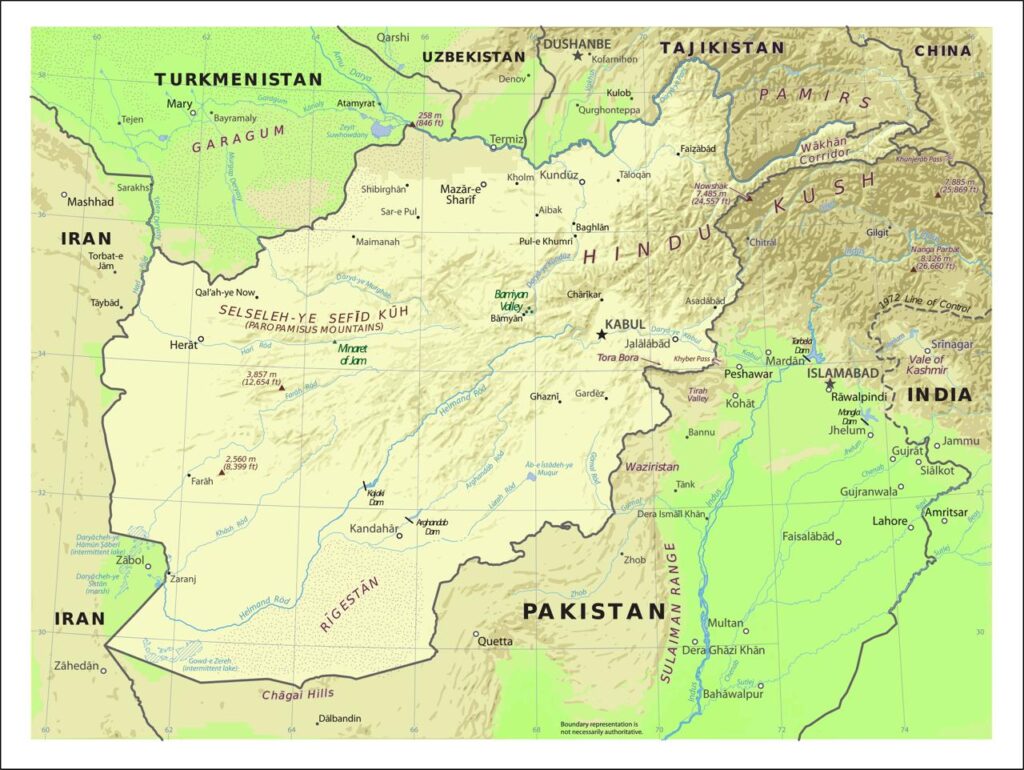
The escalating tensions between Afghanistan and Pakistan are forcing a reassessment of Afghanistan’s viability as a “partner space.” With cross-border clashes increasingly resembling a prolonged pattern rather than isolated incidents, and with both sides showing little willingness to compromise, the question grows more urgent: Can Afghanistan realistically become a partner for Central Asian countries, or is it destined to remain a persistent source of regional instability? This confrontation is deeply unsettling for the countries of Central Asia. Still in the early stages of formulating coherent policies toward Afghanistan, they have tentatively linked their development strategies to the hope of having a stable neighbor to the south – one that might serve as a bridge to South Asia. Against this backdrop, deteriorating Afghan-Pakistani relations breed more frustration and anxiety than hope. No country in the world, except Russia, has recognized the Taliban regime de jure. This broad reluctance reflects deep skepticism; few are willing to assume legal obligations or share responsibility for Kabul’s actions. Yet, Afghanistan remains far from isolated. Its geographic centrality makes it impossible to ignore. Accordingly, Central Asia has developed a distinct approach to dealing with its southern neighbor. It can be summarized as: We do not recognize, but we cooperate; we do not trust, but we verify; we do not agree, but we engage. In essence, Afghanistan’s neighbors, particularly the ones in Central Asia, have adopted a pragmatic, long-term strategy: engage without illusions or formal recognition, while maintaining the flexibility to adjust based on Kabul’s behavior. For these countries, Afghanistan does not stand as an independent priority. Its role is evaluated solely within the broader regional framework. In the most favorable scenario, Afghanistan serves as a transit corridor linking South and Central Asia. Yet even this utility is not indispensable; viable alternatives through Iran, the South Caucasus, Turkey, and China already exist and are expanding. Looking ahead, three broad scenarios can be envisioned: Optimistic: The Taliban demonstrate readiness for responsible engagement. This would enable Afghanistan’s gradual integration into trade and transport initiatives, expansion of economic ties, and a firm establishment as a bridge between Central and South Asia. Pessimistic: Afghanistan remains a chronic risk factor and flashpoint for regional crises. The ongoing Afghan-Pakistani confrontation, no longer a fleeting episode but an entrenched conflict, is a clear warning sign. If this becomes the norm, it will deter serious investment, no stakeholder will commit to a country that cannot guarantee peace with its neighbors. Inertia: Central Asian states continue their cautious balancing act under the logic that “a bad peace is better than a good war.” While cooperation continues at a minimal level, countries prioritize alternative routes and avoid deep commitments. Under this status quo, ambitious projects like the Trans-Afghanistan Railway and the TAPI pipeline are unlikely to materialize. The former risks losing the “trans” prefix; the latter may, for now, become little more than a Turkmenistan-Afghanistan venture. Nonetheless, there remains a window for diplomacy. Pressured by Turkey and Qatar, Kabul and Islamabad have agreed to resume negotiations aimed...
Inside Uzbekistan’s Regional Defense Strategy: An In-Depth Interview with Michael Hilliard

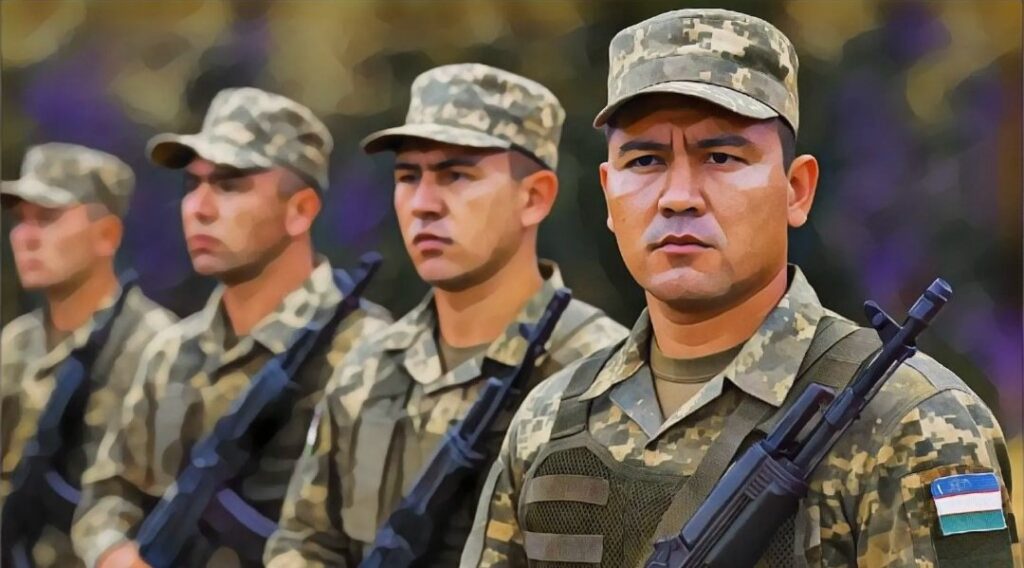
Michael Hilliard is Director of Defense & Security Analysis at the Oxus Society for Central Asian Affairs, where he leads a specialist project analyzing the armed forces of Central Asia. The Oxus Society’s latest report, focusing on Uzbekistan’s military, has just been released. The Times of Central Asia spoke with Hilliard about the report, Uzbekistan’s evolving defense doctrine, and its future role as a military power in the region. TCA: In light of the new report on Uzbekistan’s military, how would you characterize Uzbekistan’s overarching security and defense doctrine, especially in relation to the broader Central Asian region? Michael Hilliard: Uzbekistan’s primary defense doctrine is essentially internally focused. Since independence, and particularly since the events in Andijan in 2005, Tashkent has concentrated on transforming its forces into a rapid-response military with specializations in counterterrorism, crowd control, and dispersal operations. When you speak with officers or policymakers within the defense establishment, 2005 is a recurring reference point. During those early hours, protestors overran a motor rifle unit and seized weapons. Many defense personnel still believe that if they had been able to react faster, the final outcome in the square might have been different. This need for rapid adaptability has driven much of Tashkent’s defense policy since then. TCA: The report notes that Kazakhstan has now overtaken Uzbekistan as the region’s leading military power and that this gap is likely to widen. To what extent does this reflect Tashkent’s greater emphasis on regional cooperation and the resolution of border disputes, rather than competition? Hilliard: Kazakhstan’s economic dominance makes this outcome unsurprising. The country now accounts for just under 60% of Central Asia’s total GDP as of 2024. With that level of wealth, Astana naturally has greater resources to allocate to defense. However, Uzbekistan traditionally spends a higher proportion of its budget on the military. Despite having only half of Kazakhstan’s GDP, it has often matched Kazakhstan’s defense spending in real terms. If Kazakhstan simply accelerates its defense spending to the regional average, it will quickly surge ahead. Ultimately, it’s an issue of economics; Kazakhstan has more money to spend. TCA: What is the role of the Shanghai Cooperation Organisation (SCO) and its Regional Anti-Terrorist Structure (RATS) in shaping Uzbekistan’s regional military posture? Hilliard: While some once had ambitious visions for the SCO, today it’s primarily intelligence-focused. Joint exercises are still held but remain limited, and RATS’ influence has declined somewhat following China’s controversial maneuvering within the organization. At present, RATS focuses more on identifying individuals or groups, such as traffickers or terrorist networks, that all member states have a shared interest in apprehending. It’s quite different from the CSTO, where Moscow wields far greater control. TCA: How might Tashkent view the recent clashes between Taliban and Pakistani forces, given that Pakistan currently chairs RATS? Hilliard: Tashkent’s attention is mainly on northern Afghanistan, not the Taliban-Pakistan clashes in the southeast. These incidents appear limited, so they’re unlikely to alter Tashkent’s calculus significantly. However, they do make cross-regional initiatives such as the Tajikistan-Afghanistan-Pakistan-India (TAPI)...

UNESCO Conference in Samarkand Highlights Uzbekistan’s Heritage

At the opening ceremony of the 43rd session of the UNESCO General Conference in Samarkand, Uzbek President Shavkat Mirziyoyev highlighted Uzbekistan’s growing role in global cultural dialogue and its expanding cooperation with UNESCO. Held on October 30, the event marked the first time in four decades that the conference had convened outside UNESCO’s headquarters in Paris. The ceremony welcomed high-level participants, including UNESCO Director-General Audrey Azoulay, Serbian President Aleksandar Vučić, Slovak President Peter Pellegrini, and representatives from UNESCO member states. In his address, Mirziyoyev said that hosting such a prominent international forum reflects global recognition of Uzbekistan’s reform efforts and its active role in cultural and educational cooperation. He commended UNESCO’s decades-long contributions to education, science, culture, and media, noting Samarkand’s symbolic importance as one of the world’s oldest cities. “Samarkand has always been a crossroads of civilizations, science, and tolerance,” Mirziyoyev said. The president highlighted the 2023–2027 cooperation program between Uzbekistan and UNESCO, which focuses on cultural heritage preservation, educational reform, and digital innovation. He also noted that Khiva, Bukhara, Shahrisabz, and Samarkand are inscribed on UNESCO’s World Heritage List, and that the Zarafshan-Karakum Corridor was recently added as part of the Silk Roads network. Uzbekistan’s rich intangible heritage, including Shashmaqom music, the Lazgi dance, Navruz celebrations, and traditional crafts such as embroidery and ceramics, has also earned UNESCO recognition, strengthening the country’s identity as a cultural hub in Central Asia. During the session, Mirziyoyev proposed several initiatives for UNESCO’s consideration: Establishing a UNESCO Platform for Inclusive Education with AI-integrated learning tools; Organizing a Global Summit on Vocational Education to prepare youth for future professions; Declaring November 19 as the International Day of Documentary Heritage; Creating an International Digital Heritage Institute under UNESCO auspices; Launching a UNESCO Academy for Women Leaders to advance women’s participation in science, culture, and education; and Hosting a World Forum of Women Researchers and Artists in Samarkand. Addressing global challenges, the president called for stronger international cooperation on climate issues and proposed designating a “UNESCO Ecological Capital” each year to recognize cities promoting sustainable environmental practices. Mirziyoyev also spoke about the dangers of misinformation, calling for improved media literacy among young people and greater support for responsible journalism and intercultural dialogue. Concluding his speech, the president reaffirmed Uzbekistan’s readiness to serve as a bridge between East and West and to actively support UNESCO’s mission to promote peace, sustainable development, and mutual understanding around the world.

Uzbekistan Sends Over 20 Crop Varieties to Global Seed Vault in Norway

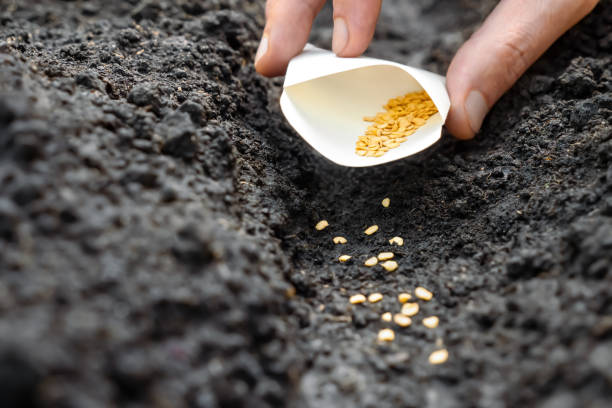
Uzbekistan has deposited more than 20 types of agricultural crop seeds, including varieties of watermelon, melon, and eggplant, into the Svalbard Global Seed Vault, the world’s most secure seed storage facility, located in the Norwegian archipelago of Svalbard, the Ministry of Agriculture has announced. According to the ministry, the seed samples represent ancient and local Uzbek crop varieties and were delivered through a joint effort involving Uzbekistan’s Ministry of Agriculture, the Scientific Research Institute of Plant Genetic Resources, the UN Food and Agriculture Organization (FAO), and the Nordic Genetic Resource Center (NordGen). Officials say the initiative marks a significant step in Uzbekistan’s efforts to preserve genetic diversity, strengthen its national gene pool, and contribute to global food security. The seeds deposited include traditional varieties of melon, watermelon, tomato, pepper, eggplant, carrot, onion, and wheat. Among these, the native “Qayroqtosh” wheat variety is of particular cultural and agricultural importance. Representatives from the Institute of Plant Genetic Resources emphasized that the initiative reflects Uzbekistan’s ongoing commitment to protecting plant biodiversity, supporting global food resilience, and safeguarding genetic material for future generations. The Svalbard Global Seed Vault, located deep within the Arctic permafrost and maintained at a constant temperature of -18°C, currently stores more than 1.1 million seed samples from around the world. Operated by the Norwegian government in partnership with the Crop Trust and NordGen, the vault provides a secure backup for global seed collections, offering protection against threats such as climate change, natural disasters, or geopolitical crises.

How the Ferghana Valley Might Become Central Asia’s Laboratory of Peace

On October 15-16, in the heart of the Ferghana valley, which for decades has been associated with border conflicts, mistrust, and unresolved issues, the heads of Ferghana (Uzbekistan), Batken (Kyrgyzstan), and Sughd (Tajikistan) gathered to discuss the further peaceful development of the region. The forum brought together not just officials but also experts, diplomats, civil society, and international organization representatives from Central Asia, Europe, and other regions. The first Ferghana Peace Forum, entitled “Ferghana Valley: Joining Forces for Peace and Progress”, was not simply another gathering behind closed doors but a table where everyone was offered a seat. The valley, with territory of roughly 20,000-22,000 km² shared by three countries, was one of the main routes for the ancient Silk Road. It embodies diverse cultures and fertile lands, but also, until recently, the unresolved problems and deep contradictions of Central Asia. Complex issues, including water management, border demarcation, and conflicting national narratives. People's connections were severed by visa regimes and land mines. It was, until recently, impossible to imagine today's reality where people are crossing borders without long lines or bureaucratic barriers. The Khujand Declaration, signed in early 2025 by the presidents of Kyrgyzstan, Tajikistan, and Uzbekistan, paved the way for the forum. The document marked a historic shift, reflecting the countries' desire for dialogue, open borders, economic cooperation, and cultural exchange. However, it remained only a vision without an implementation mechanism that would turn the declaration into sustainable interaction. The Ferghana Peace Forum promises to fill this gap by becoming the first peacebuilding platform designed specifically for the territory, and managed by the three countries themselves with support from external organisations, rather than by external intermediaries or actors. The Forum's founding communiqué defines its goal as creating a permanent platform for building trust, developing a common development strategy, attracting investment, and forming a new political climate in Central Asia. It is a rare occasion when Central Asian countries organize inclusive platforms for open discussions and the participation of civil society, academia, and business. With more than  300 participants, including officials from the UN, EU, and OSCE, as well as leading international NGOs, the forum promises to become a truly historical event. As one of the Forum participants noted, “If peace is possible in Ferghana, it is possible anywhere in Central Asia, and perhaps anywhere in the world.” Discussions were focused on the practical implementation of regional cooperation. Participants addressed issues that have long fueled tensions in the valley: border procedures, joint water management, trade facilitation, labor migration, and crisis prevention. At the same time, the platform created a space for exploring new areas of cooperation, such as digitalization, education, renewable energy, and tourism. There was a shared understanding that peace cannot be sustainable without economic opportunities and social integration. The timing of the forum could not have been better. With the flow of current geopolitical events, Central Asian countries have a narrow window of opportunity to strengthen the internal cooperation and to institutionalize it, while Russia is distracted by...

Trump–Xi Meeting Reshapes Stakes Ahead of C5+1 Summit

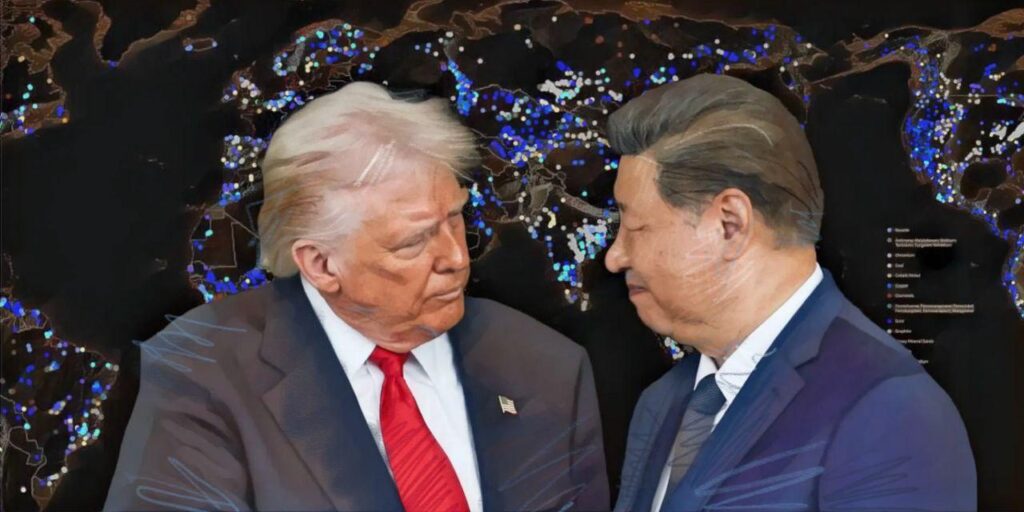
The October 30, 2025, meeting between U.S. President Donald Trump and Chinese President Xi Jinping in Busan, South Korea, marked their first in-person contact since 2019. While framed as a limited reset or tactical pause, the talks carry deeper strategic implications. They occurred just days before the forthcoming C5+1 Leaders’ Summit in Washington on November 6, a gathering with direct consequences for Central Asia’s role in the future of critical mineral supply chains. South Korea Talks: Reset or Recalibration? At the meeting in Busan, Trump and Xi discussed supply chains, tariffs, rare earth trade, and broader trade issues. The U.S. announced that China had agreed to pause certain rare-earth export curbs for a year, with Trump describing the talks as “amazing.” China currently processes roughly 90% of the world’s rare-earth elements and mines around 70%, which are indispensable in the production of electric vehicles, wind turbines, defense technologies, and high-tech manufacturing. Analysts characterized the Busan accord not as a strategic realignment but as a “tactical pause” or a “temporary lull to escalation” between the U.S. and China. For emerging potential U.S. partners in Central Asia, however, the optics matter, as any perceived U.S.–China trade thaw could diminish the urgency behind diversifying rare earth supply chains. Central Asia’s Rare Earth Opportunity As previously reported by The Times of Central Asia, the upcoming C5+1 summit is likely to focus on critical minerals, energy logistics, and investment infrastructure as the U.S. seeks to reduce its reliance on China. Kazakhstan has emerged as a major player in rare earths, with geological surveys in 2024 and 2025 identifying 38 promising solid mineral deposits, including the Kuyrektykol site in the Karaganda region, which contains substantial reserves. Uzbekistan, meanwhile, signed a memorandum of understanding with the U.S. on critical minerals cooperation in September 2024, which represented a major step toward deepening bilateral cooperation on this front. The U.S. International Development Finance Corporation (DFC) has signaled its interest in co-financing midstream mining and processing infrastructure in Central Asia, though projects remain at formative stages. Logistics routes such as the Middle Corridor via Central Asia and the Caspian remain strategically attractive to Western-aligned supply chains seeking to bypass Russia. Trump–Xi Reset Could Blur U.S. Commitments, But the Case for Diversification Remains Strong Should the Trump-Xi meeting diminish the immediate urgency of supply chain diversification, this will be of concern to countries looking to balance their economies with geopolitical neutrality. Kazakhstan has long positioned itself as a multi-vector neutral broker between major powers, meaning fluctuating U.S. policy signals could cause complications. Despite the reset, however, most analysts contend that little has fundamentally changed, with the Busan meeting seen as a temporary rather than a genuine strategic pivot. While structural competition between Washington and Beijing endures, diversification of critical mineral supply chains remains as essential as ever. For Central Asia, this dynamic reinforces the need to continue developing regional value chains and its mid-stream processing capacity. What to Expect in Washington The November 6 C5+1 Leaders’ Summit in Washington will test whether the...