• KGS/USD = 0.01144 0%
  • KZT/USD = 0.00208 0%
  • TJS/USD = 0.10516 0.77%
  • UZS/USD = 0.00008 0%
  • TMT/USD = 0.28571 0%
  • KGS/USD = 0.01144 0%
  • KZT/USD = 0.00208 0%
  • TJS/USD = 0.10516 0.77%
  • UZS/USD = 0.00008 0%
  • TMT/USD = 0.28571 0%
  • KGS/USD = 0.01144 0%
  • KZT/USD = 0.00208 0%
  • TJS/USD = 0.10516 0.77%
  • UZS/USD = 0.00008 0%
  • TMT/USD = 0.28571 0%
  • KGS/USD = 0.01144 0%
  • KZT/USD = 0.00208 0%
  • TJS/USD = 0.10516 0.77%
  • UZS/USD = 0.00008 0%
  • TMT/USD = 0.28571 0%
  • KGS/USD = 0.01144 0%
  • KZT/USD = 0.00208 0%
  • TJS/USD = 0.10516 0.77%
  • UZS/USD = 0.00008 0%
  • TMT/USD = 0.28571 0%
  • KGS/USD = 0.01144 0%
  • KZT/USD = 0.00208 0%
  • TJS/USD = 0.10516 0.77%
  • UZS/USD = 0.00008 0%
  • TMT/USD = 0.28571 0%
  • KGS/USD = 0.01144 0%
  • KZT/USD = 0.00208 0%
  • TJS/USD = 0.10516 0.77%
  • UZS/USD = 0.00008 0%
  • TMT/USD = 0.28571 0%
  • KGS/USD = 0.01144 0%
  • KZT/USD = 0.00208 0%
  • TJS/USD = 0.10516 0.77%
  • UZS/USD = 0.00008 0%
  • TMT/USD = 0.28571 0%

Our People > Times of Central Asia

Times of Central Asia's Avatar

Articles

Kazakhstan Tries To Ward Off Locust Invasion

Kazakhstan has allocated an additional $8.9m to protect the country’s crops and people from locust swarms. The money will be spent on chemical treatments to stop the short-horned grasshoppers from damaging pastures and destroying crops, as well as to prevent the swarms from migrating to neighboring countries, the government said on January 31st. Kazakhstan has seen a drastic increase in the area of agricultural land hit by locusts, from 514,000 hectares in 2020 to 1.6 million hectares in 2023. The years 2023 and 2024 will be the peak of an 11-year locust cycle in the country; the government forecasts that 2.5 million hectares will be affected this year. According to the UN’s Food and Agriculture Organization, locust outbreaks are a severe threat to agriculture in the South Caucasus and Central Asia, with more than 25 million hectares and 20 million people in the region vulnerable to damage done by the migratory pests. Locusts multiply, form groups, and migrate over relatively large distances — they can fly up to 100km per day, settle and breed in various habitats, and are highly adaptable to the impact of climate change.

2 years ago
Kazakhstan Produced Four Million Tons of Steel In 2023

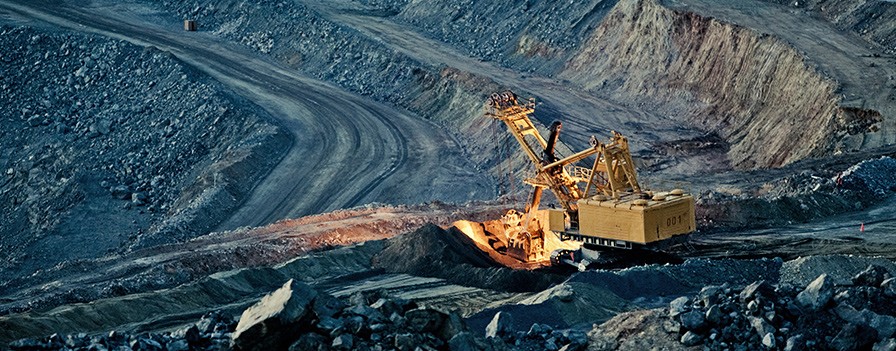
In 2023 Kazakhstan’s ferrous metallurgy industry produced 4 million tons of steel, 2 million tons of ferroalloys, 2.4 million tons of rolled flat steel, 896,000 tons of reinforcement for construction, and 305,000 tons of steel pipes. Additionally, a metals plant producing fittings with a capacity of 300,000 tons was launched in Taraz. This year will see the launch of two new ferrosilicon production plants with a total production capacity of 330,000 tons. Kazakhstan’s ferrous metallurgy industry produces more than $6.6bn worth of metal products annually, exports more than $5bn worth of products, and employs about 50,000 people, the Ministry of Industry and Construction said on January 31st.  Kazakhstan produces steel, ferroalloys and steel products used in construction, mechanical engineering, energy, and transport. One of the metallurgical industry’s priorities is manufacturing products with high added value, to stimulate the processing of metals inside the country, the ministry said.

2 years ago

Trans-Caspian Corridor Receives Boost

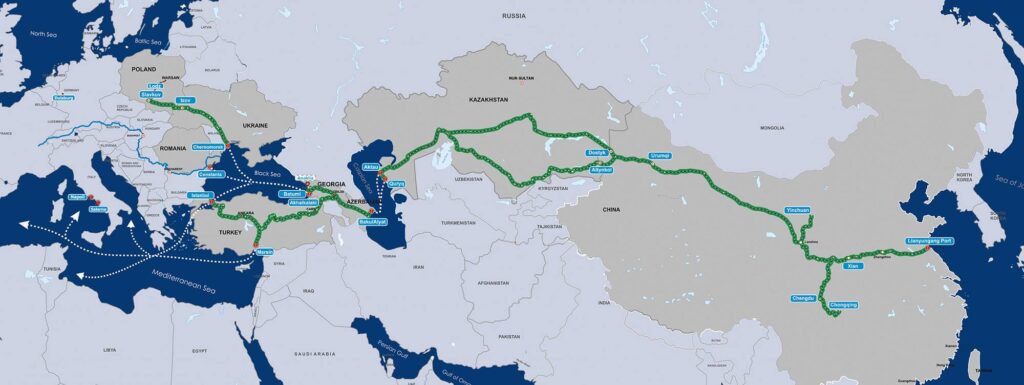
Close to four million tons of cargo are to be transported along the Trans-Caspian Transport Corridor in 2024, Kazakhstan’s national railways, Kazakhstan Temir Zholy, announced on January 27th.  In 2023, 2.7 million tons of cargo was transported along the Trans-Caspian route, 86% more than the previous year.  The Trans-Caspian Transport Corridor – also known as the Middle Corridor – starts in South-east Asia and China, and runs through Kazakhstan, the Caspian Sea, Azerbaijan and Georgia, before reaching the countries of Western Europe.  The geopolitical significance of this route has dramatically increased since Russia's invasion of Ukraine in 2022. The European Commission has said that it underlines the urgency to find alternative trade routes between Europe and Asia which do not pass through Russia.  On January 29th and 30th, the Investors Forum for EU-Central Asia Transport Connectivity took place in Brussels, Belgium. At the forum, the nations of the European Union and Central Asia took the first steps towards creating a fast-track route along the Trans-Caspian Transport Corridor, which will take only 15 days.  The European Commission’s Executive Vice-President, Valdis Dombrovskis announced that European and international financial institutions are to commit €10bn ($10.9bn) in support and investment towards sustainable transport connectivity in Central Asia. Addressing the forum on January 29th, the EU's High Representative for Foreign Affairs and Security Policy, Josep Borrell emphasized the importance of the EU’s partnership with Central Asia. “In this very much complicated geopolitical environment, Central Asia has become a crucial partner for us. Four years ago, Central Asia was a little bit in the middle of nowhere – and now, you are in the middle of everything. You are the cornerstone between Europe and Asia. Everything that matters between Europe and Asia goes through you,” Mr Borrell said, adding that the EU has to invest much more in physical connections between Europe and Central Asia in order to diversify and find new alternatives for transport, energy, and supply chains. “It will breathe new life into the ancient Silk Road, [also] linking up with our partners in Turkey and the South Caucasus,” he stated.

2 years ago

Kazakhstan Searches For More Military Personnel

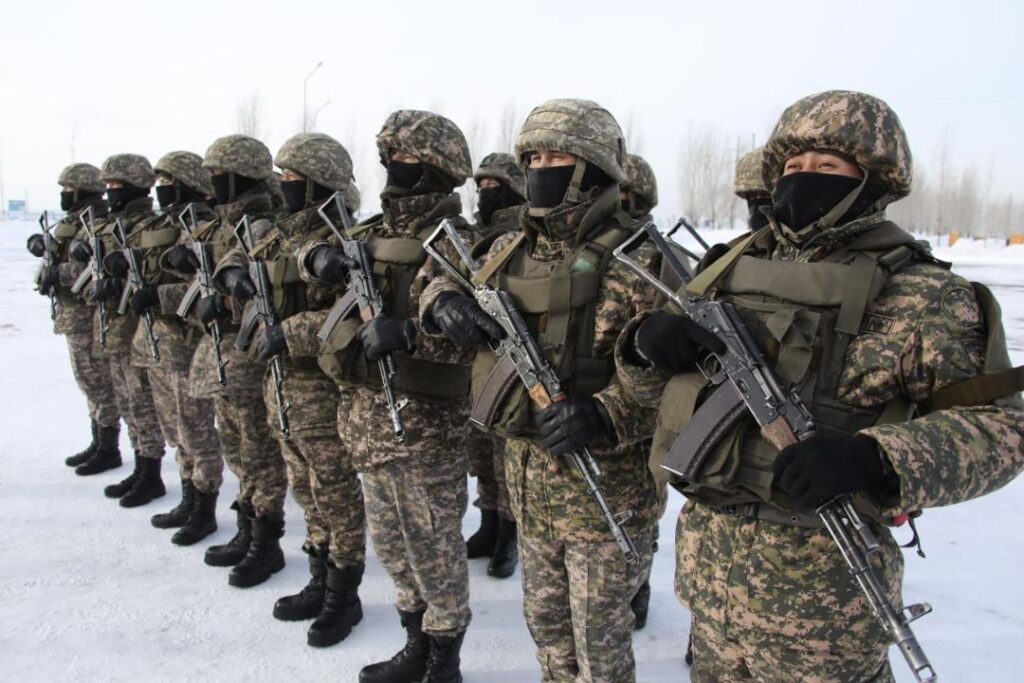
Kazakhstan’s army is suffering from a high outflow of staff, the country’s first deputy minister of defense, Sultan Kamaletdinov, announced at a parliamentary defense and security meeting on January 30th.  Mr Kamaletdinov explained that between 2020 and 2023 over 17,000 military personnel had left the Armed Forces, mostly contract soldiers but including 4,300 commissioned officers. The deputy minister added that one of the reasons for the outflow is the soldiers’ relatively low salary. The Ministry of Defense announced on January 31st that the ranks of the Kazakh army would be replenished by reserve commissioned officers who have not completed military service. These are university graduates, predominantly from technical courses, who receive the rank of lieutenant along with their diplomas. This year 600 reserve officers will be drafted into the Armed Forces and 152 into the Border Guard Service, the National Guard, and the Ministry of Emergency Situations. Priority will be given to unemployed reserve officers. In the 2024 Military Strength Ranking released by the Global Firepower agency, Kazakhstan ranked 58th of the 145 countries listed — the highest among Central Asian countries. Uzbekistan is in 65th place on the list, Turkmenistan 83rd, Kyrgyzstan 100th, and Tajikistan 107th. Global Firepower ranks the nations of the world based on their current war-making capability across land, sea, and air.

2 years ago

Uzbekistan Gains Ground Against Corruption in Annual Perception Ranking

International non-governmental organization Transparency International has published its 2023 global ranking of corruption perception. For the last six years, Denmark has held first position, followed by Finland and New Zealand. It's no coincidence that these countries hold the lead in the rule of law index, what with their well-established government and societal institutions and transparent justice systems. Somalia, Venezuela, Syria, South Sudan, and Yemen, which suffer from wars and/or social crises, close out the list. According to the rating, Uzbekistan held 121st place out of 180 - rising five spots on the list in just one year. Over the past decade, the republic has improved its position by 16 spots, becoming the leader in terms of the rate of improvement across the entire index. Among Uzbekistan's neighbors in Central Asia, only Kazakhstan, which ranks 93rd, is higher. In the region, Turkmenistan (170) has the worst record with corruption; Tajikistan is 162nd on the list, and Kyrgyzstan ranked 141st - tied with Russia. According to Transparency International experts, the index revealed that many countries have made little progress in the fight against corruption. Francois Valerian, chairman of Transparency International, said "corruption will continue to thrive as long as justice systems fail to punish wrongdoing and keep governments in check. When justice is bought or interfered with by political forces, people suffer. Leaders must fully invest in and guarantee the independence of institutions that uphold the law and fight corruption. It is time to end impunity for corruption." Transparency International began assessing and compiling the 180-country index in 1995. It's calculated based on perceptions of public sector corruption. The company uses data from 13 external sources, including non-governmental consulting companies and think tanks, the World Bank, the World Economic Forum and others.

2 years ago