Kazakhstan’s Education Chief Turns to Sci-Fi to Explain His AI Vision
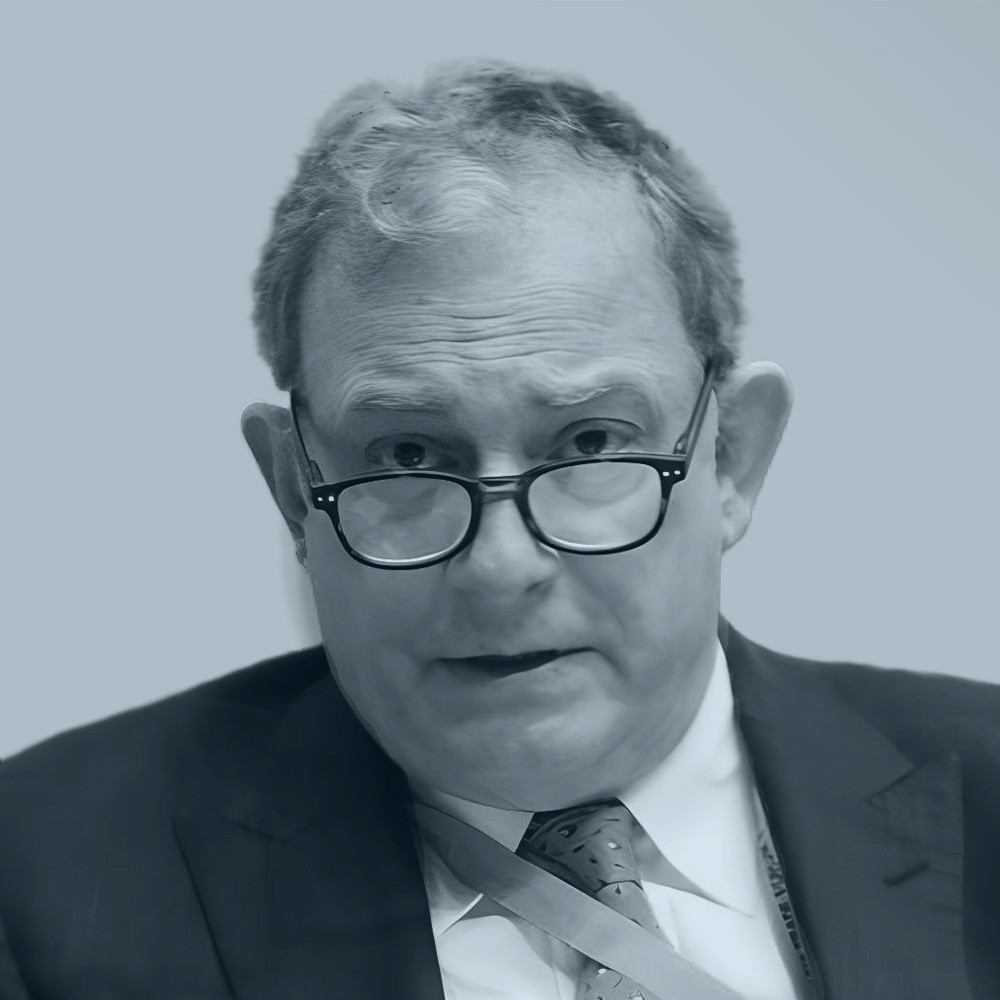
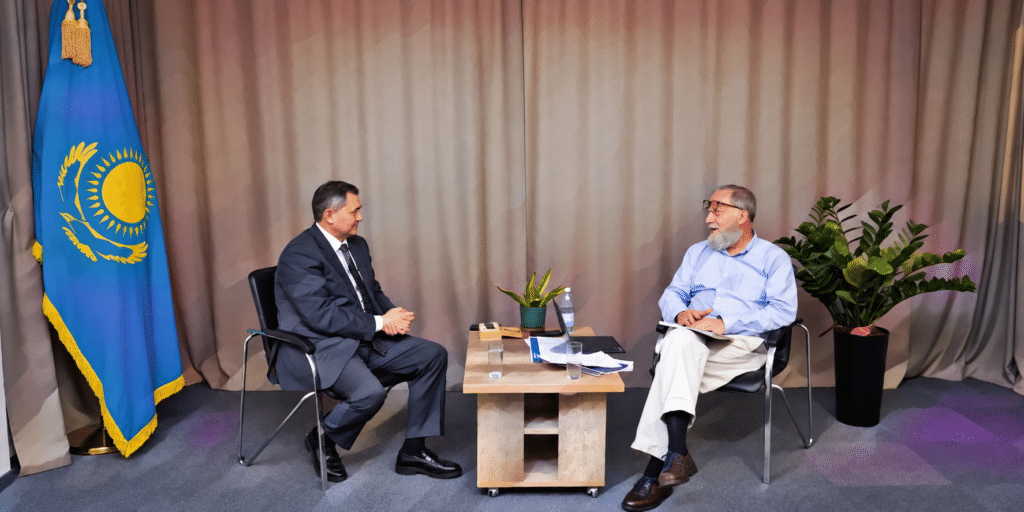
As Kazakhstan’s 2026 academic year began, The Times of Central Asia spoke with Sayasat Nurbek, Minister of Science and Higher Education, in Astana. Drawing on science fiction films and novels, Nurbek discussed how universities can embrace AI while protecting students’ independent thinking. He also reflected on human agency and the limits of technology. TCA: A new academic year brings new challenges for you and your team in this age of AI. On your website, you write: “It does not matter how long you spend on the earth, how much money you have gathered or how much attention you have received. It is the amount of positive vibration you have radiated in life that matters….” With this in mind, what are your priorities as Kazakhstan’s Minister of Science and Higher Education as AI reshapes the field? Nurbek: My priority is students who are fully alive, not just fully efficient. AI can handle the routine, so Kazakhstan’s universities must protect what machines can’t: curiosity, imagination, judgment, critical thinking, and character. Technology should serve growth in these areas, never replace them. Success isn’t output; it’s lives that radiate something positive. AI is a tool, and tools cut both ways. We’re welcoming AI into higher education with open eyes and high standards. I want students who think for themselves, use AI wisely, and own their personal sovereignty, if you will. I do not want self-absorbed people who forget about others, society, and the nation. AI is powerful and easy to abuse, so Kazakhstan nurtures critical thinking, curiosity, and creativity in the AI age. I will use Sci-fi movies and novels to help me explain why. TCA: Certainly. What do you mean by students need to “own their sovereignty”? Nurbek: Education in Kazakhstan is about building minds and virtue, not just collecting answers and performing tasks. If AI does the writing, problem-solving, and summarizing, our students may get an answer without learning how to find solutions. Real understanding comes from the effort to learn. It comes from struggle, doubt, revision, failure, sharing, steadfastness, patience, starting again, and, yes, celebrating success. That’s why it’s key for Kazakhstan’s universities to set clear boundaries and teach students when and how to use AI. AI can undermine learning if it replaces their own thinking. AI should support thought, not substitute for it. TCA: What are your thoughts about the impact of AI on learning? Nurbek: Used ethically, AI is a huge opportunity for Kazakhstan. The world is racing to adopt it, so our universities can’t ignore it, but they mustn’t swallow the hype or miss the dangers. A PISA 2025 study found that students who use AI to summarize or draft score noticeably lower in science, by roughly a year of schooling. That is a correlation, though, not proof of causation. Other studies find AI users shine in practice, then stumble horribly on exams. TCA: So, it seems you have mixed feelings about the introduction of AI? Nurbek: The PISA data tells us more. Students who regularly use AI...
2 days ago