• KGS/USD = 0.01144 0%
  • KZT/USD = 0.00212 0%
  • TJS/USD = 0.10549 -0.28%
  • UZS/USD = 0.00008 0%
  • TMT/USD = 0.28530 0%
  • KGS/USD = 0.01144 0%
  • KZT/USD = 0.00212 0%
  • TJS/USD = 0.10549 -0.28%
  • UZS/USD = 0.00008 0%
  • TMT/USD = 0.28530 0%
  • KGS/USD = 0.01144 0%
  • KZT/USD = 0.00212 0%
  • TJS/USD = 0.10549 -0.28%
  • UZS/USD = 0.00008 0%
  • TMT/USD = 0.28530 0%
  • KGS/USD = 0.01144 0%
  • KZT/USD = 0.00212 0%
  • TJS/USD = 0.10549 -0.28%
  • UZS/USD = 0.00008 0%
  • TMT/USD = 0.28530 0%
  • KGS/USD = 0.01144 0%
  • KZT/USD = 0.00212 0%
  • TJS/USD = 0.10549 -0.28%
  • UZS/USD = 0.00008 0%
  • TMT/USD = 0.28530 0%
  • KGS/USD = 0.01144 0%
  • KZT/USD = 0.00212 0%
  • TJS/USD = 0.10549 -0.28%
  • UZS/USD = 0.00008 0%
  • TMT/USD = 0.28530 0%
  • KGS/USD = 0.01144 0%
  • KZT/USD = 0.00212 0%
  • TJS/USD = 0.10549 -0.28%
  • UZS/USD = 0.00008 0%
  • TMT/USD = 0.28530 0%
  • KGS/USD = 0.01144 0%
  • KZT/USD = 0.00212 0%
  • TJS/USD = 0.10549 -0.28%
  • UZS/USD = 0.00008 0%
  • TMT/USD = 0.28530 0%

Our People > Sadokat Jalolova

Sadokat Jalolova's Avatar

Sadokat Jalolova

Journalist

Jalolova has worked as a reporter for some time in local newspapers and websites in Uzbekistan, and has enriched her knowledge in the field of journalism through courses at the University of Michigan, Johns Hopkins University, and the University of Amsterdam on the Coursera platform.

Articles

Uzbekistan Drafting Law to Ban LGBT “Propaganda”

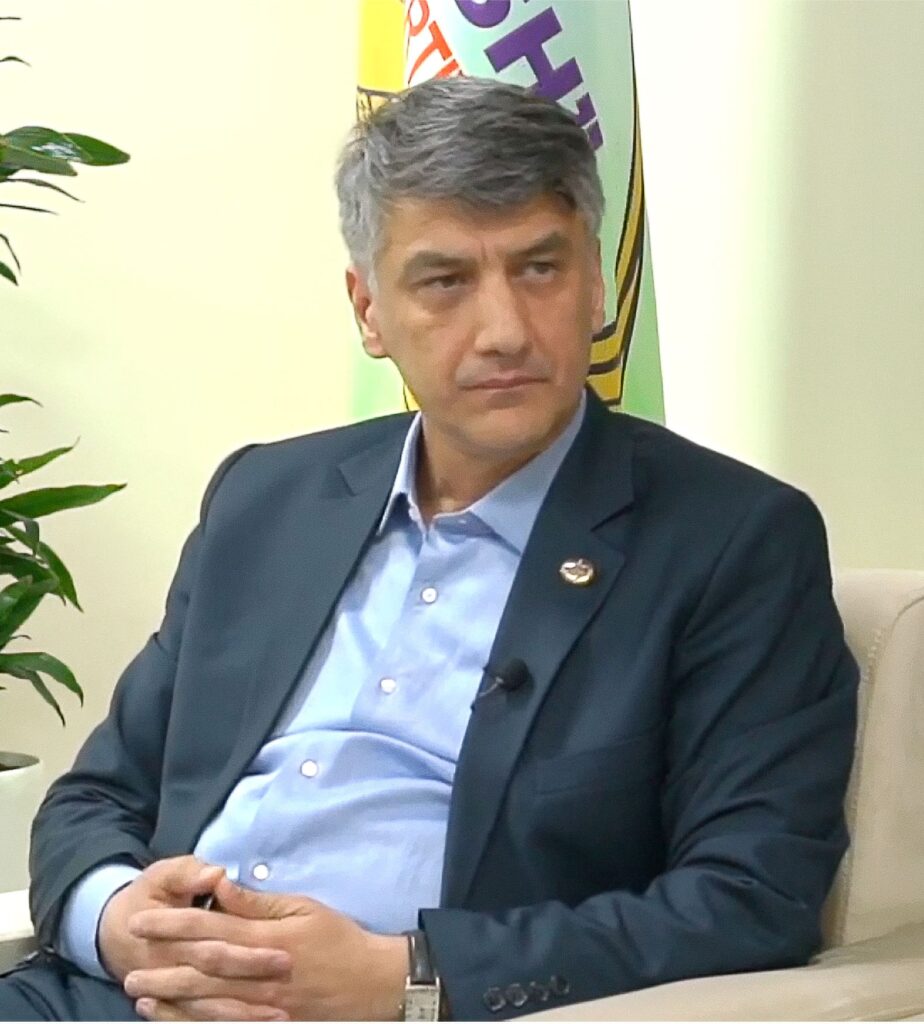
Alisher Qodirov, leader of Uzbekistan's Milliy Tiklanish (National Revival) party, has announced that a draft law banning the discussion of LGBT topics is being prepared in Uzbekistan. Qodirov shared this news on his Telegram channel, where he also referenced a social media post by Ivanka Trump, daughter of former U.S. President Donald Trump, who highlighted her father’s plan to cut federal funding for schools promoting "inappropriate sexual content" and "transgender ideology." Qodirov commented: “The change in the center of the disease is very good,” suggesting his support for similar measures in Uzbekistan. He added: “We are working on adopting a law prohibiting any kind of propaganda in this regard,” though he did not elaborate further. In the past, Qodirov has also advocated for banning Soviet ideology and symbols in Uzbekistan. This stance followed a recent case in Samarkand, where a pensioner wishing to restore the Soviet Union received a three-year restricted freedom sentence for actions deemed a threat to Uzbekistan’s constitutional order.

1 year ago

Chechen Leader Kadyrov Denies Involvement in Attack on Allamjonov

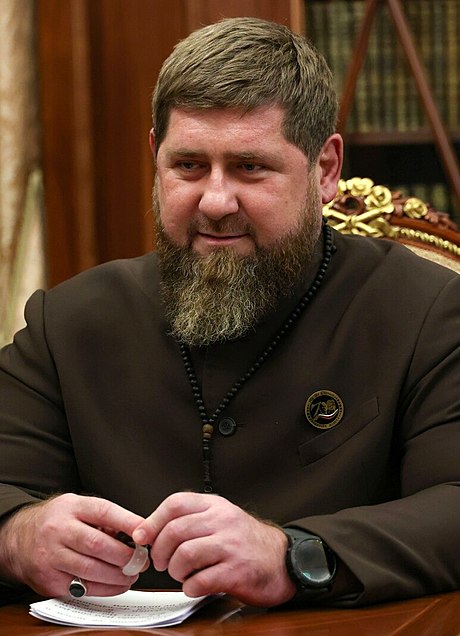
On October 26 Uzbek media reported an attack on the former head of President Shavkat Mirziyoyev's information department, Komil Allamjonov. At around 1:40a.m., near his home in Tashkent’s Kibray district, two unidentified individuals fired several shots at the car he was in before fleeing. Fortunately, no one was injured. The weapon type remains unknown. Authorities have opened an attempted murder case and are searching for the suspects. However, the General Prosecutor’s Office has not confirmed whether Allamjonov was specifically targeted in the incident. Some opposition media have suggested a “Chechen connection” implicating Chechen leader Ramzan Kadyrov in the attack on Allamjonov. In response, Kadyrov denied involvement, stating that the media attributed the incident to him. “I don’t want to respond to this provocative leak. Moreover, work in all spheres, including information and law enforcement, is excellently organized in Uzbekistan thanks to the wise policy of the respected President Shavkat Miromonovich Mirziyoyev. I will only add that if I had really planned something, I would have completed it and with a 100% result,” he stated. Kadyrov emphasized the close ties between Chechens and Uzbeks, describing them as “brotherly peoples with a common historical past.” He added: “I regard this information leak as a tool of political play by some third parties and a clear attempt to sow discord between our countries. I am sure that other publications in the style of Western fakes will follow. Be that as it may, my dear brothers in Uzbekistan and I will definitely find out who is behind this provocative information leak.” The General Prosecutor’s Office stated that the investigation is ongoing, and promised further updates.

1 year ago

Uzbekistan and Saudi Arabia Strengthen Ties: $2.5 Billion Investment Expected by Year-End

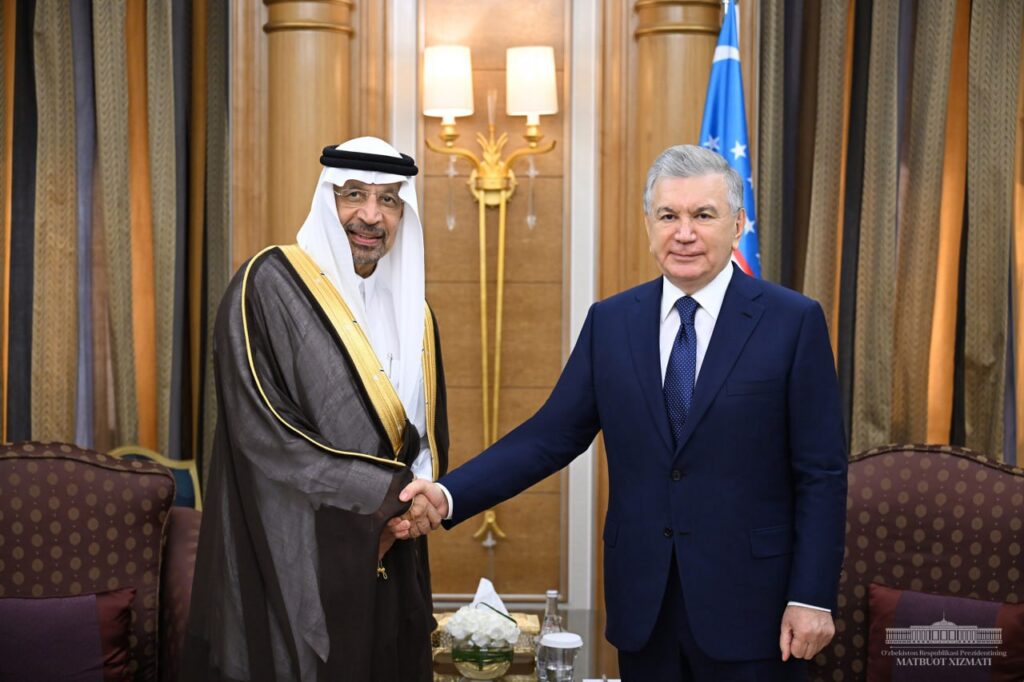
On November 11, Uzbekistan's President Shavkat Mirziyoyev met Saudi Arabia's Minister of Investments, Khalid al-Falih, during the extraordinary Arab-Islamic Summit currently being held in Riyadh. Cooperation between Uzbekistan and Saudi Arabia has rapidly developed in recent years. The volume of mutual trade, the scope of cooperation, and also the number of flights between the countries are increasing. By the end of this year, Saudi Arabian companies are expected to attract about $2.5 billion worth of investments in areas such as “green” energy, healthcare, transport infrastructure modernization, heat and water supply, agriculture, housing, and communal economy. Mirziyoyev also met with Muhammad bin Salman Al Saud, the Crown Prince and Prime Minister of the Kingdom of Saudi Arabia. Mirziyoyev noted that effective cooperation has been established with the leading company “ACWA Power,” which is modernizing Uzbekistan's energy sector through direct investments and advanced technologies. Emphasis was placed on developing wind and solar power plants across various regions of Uzbekistan and accelerating projects to produce “green” hydrogen. Additionally, an agreement was reached to engage Saudi Arabian companies and consultants to localize production and improve energy efficiency in Uzbek enterprises.

1 year ago

Mirziyoyev Offers to Bring Wounded Palestinians to Uzbekistan for Treatment

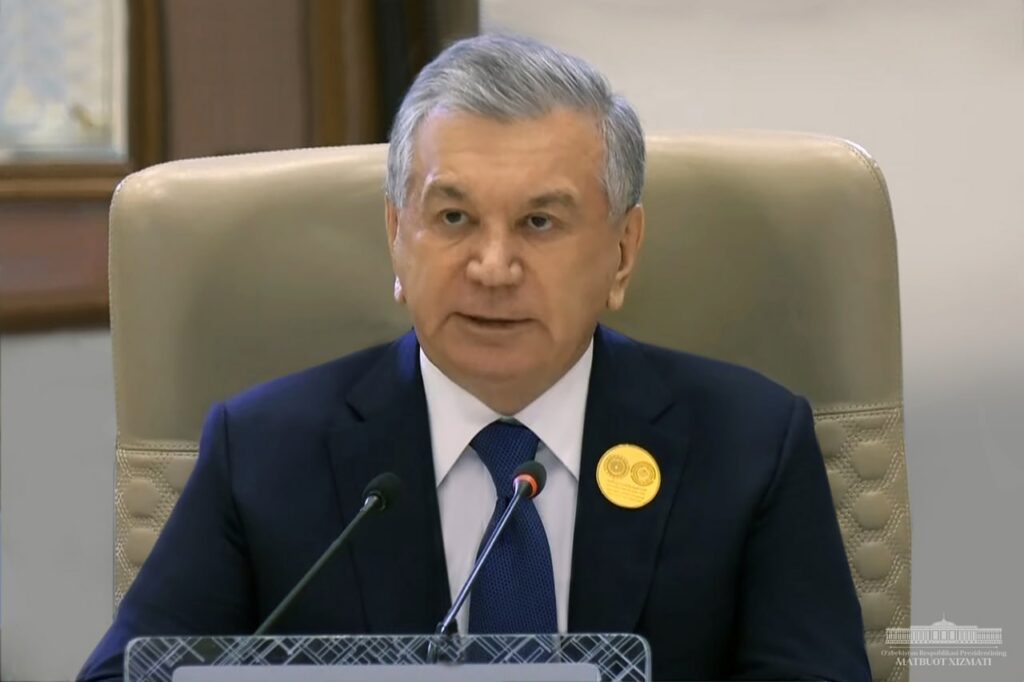
On November 11, Uzbekistan's President Shavkat Mirziyoyev delivered a speech at the extraordinary Arab-Islamic Summit in Riyadh, Saudi Arabia, expressing concern over the spread of the Middle East conflict into Lebanon. He reiterated Uzbekistan’s support for initiatives to resolve the Palestinian-Israeli issue peacefully and diplomatically. In his speech, Mirziyoyev said, “Uzbekistan fully supports all practical initiatives to address the Palestinian-Israeli problem through peace and diplomacy. We believe today’s Summit will demonstrate common political will and unity, develop effective global and regional mechanisms and specific solutions, and swiftly put them into practice.” Mirziyoyev called for the United Nations and the Security Council to play an increased role in ending hostilities. He emphasized the need for safe humanitarian corridors and the immediate initiation of peace talks. With the Palestinian national holiday on November 15 approaching, Mirziyoyev underscored the nation’s right to an independent state with East Jerusalem as its capital, based on the 1967 borders. He also supported the Global Alliance for Implementing the Two-State Solution initiated by Saudi Arabia. Mirziyoyev called for expanding humanitarian aid to Palestine and Lebanon to prevent the escalation of the crisis and confirmed Uzbekistan’s readiness to treat wounded Palestinian children and women in its hospitals. He announced plans to discuss further assistance at the Gulf Arab States – Central Asia summit in Samarkand next year. Finally, he stressed the importance of preserving the Al-Aqsa Mosque and other cultural monuments in Jerusalem, urging members of the Organization of Islamic Cooperation to prioritize protecting these historic sites. Mirziyoyev concluded by urging an urgent and unified response to the crisis and highlighting Uzbekistan’s commitment to peace and humanitarian support in the region.

1 year ago

Solidarity Center: Central Asian Migrant Workers Face Low Pay and Unsafe Workplaces

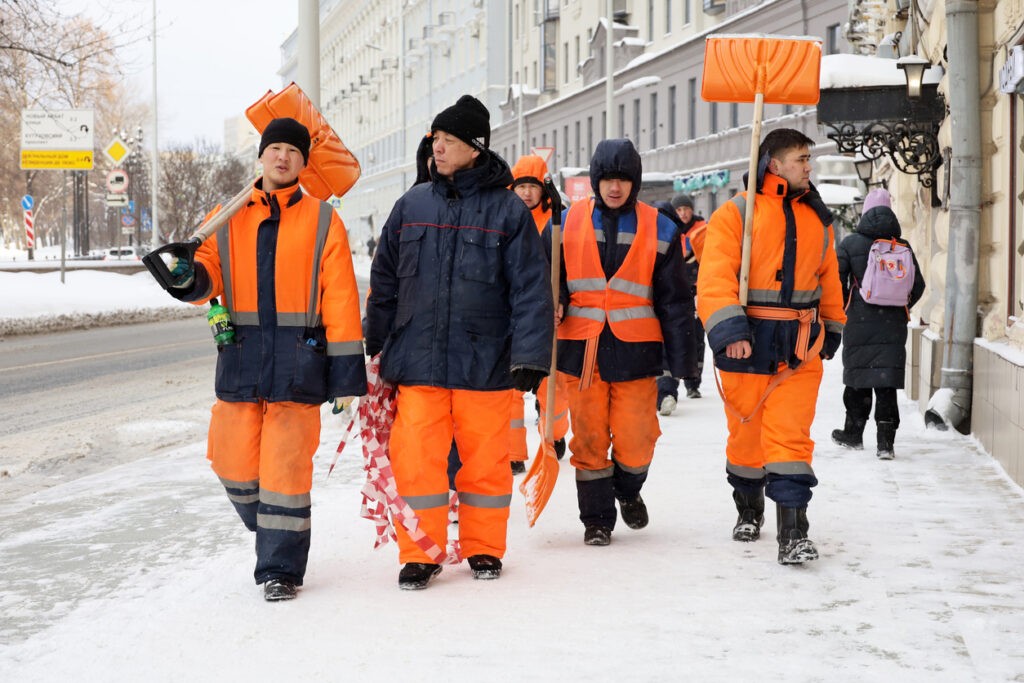
Central Asian migrant workers face new challenges as they look for well-paying jobs, with economic shifts and political instability adding to the uncertainty. More women and young people also choose to migrate, often facing unique risks. Panelists at a recent Solidarity Center webinar highlighted that protecting these workers’ rights is more effective when countries in the region work together on safe migration plans. A Solidarity Center study involving over 1,000 migrant workers from Kazakhstan, Kyrgyzstan, and Uzbekistan found that Kyrgyzstan and Uzbekistan are the primary countries of origin, while Kazakhstan is becoming a growing destination. Most participants (58%) left due to low wages in their home countries, and 31% cited a lack of jobs as their main reason for migrating. Russia, once a top destination for Central Asian workers, has seen a drop in migrant numbers since its economy took a hit following Russia's invasion of Ukraine. A migrant worker from Uzbekistan shared that overtime hours weren’t paid, and medical expenses had to come out of his pocket if he got sick. According to Lola Abdukadyrova, Solidarity Center's regional director in Kyrgyzstan, this story reflects the harsh conditions many migrant workers face—no overtime pay, no sick leave, and frequent discrimination or harassment. Abdukadyrova noted that for nearly 30% of Kyrgyz migrant households, money for food is often a struggle. In Uzbekistan, this rate rises to 45%, as shared by Nodira Karimova, director of the Republican Social Information Center Istiqbolli Avlod. Abdukadyrova added that many migrants earn only enough for basic food, and they face delayed payments, heavier workloads without extra pay, and unsafe working conditions. “Kazakhstan has endorsed the Global Compact for Safe, Orderly and Regular Migration (GCM) and participates in various regional migration dialogues,” said Aleksandr Mukha, director of the Mangistau Regional Branch of the Kazakhstan International Bureau for Human Rights and Rule of Law. In another significant win for migrant worker rights organizations, Kyrgyzstan issued the GCM in August to improve conditions for Kyrgyz citizens who travel abroad to earn their livelihoods. The Times of Central Asia has previously written about how that Russia's ongoing war in Ukraine has increased pressure on Central Asian migrants.

1 year ago