• KGS/USD = 0.01144 0%
  • KZT/USD = 0.00212 0%
  • TJS/USD = 0.10432 -0.29%
  • UZS/USD = 0.00008 0%
  • TMT/USD = 0.28490 0%
  • KGS/USD = 0.01144 0%
  • KZT/USD = 0.00212 0%
  • TJS/USD = 0.10432 -0.29%
  • UZS/USD = 0.00008 0%
  • TMT/USD = 0.28490 0%
  • KGS/USD = 0.01144 0%
  • KZT/USD = 0.00212 0%
  • TJS/USD = 0.10432 -0.29%
  • UZS/USD = 0.00008 0%
  • TMT/USD = 0.28490 0%
  • KGS/USD = 0.01144 0%
  • KZT/USD = 0.00212 0%
  • TJS/USD = 0.10432 -0.29%
  • UZS/USD = 0.00008 0%
  • TMT/USD = 0.28490 0%
  • KGS/USD = 0.01144 0%
  • KZT/USD = 0.00212 0%
  • TJS/USD = 0.10432 -0.29%
  • UZS/USD = 0.00008 0%
  • TMT/USD = 0.28490 0%
  • KGS/USD = 0.01144 0%
  • KZT/USD = 0.00212 0%
  • TJS/USD = 0.10432 -0.29%
  • UZS/USD = 0.00008 0%
  • TMT/USD = 0.28490 0%
  • KGS/USD = 0.01144 0%
  • KZT/USD = 0.00212 0%
  • TJS/USD = 0.10432 -0.29%
  • UZS/USD = 0.00008 0%
  • TMT/USD = 0.28490 0%
  • KGS/USD = 0.01144 0%
  • KZT/USD = 0.00212 0%
  • TJS/USD = 0.10432 -0.29%
  • UZS/USD = 0.00008 0%
  • TMT/USD = 0.28490 0%

Viewing results 1 - 6 of 14

Kazakhstan Plans to Expand Nature Reserves by Two Million Hectares by 2035

Kazakhstan plans to significantly expand its system of specially protected natural areas (SPNAs) over the next decade. Under a new state strategy, the country aims to increase the area of nature reserves and national parks by 2 million hectares by 2035 and expand its forest fund by 0.8 million hectares. The targets are outlined in the Concept for the Conservation and Sustainable Use of Biological Diversity for 2026-2035, which defines key environmental policy priorities and long-term measures to protect natural resources. The first priority of the concept is the development of a unified ecological network and the expansion of the system of specially protected natural areas. According to the Ministry of Ecology and Natural Resources, creating and expanding such areas is one of the most effective tools for preserving biodiversity and is widely used internationally. By 2035, the area of specially protected natural areas in Kazakhstan is expected to increase from the current 31 million hectares to 33.2 million hectares. The second priority focuses on improving forest protection and developing sustainable forest management. The government plans to increase the country’s forest area to 14.7 million hectares, up from the current 13.9 million hectares, while ensuring more rational use of timber resources. The third area of the concept concerns improving systems for monitoring and protecting wildlife. The fourth set of measures focuses on protecting fish species and natural fish resources. Authorities plan to strengthen ecosystem monitoring and expand scientific research into risk factors affecting aquatic biological resources. The fifth and sixth areas address the conservation of plant life and the problem of pasture degradation, one of the country’s most significant environmental challenges. The concept was developed through interagency cooperation with the participation of international partners. In particular, the United Nations Development Programme in Kazakhstan provided support through a project funded by the Global Environment Facility. The Ministry of Ecology says the strategy should strengthen Kazakhstan’s role as one of Central Asia’s regional leaders in nature conservation and create a foundation for new international environmental partnerships. Earlier, it was reported that Kazakhstan is also considering the possibility of limited and strictly regulated exports of saiga horns from the rare steppe antelope whose population has increased hundreds of times over the past two decades.
Kazakhstan to Host International Genetic Resources Bank

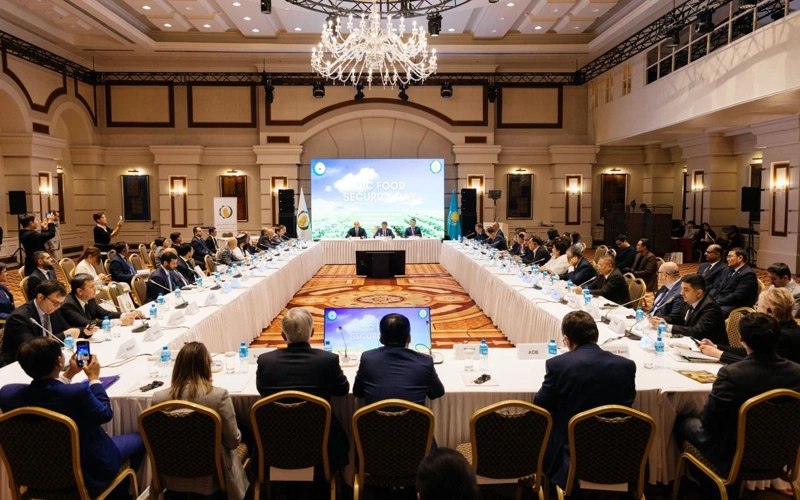
Kazakhstan will host an international genetic resources bank following unanimous approval from the 57 member states of the Organization of Islamic Cooperation (OIC). The initiative, spearheaded by the Islamic Organization for Food Security (IOFS), aims to preserve the biological diversity of agricultural crops and foster scientific collaboration among OIC countries. “One of the key initiatives we plan to implement in Kazakhstan is the creation of a Genetic Resources Bank, or an international genetic bank. Its goal is to preserve the biological diversity of agricultural crops,” said Berik Aryn, Director General of the IOFS, speaking at a roundtable in Astana marking OIC Food Security Day. According to Aryn, the government of Kazakhstan has already expressed its readiness to host the facility, and a project roadmap has been completed. The Qatar Fund for Development (QFFD) has pledged approximately $2 million to finance the first phase. “We expect to begin practical implementation of the project next year and complete the creation of the bank by 2029,” Aryn said. He cited the Svalbard Global Seed Vault in Norway as a comparable model but noted that the Kazakh bank would offer broader functionality. The project will eventually include a research center focused on crop breeding and the development of varieties resistant to climate change, drought, and other environmental stresses. “We want this gene bank to eventually become a full-fledged research center where scientists from OIC countries can work on creating new crop varieties that are resistant to climate change, drought, and other adverse factors, as well as on increasing yields,” Aryn added. The specific location is still under consideration, though the Almaty region is currently the most likely candidate due to its favorable climatic conditions. “Genetic material varies: some samples can be stored for decades, while others require regular updating and cultivation on site. In terms of climatic conditions, the Almaty region is the optimal region,” Aryn noted. In parallel with the gene bank initiative, IOFS is also advancing projects across Central Asia that promote the use of biochar to rehabilitate degraded soils. Biochar, a carbon-rich substance produced via pyrolysis of biomass, enhances soil fertility, improves water retention, and acts as a sorbent by absorbing harmful substances. “Biochar is a technology that is already widely used around the world, including in Arab and Asian countries. It is particularly relevant for Central Asia, as the region's soils are often salinated. Biochar is capable of absorbing salt and significantly improving soil structure, creating favorable conditions for agriculture for decades,” said IOFS Project Manager Bakytzhan Arystanbek. As previously reported by the Times of Central Asia, Kazakhstan launched its first agroclimatic testing site for carbon technologies, Kaz Agro Carbon, in early November.

Kazakhstan Leads Regional Efforts to Save the Caspian Sea

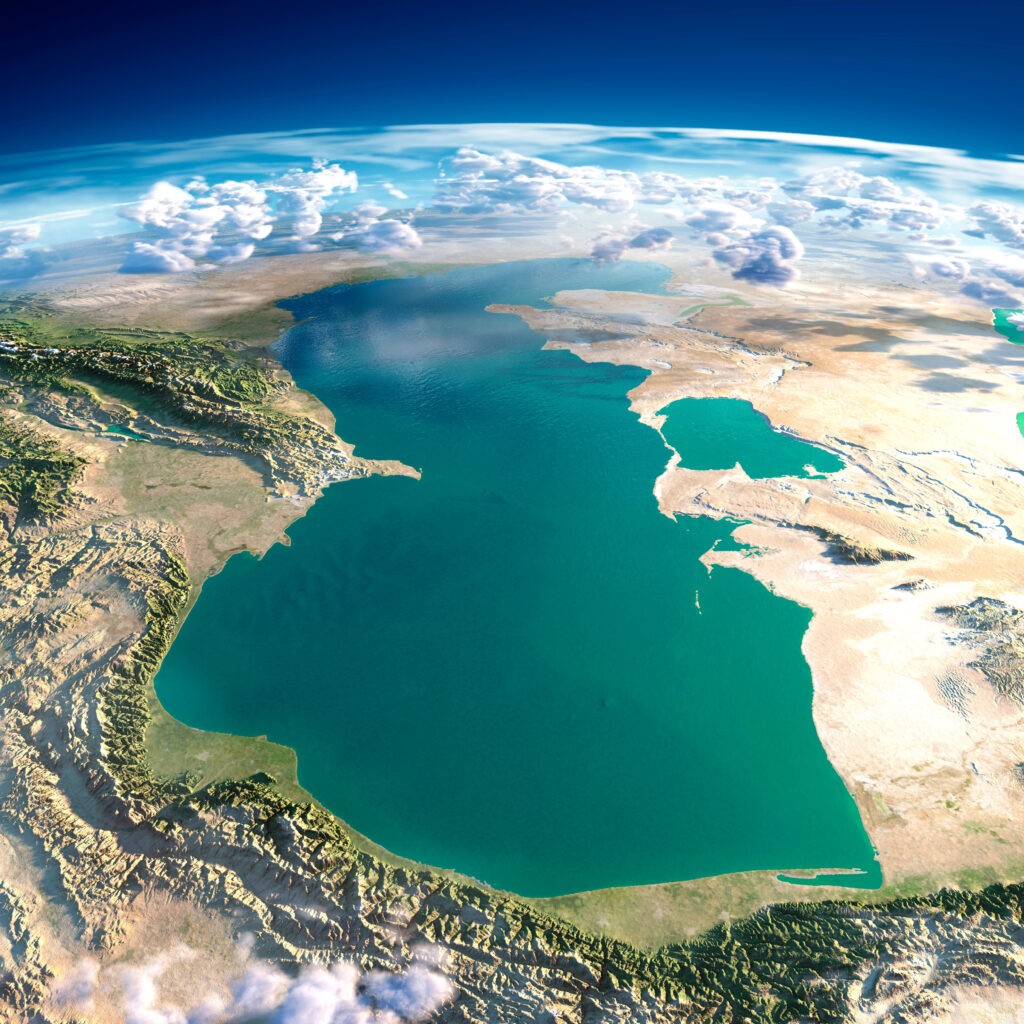
Today, Central Asia and the Caspian littoral states face growing challenges that extend well beyond national borders. Climate change, water scarcity, land degradation, and the shrinking of the Caspian Sea are no longer only environmental concerns but matters of regional security and sustainable development. The Caspian Sea, the world’s largest inland body of water, has become a symbol of crisis. Its rapid decline threatens ecosystems, navigation, fisheries, and food security from the Caucasus to Central Asia. Dushanbe: ecology as a new agenda for regional security A week ago, Dushanbe hosted two major international events: the “Central Asia–Russia” Summit and the meeting of the CIS Heads of State Council. At both forums, President Kassym-Jomart Tokayev called for moving from declarations to concrete action, proposing to Establish a Council of Ministers for Ecology among the Central Asian countries and Russia Develop an Interstate Program for the preservation of the Caspian Sea’s water resources Expand the use of space technologies to monitor transboundary water bodies These initiatives are part of a broader effort to build a new environmental framework for Eurasia, positioning Central Asia as a laboratory for sustainable solutions rather than a zone of ecological risk. The environmental disaster of the Caspian Sea The Caspian Sea is shrinking rapidly. According to data from Kazakhstan’s Ministry of Ecology, since 2006 its surface area has decreased by more than 31,000 square kilometers, and water levels have fallen by about 1.5 to 2 meters. Projections indicate severe consequences for spawning grounds, the Caspian seal population, port infrastructure, and the regional economy. The crisis mirrors the Aral Sea disaster, where environmental degradation caused widespread illness and social disruption. Experts warn that toxic dust from the exposed seabed could lead to respiratory diseases among millions of people. According to estimates by Save the Caspian Sea, the shoreline could retreat by as much as 89 kilometers, pushing fishing communities to the edge of survival. Falling sea levels already threaten unique wildlife, navigation, water supply, and agriculture, creating risks of migration and conflict. Because the Caspian is landlocked and not connected to the world’s oceans, its water losses cannot be naturally replenished. A coordinated response is needed, including sustainable water management, pollution control, and climate adaptation. The Caspian Sea as a crossroads of interests and contradictions The Caspian region today is more than an ecosystem; it is a geopolitical nexus where the interests of coastal states and global powers converge. Key transport routes such as the North–South Corridor and the Middle Corridor meet here, linking the economic, energy, and political interests of Russia, Iran, Turkey, China, and the European Union. The United States has also shown growing interest, particularly through its support for infrastructure projects in the South Caucasus and initiatives related to the Zangezur Corridor. Yet logistics, energy, and trade risk losing their purpose if the region’s natural foundation disappears. An ecological collapse could undermine multibillion-dollar investments, threaten food security, and turn the Caspian from a zone of cooperation into a battleground over resources. That is why saving...

Almosi Valley in Tajikistan Recognized as Global Agricultural Heritage Site

The Almosi mountain valley in Tajikistan’s Gissar district has been designated as a Globally Important Agricultural Heritage System (GIAHS) by the Food and Agriculture Organization (FAO) of the United Nations. The decision was announced on July 8 during a meeting of the FAO’s Scientific Advisory Group. A Milestone for Central Asia Tajikistan is now the first country in the post-Soviet space to have one of its agricultural landscapes recognized by the GIAHS program. Until now, only 12 agroecosystems across five European nations, Austria, Spain, Italy, Portugal, and Andorra, had received such recognition. Tajikistan’s inclusion marks a significant acknowledgment of Central Asia’s rich agricultural legacy and its global relevance. GIAHS sites are selected not only for their scenic beauty but also for their enduring agricultural practices and deep-rooted human-nature interaction. According to FAO materials, these systems demonstrate high levels of agrobiodiversity, sustainable production, centuries-old agricultural knowledge, and strong community ties to the environment. Almosi exemplifies these values. In its mountainous terrain, farmers engage in transhumant sheep herding and the cultivation of crops such as wheat, barley, vegetables, and the prized pink Taifi grape, used for raisins, syrups, juice, and wine. The valley is also home to the Gissar sheep breed, developed for resilience in high-altitude conditions. Preserving Tradition and Biodiversity Agriculture in Almosi relies on traditional techniques, including contour planting, organic fertilization, and irrigation through ancient canal systems. Farmers monitor natural indicators to optimize water use and adapt to climatic shifts, ensuring both productivity and environmental preservation. Community organization is another hallmark of the Almosi model. Farming is managed through mahalla committees, cooperatives, family farms, and even remnants of collective farming structures. This supports intergenerational knowledge transfer, shared resource management, and social cohesion. GIAHS designation not only affirms Almosi’s global agricultural significance but also opens avenues for sustainable development. Opportunities include eco-tourism, enhanced agricultural investment, and broader recognition of Tajikistan’s rural heritage. With new entries from Tajikistan, South Korea, and Portugal, the GIAHS network now includes 99 recognized systems in 29 countries. Almosi stands as the first in the Commonwealth of Independent States (CIS), a testament to the region’s enduring agricultural traditions and its capacity for innovation grounded in history.

Kyrgyzstan Establishes Ecological Corridor to Protect Snow Leopards and Biodiversity

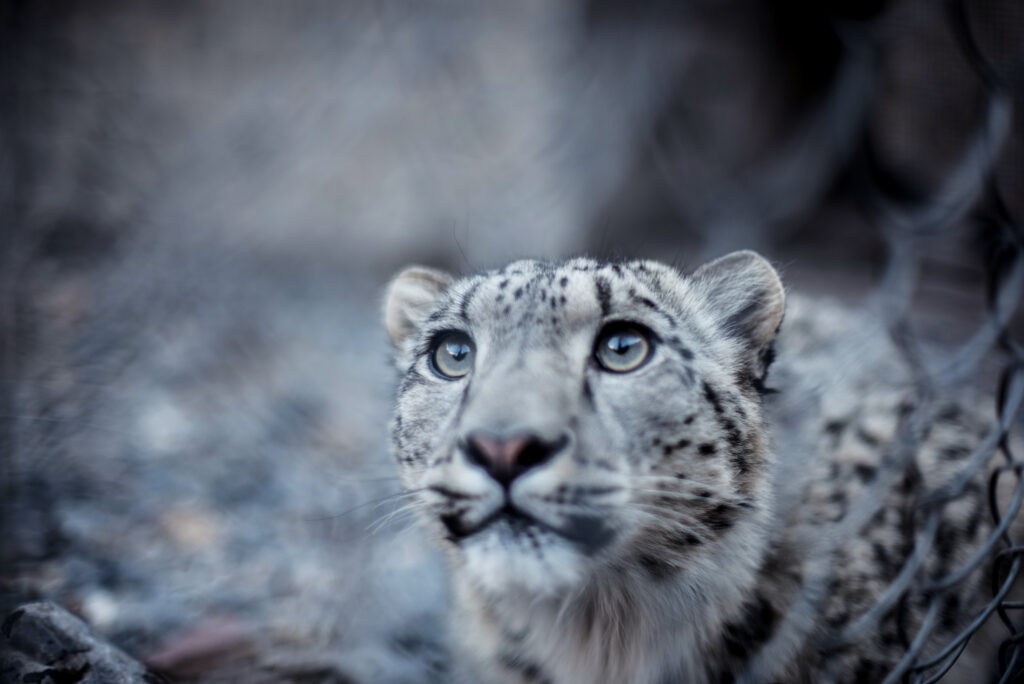
Kyrgyzstan has created the Ak Ilbirs (Snow Leopard) Ecological Corridor in the northeastern Issyk-Kul region, a major step in safeguarding rare wildlife and preserving the country’s rich biodiversity. The corridor encompasses over 792,000 hectares, linking several protected areas: the Khan-Tengri State Nature Park, the Sarychat-Eertash Nature Reserve, and the Naryn Nature Reserve. It is designed to serve as a safe habitat for the snow leopard and other endangered species, while promoting the sustainable management of natural resources. [caption id="attachment_30972" align="aligncenter" width="794"] Image: mnr.gov.kg[/caption] Key Objectives The Ak Ilbirs Ecological Corridor aims to: Conserve wild animal populations, including the endangered snow leopard Protect diverse ecosystems and their biological richness Safeguard rare and threatened plant and animal species To preserve the integrity of the corridor, strict prohibitions have been introduced. These include a ban on the introduction of non-native species, the use of pesticides, radioactive waste disposal, and any other activities that could harm the ecosystem. At the same time, the corridor supports legal and environmentally responsible activities, such as scientific research, reforestation, forest management, and population regulation of certain wildlife species. National and Global Significance The initiative marks a significant advancement in Kyrgyzstan’s environmental policy. Notably, the corridor strengthens efforts to protect the snow leopard, a species regarded as an indicator of the stability and health of mountainous ecosystems. In December 2023, President Sadyr Japarov signed a decree recognizing the snow leopard as a national symbol of the Kyrgyz Republic. The species is classified as rare or endangered across 12 countries. Kyrgyzstan has also played a leading role in international snow leopard conservation. At the 79th session of the UN General Assembly, the country introduced the resolution establishing October 23 as International Snow Leopard Day, backed by other range states including Bhutan, China, India, Nepal, Mongolia, Kazakhstan, Pakistan, Russia, Tajikistan, and Uzbekistan. According to the Population Assessment of the World’s Snow Leopards, conducted between 2020 and 2024 under the Global Snow Leopard and Ecosystem Protection Program (GSLEP), Kyrgyzstan is estimated to have an average snow leopard population of 285.

Uzbekistan Launches Two New Environmental Projects

Uzbekistan has initiated two major international projects aimed at environmental protection and advancing the green economy. The projects, spearheaded by the Ministry of Ecology, Environmental Protection, and Climate Change in partnership with the United Nations Development Program (UNDP), are funded by the Global Environment Facility (GEF) with a total budget of $6.5 million. Both initiatives are set to run through 2030. Project 1: Updating the National Biodiversity Strategy The first initiative, titled the “Comprehensive Programme to Support the Renewal of the National Biodiversity Strategy and Action Plan (NBSAP) and the Seventh National Report,” is part of a global effort involving 69 countries, including Uzbekistan. This project aims to update Uzbekistan’s National Biodiversity Strategy and Action Plan in alignment with the Global Biodiversity Framework. The updated plan will guide the country’s efforts to conserve its rich biodiversity and address environmental challenges. Project 2: Restoring Valuable Ecosystems The second project, named “Integrated Management for the Protection and Restoration of Highly Valuable Landscapes in Uzbekistan,” focuses on restoring ecosystems and exploring sustainable financing methods for biodiversity conservation. Pilot areas for this initiative include the Western Tien Shan, Nurata Mountains, and Kugitang landscapes. These ecologically significant regions are home to diverse flora and fauna and are considered critical for Uzbekistan’s environmental health. A key partner in the ecosystem restoration project is the International Union for Conservation of Nature (IUCN), which established a regional office in Tashkent in 2024 to support conservation efforts in Central Asia. Key Statements Deputy Minister of Ecology Iskandar Kutbiddinov highlighted the importance of these projects during their launch. “These initiatives align with Uzbekistan’s goals for a greener future and will play a vital role in preserving our country’s biodiversity and ecosystems,” Kutbiddinov said. UNDP Resident Representative Akiko Fujii also praised the country’s environmental efforts, noting that “Uzbekistan is taking significant steps to protect and restore its rich biodiversity and unique ecosystems.” With the launch of these two projects, Uzbekistan is strengthening its commitment to environmental protection and sustainable development. By aligning with global biodiversity goals and restoring vital ecosystems, the country is paving the way for a greener, more sustainable future.