• KGS/USD = 0.01143 0%
  • KZT/USD = 0.00213 0%
  • TJS/USD = 0.10593 0.47%
  • UZS/USD = 0.00008 0%
  • TMT/USD = 0.28571 0%
  • KGS/USD = 0.01143 0%
  • KZT/USD = 0.00213 0%
  • TJS/USD = 0.10593 0.47%
  • UZS/USD = 0.00008 0%
  • TMT/USD = 0.28571 0%
  • KGS/USD = 0.01143 0%
  • KZT/USD = 0.00213 0%
  • TJS/USD = 0.10593 0.47%
  • UZS/USD = 0.00008 0%
  • TMT/USD = 0.28571 0%
  • KGS/USD = 0.01143 0%
  • KZT/USD = 0.00213 0%
  • TJS/USD = 0.10593 0.47%
  • UZS/USD = 0.00008 0%
  • TMT/USD = 0.28571 0%
  • KGS/USD = 0.01143 0%
  • KZT/USD = 0.00213 0%
  • TJS/USD = 0.10593 0.47%
  • UZS/USD = 0.00008 0%
  • TMT/USD = 0.28571 0%
  • KGS/USD = 0.01143 0%
  • KZT/USD = 0.00213 0%
  • TJS/USD = 0.10593 0.47%
  • UZS/USD = 0.00008 0%
  • TMT/USD = 0.28571 0%
  • KGS/USD = 0.01143 0%
  • KZT/USD = 0.00213 0%
  • TJS/USD = 0.10593 0.47%
  • UZS/USD = 0.00008 0%
  • TMT/USD = 0.28571 0%
  • KGS/USD = 0.01143 0%
  • KZT/USD = 0.00213 0%
  • TJS/USD = 0.10593 0.47%
  • UZS/USD = 0.00008 0%
  • TMT/USD = 0.28571 0%

Viewing results 1 - 6 of 49

The Caspian Sea Hits Historic Low

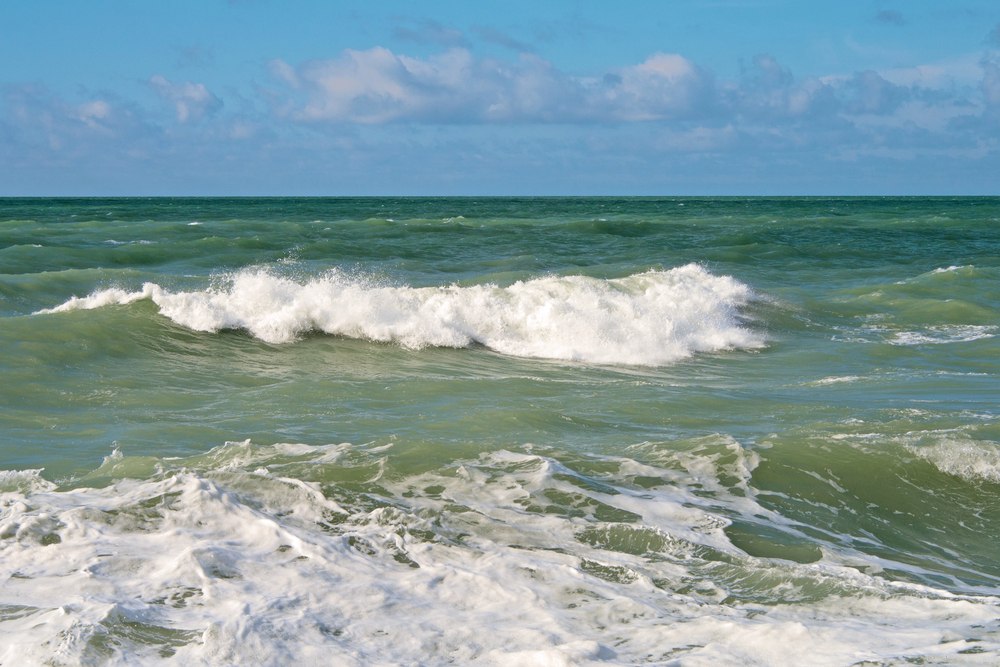
The Caspian Sea has dropped to its lowest recorded level, now sitting at less than 29 meters below sea level. The northern basin, bordering Russia and Kazakhstan, is shrinking particularly rapidly. As the water recedes, the exposed seabed is threatening key marine ecosystems. Experts warn the decline is already causing serious disruption to biodiversity in the region. Declining Volga Flow and Climate Change The downward trend in sea levels began in the 1990s and has accelerated since 2020, with a nearly 80-centimeter drop in the past four years. The primary factor is a decrease in the annual flow of the Volga River, which supplies approximately 80% of the Caspian's inflow and contributes 64% to the lake's total water balance. In recent years, the Volga’s annual discharge has ranged between 210 and 232 cubic kilometers, well below the historical average of around 250 cubic kilometers. At the same time, rising air temperatures are increasing evaporation rates, further depleting water levels. Scientists link these changes to global climate change and the ongoing rise in greenhouse gas emissions. Ecological and Economic Impact Human activity is compounding the problem. Significant water extraction from rivers for agriculture, industry, and municipal use is reducing the volume of water reaching the sea. Russia’s Ministry of Natural Resources is currently developing a comprehensive program to adapt to these shifting environmental conditions. The initiative aims to enhance forecasting, mitigate the consequences of shallowing, and adjust economic activities to reflect the new hydrological realities. Experts suggest that only a sustained annual inflow of around 270 cubic kilometers, comparable to levels recorded in the 1970s and 1990s, can halt the lake's ongoing decline. Changing Coastlines and Public Concern A recent video by Kazakh filmmaker Adai Myrzatay has stirred widespread attention on social media. The footage juxtaposes images of the Caspian coastline in 2013 and 2025. Twelve years ago, the pier was surrounded by open water and untouched shoreline. Today, the water has receded dramatically. Bushes now encircle the pier, and high-rise buildings stand where the shoreline once lay. The video has been viewed over 1.5 million times. The falling water level is leading to the loss of biological diversity and shrinking spawning grounds for species such as the Caspian seal and sturgeon. The shallowing is also disrupting shipping and fishing operations and raising the risk of international disputes over increasingly scarce water resources. A Shared Challenge for Five Nations The Caspian Sea, the world’s largest enclosed inland body of water, receives inflow from more than 130 rivers, including the Volga, Ural, Terek, Sulak, and Samur. Its coastline is shared by five countries: Russia, Kazakhstan, Turkmenistan, Azerbaijan, and Iran. While the Volga's inflow increased slightly to 232 cubic kilometers in 2024, it remains insufficient to reverse or even stabilize the sea’s decline. Experts agree that regional cooperation and a coordinated, long-term strategy for water resource management are essential to confronting this environmental crisis.

How the Shallowing of the Caspian Sea Will Affect Kazakhstan’s Ecology and Economy

Environmentalists are raising the alarm as the level of the Caspian Sea approaches a historic low. A recent review by Energyprom.kz highlights the growing environmental and economic risks facing Kazakhstan. Sea Level Dynamics and Causes of Decline At the 28th session of the Caspian Hydrometeorological Coordination Committee, it was reported that in November 2024, the average sea level stood at -29.03 meters relative to the Baltic elevation system. This marks the lowest level since 1977 when the sea dropped to -29.18 meters. Historical records indicate that between 1930 and 1977, the Caspian Sea experienced a significant decline due to the large-scale hydro-technical regulation of the Volga and Ural rivers. A temporary recovery followed between 1978 and 1995, with levels rising to -26.4 meters. However, since 2006, the sea has been steadily receding once more. According to Kazakhstan’s Ministry of Water Resources and Irrigation, the surface area of the Caspian has shrunk from 390,000 to 360,000 square kilometers in the past 18 years, with the northeastern shoreline most severely affected. “Since 2001, it has receded by over 50 kilometers, transforming thousands of square kilometers of water into land,” Deputy Edil Zhanbyrshin said during an inspection of the Ural River’s delta in the Atyrau Region. The depth at its mouth is now just 30-40 centimeters and is no longer navigable by ship. Climate Change and Meteorological Shifts One of the primary drivers of the sea’s decline is a drop in precipitation in the Volga basin. Atlantic cyclones that once brought regular rainfall have shifted their paths due to climate change. Simultaneously, rising temperatures are accelerating surface evaporation. Though the Caspian Sea borders five nations - Kazakhstan, Russia, Iran, Azerbaijan, and Turkmenistan - Kazakhstan bears the greatest risk. The sea’s northern section, vital for maritime transport and oil production, is the most vulnerable. Pollution, Wildlife Decline, and Regulatory Failures In addition to hydrological challenges, pollution remains a persistent threat. Members of the Mazhilis have cited ongoing toxic discharges by oil companies as a major factor in ecological degradation. The Caspian seal population has also plunged from one million to 100,000 over four decades, and sturgeon numbers have fallen by 90%. A parliamentary inquiry highlights the detrimental impact of oil spills, industrial fishing, drilling platforms, and tanker traffic, which obstruct sturgeon spawning routes. Compounding the problem, environmental fines levied on oil firms have reportedly been written off, either against future investments or royalties. Vadim Ni, director of the Social and Environmental Fund, told the Mazhilis he has been denied access to the environmental clauses in contracts with major field operators at Kashagan, Tengiz, and Karachaganak. The Ministry of Ecology has declined to release the data, citing confidentiality, and court appeals for transparency have so far failed. A Looming Migration Crisis? Without a reversal like the sea-level rise of 1978, Kazakhstan could face severe consequences. These include the cessation of shipping, collapse of marine ecosystems, and potential mass displacements. “By 2040, the issue of resettling up to five million Kazakhs living near the sea may...

Kazakhstan Under Pressure to Address Environmental Crisis

The United Nations Green Climate Fund (GCF) has pledged $280 million to Kazakhstan for environmental projects, underscoring the country's increasingly urgent ecological challenges. Experts warn that Kazakhstan faces a widening crisis as environmental degradation accelerates. Toward a “Green” Transition Minister of Ecology and Natural Resources Yerlan Nyssanbayev announced that the GCF will allocate substantial funding to Kazakhstan to support initiatives in renewable energy, electric transport development, and the adoption of low-carbon industrial technologies. “These investments will accelerate the country's transition to a sustainable, environmentally friendly economy,” Nyssanbayev stated. The minister said that Kazakhstan prepared a national program for GCF funding in 2024, comprising seven major initiatives. These included reducing greenhouse gas emissions in the energy sector, strengthening rural water supply systems, modernizing livestock farms, and promoting private-sector green financing. The program's total budget exceeds $1 billion, with $630 million potentially financed by the GCF. Additionally, the European Bank for Reconstruction and Development (EBRD) continues to back renewable energy projects in Kazakhstan. Eleven projects with a combined capacity of 330 MW are planned by 2027; nine have already secured financing. A Mounting Environmental Toll Kazakhstan continues to struggle with serious environmental challenges, many rooted in the Soviet-era legacy, and others emerging from modern development pressures. The country faces desertification, flooding, frequent wildfires, and escalating urban air pollution, particularly in cities like Almaty, Pavlodar, and Karaganda. On June 5, the government announced the formation of a Biodiversity Protection Fund at a forum in Astana. Akylbek Kurishbayev, President of the National Academy of Sciences, emphasized the urgency of regional collaboration in biodiversity conservation amid intensifying climate and anthropogenic pressures. Deputy Minister Nurlan Kurmalayev highlighted biodiversity preservation as a key component of environmental security and sustainable land use, calling for cross-border cooperation. In parallel, the national initiative “Green Kazakhstan” is advancing afforestation efforts across urban and rural areas, alongside waste management programs, ecosystem restoration, energy efficiency campaigns, and public education on environmental stewardship. Environmental Disaster Zones: The Caspian and Aral Seas Two of Kazakhstan's most pressing ecological crises involve the shrinking Caspian and Aral Seas. The Caspian Sea's water levels are falling dramatically. According to the Ministry of Ecology and Natural Resources, levels in 2024 are expected to drop by 22 cm in the northeast and 29 cm in the eastern Kazakh sector compared to 2023. Scientists warn of continued decline due to reduced inflows from the Volga and Ural rivers and rising global temperatures. TCA has previously reported about mass die-outs of Caspian seals in recent years. Vadim Ni, founder of the Save the Caspian Sea movement, described the crisis as triple-faceted, climate, ecological, and economic. “Its level is falling at an unprecedented rate, 2 meters over the past 20 years. By century’s end, up to one-third of its surface could be lost,” he said, warning that the shallow northern shelf, vital to the ecosystem, is especially at risk. Pollution, overfishing, and unchecked oil extraction are cited as critical threats. In April 2025, Mazhilis Deputy Sergei Ponomarev addressed a parliamentary inquiry to Prime...

Abu Dhabi Energy Giant Joins Offshore Gas Project in Turkmenistan

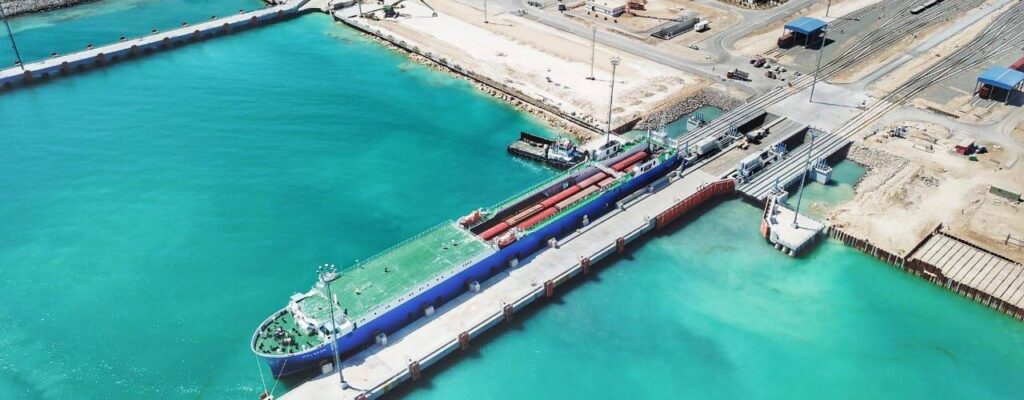
XRG, the international investment arm of the Abu Dhabi National Oil Company (ADNOC), has acquired a significant stake in a major offshore gas project in Turkmenistan’s Caspian Sea sector. The deal was announced on May 14 by energy news outlet Neftegaz, citing the company’s press service. Established in late 2024, XRG manages $80 billion in assets and focuses on global investments in chemicals, natural gas, and renewable energy. The initiative forms part of Abu Dhabi’s broader strategy to diversify its international portfolio and reduce reliance on crude oil exports. Under the new agreement, Malaysia’s state energy company Petronas will retain a 57% majority stake in Caspian Block I. XRG will hold 38%, while Turkmenistan’s state company Khazarnabit will control the remaining 5%. A long-term gas sales agreement was also signed with Turkmenistan’s state concern Türkmengaz. In parallel, Petronas, Khazarnabit, and the state oil company Türkmennebit concluded a new production-sharing agreement for Block I. Located offshore in the Caspian Sea, Block I currently produces approximately 400 million cubic feet of natural gas per day and is estimated to hold over 7 trillion cubic feet in reserves. Petronas has operated in Turkmenistan since 1996 and manages a gas processing plant and onshore terminal in Kiyanly. This latest agreement builds on momentum from a high-level visit by Turkmenistan’s National Leader Gurbanguly Berdimuhamedov to the United Arab Emirates in January 2024. During the visit, ADNOC and Türkmengaz signed a memorandum of understanding to explore joint development of the third phase of the Galkynyş gas field and associated infrastructure.

Underground Tunnel Proposed to Channel Water from Black Sea to Caspian Sea

Azerbaijan’s ADOG company, in partnership with Zira Sea Port, has proposed an ambitious plan to construct an underground tunnel linking the Black Sea to the Caspian Sea. The goal is to counteract the rapid decline in the Caspian’s water level, which presents mounting environmental, economic, and infrastructural risks for the five littoral states. According to the analytical portal Minval Politika, the project envisions a 10-meter diameter tunnel connecting the Black Sea, either from the Georgian or Russian coastline, to the Caspian Sea. Engineers propose using the natural elevation difference between the two bodies of water to enable gravity-fed flow from the Black Sea into the Caspian, eliminating the need for pumps. ADOG has stated that the proposed project would undergo comprehensive environmental monitoring and include measures to preserve biodiversity in both marine ecosystems. The company has expressed readiness to begin a feasibility study and initiate the mobilization of necessary resources. Project proponents have submitted a request for the initiative to be considered at the state level and are calling for the launch of preliminary intergovernmental consultations. The urgency behind the proposal is grounded in alarming recent data. As previously reported by The Times of Central Asia, the Caspian Sea has been shrinking at a faster-than-expected rate. Environmental group Save The Caspian Sea reports that the sea level has dropped by two meters in the past 18 years, with projections warning of a further decline of up to 18 meters by 2100 if current trends continue. Such a drop could have catastrophic consequences for regional biodiversity, fisheries, port infrastructure, and climate stability, evoking fears of an ecological disaster akin to the desiccation of the Aral Sea. While the proposed tunnel remains at a conceptual stage, its geopolitical and environmental implications will likely generate serious debate among the Caspian littoral states: Azerbaijan, Iran, Kazakhstan, Russia, and Turkmenistan.

Caspian Sturgeon Population Declines 90% Amid Ecological Crisis

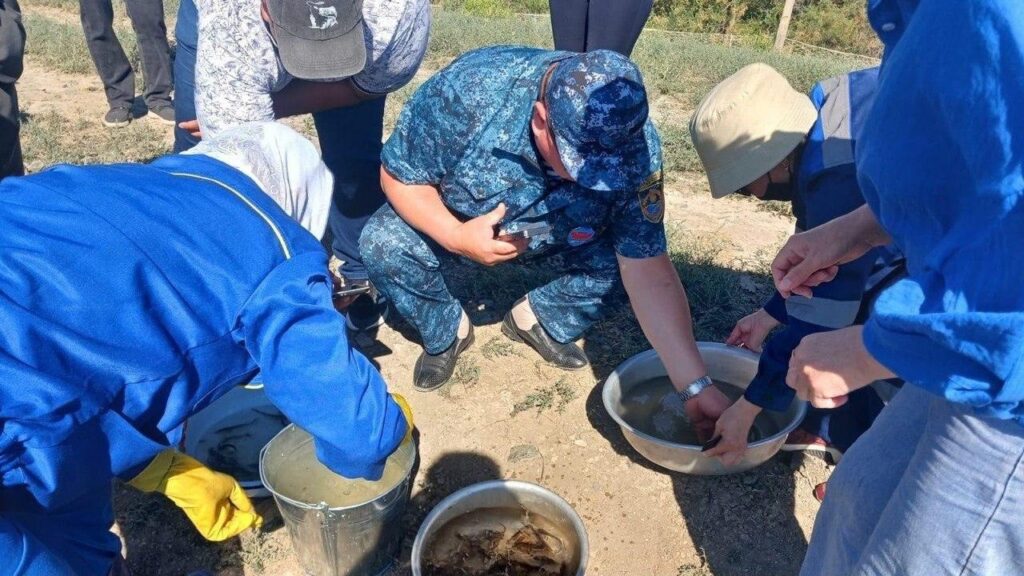
The sturgeon population in the Caspian Sea has plummeted by 90% over the past four decades, according to Sergei Ponomarev, a deputy of Kazakhstan’s Mazhilis (lower house of parliament). Speaking during a recent meeting of the Mazhilis Committee on Ecology, Ponomarev cited both the sea’s progressive shallowing and escalating environmental degradation caused by human activity as key contributors to the decline. He emphasized that oil production and significant volumes of untreated domestic and industrial waste are the primary sources of pollution in the Caspian Sea. “Oil extraction suppresses the development of phytobenthos and phytoplankton, while sewage discharges have transformed the sea into a reservoir of infectious diseases. Biodiversity is in severe crisis,” he said. The deteriorating water quality has also weakened the immune systems of marine species, leading to reduced disease resistance. As a result, the population of Caspian seals has dropped from one million to just 100,000, and sturgeon numbers have seen a dramatic 90% reduction, primarily due to reproductive disruptions at spawning sites. Ponomarev warned of broader public health consequences in Kazakhstan’s Atyrau and Mangistau regions, including declining life expectancy and increasing cancer rates. He forecasted that by 2040, up to five million residents could become “ecological migrants” if conditions continue to worsen. “The Caspian Sea Institute has been created, but it remains non-functional. We are losing invaluable time,” he said, urging the government to adopt a science-based approach to ecological monitoring and recovery efforts. Kazakhstan approved the establishment of the Caspian Sea Institute in November 2023 to study and address the environmental degradation of the sea, including declining water levels and mass die-offs of marine life. However, Vice Minister of Ecology and Natural Resources Mansur Oshurbaev reported that funding remains unresolved. The ministry has requested KZT 1.8 billion ($3.4 million) from the government’s reserve for 2025 to operationalize the institute, which will be based in Aktau with a staff of 91. Oshurbaev also highlighted efforts to develop an environmental sensitivity map for Kazakhstan’s Caspian coastline, aimed at preventing oil spills and aiding biodiversity conservation. Kazakh scientists predict a consistent decline in the sea level, which could reach minus 33 meters by 2050, a scenario they warn would be catastrophic for the ecosystem. As previously reported by The Times of Central Asia, according to the global movement, Save the Caspian Sea, the water level has already dropped by two meters over the past 18 years. If this trend continues, the sea could shrink by another 18 meters by the end of the century, risking an ecological disaster comparable to the collapse of the Aral Sea.