• KGS/USD = 0.01144 0%
  • KZT/USD = 0.00205 0%
  • TJS/USD = 0.10784 0%
  • UZS/USD = 0.00008 0%
  • TMT/USD = 0.28490 0%
  • KGS/USD = 0.01144 0%
  • KZT/USD = 0.00205 0%
  • TJS/USD = 0.10784 0%
  • UZS/USD = 0.00008 0%
  • TMT/USD = 0.28490 0%
  • KGS/USD = 0.01144 0%
  • KZT/USD = 0.00205 0%
  • TJS/USD = 0.10784 0%
  • UZS/USD = 0.00008 0%
  • TMT/USD = 0.28490 0%
  • KGS/USD = 0.01144 0%
  • KZT/USD = 0.00205 0%
  • TJS/USD = 0.10784 0%
  • UZS/USD = 0.00008 0%
  • TMT/USD = 0.28490 0%
  • KGS/USD = 0.01144 0%
  • KZT/USD = 0.00205 0%
  • TJS/USD = 0.10784 0%
  • UZS/USD = 0.00008 0%
  • TMT/USD = 0.28490 0%
  • KGS/USD = 0.01144 0%
  • KZT/USD = 0.00205 0%
  • TJS/USD = 0.10784 0%
  • UZS/USD = 0.00008 0%
  • TMT/USD = 0.28490 0%
  • KGS/USD = 0.01144 0%
  • KZT/USD = 0.00205 0%
  • TJS/USD = 0.10784 0%
  • UZS/USD = 0.00008 0%
  • TMT/USD = 0.28490 0%
  • KGS/USD = 0.01144 0%
  • KZT/USD = 0.00205 0%
  • TJS/USD = 0.10784 0%
  • UZS/USD = 0.00008 0%
  • TMT/USD = 0.28490 0%

Viewing results 1 - 6 of 14

2025: The Year Central Asia Stepped Onto the Global Stage

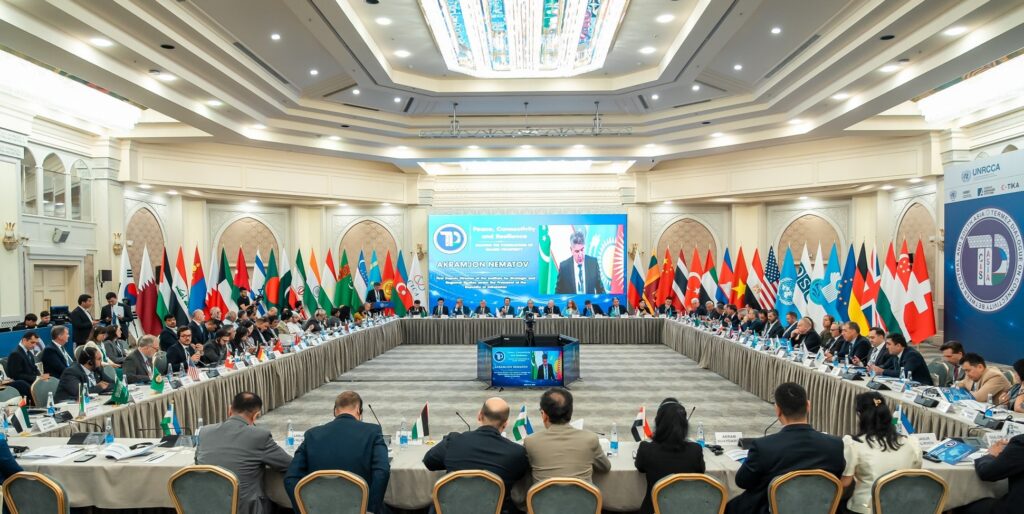
For much of the post-Soviet era, Central Asia occupied a peripheral place in global affairs. It mattered to its immediate neighbors, but rarely shaped wider debates. In 2025, that changed in visible ways. The region became harder to ignore, largely not because of ideology or alignments, but because of assets that the world increasingly needs: energy, minerals, transit routes, and political access across Eurasia. One of the clearest signs came in April, when the European Union and the leaders of Kazakhstan, Kyrgyzstan, Tajikistan, Turkmenistan, and Uzbekistan met in Samarkand for their first summit at the head-of-state level. The meeting concluded with a joint declaration upgrading relations to a strategic partnership, with a focus on transport connectivity, energy security, and critical raw materials. The document marked a shift in how Brussels views Central Asia, moving beyond development assistance toward geopolitical cooperation, as outlined in the official EU–Central Asia summit joint declaration. European interest is rooted in necessity. Russia’s war in Ukraine has forced EU governments to rethink energy imports, supply chains, and overland trade routes. Central Asia sits astride the most viable alternatives that bypass Russian territory. It also holds resources essential to Europe’s green transition, including uranium and a range of industrial metals. The region’s leaders spent much of the year framing their diplomacy around these tangible advantages, rather than abstract political alignments. The United States followed a similar track. Through the C5+1 format, Washington deepened engagement with all five Central Asian states, with particular emphasis on economic cooperation and supply-chain resilience. A key element has been the Critical Minerals Dialogue, launched to connect Central Asian producers with Western markets. This initiative formed part of a broader U.S. effort to diversify access to strategic materials and reduce dependence on Russia and China. Russia remained a central but changing presence in Central Asia throughout 2025. Economic ties, labor migration, and shared infrastructure ensured that Moscow continued to matter across the region. At the same time, however, Russia’s war in Ukraine constrained its ability to act as the dominant external power it once was. Central Asian governments maintained pragmatic relations with Moscow, but they increasingly treated Russia as one partner among several rather than the default reference point. Trade continued, security cooperation persisted, and political dialogue remained active, yet the balance shifted toward hedging rather than dependence. Uranium sits at the center of this shift, with the United States having banned imports of certain Russian uranium products under federal law, with waivers set to expire no earlier than January 1, 2028. As Washington restructures its nuclear fuel supply chain, Central Asia’s role has grown sharply. According to the U.S. Energy Information Administration’s 2024 Uranium Marketing Annual Report, Kazakhstan supplied 24% of uranium delivered to U.S. reactor operators, while Uzbekistan accounted for about 9%. Canada and Australia remain major suppliers, but the Central Asian share is now strategic rather than marginal. That economic weight translated into political visibility. In December, U.S. President Donald Trump said he would invite Kazakhstan and Uzbekistan to attend...

Financing Agreement for China-Kyrgyzstan-Uzbekistan Railway Project Signed in Bishkek

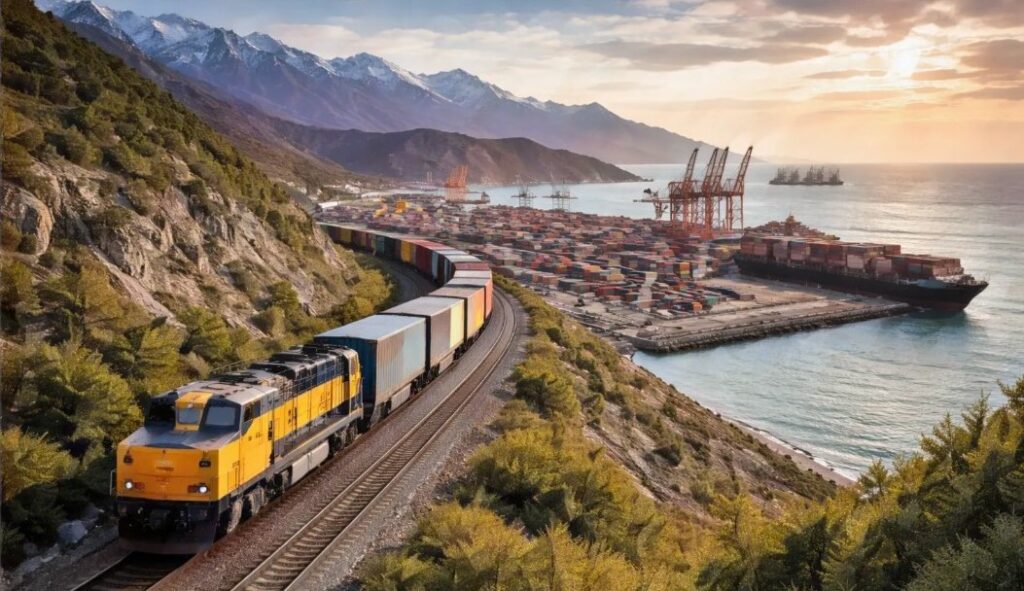
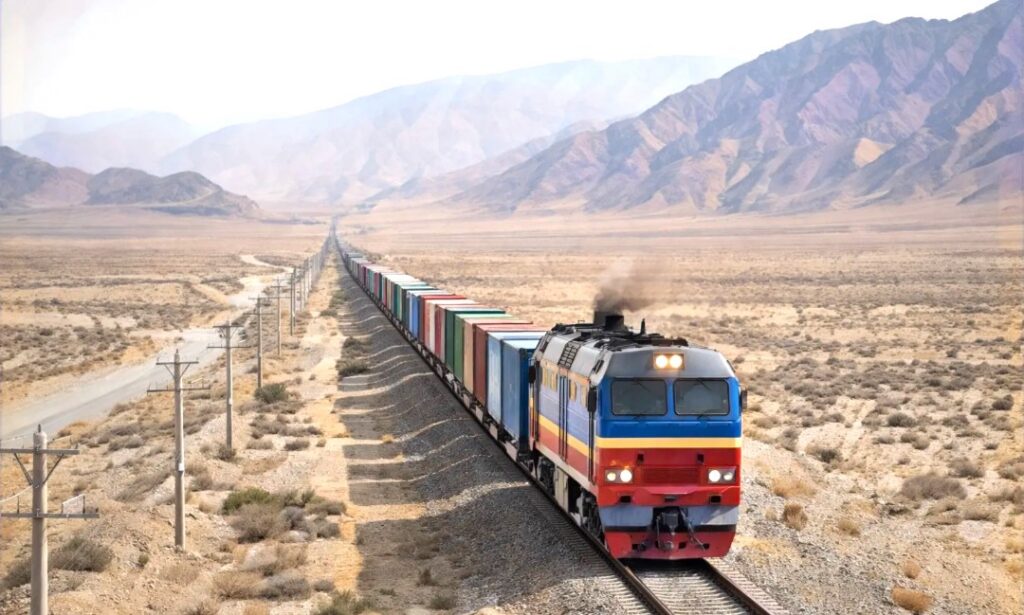
On December 16, a loan agreement was signed in Bishkek to finance the construction of the China-Kyrgyzstan-Uzbekistan (CKU) railway, an ambitious regional transport project intended to bolster connectivity across Central and South Asia. According to the Kyrgyz government, the agreement was concluded between China-Kyrgyzstan-Uzbekistan Railway Company LLC, a joint venture formed by the three participating countries and a syndicate of Chinese banks, including the China Development Bank and Eximbank. The CKU railway has been discussed for more than two decades, but repeatedly stalled over financing, route selection, and technical concerns. Momentum increased after 2022 as China sought alternative westbound transport corridors and Central Asian states looked to diversify trade routes and reduce reliance on existing transit pathways. The total cost of the railway project is estimated at $4.7 billion. Half of that amount, approximately $2.3 billion, will be provided as a 35-year loan from China to the joint project company, which will be responsible for repayment. The remaining $2.3 billion will be contributed to the company’s authorized capital: China will cover 51%, while Kyrgyzstan and Uzbekistan will each provide 24.5%. The CKU railway is a strategically significant infrastructure initiative spanning 523 kilometers. Construction officially began on December 27, 2024, in Kyrgyzstan’s Jalal-Abad region. Once completed, the railway will link Kashgar in China with Torugart, Makmal, and Jalal-Abad in Kyrgyzstan, and continue on to Andijan in Uzbekistan. A cargo transshipment station and logistics hub are planned in Makmal. The railway is expected to handle up to 15 million tons of cargo annually. Despite its strategic appeal, the project has raised concerns about debt exposure, particularly for Kyrgyzstan, which already relies heavily on Chinese financing. Officials say the joint-venture structure and long loan maturity will limit fiscal risks, though critics argue projected cargo volumes will need to be met for the railway to be financially sustainable. Currently, neither Kyrgyzstan nor Uzbekistan has a direct rail link with China; the only such connection in Central Asia runs through Kazakhstan. For Uzbekistan, the railway is expected to shorten transit times to Chinese markets and expand export capacity for industrial and agricultural goods. Officials in Tashkent have argued that the CKU route could reduce delivery times by several days compared with existing rail corridors. The CKU railway is among the most technically complex projects in the region. It includes the construction of 50 bridges and 29 tunnels, totaling 120 kilometers in length, meaning roughly 40% of the route will consist of bridges and tunnels. The Kyrgyz section alone will cover 304 kilometers. On December 5, Chairman of the Kyrgyz Cabinet of Ministers Adylbek Kasymaliev visited the construction site of one of the tunnels in the Jalal-Abad region to inspect progress. According to government sources, work has begun on 18 of the 29 planned tunnels and 17 of the 50 bridges. The project currently involves 5,695 pieces of machinery and over 5,000 workers. For Kyrgyzstan, the CKU railway represents the largest infrastructure project in the country’s history. Authorities view the project as a chance to transform...

From the Steppe to Space: Kazakhstan Tests First Direct-to-Cell Phone Call

In a remote part of Kazakhstan, a standard 4G smartphone has made Central Asia’s first satellite-linked phone call, thanks to a field test by Beeline Kazakhstan and SpaceX’s Starlink network. The trial successfully routed a WhatsApp voice call and text messages through Starlink Direct-to-Cell satellites, demonstrating that ordinary phones can stay connected even where traditional mobile coverage ends. The demonstration was carried out in Kazakhstan’s Akmolinskaya region and confirmed the interoperability between Starlink’s satellites and Beeline’s terrestrial network. During the test, Beeline Kazakhstan CEO Evgeniy Nastradin and Kazakhstan’s Deputy Prime Minister Zhaslan Madiyev placed a WhatsApp audio call via Starlink to VEON Group CEO Kaan Terzioglu using a regular smartphone and SIM card. They also exchanged SMS and WhatsApp messages, effectively merging satellite links with the country’s mobile infrastructure for the first time. Kazakhstan has vast stretches of steppe and mountains where cell towers are sparse. Officials involved in the project say satellite-enabled connectivity offers a vital new layer of coverage for these remote regions. “Starlink’s Direct-to-Cell satellites make it possible to stay connected in places where traditional infrastructure is unavailable: in the mountains, the steppe, forests, and across long distances,” Madiyev noted, calling the technology “more than just a convenience – it is an important safety measure [that will ensure people] can stay connected in any part of the country.” Madiyev added that the ability to send a message from a dead zone without any special equipment “has the potential to save lives” in emergencies. Beeline Kazakhstan’s leadership similarly emphasized the significance of the milestone. By blending Starlink’s space-based relays with Beeline’s ground towers, customers will be able to stay connected anywhere in Kazakhstan. The initiative has government support and is backed by Kazakhstan’s Ministry of Artificial Intelligence and Digital Development as part of a push to improve nationwide connectivity. Starlink Direct-to-Cell is a new capability of SpaceX’s Starlink satellite internet constellation that effectively turns satellites into cell towers in space. The satellites carry special cellular antennas (eNodeB modems) and link with ground networks via laser backhaul, allowing a phone to connect to the satellite as if roaming on a normal network. Crucially, this works with existing phones without requiring any new hardware or apps. The technology aims to eliminate mobile dead zones, as over 50% of the world’s land area still lacks cellular coverage. The Kazakhstan trial is part of a broader wave of satellite-cellular convergence. In November, Ukraine became the first country in Europe to launch Starlink’s direct-to-phone service, with VEON’s subsidiary Kyivstar initially offering satellite-powered text messaging to keep people connected during wartime blackouts and disaster situations. Voice calling and data services are expected to follow next year, underscoring the technology’s value for resilience when traditional infrastructure is disrupted. Following this week’s successful test, Beeline Kazakhstan plans to roll out Starlink Direct-to-Cell connectivity for its own customers, beginning with SMS text services in 2026, pending regulatory approval. Data connectivity would come next, expanding to full-service coverage in phases. Beeline serves over eleven million mobile subscribers in...

Deals, Not Declarations: U.S.–Central Asia Cooperation at Summit Crossroads

A landmark summit between the United States and the five Central Asian republics is scheduled for November 6 in Washington, D.C., bringing together the presidents of Kazakhstan, Kyrgyzstan, Tajikistan, Turkmenistan, and Uzbekistan. It will be the second leaders-level C5+1 meeting with a U.S. president—the first took place on the sidelines of the UN General Assembly in 2023—and the first time the format is hosted in the U.S. capital. The gathering also marks the 10th anniversary of the C5+1 diplomatic platform that connects Central Asia with Washington. The summit comes at a pivotal moment geopolitically; Russia remains consumed by its war in Ukraine, whilst China continues to expand its Belt and Road footprint across Eurasia. As the region’s strategic importance grows, both the United States and the Central Asian states see an opportunity to recalibrate their relationships, each approaching the meeting with distinct priorities and expectations. Washington’s Agenda: Critical Minerals and Connectivity For the United States, this summit is about converting diplomatic engagement into tangible deliverables. Officials want to see results in three main areas: critical minerals, regional connectivity, and security coordination. Congress and the administration view the region’s reserves of antimony, tungsten, uranium, and rare earth elements as essential to securing U.S. supply chains. During his October 2025 visit to Kazakhstan and Uzbekistan, Deputy Secretary of State Christopher Landau emphasized expanding cooperation on critical minerals and trade diversification. The Trump administration has prioritized these resources as part of a broader effort to reduce dependence on China. Trade routes are also in focus. The U.S. supports the Middle Corridor, a trans-Caspian route that links Central Asia with the South Caucasus and Europe. Infrastructure investments that bypass Russia are strategically important, and Washington wants to help harmonize customs and logistics to make that corridor more viable. These priorities form part of a wider push to anchor the region in transparent, market-based supply chains that connect Central Asia more directly with Western markets. Kazakhstan: Trade Normalization and Resource Investment Central Asia’s largest economy, Kazakhstan is expected to push for permanent normal trade relations with the U.S. The country still faces Cold War-era restrictions under the Jackson-Vanik amendment – as do Tajikistan, Turkmenistan, and Uzbekistan - with Astana long having viewed its repeal as a key milestone. That push has taken on new importance after Washington imposed a 25% tariff on Kazakh imports in mid-2025 - though Kazakh exports were exempted shortly thereafter - a move viewed by officials in Astana as inconsistent with efforts to expand economic cooperation. Kazakhstan is also looking to the U.S. for support in developing its mineral wealth. President Kassym-Jomart Tokayev’s government is actively mapping new rare earth deposits, and Washington has recently backed a private American bid to reopen Kazakhstan’s long-idle tungsten mine at Upper Kairakty, underscoring growing U.S. interest in Central Asia’s critical minerals sector. The two sides are also expanding industrial ties: in September 2025, Astana signed a $4.2 billion deal with U.S. rail manufacturer Wabtec to modernize Kazakhstan’s locomotive fleet and develop regional transport corridors...

Which Central Asian States Qualify as Middle Powers in 2025?

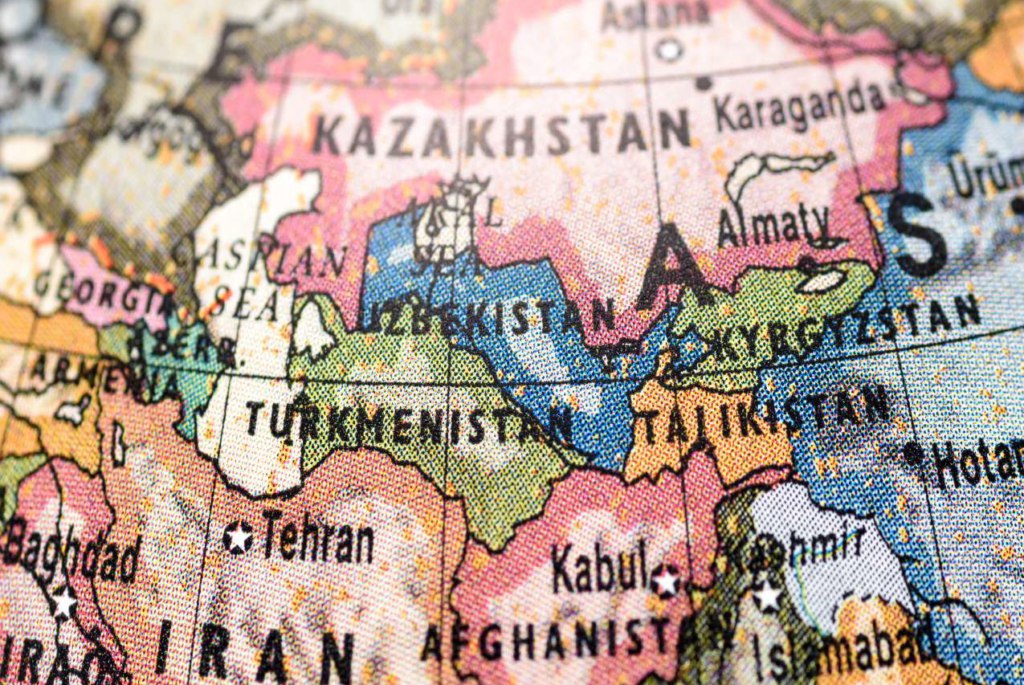
As global power shifts toward multipolarity, Central Asia’s states are emerging as active regional players. This article assesses which of the five republics—Kazakhstan, Uzbekistan, Turkmenistan, Kyrgyzstan, and Tajikistan—qualify as middle powers in 2025, based on economic strength, diplomatic reach, strategic capacity, and governance. Kazakhstan stands as the region’s only consolidated middle power, balancing fiscal stability, institutional reform, and multi-vector diplomacy. Uzbekistan is a rising aspirant, propelled by reforms but still reliant on external financing and centralized authority. The remaining states remain constrained by dependence and limited institutional depth. Together, they reflect a region increasingly capable of shaping, rather than merely absorbing, global and regional change. A comparative analysis of five Central Asian republics shows how far each has advanced toward this status. [vc_row][vc_column][vc_raw_html css=""]JTNDc3R5bGUlM0UlMEQlMEElMkYlMkElMjBCYXNlJTIwdGFibGUlMjBzdHlsaW5nJTIwJTJBJTJGJTBEJTBBLm1wLXdyYXBwZXIlMjAlN0IlMjBtYXgtd2lkdGglM0ElMjAxMDAwcHglM0IlMjBtYXJnaW4lM0ElMjAwJTIwYXV0byUzQiUyMHBhZGRpbmclM0ElMjAxNnB4JTNCJTIwY29sb3IlM0ElMjAlMjMwMDAlM0IlMjAlN0QlMEQlMEEubXAtdGFibGUlMjAlN0IlMjB3aWR0aCUzQSUyMDEwMCUyNSUzQiUyMGJvcmRlci1jb2xsYXBzZSUzQSUyMGNvbGxhcHNlJTNCJTIwJTdEJTBEJTBBLm1wLXRhYmxlJTIwdGglMkMlMjAubXAtdGFibGUlMjB0ZCUyMCU3QiUyMGJvcmRlciUzQSUyMDFweCUyMHNvbGlkJTIwJTIzMDAwJTNCJTIwcGFkZGluZyUzQSUyMDhweCUzQiUyMHRleHQtYWxpZ24lM0ElMjBsZWZ0JTNCJTIwY29sb3IlM0ElMjAlMjMwMDAlM0IlMjAlN0QlMEQlMEEubXAtdGFibGUlMjB0aGVhZCUyMHRoJTIwJTdCJTIwYmFja2dyb3VuZCUzQSUyMCUyMzAwMCUyMGNvbG9yJTNBJTIwJTIzZmZmJTNCJTIwZm9udC13ZWlnaHQlM0ElMjBib2xkJTNCJTIwcG9zaXRpb24lM0ElMjBzdGlja3klM0IlMjB0b3AlM0ElMjAwJTNCJTIwJTdEJTBEJTBBJTBEJTBBJTJGJTJBJTIwUmVzcG9uc2l2ZSUyMHN0YWNrJTIwb24lMjBzbWFsbCUyMHNjcmVlbnMlMjAlMkElMkYlMEQlMEElNDBtZWRpYSUyMCUyOG1heC13aWR0aCUzQSUyMDY0MHB4JTI5JTIwJTdCJTBEJTBBJTIwJTIwLm1wLXRhYmxlJTIwdGhlYWQlMjAlN0IlMjBkaXNwbGF5JTNBJTIwbm9uZSUzQiUyMCU3RCUwRCUwQSUyMCUyMC5tcC10YWJsZSUyQyUyMC5tcC10YWJsZSUyMHRib2R5JTJDJTIwLm1wLXRhYmxlJTIwdHIlMkMlMjAubXAtdGFibGUlMjB0ZCUyMCU3QiUyMGRpc3BsYXklM0ElMjBibG9jayUzQiUyMHdpZHRoJTNBJTIwMTAwJTI1JTNCJTIwJTdEJTBEJTBBJTIwJTIwLm1wLXRhYmxlJTIwdHIlMjAlN0IlMjBtYXJnaW4lM0ElMjAwJTIwMCUyMDEycHglMjAwJTNCJTIwYm9yZGVyJTNBJTIwMXB4JTIwc29saWQlMjAlMjMwMDAlM0IlMjAlN0QlMEQlMEElMjAlMjAubXAtdGFibGUlMjB0ZCUyMCU3QiUyMGJvcmRlciUzQSUyMG5vbmUlM0IlMjBib3JkZXItYm90dG9tJTNBJTIwMXB4JTIwc29saWQlMjAlMjMwMDAlM0IlMjBwb3NpdGlvbiUzQSUyMHJlbGF0aXZlJTNCJTIwcGFkZGluZy1sZWZ0JTNBJTIwNTAlMjUlM0IlMjBtaW4taGVpZ2h0JTNBJTIwNDJweCUzQiUyMCU3RCUwRCUwQSUyMCUyMC5tcC10YWJsZSUyMHRkJTNBJTNBYmVmb3JlJTIwJTdCJTBEJTBBJTIwJTIwJTIwJTIwY29udGVudCUzQSUyMGF0dHIlMjhkYXRhLWxhYmVsJTI5JTNCJTBEJTBBJTIwJTIwJTIwJTIwcG9zaXRpb24lM0ElMjBhYnNvbHV0ZSUzQiUwRCUwQSUyMCUyMCUyMCUyMGxlZnQlM0ElMjA4cHglM0IlMEQlMEElMjAlMjAlMjAlMjB0b3AlM0ElMjA4cHglM0IlMEQlMEElMjAlMjAlMjAlMjB3aWR0aCUzQSUyMGNhbGMlMjg1MCUyNSUyMC0lMjAxNnB4JTI5JTNCJTBEJTBBJTIwJTIwJTIwJTIwZm9udC13ZWlnaHQlM0ElMjBib2xkJTNCJTBEJTBBJTIwJTIwJTIwJTIwd2hpdGUtc3BhY2UlM0ElMjBub3JtYWwlM0IlMEQlMEElMjAlMjAlN0QlMEQlMEElMjAlMjAubXAtdGFibGUlMjB0ZCUzQWxhc3QtY2hpbGQlMjAlN0IlMjBib3JkZXItYm90dG9tJTNBJTIwMCUzQiUyMCU3RCUwRCUwQSU3RCUwRCUwQSUyRiUyQSUyMERlc2t0b3AlMjBkZWZhdWx0JTIwJTJBJTJGJTBEJTBBLm1wLXRhYmxlJTIwdGglMkMlMjAubXAtdGFibGUlMjB0ZCUyMCU3QiUyMGZvbnQtc2l6ZSUzQSUyMDEycHglM0IlMjAlN0QlMEQlMEElMEQlMEElMkYlMkElMjBCZWxvdyUyMDEwMjRweCUyMCUyQSUyRiUwRCUwQSU0MG1lZGlhJTIwJTI4bWF4LXdpZHRoJTNBJTIwMTAyNHB4JTI5JTIwJTdCJTBEJTBBJTIwJTIwLm1wLXRhYmxlJTIwdGglMkMlMjAubXAtdGFibGUlMjB0ZCUyMCU3QiUyMGZvbnQtc2l6ZSUzQSUyMDExcHglM0IlMjAlN0QlMEQlMEElN0QlMEQlMEElMEQlMEElM0MlMkZzdHlsZSUzRQ==[/vc_raw_html][vc_column_text css="" woodmart_inline="no" text_larger="no"] As global power shifts toward multipolarity, Central Asia’s states are emerging as active regional players. This article assesses which of the five republics—Kazakhstan, Uzbekistan, Turkmenistan, Kyrgyzstan, and Tajikistan—qualify as middle powers in 2025, based on economic strength, diplomatic reach, strategic capacity, and governance. Kazakhstan stands as the region’s only consolidated middle power, balancing fiscal stability, institutional reform, and multi-vector diplomacy. Uzbekistan is a rising aspirant, propelled by reforms but still reliant on external financing and centralized authority. The remaining states remain constrained by dependence and limited institutional depth. Together, they reflect a region increasingly capable of shaping, rather than merely absorbing, global and regional change. A comparative analysis of five Central Asian republics shows how far each has advanced toward this status. Economic Power Economic autonomy is a defining attribute of middle-power capability, enabling states to project influence, sustain policy independence, and finance external engagement. In Central Asia, dependence on Official Development Assistance (ODA) and remittances often reflects constrained fiscal capacity and limited domestic capital formation, while diversified, resilient economies underpin strategic autonomy. Key indicators—GDP per capita, credit ratings, debt sustainability, and export diversification—illuminate the region’s economic hierarchy. Kazakhstan stands as Central Asia’s only consolidated economic middle power. Resource-backed growth, a prudent fiscal regime, and a sovereign wealth fund (the National Fund of Kazakhstan) have anchored macroeconomic stability. With a “BBB” credit rating or equivalent from major agencies, Kazakhstan demonstrates sound debt management and policy credibility. Ongoing diversification efforts under the new economic policies—from renewables to financial modernization—aim to reduce hydrocarbon dependence and deepen integration into global supply chains. Its role as a trans-Caspian logistics hub enhances both strategic and commercial influence. Uzbekistan, by contrast, is an emerging frontier market propelled by post-2017 reforms in currency liberalization, taxation, and state-enterprise restructuring. Rapid GDP growth and expanding private-sector activity mark its trajectory toward fiscal autonomy, though continued ODA inflows averaging around $1.1 billion to 1.3 billion annually, primarily from the Asian Development Bank (ADB), the World Bank, and bilateral partners such as Japan, the United States, and the European Union, highlight its residual dependence on external concessional financing. To achieve genuine middle power status, Uzbekistan must roughly double its real economic output over the next decade, a scale of growth aligned with the shift...

Central Asia’s Rail Corridors: U.S. and Chinese Partnerships in Perspective

Kazakhstan’s railways are modernizing with a U.S. supplier, while Kyrgyzstan and Uzbekistan are advancing a new trans‑mountain link with China. On September 22, 2025, Wabtec and KTZ announced a multi‑year locomotive and services package worth about $4.2 billion, described by the company as its “largest” agreement. In parallel, China, Kyrgyzstan, and Uzbekistan formalized a joint company to build the long-planned CKU railway, with China holding a 51% stake. Central Asia’s rail networks are thus being reshaped by two major partnerships - one with the United States and one with China. Rather than a zero-sum rivalry, these projects show how regional governments are pursuing different infrastructure strategies to expand connectivity. Kazakhstan and Wabtec: Modernizing an Existing Network In September 2025, Kazakhstan’s railway operator KTZ signed a $4.2 billion agreement with U.S.-based Wabtec for 300 Evolution Series ES44ACi locomotives. The diesel-electric engines are tailored for Kazakhstan’s 1,520 mm gauge network and harsh climate, replacing aging Soviet-era stock. Wabtec finalized full ownership of the Astana locomotive plant in late 2023; production and services for 1,520-mm stock are now fully under Wabtec’s Kazakhstan subsidiary. Local manufacturing and long-term service contracts are expected to expand domestic engineering capacity. The locomotives’ digital diagnostic systems should improve fuel efficiency and maintenance intervals. According to the official Wabtec press release, the agreement “strengthens KTZ’s role as a critical and reliable hub for the Middle Corridor,” while KTZ CEO Talgat Aldybergenov said it “confirms our commitment to advanced technologies in the transport sector”. Rail accounts for about 64% of Kazakhstan’s freight turnover (2024), so locomotive performance directly affects Middle Corridor throughput. Financing details have not been disclosed, but the purchase appears to be domestically funded through KTZ and state support. For Astana, the order fits its multi-vector foreign-policy approach: Kazakhstan continues its partnerships with France’s Alstom, China’s CRRC, and Russia, maintaining balance across suppliers. While the locomotives are diesel, Kazakhstan is also electrifying key lines with European partners. Diesels provide an immediate boost without new catenary investment, and Wabtec claims lower emissions than previous models. Over time, expanded electrification could complement this upgrade. Overall, the Wabtec partnership represents incremental modernization. This is an interoperability-based approach that strengthens existing routes rather than building new corridors from scratch. [caption id="attachment_37655" align="aligncenter" width="950"] Image: trains.com - One of Kazakhstan’s modern Evolution Series diesel locomotives (model TE33A) produced through a partnership with U.S. firm Wabtec. Kazakhstan’s railways carry about 64% of the country’s freight, making such upgrades crucial for trade connectivity.[/caption] The China–Kyrgyzstan–Uzbekistan (CKU) Railway: Building a New Corridor After nearly three decades of discussion, China, Kyrgyzstan, and Uzbekistan launched construction of the CKU railway in late 2024. The 523 km line will run from Kashgar (Xinjiang) through the Kyrgyz mountain ranges to Andijan, Uzbekistan. It will provide a second direct China–Central Asia connection, bypassing reliance on Kazakhstan’s network. The CKU is designed with dual gauges: standard (1,435 mm) in China and broad (1,520 mm) in Kyrgyzstan and Uzbekistan, with a dry-port transshipment hub in Makmal, Kyrgyzstan. This compromise allows integration with existing Central...