Viewing results 1 - 6 of 108
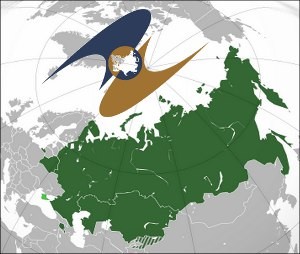
BISHKEK (TCA) — The global background for the recovery of economic growth in the Eurasian Development Bank (EDB) member states — Armenia, Belarus, Kazakhstan, Kyrgyzstan, Russia, and Tajikistan — has improved this year. Improvements included an increase in the world’s oil prices as well as greater global economic growth, according to the findings presented in The Macroeconomic Review published by the Chief Economist Group at the EDB on November 20. Continue reading
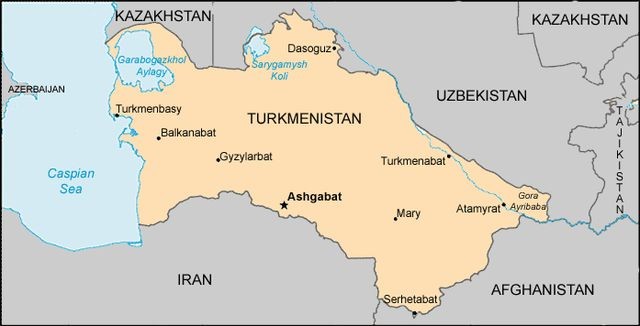
ASHGABAT (TCA) — Coca-Cola Turkmenistan is on the brink of shutdown and has already closed down production at its manufacturing facilities located in Ashgabat, the independent foreign-based news website Chronicles of Turkmenistan reported on November 20. Continue reading
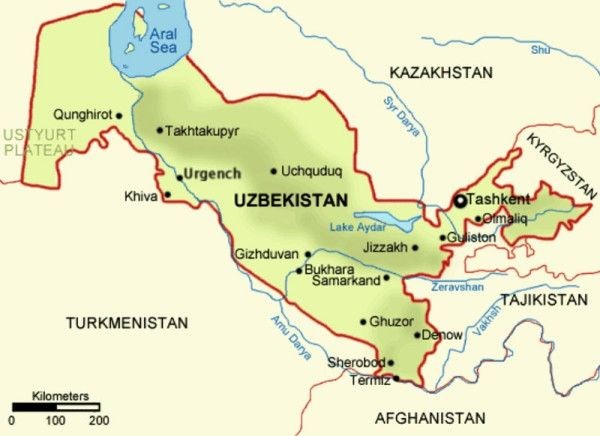
TASHKENT (TCA) — An International Monetary Fund (IMF) mission visited Uzbekistan during November 7–16 and welcomed the Uzbek authorities’ continued efforts to adopt a more effective macroeconomic stabilization framework and to improve the economy’s investment climate, in line with the priorities of the development strategy of the country’s President. The mission noted that the liberalization of the foreign exchange market in Uzbekistan in early-September was a significant first step, which seemed to be welcomed by all stakeholders. “The authorities expressed their determination to follow up on the foreign exchange reform by liberalizing most prices, restructuring state-owned enterprises, and removing remaining bottlenecks to international trade and foreign direct investment,” the mission said in a statement at the conclusion of the visit. “The mission noted that the next reform steps should aim at improving the investment climate and protecting the vulnerable segments of the population. “Improved international commodity prices and trading partner growth will provide a favorable backdrop to the authorities’ reform efforts. “Growth prospects remain broadly favorable, but there are risks to growth during this phase of economic transformation, as earlier experiences of other transition economies suggest. “The mission welcomed the authorities’ focus on keeping inflationary pressures in check. To be able to more effectively control inflation, the Central Bank of Uzbekistan (CBU) is overhauling its monetary framework and is enhancing its operational capabilities. “The mission also welcomed the authorities’ intention to allow the nominal exchange rate to respond to fundamental shifts in the supply and demand for foreign exchange. Further steps to liberalize transactions in the foreign exchange market would be welcome. “Fiscal policy will have to continue to play the leading role in stabilizing the economy. In this context, the mission noted that it will be important that fiscal policy, defined as including all on- and off-budget operations, will need to remain tight going forward to help contain inflationary pressures. “Following the liberalization of the foreign exchange market, the banking system remains well-buffered. But there was agreement that banks’ asset quality and liquidity needs to be monitored carefully, especially against the backdrop of the restructuring of the large state-owned enterprise sector. “The mission welcomed the first concrete steps toward improving the quality and transparency of economic statistics. A new consumer price index measure, aligned with international standards, will be used to measure inflation from February 2018 onward. Uzbekistan has also progressed toward joining the IMF’s enhanced General Data Dissemination System (E-GDDS),” the statement concludes.
ASHGABAT (TCA) — Authorities in Turkmenistan have reduced the limit on cash withdrawals from ATMs abroad for the third time this year, in an apparent attempt to keep more money in the country amid an economic downturn, RFE/RL's Turkmen Service reported. The State Bank of Foreign Economic Activity announced on November 6 that clients traveling or residing abroad can now withdraw no more than $50 or its equivalent per day from ATMs in other countries. The new regulation also restricts the size of transactions abroad to $200. The main foreign destination for Turkmen citizens is Turkey, which is one of the few countries where they can travel without a visa. Some go there to find work, with cultural and linguistic similarities making it easier. In March, the Bank cut the daily limit on withdrawals abroad from $1,000 to $250. In October, it was reduced to $100 per day. Tightly controlled Turkmenistan's economy is struggling, with government revenues depleted due in part to unsuccessful energy deals and low world prices for natural gas, the country's main export. There have been shortages of staple foods in shops, and the government has decreased or abandoned subsidies on prices of household needs such as water, gas, and electricity. The Turkmen national currency, the manat, fell abruptly on the black market in October, from 7.5 manats to 9 manats to the U.S. dollar. The fixed official rate has stood at 3.5 manats per dollar since 2015. Government critics and human rights groups say President Gurbanguly Berdymukhammedov has suppressed dissent and made few changes in the restrictive country since he came to power after the death of autocrat Saparmurat Niyazov in 2006. Like Niyazov, Berdymukhammedov long relied on subsidized prices for basic goods and utilities to help maintain his grip on power.
ASHGABAT (TCA) — Turkmenistan's national currency, the manat, has abruptly fallen to a low on the country's black market, which more accurately reflects the situation in Turkmenistan's troubled economy than the official fixed exchange rate, RFE/RL's Turkmen Service reports. Continue reading
TASHKENT (TCA) — As behind-the-scenes resistance to Uzbek President Mirziyoyev’s reform policies remains strong inside Uzbekistan, posing a threat to the country’s new political and economic course, we are republishing this article by Saipira Furstenberg*, originally published by EurasiaNet.org: Continue reading