• KGS/USD = 0.01144 0%
  • KZT/USD = 0.00213 0%
  • TJS/USD = 0.10792 -0.28%
  • UZS/USD = 0.00008 0%
  • TMT/USD = 0.28490 0%
  • KGS/USD = 0.01144 0%
  • KZT/USD = 0.00213 0%
  • TJS/USD = 0.10792 -0.28%
  • UZS/USD = 0.00008 0%
  • TMT/USD = 0.28490 0%
  • KGS/USD = 0.01144 0%
  • KZT/USD = 0.00213 0%
  • TJS/USD = 0.10792 -0.28%
  • UZS/USD = 0.00008 0%
  • TMT/USD = 0.28490 0%
  • KGS/USD = 0.01144 0%
  • KZT/USD = 0.00213 0%
  • TJS/USD = 0.10792 -0.28%
  • UZS/USD = 0.00008 0%
  • TMT/USD = 0.28490 0%
  • KGS/USD = 0.01144 0%
  • KZT/USD = 0.00213 0%
  • TJS/USD = 0.10792 -0.28%
  • UZS/USD = 0.00008 0%
  • TMT/USD = 0.28490 0%
  • KGS/USD = 0.01144 0%
  • KZT/USD = 0.00213 0%
  • TJS/USD = 0.10792 -0.28%
  • UZS/USD = 0.00008 0%
  • TMT/USD = 0.28490 0%
  • KGS/USD = 0.01144 0%
  • KZT/USD = 0.00213 0%
  • TJS/USD = 0.10792 -0.28%
  • UZS/USD = 0.00008 0%
  • TMT/USD = 0.28490 0%
  • KGS/USD = 0.01144 0%
  • KZT/USD = 0.00213 0%
  • TJS/USD = 0.10792 -0.28%
  • UZS/USD = 0.00008 0%
  • TMT/USD = 0.28490 0%

Viewing results 1 - 6 of 149

Kazakhstan to Build the Largest Poultry Farm in CIS

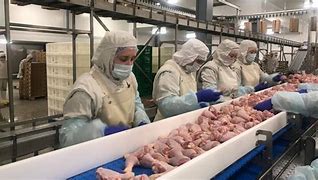
On June 20, Chairman of the Management Board of Kazakh Invest, Yerzhan Yelekeyev, and Vice President of JSC Aitas KZ, Rabiga Tokseitova met to discuss the Kazakh company’s plans for the "Almaty Poultry Farm Zhetysu". As reported by Kazakh Invest, the project costing more than $600 million, will have the capacity to process 240,000 tons of poultry, including 100,000 tons of sausages and delicacies, for distribution to local and foreign markets. To be constructed in the region of Almaty, from 2025-29, the enterprise will become the largest poultry farm in the CIS (the Commonwealth of Independent States, which unites post-Soviet republics) and provide 6,000 new jobs. The Aitas holding company is a leading producer of poultry, covering around 43% of the local market. Its assets include Makinskaya, Central Asia’s largest poultry farm, and Kazakhstan’s oldest poultry farm Ust-Kamenogorsk, with a total capacity of 150,000 tons per year. It also owns Almaty Breeding Poultry Farm Nauryz Agro, which as the largest in the CIS, provides 80 million hatching eggs per year for broiler chickens.  
PepsiCo to Build Snack Production Plant in Kazakhstan

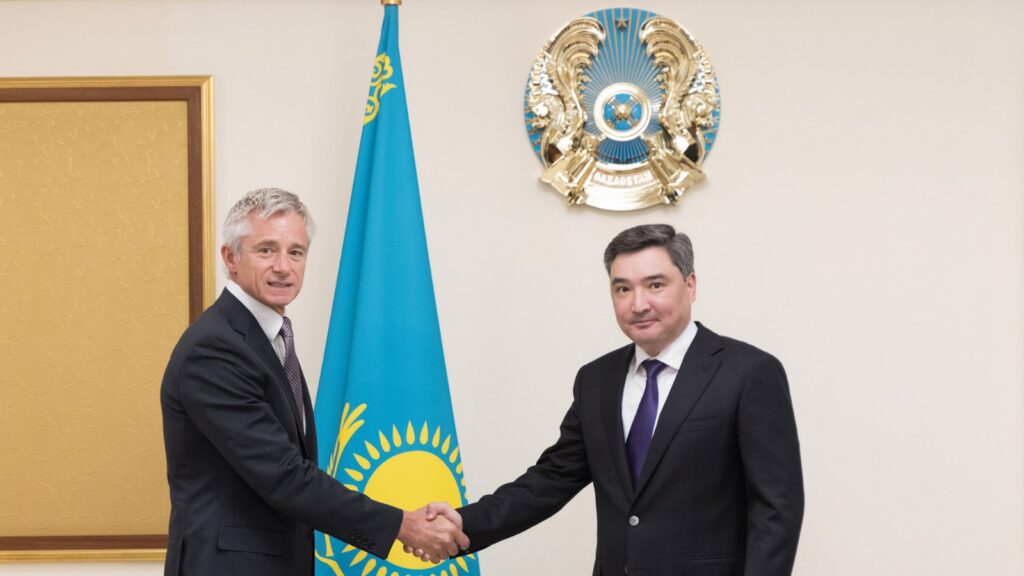
PepsiCo has announced plans to build a full-scale new plant to produce salty snacks, including Lays crisps, in Kazakhstan’s Almaty region. Implementation of the project was discussed at a meeting between Kazakhstan Prime Minister Olzhas Bektenov and David Manzini, President of PepsiCo in Central Asia, Russia, Belarus, and Caucasus. According to the Kazakh prime minister’s press service, the project has already received $160 million in foreign investment. The plant, anticipated as the largest of its kind in Central Asia, is scheduled to open in 2026. Its original capacity of up to 16,000 tons of finished products per year, will increase to 21,000 tons from 2027, for distribution to both the Central Asian market and abroad. Up to a thousand people will be employed during the plant’s construction, with 350 skilled jobs created when it opens. David Manzini stated PepsiCo’s intention to use locally sourced raw materials. The conclusion of contracts with Kazakh farmers on the delivery of test batches of potatoes is ongoing but all going to plan, the company will purchase up to 50-66 thousand tons of potatoes in 2026-2030, and increase the volume in later years. Prime Minister Bektenov emphasized the importance of the project for the development of agriculture, increasing Kazakh farmers’ income and strengthening the economy. He mentioned that besides its positive impact the food industry and agribusiness, the plant will have a multiplier effect on related industries including transport, logistics, packaging, and processing of agricultural products.  

Uzbekistan to Establish International Financial and Technology Center

On June 13, Tashkent hosted the inaugural meeting of the Working Groups on the development of Uzbekistan’s capital market and creation of the International Financial and Technology Center. The event which also addressed the development of the Law on Alternative Investments, was organized within the framework of the Foreign Investors Council under the President of Uzbekistan. Representatives of international financial organizations and Uzbekistan’s business community joined heads of Uzbek ministries and foreign investors in discussions on the establishment of an International Financial and Technology Center, with an emphasis on attracting financial technology companies to Uzbekistan. The Uzbek Ministry of Investment, Industry and Trade reported that the agenda also included the development of a law governing the Center's operations as well as the creation of a strategy to promote opportunities offered by the center to entice foreign investment in Uzbekistan. According to experts, the launch of the Center will ensure long-term sustainable investment growth, increase the country’s GDP by 1% annually, and attract portfolio investments amounting to $7-$8 billion by 2028. It is also expected to create 15-20 thousand new highly skilled jobs over the next ten years. The meeting also reviewed draft amendments to the Law of the Republic of Uzbekistan "On Joint Stock Companies and Protection of Investors' Rights" and the concept of the law "On the International Financial and Technology Center".

Kazakhstan Actions ‘Lifelong Learning’

On 5 June, the Ministry of Labor and Social Protection of the Population of Kazakhstan issued a report on the success of courses delivered by the Skills Enbek vocational training platform. Since the beginning of 2024, 53.5 thousand citizens, including 27.2 thousand unemployed, have completed online courses conducted by Skills Enbek and a total of 427.2 thousand Kazakhs are now registered on the platform. Of the 27.2 thousand unemployed who have completed their training, around 8 thousand are youths based mainly in the regions of Aktobe, Turkestan, Kyzylorda, and Zhambyl regions, and the city of Shymkent. The platform offers 490 wide-ranging courses, lasting between 1-72 hours. The most popular courses last May, included: “Organizing a sales department in a hotel”, “Salesperson”, “Insurance agent”, “Individual assistant to accompany people with limited mobility,” and “Fundamentals of social entrepreneurship”. At present, 254 of the courses are free and the platform now plans to waive charges for training in various sectors including accommodation, food, construction, housing and communal services, social services, finance and accounting, and information technology. By expanding levels of education and professionalism in the country's population, the platform aims to both stimulate career development and promote the concept of “lifelong learning.”    

Green Light for Hydrocarbon Development in Kazakhstan’s Caspian Sea Sector

In a statement issued on 4 June, Kazakhstan’s Ministry of Energy announced that work on an oil and gas project to develop the Kalamkas-Sea and Khazar fields is now ready to begin. The Kalamkas-Sea and Khazar Fields Joint Development Project will be implemented by Kalamkas-Khazar Operating, a specially created venture comprising Kazakhstan’s national oil and gas company KazMunayGas (50%) and Russian oil company Lukoil (50%). Construction of the steel offshore platforms will begin in 2026 at Kazakh shipyards to ensure the earliest possible start of production at the Kalamkas-Sea field. The project aims to attract over $6 billion in direct investment and during its development phase, create up to 2,000 jobs. Once in operation, a further 300 posts will be added. The Kalamkas-Sea field, 50km long and 6km wide, sits in the central part of the north-eastern sector of the Caspian Sea, 64 km offshore at a depth of 6-7 meters. The Khazar field is located 30 km southwest of Kalamkas-Sea and 65 km northwest of the Buzachi Peninsula. The Kalamkas-Sea and Khazar fields are the only fields in the Kazakhstan sector of the Caspian Sea with confirmed reserves.    

Uzbekistan Set to Maximize Tourism

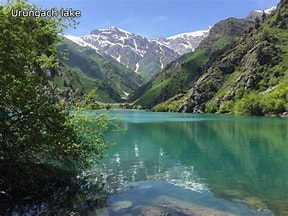
On 3 June, Uzbekistan President Shavkat Mirziyoyev chaired a government meeting to review plans for the forthcoming year to attract 11 million foreign tourists and increase revenue from tourism to $2.5 billion. It was stated that every dollar currently invested in tourism generates 3-4 dollars for the industry’s future and each new job created in the tourism sector spawns two jobs in related industries. Officials reported that to encourage growth, procedures for running tourism businesses have been simplified and specialized policing created to ensure the safety of tourists. Given the year-on-year increase in extreme tourism, Uzbekistan is developing a program to meet demand for access to its wilder regions. To expand tourism around the country’s natural lakes, a decision was made to auction land for the construction of water parks and other attractions around these scenic shores. Triggered by the pandemic, the demand for medical and recreational tourism has soared and last year alone, over 60 thousand foreign visitors were treated in Uzbekistan’s sanatoriums and medical institutions. In response and based on practices in South Korea, Turkey, and India, the government has launched a “Medical Hospitality” initiative. From now on, costs incurred by private clinics for international certification and participation in overseas exhibitions to promote their services, will be covered by the state. In addition, VAT will be refunded on payments made by foreign patients attending Uzbekistan’s clinics. To maximize its potential, the president recommended the launch of a global advertising campaign to demonstrate to the full, the diversity of Uzbekistan’s tourist industry.