• KGS/USD = 0.01144 0%
  • KZT/USD = 0.00215 0%
  • TJS/USD = 0.10698 0.09%
  • UZS/USD = 0.00008 0%
  • TMT/USD = 0.28530 0%
  • KGS/USD = 0.01144 0%
  • KZT/USD = 0.00215 0%
  • TJS/USD = 0.10698 0.09%
  • UZS/USD = 0.00008 0%
  • TMT/USD = 0.28530 0%
  • KGS/USD = 0.01144 0%
  • KZT/USD = 0.00215 0%
  • TJS/USD = 0.10698 0.09%
  • UZS/USD = 0.00008 0%
  • TMT/USD = 0.28530 0%
  • KGS/USD = 0.01144 0%
  • KZT/USD = 0.00215 0%
  • TJS/USD = 0.10698 0.09%
  • UZS/USD = 0.00008 0%
  • TMT/USD = 0.28530 0%
  • KGS/USD = 0.01144 0%
  • KZT/USD = 0.00215 0%
  • TJS/USD = 0.10698 0.09%
  • UZS/USD = 0.00008 0%
  • TMT/USD = 0.28530 0%
  • KGS/USD = 0.01144 0%
  • KZT/USD = 0.00215 0%
  • TJS/USD = 0.10698 0.09%
  • UZS/USD = 0.00008 0%
  • TMT/USD = 0.28530 0%
  • KGS/USD = 0.01144 0%
  • KZT/USD = 0.00215 0%
  • TJS/USD = 0.10698 0.09%
  • UZS/USD = 0.00008 0%
  • TMT/USD = 0.28530 0%
  • KGS/USD = 0.01144 0%
  • KZT/USD = 0.00215 0%
  • TJS/USD = 0.10698 0.09%
  • UZS/USD = 0.00008 0%
  • TMT/USD = 0.28530 0%

Viewing results 1 - 6 of 32

Uzbekistan and Azerbaijan Plan New Parks in Tashkent and Baku

Uzbekistan and Azerbaijan have agreed to establish new public parks in each other’s capitals as part of broader efforts to expand bilateral cooperation, Uzbekistan’s Ministry of Investment, Industry and Trade has reported. The announcement followed an official visit to Azerbaijan from April 22 to 24 by a delegation led by Minister Laziz Kudratov. During the trip, talks were held with Azerbaijan’s Ministry of Economy and senior executives from major companies on joint projects and future cooperation. According to the ministry, both sides identified several priority areas, including mining, construction materials, transport and logistics, urban planning, agriculture, and pharmaceuticals. Particular attention was given to plans to create an “Uzbekistan” park in Baku and an “Azerbaijan” park in Tashkent, alongside expanding pharmaceutical retail networks and developing fruit and vegetable processing projects. Trade between the two countries has been growing steadily. In 2025, bilateral trade turnover reached $307.3 million, marking a 14.6% increase compared to the previous year, the ministry said. The Times of Central Asia previously reported that trade rose by 25% in 2024, while the number of joint ventures approached 300, with a combined project portfolio valued at around $4 billion. The two countries have set a target of increasing annual trade and investment to $1 billion by 2030, supported by a comprehensive cooperation program covering sectors such as industry, infrastructure, agriculture, healthcare, tourism, and banking. Progress has also been noted in transport and energy cooperation. Both sides highlighted growing cargo volumes along the Trans-Caspian International Transport Route, also known as the Middle Corridor. Uzbek shipments along the route increased by 25% in 2024, exceeding one million tonnes, aided by the introduction of a new electronic permit system.

Kazakhstan Plans More Oil, Gas Cooperation with Uzbekistan, Minister Says

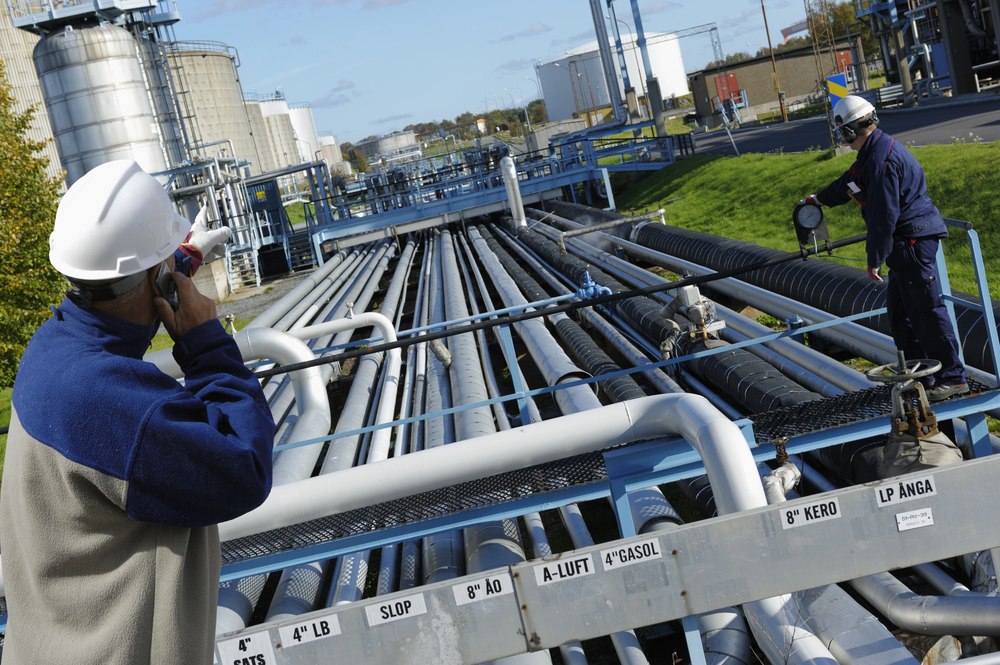
Kazakhstan is looking to deepen energy cooperation with Uzbekistan, with several joint projects already moving into the implementation stage, Energy Minister Yerlan Akkenzhenov said on the sidelines of the RES 2026 regional environmental summit in Astana, according to BAQ.KZ. “Exchange of experience and mutual assistance help us solve practical tasks,” Akkenzhenov said. “We are actively cooperating with our partners not only in the energy sector, but across all areas of the economy.” The minister noted that discussions with Uzbekistan cover a number of large-scale initiatives, particularly in petrochemicals and oil refining. “We have many joint projects with Uzbekistan. A recent presidential visit included discussions on numerous initiatives, including the development of the petrochemical industry and the expansion of oil processing,” he said. Cooperation is also expanding in energy transit and supply. Akkenzhenov said the two countries are working closely on the transit of Russian gas to Uzbekistan, as well as supplies of Russian oil. “We are also considering the possibility of exporting Kazakh products, including crude oil and petroleum products, to Uzbekistan,” he added. According to him, several of these initiatives have already reached the implementation stage. “Many projects are already in practical phases. Overall, we have built very close cooperation with our Uzbek partners,” he said. Last year, Kazakhstan’s Energy Ministry confirmed that a six-month ban on fuel exports remained in force, halting gasoline shipments to neighboring countries, including Uzbekistan. At the same time, international developments may affect regional supply routes. According to Reuters, Russia plans to halt the transit of Kazakh oil to Germany via the Druzhba pipeline starting May 1. The decision is expected to impact deliveries to the PCK refinery in Schwedt, a key supplier for Berlin and Brandenburg. Despite these changes, German officials have said alternative supply routes will be used and that fuel availability will not be affected.

Ukrainian Ambassador to Kazakhstan: “The War Will End This Year. I Truly Believe In That.”

As the war between Russia and Ukraine approaches its fifth year, diplomatic efforts to reshape trade routes, energy flows, and regional partnerships are intensifying far beyond the battlefield. For Ukraine, Central Asia has emerged as an increasingly important economic and logistical partner, particularly as Kyiv seeks alternatives to disrupted transport corridors and supply chains. The Times of Central Asia spoke with Viсtor Mayko, Ukraine’s Ambassador to Kazakhstan, about the prospects for deeper economic cooperation with Central Asia, the role of the Middle Corridor, energy transit challenges in the Caspian region, Kyiv’s expectations for international support, and a possible path toward ending the war. Trade and Economic Prospects in Central Asia TCA: Mr. Ambassador, what are the prospects for deepening trade and economic partnerships between Ukraine, Kazakhstan, and wider Central Asia? Which sectors offer the greatest potential for cooperation? Ambassador Mayko: Deepening trade and economic ties between Ukraine, Kazakhstan, and other Central Asian countries is not merely a prospect; it is a necessity dictated by global economic trends. Kazakhstan leads the region economically, with a GDP exceeding $300 billion. It is on a trajectory to join the G20 within 5 to 10 years. The United States, recognizing this potential, has invited Kazakhstan to the upcoming G20 meeting in the U.S., demonstrating Kazakhstan’s rising global significance. Ukraine and Kazakhstan’s economies are complementary. Ukraine brings experience in agricultural technology, mechanical engineering, IT, and processing, while Kazakhstan contributes resource strength, industrial capacity, and logistics. Promising areas for cooperation include agro-industrial development, from crop production to digitalized processing; industrial cooperation through equipment supply and joint production; logistics and infrastructure aimed at strengthening transport corridors; and energy and IT projects focused on efficiency and network modernization. We are already transitioning from theory to action. A major business delegation from Ukraine will visit Kazakhstan this year. We also anticipate another meeting of the Joint Ukrainian-Kazakh Intergovernmental Commission on Economic Cooperation, which is crucial for removing barriers and initiating new projects. Ukraine’s presence in Kazakhstan’s economy has historically been significant. If not for the war and resulting transport disruptions, I believe our mutual trade could have reached $10 billion. Ukrainian machinery still accounts for a substantial portion of Kazakhstan’s industrial base, especially in regions such as Karaganda, Aktau, and Pavlodar, though much of this equipment now requires modernization. Another promising area is mineral resource development. Ukraine has the scientific and practical base to contribute meaningfully to this sector. Turkmenistan’s earlier collaboration with Ukrainian firms in revitalizing depleted wells illustrates our potential. Wells deemed exhausted by older technologies yielded hundreds of thousands of tons of oil under Ukrainian management. This successful model can be applied in Kazakhstan, one of the EU’s top three oil suppliers. Transport Infrastructure and the Middle Corridor TCA: How is cooperation in the transport sector developing, especially regarding the Middle Corridor? Are there any potential plans for joint infrastructure projects? Ambassador Mayko: Russia’s full-scale aggression disrupted Ukraine’s previous logistics routes. Today, we prioritize alternatives like the Trans-Caspian International Transport Route, the “Middle Corridor”, as a...

Central Asia Considers Single Gas Ring to Link Regional Energy Systems

A proposal to connect the five Central Asian capitals into a unified, synchronized gas network has generated widespread debate among regional energy experts following a major industry forum in Tashkent. The idea, referred to as the “Central Asia Gas Ring,” was introduced by Kazakh oil and gas analyst Askar Ismailov during the Central Asia Oil & Gas Forum in early November. An analysis of the proposal was later published by the Uzbek outlet Upl.uz, citing assessments from regional and international experts. The concept envisions physically linking the gas transportation systems of Uzbekistan, Kazakhstan, Turkmenistan, Kyrgyzstan, and Tajikistan into an integrated regional ring, modeled on the existing Central Asian Unified Power System, which already enables cross-border electricity coordination. According to Ismailov, natural gas should be seen not only as a tradable resource but as a strategic instrument for regional integration and energy security, especially in the context of growing geopolitical volatility. Experts cited by Upl.uz argue that a gas ring could help countries better manage seasonal fluctuations in demand and reduce the risk of widespread energy shortages. Recent winter blackouts, particularly in Uzbekistan, have heightened concerns about supply resilience. The proposed system could also ensure more stable gas flows to Kyrgyzstan and Tajikistan, which lack significant domestic hydrocarbon resources and frequently experience shortages. The initiative has attracted interest beyond Central Asia. Valérie Ducrot, head of the Global Gas Center, described the plan as a new model of energy cooperation that could attract international investment if the five participating states align their energy policies. Research groups such as SPIK and SpecialEurasia, also cited in the analysis, view the project as a potential cornerstone of regional infrastructure, aligning national interests around shared goals for stability and integration. Economic incentives vary across the region. For Turkmenistan, Uzbekistan, and Kazakhstan, the ring could provide enhanced flexibility in export routes and pricing mechanisms. For gas-dependent Kyrgyzstan and Tajikistan, the proposal promises greater energy security, seen as essential for long-term economic and social development. External stakeholders, including China and the European Union, are expected to show interest in financing the project, while Russia is likely to seek continued influence over pricing structures and logistics. Ismailov estimates the total cost at between $4 billion and $5 billion, with most of the funding needed for modernization of aging Soviet-era pipelines and construction of select new infrastructure segments. While Upl.uz notes that technical and political hurdles remain, the proposal highlights growing momentum toward collective energy solutions in Central Asia.

Uzbekistan, Kyrgyzstan Strengthen Energy Ties as Kambarata-1 Project Advances

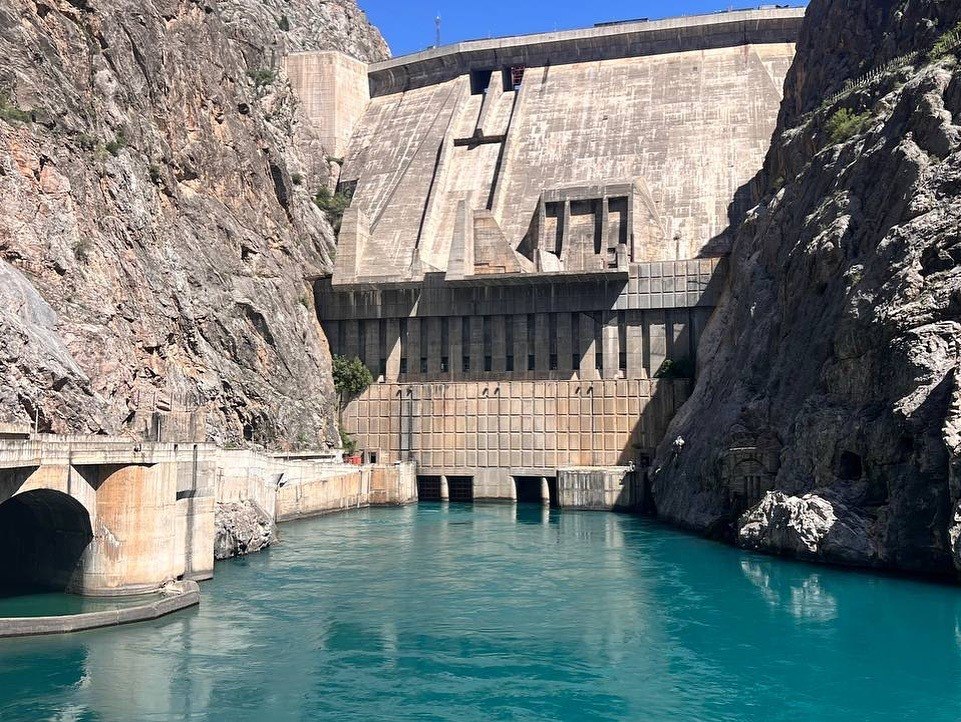
Uzbekistan and Kyrgyzstan are deepening their energy partnership as progress continues on the Kambarata-1 Hydropower Plant (HPP), one of Central Asia’s most ambitious infrastructure projects. Uzbek President Shavkat Mirziyoyev met with Kyrgyz Energy Minister Taalaibek Ibrayev in Tashkent to discuss regional energy cooperation, according to Kyrgyz news agency 24.kg, citing the Kyrgyz Ministry of Energy. The talks focused on strengthening strategic ties between the two countries, with particular emphasis on hydropower development. Both sides acknowledged the growing momentum in bilateral relations and reaffirmed their commitment to joint regional energy initiatives. Mirziyoyev underscored the importance of collaborative water and energy projects, identifying Kambarata-1 as a top priority for all three participating countries, Uzbekistan, Kyrgyzstan, and Kazakhstan. “For the effective use and joint management of the region’s hydropower potential, next year we will begin financing the construction of the Kambarata-1 Hydropower Plant together with Kyrgyzstan and Kazakhstan,” Mirziyoyev said, as quoted by the Kyrgyz Ministry of Energy. He also expressed gratitude to Ibrayev and representatives from major energy companies in the United Arab Emirates, Turkey, and Azerbaijan for supporting Uzbekistan’s efforts to attract investment and adopt advanced energy technologies. The Kambarata-1 project is a trilateral initiative involving Kyrgyzstan, Uzbekistan, and Kazakhstan. With a projected cost of $4.2 billion, the venture has already secured $5.6 billion in committed financing from international financial institutions, according to Uzbek Energy Minister Jorabek Mirzamahmudov. Mirzamahmudov noted that the most recent trilateral ministerial meeting took place in Brussels in late September, coordinated by the World Bank. The event brought together representatives from 10 major financial institutions, including the European Bank for Reconstruction and Development, the European Investment Bank, the OPEC Fund, the Asian Infrastructure Investment Bank, and the Asian Development Bank. Despite strong financial and political backing, the project faces unresolved technical concerns. At a recent parliamentary session in Bishkek, Kanatbek Abdrakhmatov, president of Kyrgyzstan’s National Academy of Sciences, warned that seismic microzonation, a critical safety assessment, has not yet been conducted at the planned construction site. Kambarata-1 is expected to have an installed capacity of 1,860 MW, a reservoir volume of 4.5 billion cubic meters, and a dam height of 256 meters. The facility will house four turbines capable of producing over 5.5 billion kWh of electricity annually. Under the current ownership structure, Kyrgyzstan will hold a 34% stake in the project, while Uzbekistan and Kazakhstan will each hold 33%.

Kazakhstan, Kyrgyzstan, and Uzbekistan Sign Trilateral Deal on Water and Energy Cooperation

Kazakhstan, Kyrgyzstan, and Uzbekistan have signed a trilateral protocol on water and energy cooperation, covering the upcoming winter heating period and the 2026 agricultural season. The agreement was formalized at a meeting of the countries’ energy and water ministers held in Almaty on November 22. With water levels at Kyrgyzstan’s Toktogul Hydropower Plant (HPP) reservoir critically low, Kazakhstan and Uzbekistan have agreed to supply electricity to Kyrgyzstan during the winter months. This will allow Kyrgyzstan to reduce electricity generation during peak heating demand and conserve water in the Toktogul Reservoir. The stored water will later be released downstream to Kazakhstan and Uzbekistan during the 2026 growing season to ensure consistent irrigation for farmland in their southern regions. The Toktogul HPP, located on the Naryn River, a key tributary of the Syr Darya, is Kyrgyzstan’s largest power station, supplying about 40% of the country’s electricity. It plays a dual role: meeting domestic energy needs and regulating water flows critical to downstream agricultural systems. In winter, Kyrgyzstan typically ramps up power output to meet heating demand, often at the expense of reservoir levels, which can compromise irrigation capacity the following spring. Under the new protocol, Uzbekistan has also pledged to support regional electricity balancing and ensure transit capacity. Earlier, the three countries agreed to facilitate cross-border electricity flows, including Russian electricity transiting to Kyrgyzstan via Kazakhstan, and Turkmen electricity reaching Kyrgyzstan through Uzbekistan’s transmission grid. Participants in the Almaty meeting emphasized that the trilateral agreement reflects a spirit of good neighborliness and is aimed at enhancing regional energy security and stability. The agreement is particularly critical for Kyrgyzstan, which faces persistent electricity shortages, especially during the winter when electric heating is widely used. On November 18, Kyrgyzstan completed the full modernization of the Toktogul HPP, with the commissioning of its fourth generating unit. The upgrade raised the facility’s total capacity from 1,200 MW to 1,440 MW. In parallel, Kyrgyzstan is advancing construction of the Kambarata-1 HPP, a major regional project being developed jointly with Kazakhstan and Uzbekistan. Once completed, Kambarata-1 will have a generation capacity of 1,860 MW and produce 5.6 billion kWh annually.