Kazakhstan’s Mineral Future Still Carries an Oil Risk Premium
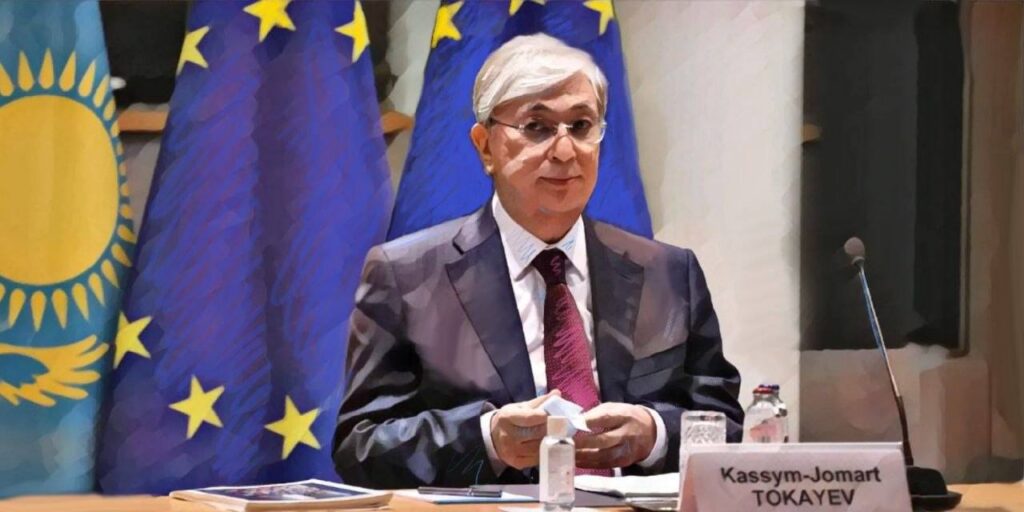
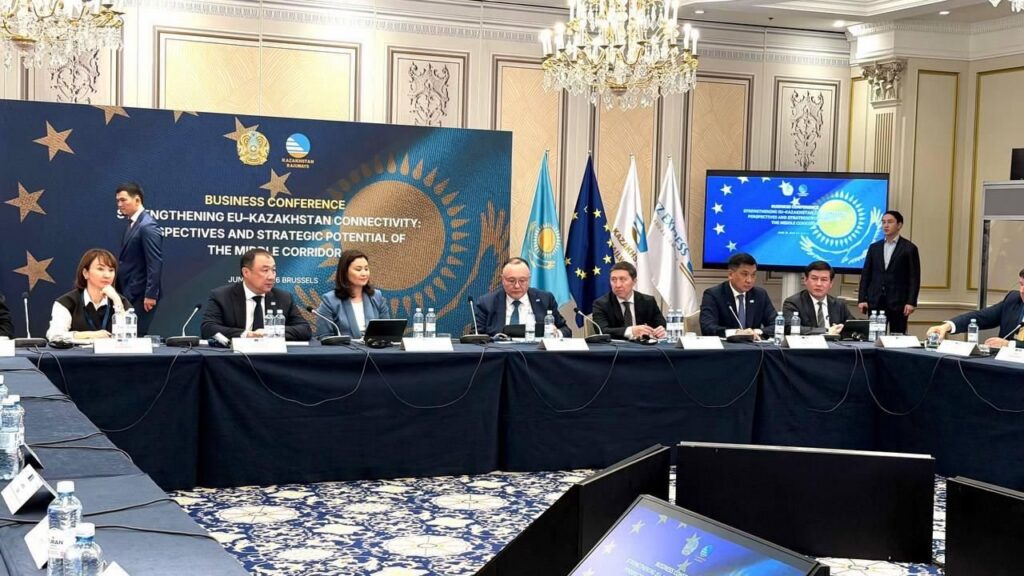
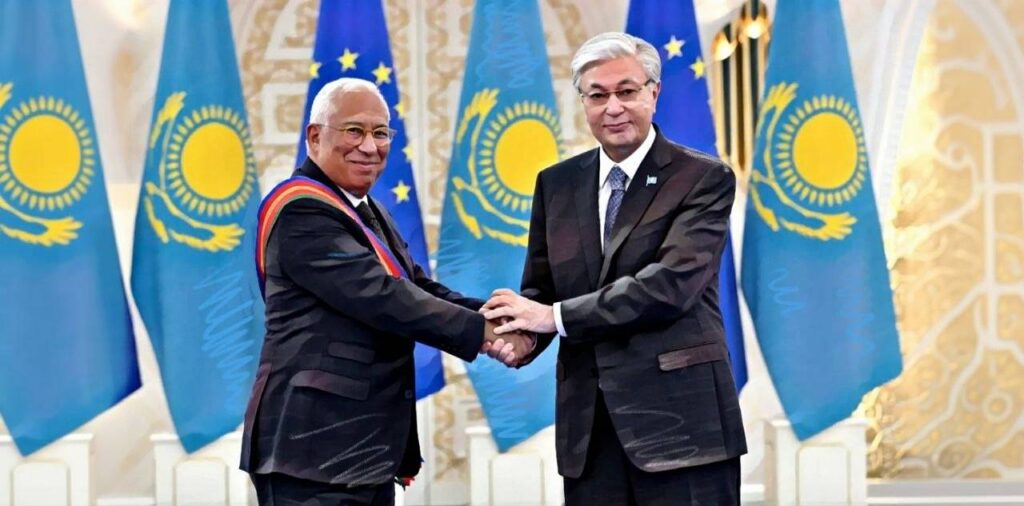
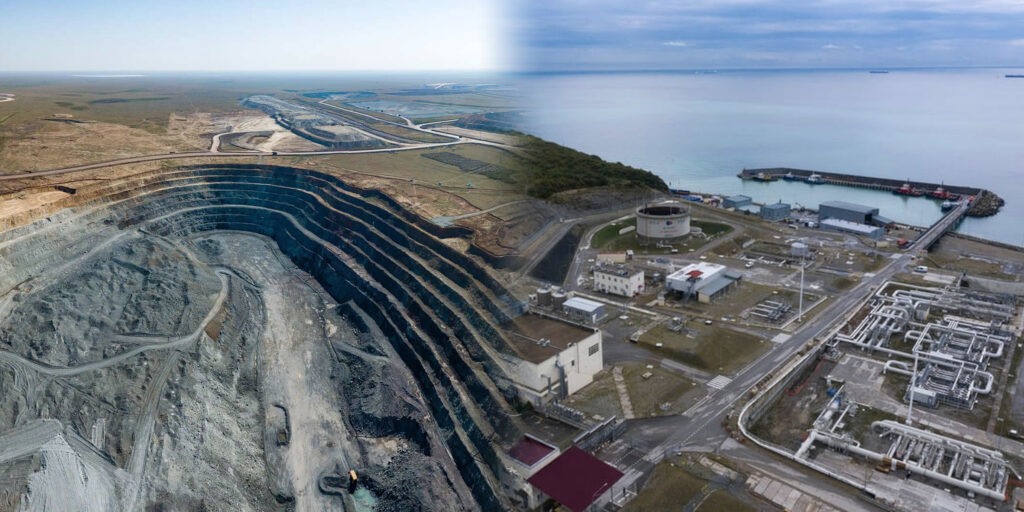
In June, President Kassym-Jomart Tokayev went to Brussels with a future-facing offer: Kazakhstan could become Europe’s non-Chinese option in critical minerals. Astana presented the country as a base for processing, long-term offtake, and industrial cooperation, rather than another source of ore. A month later, Kazakhstan’s older vulnerability reappeared. Drone attacks near the Caspian Pipeline Consortium terminal at Novorossiysk disrupted loadings and forced production cuts in Kazakhstan. By July 27, loading had resumed, with tankers receiving crude supplied by Tengizchevroil. The interruption was brief, but it exposed a structural problem. Kazakhstan’s future mineral offer still rests on an economy whose main export artery runs through Russia and the Black Sea. That is the central tension in Kazakhstan’s new resource diplomacy. Astana wants Europe to help build a future supply chain. Its present still depends on an oil corridor it does not fully control. Kazakhstan is asking Europe to make future demand bankable. A mineral deposit does not become part of a European supply chain when officials announce it in a joint statement. It needs geological confirmation, financing, processing technology, reliable power, water, logistics, and customers prepared to sign contracts years before the first shipment. This is why offtake sits at the heart of Tokayev’s proposal. Long-term purchase commitments can turn European concern over Chinese dominance into financeable projects. If Europe wants another source tomorrow, it must help fund extraction, processing, and internationally accepted standards today. Kazakhstan says it is ready to supply 21 of the 34 materials on the EU’s critical raw materials list. It also wants more of the value chain to remain at home. European capital and technology would support local processing, laboratories, skills, and higher-value production instead of simply moving raw materials abroad. Europe has good reason to listen. China dominates the processing of many minerals used in batteries, advanced manufacturing, digital infrastructure, and defence. European industry wants alternatives, but diversification cannot be improvised after a supply shock. Mines and processing plants take years to finance, permit, construct, and qualify. For Kazakhstan, the minerals offer is also an attempt to upgrade an older relationship. Western companies already know the country through Tengiz, Kashagan, and decades of oil investment. Astana now wants to move from extraction towards processing and a stronger position in industrial supply chains. But the old oil story still prices the new minerals story. The CPC episode showed why. The pipeline carries crude from Tengiz, Kashagan, and Karachaganak through Russian territory to Novorossiysk. It handles more than 80% of Kazakhstan’s oil exports and ties much of the country’s hard-currency income to a route outside Astana’s full control. A short halt was enough to cut output sharply at fields more than 1,500 kilometres away. Tokayev’s call in Omsk to freeze the war in Ukraine should be read partly in that context. It reflected more than the diplomatic caution expected from a neighbour of Russia. The war is now touching Kazakhstan’s export system through tanker security, insurance risk, production schedules, and investor confidence. Astana wants European finance for...