• KGS/USD = 0.01144 0%
  • KZT/USD = 0.00205 0%
  • TJS/USD = 0.10782 0%
  • UZS/USD = 0.00008 0%
  • TMT/USD = 0.28490 0%
  • KGS/USD = 0.01144 0%
  • KZT/USD = 0.00205 0%
  • TJS/USD = 0.10782 0%
  • UZS/USD = 0.00008 0%
  • TMT/USD = 0.28490 0%
  • KGS/USD = 0.01144 0%
  • KZT/USD = 0.00205 0%
  • TJS/USD = 0.10782 0%
  • UZS/USD = 0.00008 0%
  • TMT/USD = 0.28490 0%
  • KGS/USD = 0.01144 0%
  • KZT/USD = 0.00205 0%
  • TJS/USD = 0.10782 0%
  • UZS/USD = 0.00008 0%
  • TMT/USD = 0.28490 0%
  • KGS/USD = 0.01144 0%
  • KZT/USD = 0.00205 0%
  • TJS/USD = 0.10782 0%
  • UZS/USD = 0.00008 0%
  • TMT/USD = 0.28490 0%
  • KGS/USD = 0.01144 0%
  • KZT/USD = 0.00205 0%
  • TJS/USD = 0.10782 0%
  • UZS/USD = 0.00008 0%
  • TMT/USD = 0.28490 0%
  • KGS/USD = 0.01144 0%
  • KZT/USD = 0.00205 0%
  • TJS/USD = 0.10782 0%
  • UZS/USD = 0.00008 0%
  • TMT/USD = 0.28490 0%
  • KGS/USD = 0.01144 0%
  • KZT/USD = 0.00205 0%
  • TJS/USD = 0.10782 0%
  • UZS/USD = 0.00008 0%
  • TMT/USD = 0.28490 0%

Viewing results 1 - 6 of 166

Kazakhstan’s President Commends Growing Cooperation Between Central Asian States

On May 16, Kazakhstan's President Kassym-Jomart Tokayev hosted the first meeting in Astana of Security Council secretaries from Kazakhstan, Kyrgyzstan, Tajikistan and Uzbekistan, and the military attaché of the Embassy of Turkmenistan in Kazakhstan. In his opening address, Tokayev announced that the aim of the meeting was to provide an effective platform for the collaborative prevention of external and internal challenges and threats, and to develop necessary response measures. The Kazakh leader began by noting the steady growth of trade and economic cooperation between the Central Asian countries and stated that over the past five years, intraregional trade  had risen by 80 percent to exceed $10 billion.  He explained that large regional projects not only bring tangible mutual benefits, but also change the entire configuration of the Central Asian economy. The development of transport and logistics potential is becoming a new reference point for the rapid development of the region. Cultural and humanitarian ties have also intensified, contributing to the further rapprochement of the Central Asian states. Returning to the pressing issue of the need to join forces in countering transboundary challenges and threats, he announced: “First of all, we are talking about the fight against international extremism and terrorism, drug trafficking, and arms trafficking. In this regard, Afghanistan must be the focus of our common attention. Complex multidirectional processes are now evident in this country. Whilst signs point to a stabilization and revival of the economic situation, there remain high risks associated with the activity of international terrorist organizations, as evidenced by the bloody terrorist attack in the Moscow region [in March]. In our opinion, one of the strategic tasks at present is the active involvement of Afghanistan in regional ties. And for this, much depends on the coordinated position of our countries. We consider it urgent to create a UN Regional Center for Sustainable Development Goals for Central Asia and Afghanistan in our country.” Tokayev expressed his satisfaction with the growing regional cooperation and mutual trust and concluded:  “Some 10 years ago, there was no such situation in the Central Asian region. Now heads of state, heads of government, secretaries of the Security Councils, heads of law enforcement agencies, not to mention heads of economic departments, closely interact with each other. And this is a very good sign that the situation in the Central Asian region is moving towards sustainable development.”    

Kyrgyzstan To Receive Customs Duties In The Eurasian Economic Union in Russian Rubles

Kyrgyz MPs have ratified a bill that will allow customs duties between certain member countries of the Eurasian Economic Union (EEU) to be paid in rubles. The new law allows funds to be transferred in rubles between Russia, Belarus and Kyrgyzstan, at the exchange rate of the national banks of the sending countries. "Armenia, Kazakhstan and Kyrgyzstan between themselves will make transfers of mutual obligations on distributed import customs duties, as before, in U.S. dollars," the Kyrgyz parliament emphasized. During the transition period, interest for late transfer of import duties will not be accrued. EEU member countries distribute revenues from import duties according to the size of their own economies. Kyrgyzstan's share is 2%.  

Kazakhstan Urges EEU Countries To Develop Transport Infrastructure

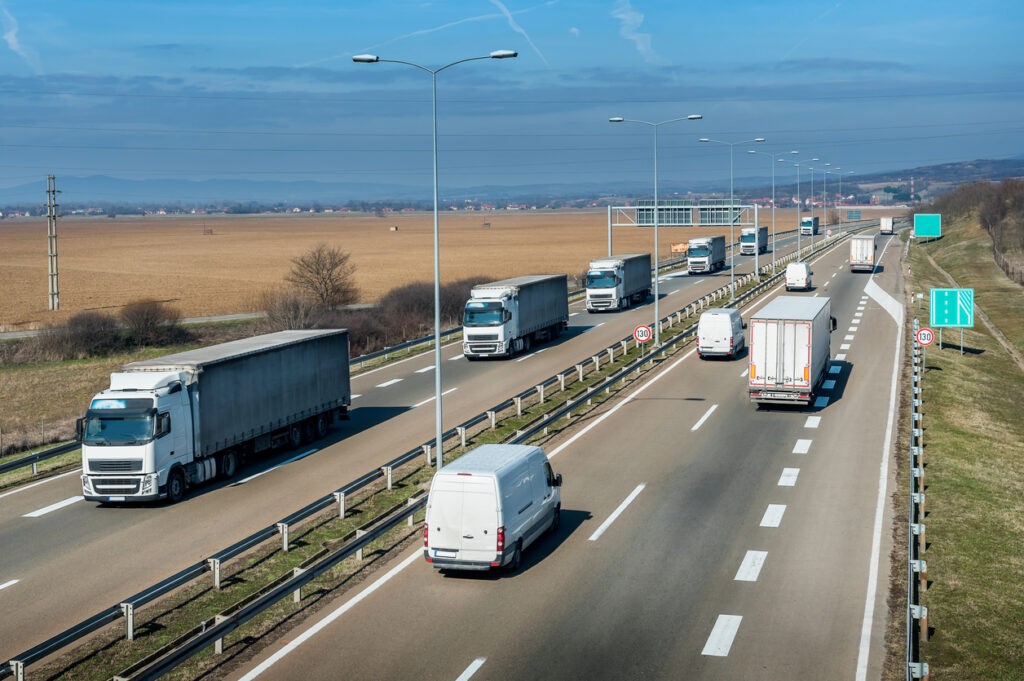
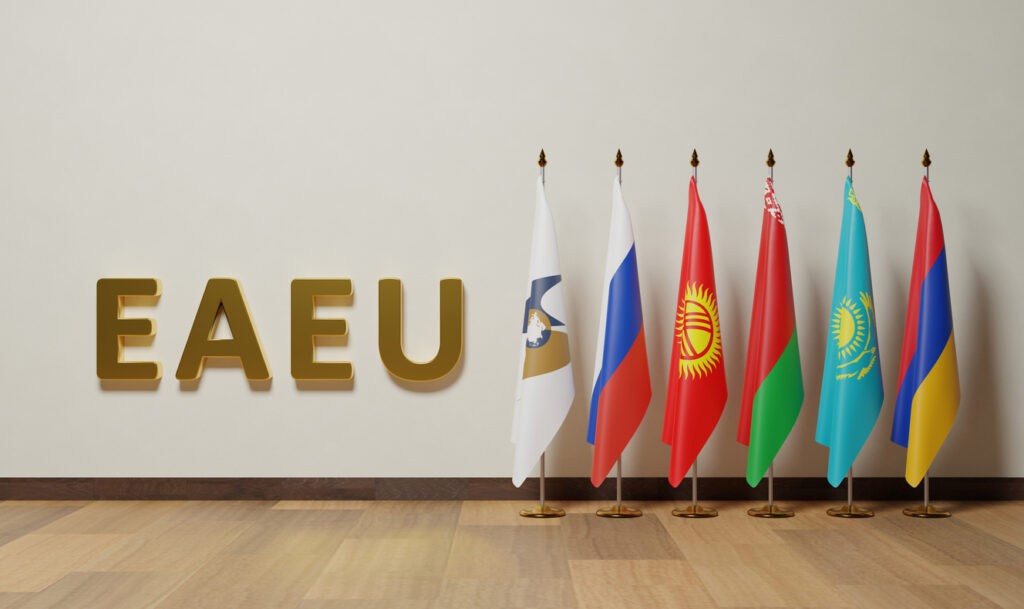
The Eurasian Economic Union (EEU) is located at the crossroads of east and west, north and south, which has always been a competitive advantage for the region, Kazakhstan’s prime minister Alikhan Smailov commented at a meeting between the heads of government of the EEU member countries in Almaty on February 2nd.  The Russian-led economic bloc also includes Armenia, Belarus, Kazakhstan, and Kyrgyzstan.  "Kazakhstan attaches special importance to the development of transit and transportation infrastructure. Over the past 15 years our country has allocated more than $35bn for this purpose. A logistics center in Lianyungang, a dry port of Khorgos, a transit highway Western Europe - Western China, a railway corridor from China to Iran have been launched. Modernization of Caspian Sea ports Kuryk and Aktau has been carried out," Smailov said, adding that the construction of Kazakhstan's terminal in Chinese Xi'an had been launched. Together with Russian, Turkmen, Indian and Iranian partners, work is being carried out on the eastern route of the North-South corridor. "We consider it important to further increase the capacity of international corridors, logistics terminals and checkpoints of our countries. I invite all EEU countries to implement joint projects to develop transit and transportation infrastructure," the Kazakh prime minister said.  This year marks the 10th anniversary of the signing of the EEU Treaty. Today the EEU has a population of 190 million people, a labor market of over 93 million people and a GDP of $2.7 trillion. Mutual trade between EEU member states doubled from 2015 to 2022 and has now reached $85bn.

History repeats itself: Uzbekistan’s new Eurasian gamble

TASHKENT (TCA) — There are different opinions inside Uzbekistan about the country’s possible accession of the Russia-led Eurasian Economic Union (EEU), as the move would have serious implications for Central Asia’s most populous nation. We are republishing the following article on the issue, written by Farkhod Tolipov*: Continue reading

Eurasian Economic Union developing free trade with Singapore, Iran

BISHKEK (TCA) — The Eurasian Economic Union (EEU) of Armenia, Belarus, Kazakhstan, Kyrgyzstan, and Russia and Singapore signed an agreement establishing a free trade zone between the EEU and Singapore following a summit of EEU leaders held on October 1. Continue reading

EEU countries hold summit, address pressing issues

BISHKEK (TCA) — A summit of leaders of the Eurasian Economic Union (EEU) member countries — Armenia, Belarus, Kazakhstan, Kyrgyzstan, and Russia — took place on October 1 in the Armenian capital, Yerevan. Continue reading