• KZT/USD = 0.00219
  • TJS/USD = 0.10810
  • UZS/USD = 0.00009
  • TMT/USD = 0.29850
  • KZT/USD = 0.00219
  • TJS/USD = 0.10810
  • UZS/USD = 0.00009
  • TMT/USD = 0.29850
  • KZT/USD = 0.00219
  • TJS/USD = 0.10810
  • UZS/USD = 0.00009
  • TMT/USD = 0.29850
  • KZT/USD = 0.00219
  • TJS/USD = 0.10810
  • UZS/USD = 0.00009
  • TMT/USD = 0.29850
  • KZT/USD = 0.00219
  • TJS/USD = 0.10810
  • UZS/USD = 0.00009
  • TMT/USD = 0.29850
  • KZT/USD = 0.00219
  • TJS/USD = 0.10810
  • UZS/USD = 0.00009
  • TMT/USD = 0.29850
  • KZT/USD = 0.00219
  • TJS/USD = 0.10810
  • UZS/USD = 0.00009
  • TMT/USD = 0.29850
  • KZT/USD = 0.00219
  • TJS/USD = 0.10810
  • UZS/USD = 0.00009
  • TMT/USD = 0.29850
07 September 2026

Viewing results 1 - 6 of 118

U.S. Secretary of State Marco Rubio Plans Visit to Central Asia in 2026

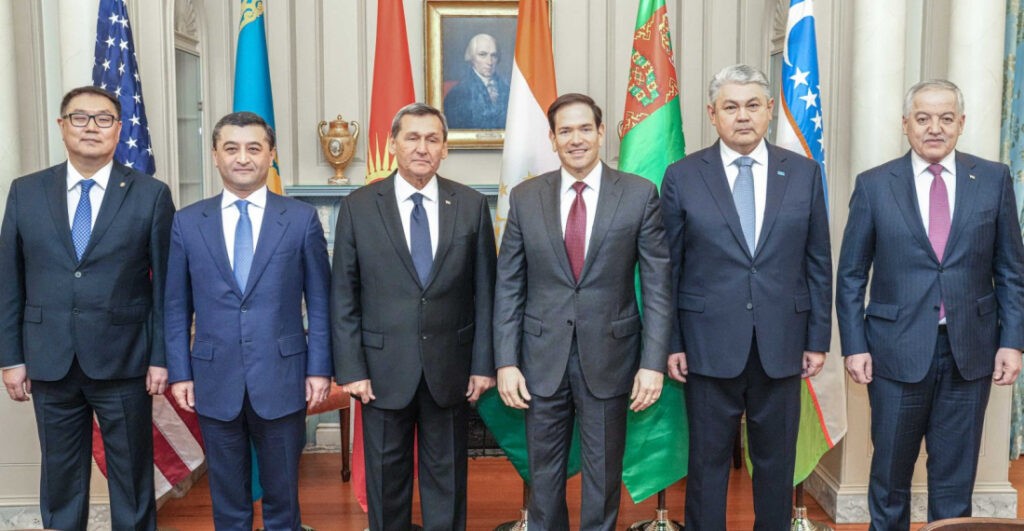
U.S. Secretary of State Marco Rubio announced on Wednesday his intention to visit all five Central Asian countries in 2026. Rubio made the statement during a meeting with the foreign ministers of Kazakhstan, Kyrgyzstan, Tajikistan, Turkmenistan, and Uzbekistan. The visit is part of a broader diplomatic initiative by U.S. President Donald Trump's administration to strengthen ties with the resource-rich region. Today, the presidents of the five Central Asian republics, Kassym-Jomart Tokayev (Kazakhstan), Sadyr Japarov (Kyrgyzstan), Emomali Rahmon (Tajikistan), Serdar Berdimuhamedov (Turkmenistan), and Shavkat Mirziyoyev (Uzbekistan), are scheduled to meet with President Trump in Washington. The summit is expected to focus on cooperation in the extraction of rare earth elements and other natural resources in Central Asia. Rubio emphasized the alignment of U.S. and Central Asian interests in promoting responsible and sustainable development of the extractive sector. “You are seeking to use the resources that God has blessed your countries with to create responsible development and diversify your economies,” he said at a reception hosted by the State Department. “I personally intend to visit in the coming year. All five [countries], so I know it would probably be a week-long trip. So we’ve got to work on that and make that happen together.” U.S. Deputy Secretary of State Christopher Landau stated that the invitation extended to Central Asian leaders is part of President Trump’s personal initiative to deepen engagement with the region. He highlighted broad opportunities for cooperation in business, investment, and strategic partnerships. Also speaking at the reception, Republican Senator James Risch said he intends to introduce legislation to repeal the Jackson-Vanik amendment, a Cold War-era law that restricts U.S. trade with non-market economies.
Border Violence Between Afghanistan and Pakistan: A New Risk for Central Asia

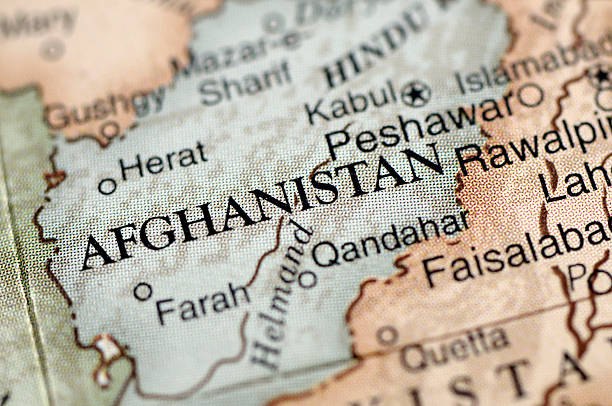
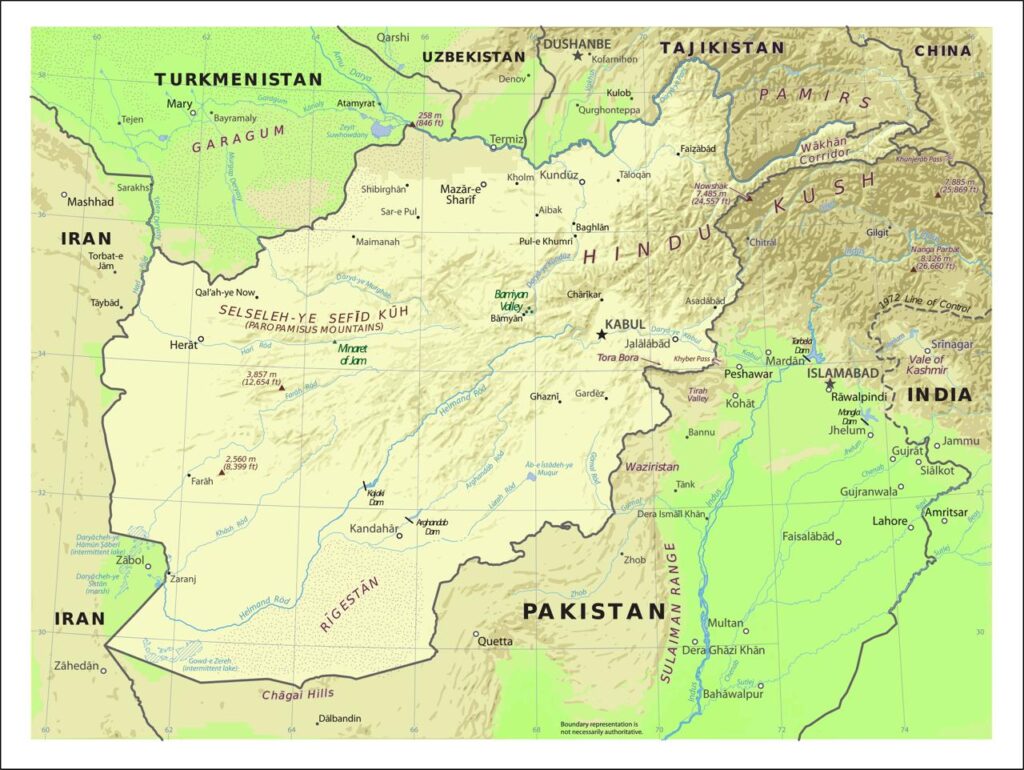
The escalating tensions between Afghanistan and Pakistan are forcing a reassessment of Afghanistan’s viability as a “partner space.” With cross-border clashes increasingly resembling a prolonged pattern rather than isolated incidents, and with both sides showing little willingness to compromise, the question grows more urgent: Can Afghanistan realistically become a partner for Central Asian countries, or is it destined to remain a persistent source of regional instability? This confrontation is deeply unsettling for the countries of Central Asia. Still in the early stages of formulating coherent policies toward Afghanistan, they have tentatively linked their development strategies to the hope of having a stable neighbor to the south – one that might serve as a bridge to South Asia. Against this backdrop, deteriorating Afghan-Pakistani relations breed more frustration and anxiety than hope. No country in the world, except Russia, has recognized the Taliban regime de jure. This broad reluctance reflects deep skepticism; few are willing to assume legal obligations or share responsibility for Kabul’s actions. Yet, Afghanistan remains far from isolated. Its geographic centrality makes it impossible to ignore. Accordingly, Central Asia has developed a distinct approach to dealing with its southern neighbor. It can be summarized as: We do not recognize, but we cooperate; we do not trust, but we verify; we do not agree, but we engage. In essence, Afghanistan’s neighbors, particularly the ones in Central Asia, have adopted a pragmatic, long-term strategy: engage without illusions or formal recognition, while maintaining the flexibility to adjust based on Kabul’s behavior. For these countries, Afghanistan does not stand as an independent priority. Its role is evaluated solely within the broader regional framework. In the most favorable scenario, Afghanistan serves as a transit corridor linking South and Central Asia. Yet even this utility is not indispensable; viable alternatives through Iran, the South Caucasus, Turkey, and China already exist and are expanding. Looking ahead, three broad scenarios can be envisioned: Optimistic: The Taliban demonstrate readiness for responsible engagement. This would enable Afghanistan’s gradual integration into trade and transport initiatives, expansion of economic ties, and a firm establishment as a bridge between Central and South Asia. Pessimistic: Afghanistan remains a chronic risk factor and flashpoint for regional crises. The ongoing Afghan-Pakistani confrontation, no longer a fleeting episode but an entrenched conflict, is a clear warning sign. If this becomes the norm, it will deter serious investment, no stakeholder will commit to a country that cannot guarantee peace with its neighbors. Inertia: Central Asian states continue their cautious balancing act under the logic that “a bad peace is better than a good war.” While cooperation continues at a minimal level, countries prioritize alternative routes and avoid deep commitments. Under this status quo, ambitious projects like the Trans-Afghanistan Railway and the TAPI pipeline are unlikely to materialize. The former risks losing the “trans” prefix; the latter may, for now, become little more than a Turkmenistan-Afghanistan venture. Nonetheless, there remains a window for diplomacy. Pressured by Turkey and Qatar, Kabul and Islamabad have agreed to resume negotiations aimed...

Tokayev Meets with U.S. Envoys Ahead of C5+1 Summit

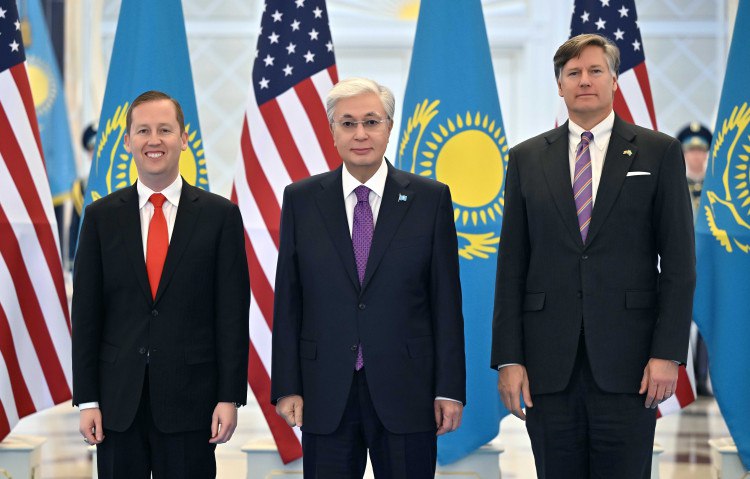
Kazakhstan's President Kassym-Jomart Tokayev met in Astana with Sergio Gor, U.S. Special Representative for South and Central Asia, and Christopher Landau, U.S. Deputy Secretary of State, to discuss the future of the Kazakh-American expanded strategic partnership and preparations for the upcoming C5+1 summit in Washington. Tokayev expressed confidence that the summit, scheduled for November 6, would be productive in setting priorities for long-term cooperation. He emphasized Kazakhstan’s commitment to strengthening trade, economic, and investment ties with the United States. Tokayev also conveyed his appreciation to U.S. President Donald Trump for the invitation to the summit. He voiced Kazakhstan’s support for the domestic and foreign policies pursued by the Trump administration and praised its role in promoting global peace and security. Sergio Gor delivered Trump’s greetings and reaffirmed the strategic importance of Central Asia in U.S. foreign policy. He noted that the upcoming summit is expected to elevate bilateral cooperation to a new level. The leaders discussed opportunities for deepening cooperation in energy, critical minerals, digitalization, and the development of transport and logistics infrastructure. Earlier in their visit, the U.S. delegation traveled to Almaty, where Gor and Landau met with local business leaders and executives from American companies operating in Kazakhstan. They also toured the Museum of Modern Art, the Shymbulak ski resort, and the Medeu high-altitude ice rink. “Almaty is Kazakhstan's largest city and financial capital, located at the foot of the Zailiyskiy Alatau mountains. Just half an hour’s drive from the city is the world-famous Shymbulak ski resort, where we enjoyed warm Kazakh hospitality. I’m starting to feel at home here, surrounded by golden eagles and my new Kazakh friends!” Landau wrote on social media. The date of the C5+1 summit was first reported in media outlets before being confirmed through official correspondence between Tokayev and Trump. Uzbek media later corroborated the event, citing sources close to President Shavkat Mirziyoyev’s administration, followed by confirmation from Kyrgyz President Sadyr Japarov.   Follow our interactive critical minerals timeline tracing the partnerships, investments, and policies reshaping U.S. engagement with Central Asia.

Azerbaijan and Kazakhstan Deepen Strategic Partnership Through Middle Corridor

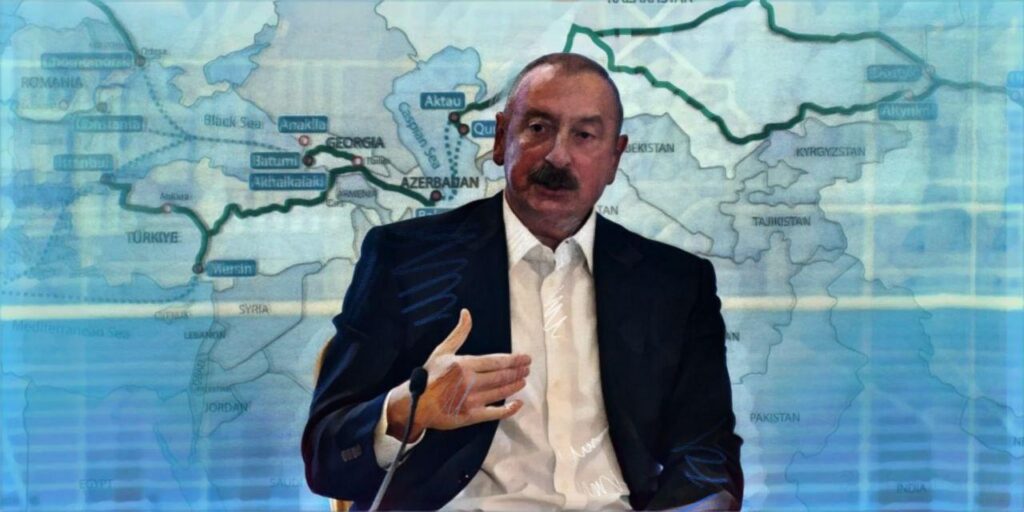
Azerbaijani President Ilham Aliyev’s recent state visit to Astana has marked a significant turning point in relations between Azerbaijan and Kazakhstan. President Kassym-Jomart Tokayev and President Aliyev underscored the rapid expansion of cooperation across transport, investment, and technology sectors. Political and cultural ties are also deepening, bolstering what both sides have described as a “brotherly” relationship. Economic Ties Strengthened by Infrastructure and Energy Projects Tokayev highlighted the strategic importance of the Trans-Caspian International Transport Route (Middle Corridor), noting a 62% increase in freight traffic in 2024 to 4.5 million tons, with a further 2% rise recorded so far in 2025. Kazakhstan is currently building a container hub in Aktau, while a new cargo terminal in the port of Alat, developed with foreign partners, including China, offers further growth potential. The two leaders also discussed establishing a Trans-Caspian ferry system to expand exports, with a long-term goal of boosting cargo traffic to 10 million tons. Tokayev further emphasized Kazakhstan’s use of the Baku-Tbilisi-Ceyhan pipeline for oil exports. In 2024, nearly 1.5 million tons of Kazakh oil transited through Azerbaijan, with plans to increase volumes significantly. He also cited efforts to deliver Kazakh uranium to foreign markets via Azerbaijan. Joint IT projects are also advancing, including plans to lay a fiber-optic communication line under the Caspian Sea. Tokayev commended the joint declaration on peace signed by Armenia and Azerbaijan in Washington under U.S. mediation, calling it a "historic" milestone in regional reconciliation efforts. Earlier on Monday, Aliyev had announced a significant policy shift, stating that Baku is lifting all restrictions on the transit of goods to Armenia. Middle Corridor as a Strategic Geopolitical Tool The Middle Corridor, connecting China and Europe through Kazakhstan, the Caspian Sea, and Azerbaijan, was a major focus of Aliyev's state visit. Amina Kosbaeva of the Institute for Eurasian Integration noted that the corridor - which carried about 2.7 million tons in 2023 and 4.5 million tons in 2024, as traffic shifted away from traditional routes via Russia - is evolving into a strategic asset that enhances regional autonomy and global connectivity. Kosbaeva highlighted that both countries have built a sustainable cooperation model grounded in cultural commonalities and mutual trust. She identified agriculture, petrochemicals, and machine-building as key sectors where new supply chains could emerge, boosting trade and resilience to global market fluctuations. Kosbaeva added that future cooperation is likely to grow within the framework of the Organization of Turkic States (OTS), which held its 12th Summit in Gabala, Azerbaijan, on October 6–7, 2025. further institutionalizing bilateral ties as a driving force within the Turkic world. “The history of the Turkic peoples goes back to common roots,” Tokayev said at the summit, expressing support for the idea of a broader “Turkic-speaking States +” platform to expand cooperation. Business Relations Rooted in Political Alignment Kazakh political analyst Gaziz Abishev noted that Astana and Baku often align on geopolitical issues. “The relationship between the two countries proves that rigid multilateral blocs are not necessary for close alliances. Unconditional mutual sympathy at all levels, leaders,...

Central Asian Countries Launch New Contact Group on Afghanistan

At Uzbekistan’s initiative, the special representatives of four Central Asian countries convened in Tashkent on August 26, for the inaugural meeting of a new regional Contact Group on Afghanistan. Delegations from Uzbekistan, Kazakhstan, Kyrgyzstan, and Tajikistan participated, launching a platform for regular envoy-level dialogue on shared concerns related to Afghanistan. According to the ministry, the participants emphasized the “relevance and timeliness” of creating this Contact Group as an independent mechanism for regional coordination. The meeting builds on commitments made by the presidents of the four countries during the August 2024 Central Asian summit in Astana, which produced a joint statement and a 2025-2027 roadmap for regional cooperation. In Tashkent, delegates reiterated the need for a unified regional approach to Afghanistan, given Central Asia’s geographic proximity and long-standing cultural and economic ties with its southern neighbor. The envoys underscored that the region must take a self-reliant, coordinated stance on Afghan affairs, one that promotes stability, security, and sustainable development across Eurasia. During the talks, the participants pledged to pursue common, balanced, and realistic policies toward the situation in Afghanistan based on consensus. They identified the urgent need to restore and expand trade, transport, logistics, and cultural-humanitarian connections with Afghanistan, which have deteriorated in recent years. The envoys also exchanged views on engaging with Afghanistan’s de facto Taliban authorities in line with each country's interests. They expressed support for enhanced cooperation on regional security challenges, including the fight against terrorism, extremism, narcotics trafficking, and cross-border crime. Although none of the Central Asian states formally recognize the Taliban government, all maintain practical working relationships with Kabul, particularly in areas such as border control, counterterrorism, trade, and humanitarian support. Since the Taliban’s return to power in 2021, Central Asia has navigated a delicate diplomatic path, maintaining cautious ties with Kabul while also deepening relations with China and Russia. Uzbekistan has taken a leading role. In August 2024, its prime minister visited Kabul, signing 35 agreements worth $2.5 billion. Bilateral trade reached $866 million in 2023. Kazakhstan, Afghanistan’s primary supplier of wheat and flour, has kept its embassy open in Kabul and held multiple business forums since 2023. According to the CACI Analyst, Kazakh-Afghan trade reached $700 million in the first nine months of 2024, with projections aiming for $3 billion within five years.

Tajikistan and Flanders Explore Closer Ties in Industry, Tourism, and Trade

A delegation from the Belgian region of Flanders is currently visiting Dushanbe for official meetings aimed at expanding cooperation with Tajikistan. The visit, which began on August 11 at the invitation of the Dushanbe city authorities, will continue through August 16. The Flemish delegation is led by Jill Willems Suetens, head of the Protocol and Administrative Department. Focus Areas: Industry, Innovation, and Investment Talks are centered around collaboration in the light and textile industries, mechanical engineering, pharmaceuticals, food production, and artificial intelligence. Tourism and trade, meanwhile, have been highlighted as key priorities. The Belgian side has been invited to take part in upcoming events organized by the Ministry of Industry and the Dushanbe Invest 2025 International Investment Forum, scheduled for October. During their visit, the Flemish representatives have held meetings with senior officials from the Dushanbe city administration, the Ministry of Industry and New Technologies, the State Committee for Investment, the National Academy of Sciences, the Committee for Tourism Development, the Chamber of Commerce and Industry, the Smart City State Unitary Enterprise, and the International University of Tourism and Entrepreneurship. The State Committee for Investment presented Tajikistan’s potential to foreign investors, emphasizing tourism and trade as sectors with high growth prospects. To gain a deeper understanding of the country’s history and culture, the delegation is also visiting prominent sites such as the National Museum, the Kohi Navruz palace complex, the Central Mosque, the Plov culinary center, the Mehrgon market, the Gissar Fortress, and the Varzob region. The cultural itinerary aims to promote Tajikistan's tourism offerings and foster deeper exchange. Flanders: An Economic Powerhouse Flanders is one of Belgium’s primary industrial and commercial hubs and is home to the country’s largest ports, Antwerp, Bruges, Ghent, and Ostend. The region has a population of 6.8 million, comprising 58% of Belgium’s total population. In 2024, Flanders ranked 15th globally by export volume. Its main export commodities include chemical products, pharmaceuticals, transport vehicles, textiles, machinery, fruit, plastics, and precious stones. Trade between Tajikistan and Flanders surpassed €108 million in 2024. Tajikistan accounted for €102.36 million in exports, while Flanders exported €5.73 million worth of goods to Tajikistan.