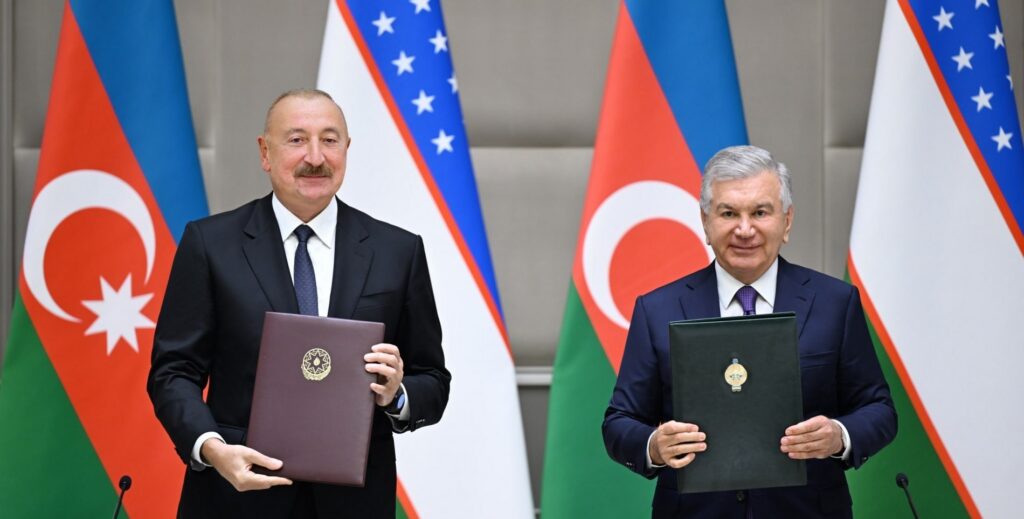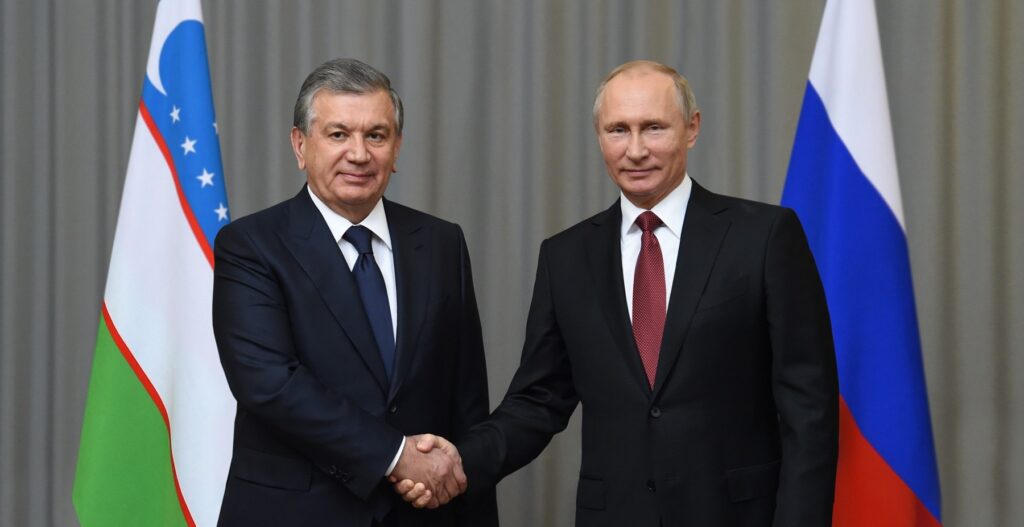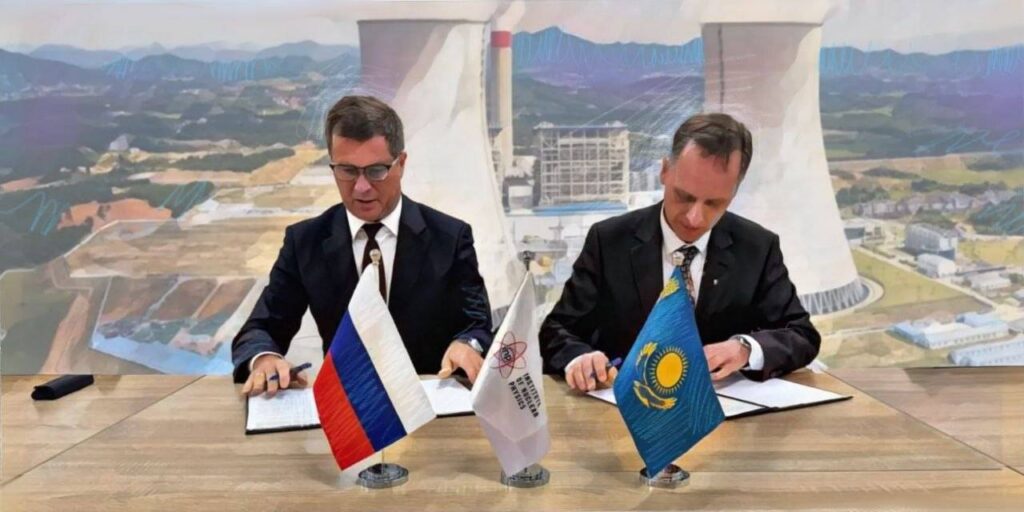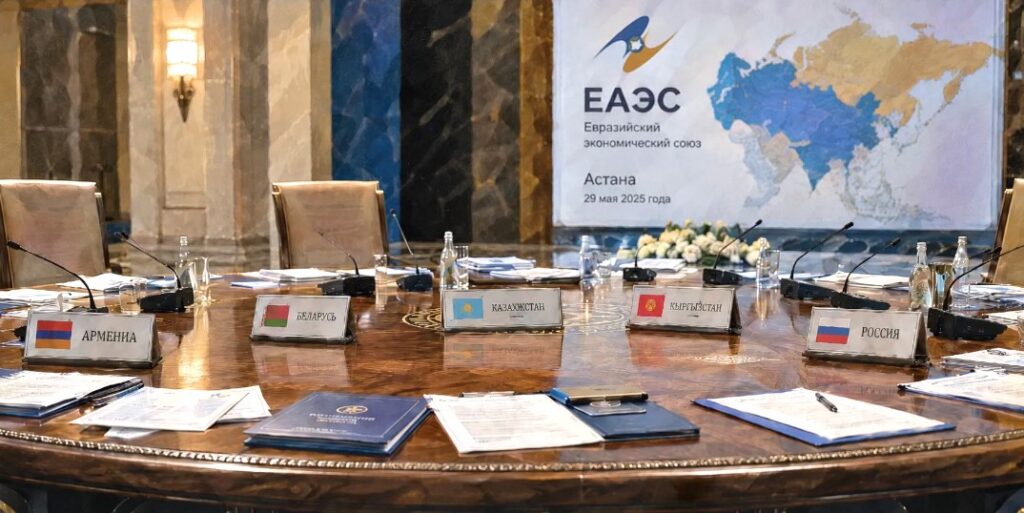
Azerbaijani President Ilham Aliyev’s recent state visit to Astana has marked a significant turning point in relations between Azerbaijan and Kazakhstan. President Kassym-Jomart Tokayev and President Aliyev underscored the rapid expansion of cooperation across transport, investment, and technology sectors. Political and cultural ties are also deepening, bolstering what both sides have described as a “brotherly” relationship.
Economic Ties Strengthened by Infrastructure and Energy Projects
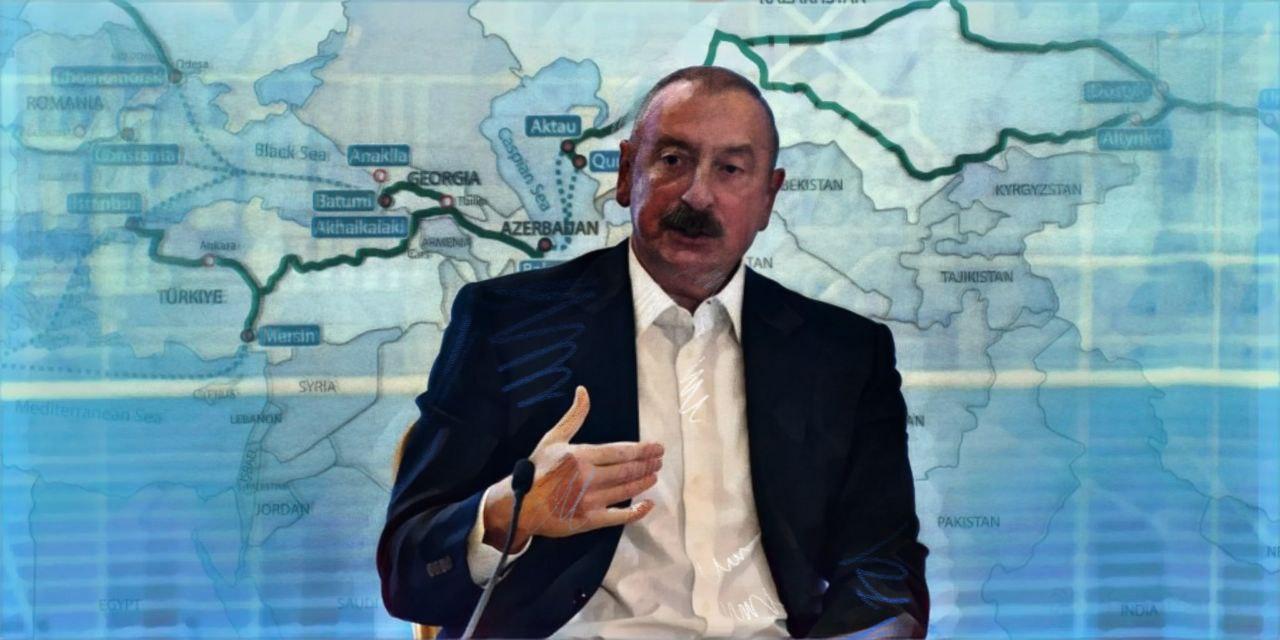
Tokayev highlighted the strategic importance of the Trans-Caspian International Transport Route (Middle Corridor), noting a 62% increase in freight traffic in 2024 to 4.5 million tons, with a further 2% rise recorded so far in 2025. Kazakhstan is currently building a container hub in Aktau, while a new cargo terminal in the port of Alat, developed with foreign partners, including China, offers further growth potential. The two leaders also discussed establishing a Trans-Caspian ferry system to expand exports, with a long-term goal of boosting cargo traffic to 10 million tons.
Tokayev further emphasized Kazakhstan’s use of the Baku-Tbilisi-Ceyhan pipeline for oil exports. In 2024, nearly 1.5 million tons of Kazakh oil transited through Azerbaijan, with plans to increase volumes significantly. He also cited efforts to deliver Kazakh uranium to foreign markets via Azerbaijan.
Joint IT projects are also advancing, including plans to lay a fiber-optic communication line under the Caspian Sea.
Tokayev commended the joint declaration on peace signed by Armenia and Azerbaijan in Washington under U.S. mediation, calling it a “historic” milestone in regional reconciliation efforts. Earlier on Monday, Aliyev had announced a significant policy shift, stating that Baku is lifting all restrictions on the transit of goods to Armenia.
Middle Corridor as a Strategic Geopolitical Tool
The Middle Corridor, connecting China and Europe through Kazakhstan, the Caspian Sea, and Azerbaijan, was a major focus of Aliyev’s state visit. Amina Kosbaeva of the Institute for Eurasian Integration noted that the corridor – which carried about 2.7 million tons in 2023 and 4.5 million tons in 2024, as traffic shifted away from traditional routes via Russia – is evolving into a strategic asset that enhances regional autonomy and global connectivity.
Kosbaeva highlighted that both countries have built a sustainable cooperation model grounded in cultural commonalities and mutual trust. She identified agriculture, petrochemicals, and machine-building as key sectors where new supply chains could emerge, boosting trade and resilience to global market fluctuations.
Kosbaeva added that future cooperation is likely to grow within the framework of the Organization of Turkic States (OTS), which held its 12th Summit in Gabala, Azerbaijan, on October 6–7, 2025. further institutionalizing bilateral ties as a driving force within the Turkic world.
“The history of the Turkic peoples goes back to common roots,” Tokayev said at the summit, expressing support for the idea of a broader “Turkic-speaking States +” platform to expand cooperation.
Business Relations Rooted in Political Alignment
Kazakh political analyst Gaziz Abishev noted that Astana and Baku often align on geopolitical issues. “The relationship between the two countries proves that rigid multilateral blocs are not necessary for close alliances. Unconditional mutual sympathy at all levels, leaders, elites, and citizens, is enough,” he said.
Abishev emphasized the Middle Corridor’s growing role in global logistics. Goods from Kazakhstan are shipped via the Aktau and Kuryk ports across the Caspian to Azerbaijan, then routed through Georgia and Turkey to Europe.
There are currently around 1,500 Azerbaijani-capital companies registered in Kazakhstan, while roughly 150 Kazakhstani-capital companies operate in Azerbaijan. Agricultural trade is also strong: from January to August 2025, Kazakhstan exported 558,600 tons of grain to Azerbaijan, mostly wheat valued at $105.8 million, which accounted for over 80% of Azerbaijan’s wheat imports.
Crisis Management After Plane Crash Near Aktau
The visit also underscored effective crisis coordination between the two countries. A joint investigation is underway into the December 2024 crash of an AZAL Azerbaijani airline flight near Aktau. The aircraft was en route from Baku to Grozny with 67 people aboard. Twenty-nine survived, but all Kazakhstani passengers were among the deceased.
Azerbaijan’s President thanked Kazakhstan for its assistance, and citizens of both countries expressed solidarity on social media. Aliyev publicly held Russia responsible for the tragedy. According to Russian President Vladimir Putin, the AZAL plane was likely struck by debris from air defense missiles targeting Ukrainian drones that had crossed into Russian airspace. Once staunch allies, the crisis severely tested relations between Azerbaijan and Russia, with some fences being mended at the recent CIS summit in Dushanbe.
Azerbaijan’s Growing Role in the Region
Analyst Alexander Karavaev of the Caspian Institute for Strategic Studies noted that Azerbaijan is establishing itself as a key transport and energy hub. Through initiatives such as TRACECA and the Belt and Road Initiative, now integrated into the Middle Corridor, Baku is expanding its geopolitical relevance, particularly in renewable energy exports to Europe.
President Aliyev’s visit to Astana marked a new phase in Azerbaijan–Kazakhstan ties, expanding cooperation in transport, energy, and digital infrastructure. The two nations are now key partners in the Middle Corridor and the wider Turkic world – so much so that analysts are describing the emerging format as “C6,” with Azerbaijan increasingly seen as a natural member of Central Asia’s core. This vision of a “C6” framework reflects a growing effort to build a more connected and self-reliant Caspian–Central Asian region.