• KZT/USD = 0.00218
  • TJS/USD = 0.10810
  • UZS/USD = 0.00009
  • TMT/USD = 0.29850
  • KZT/USD = 0.00218
  • TJS/USD = 0.10810
  • UZS/USD = 0.00009
  • TMT/USD = 0.29850
  • KZT/USD = 0.00218
  • TJS/USD = 0.10810
  • UZS/USD = 0.00009
  • TMT/USD = 0.29850
  • KZT/USD = 0.00218
  • TJS/USD = 0.10810
  • UZS/USD = 0.00009
  • TMT/USD = 0.29850
  • KZT/USD = 0.00218
  • TJS/USD = 0.10810
  • UZS/USD = 0.00009
  • TMT/USD = 0.29850
  • KZT/USD = 0.00218
  • TJS/USD = 0.10810
  • UZS/USD = 0.00009
  • TMT/USD = 0.29850
  • KZT/USD = 0.00218
  • TJS/USD = 0.10810
  • UZS/USD = 0.00009
  • TMT/USD = 0.29850
  • KZT/USD = 0.00218
  • TJS/USD = 0.10810
  • UZS/USD = 0.00009
  • TMT/USD = 0.29850
01 September 2026

Viewing results 1 - 6 of 7

Acwa and KOWEPO Explore Renewable Energy Projects in Uzbekistan

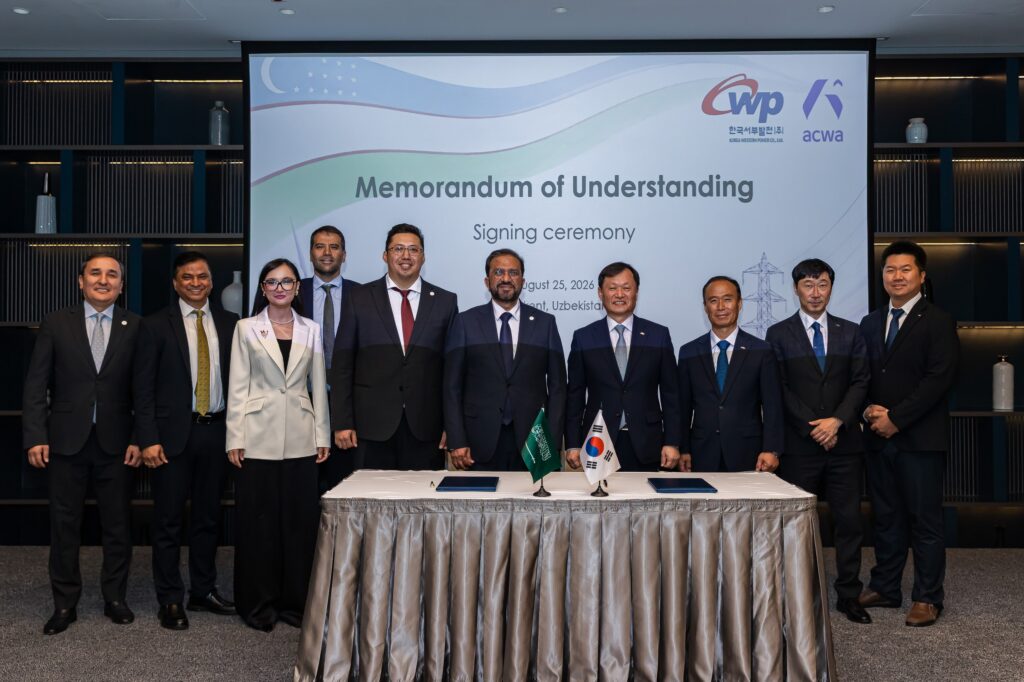
South Korea’s KOWEPO, which is wholly owned by state-controlled Korea Electric Power Corporation (KEPCO), is moving into Uzbekistan’s rapidly expanding green energy market alongside Saudi Arabia’s Acwa, one of the market’s largest players. No specific projects have been announced yet, but the companies will explore opportunities in renewable generation and energy storage while considering the possibility of attracting South Korean financing. The memorandum was signed in Tashkent on August 25. For KOWEPO, the agreement offers an opportunity to bring to Central Asia the experience it has gained through projects in the Middle East totaling 3.5 GW of renewable capacity and 877 MW of gas-fired generation. For Acwa, Uzbekistan has already become its second-largest market after Saudi Arabia. The company has operated there since 2019 and is developing 19 projects with a combined capacity of more than 10 GW and potential investment estimated at $15 billion. Abid Malik, Acwa’s president for Central Asia, said the companies would also seek to “facilitate engagement with Korean financial institutions” as they assess potential projects. Acwa’s portfolio in Uzbekistan includes solar and wind power, conventional generation, green hydrogen, and energy storage. Storage is becoming increasingly important as the share of solar and wind grows because utility-scale batteries can store surplus electricity and return it to the grid when renewable generation falls. Uzbekistan aims to expand renewable energy capacity to around 25 GW by 2030, with renewables targeted to account for 54% of electricity generation. The rapid construction of solar and wind farms comes as electricity demand rises and Uzbekistan seeks to modernize a power system that has historically relied heavily on gas-fired generation. Acwa has already secured contractual priority to develop up to 2 GWh of new battery energy storage capacity in the country. KOWEPO could therefore provide additional expertise and capital. Uzbekistan’s energy transition has already attracted major investors from Saudi Arabia, the United Arab Emirates, China, and elsewhere. For now, the agreement with KOWEPO remains a framework arrangement, with the capacity, cost, locations, and timelines of any joint projects yet to be announced. Its practical significance will become clearer if the companies move from exploring opportunities to concrete investment decisions.

Uzbekistan Airports Signs Sustainable Aviation Fuel Deal Tied to $6 Billion Biofuel Project

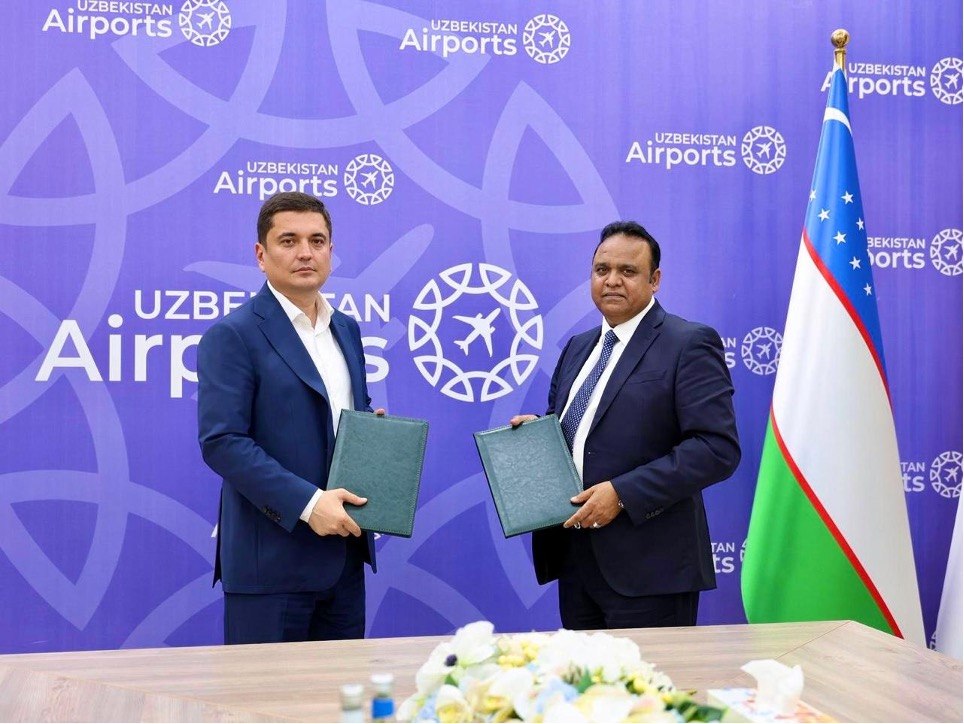
Uzbekistan Airports and Allied Biofuels FE LLC have signed a memorandum of understanding on the supply of sustainable aviation fuel (SAF) and electro-synthetic sustainable aviation fuel (e-SAF) in Uzbekistan. The agreement outlines plans for cooperation on the supply of cleaner aviation fuel beginning in 2030. The move is part of Uzbekistan’s broader effort to position itself as a regional hub for sustainable aviation and low-carbon transport infrastructure. Under the memorandum, the two sides will work together to develop supply chains and infrastructure for SAF and e-SAF, which are intended to help reduce aviation emissions. Allied Biofuels is developing what it describes as Central Asia’s first integrated large-scale biorefinery. Once fully operational, the facility is expected to produce around 160,400 tonnes of SAF, 257,000 tonnes of e-SAF, and 5,040 tonnes of green diesel annually. The project, estimated at $6.1 billion, is among the largest clean energy infrastructure initiatives announced in the region. According to the company, the refinery will operate using a 4.45-gigawatt renewable energy system supported by battery storage and green hydrogen production infrastructure. U.S.-based Plug Power has been selected as the preferred supplier of electrolyzer technology for the project. Javlonbek Umarkhodjaev, chairman of the board of Uzbekistan Airports JSC, said the partnership represents an important step toward modernizing the country’s aviation sector and exploring sustainable fuel alternatives. Alfred Benedict, general director of Allied Biofuels, described the memorandum as a major milestone for the company and said the cooperation could support the future development of cleaner air transport across Central Asia. Allied Biofuels said the project continues to receive support from Uzbekistan’s Ministry of Investment and Foreign Trade and the country’s Investment Promotion Agency. The memorandum follows an earlier announcement reported by The Times of Central Asia in April, when Uzbekistan signed a binding implementation agreement for the same $6.08 billion biofuel project in the Khorezm Region. The agreement was concluded in Perth, Australia, between Khorezm regional authorities and Allied Biofuels.

Kazakhstan Launches First Domestic Green Hydrogen Production Station

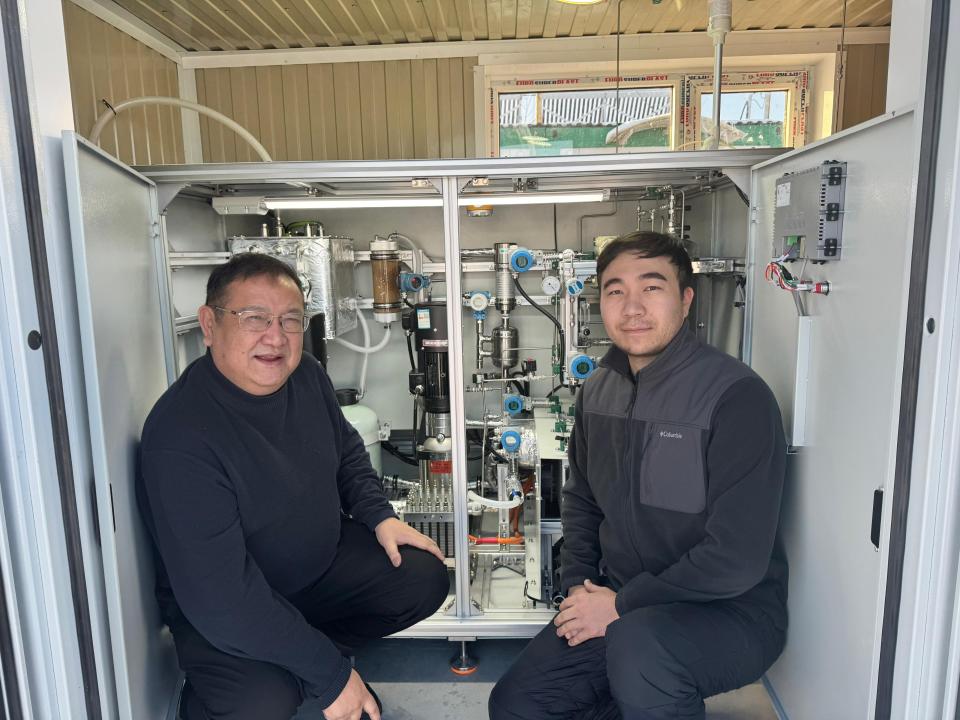
Kazakhstan has unveiled its first fully integrated green hydrogen production station, a significant milestone in the country’s transition toward renewable energy and industrial innovation. The project, spearheaded by the Renewable Energy Laboratory at Nazarbayev University in Astana, is the first of its kind in Kazakhstan to receive a national patent, according to the Ministry of Science and Higher Education. Powered entirely by solar and wind energy, the pilot facility uses innovative, locally developed catalysts to convert renewable electricity into hydrogen through electrolytic water splitting. The hydrogen is then stored and can be used as fuel for motor vehicles or standalone generators. Currently, the laboratory-scale station is capable of filling a six-cubic-meter hydrogen cylinder in three hours. “This is a significant step toward the practical implementation of hydrogen technologies in Kazakhstan. What began as laboratory prototypes has evolved into a functional, outdoor industrial-scale system,” said Professor Nurshat Nurazhi, head of the Renewable Energy Laboratory. The project was developed in collaboration with Zhejiang H2-Bank Technology Co., Ltd. of China. “Partnership with an industrial leader ensured scalability and compliance with international standards for hydrogen production and safety,” noted Dr. Yerbolat Magazov, head of the hydrogen production team. “This system demonstrates the potential of domestic innovation in clean energy and sets a milestone for Kazakhstan’s scientific community.” The Kazakh government has identified hydrogen as a strategic component of its low-carbon transition. The Concept for the Development of Hydrogen Energy through 2030, approved in 2024, outlines hydrogen’s critical role in reducing greenhouse gas emissions and diversifying the national energy mix.

Uzbekistan to Build Central Asia’s Largest Ethanol Refinery

Allied Biofuels FE LLC and India’s Praj Industries Ltd have signed a Memorandum of Understanding (MOU) to construct what is set to become Central Asia’s largest ethanol refinery in Uzbekistan’s Khorezm region, the companies announced on November 17. Praj will provide first-generation ethanol technology, proprietary equipment, and full-spectrum support, including design, engineering, procurement, and commissioning. The planned facility will produce 890 tonnes of 95% ethanol per day, or approximately 293,700 tonnes annually, using sorghum as the primary feedstock. The plant will also capture biogenic CO₂ generated during the production process. Allied Biofuels intends to convert this ethanol into 160,400 tonnes of Sustainable Aviation Fuel (SAF) and 5,040 tonnes of green diesel each year. Biogenic CO₂ will also be combined with synthesis gas and green hydrogen, produced from 2,000 MW of PEM electrolysers, to generate 257,000 tonnes of Electro-Sustainable Aviation Fuel (e-SAF) annually. The project represents the first phase in establishing Central Asia’s first integrated refinery for SAF, e-SAF, and green diesel. According to the companies, the initiative supports Uzbekistan’s climate objectives and aligns with the goals of the national Net Zero Emissions Office. “This MOU is a landmark moment for Uzbekistan and for Central Asia’s clean-energy future,” said Alfred Benedict, Chairman and Managing Director of Allied Biofuels. “This project will strengthen energy security, reduce emissions, and create long-term economic opportunities for the region.” Praj Industries Chairman Dr. Pramod Chaudhari added, “With our proven expertise and advanced technologies, Praj will help develop the ethanol facility and support Uzbekistan in advancing its sustainability targets.” The investment is expected to generate hundreds of skilled jobs and position Uzbekistan as a regional leader in advanced biofuels. The Times of Central Asia has previously reported on Uzbekistan’s increased emphasis on renewable energy and efforts to attract international clean-technology partnerships.

South Korean Firm to Invest Up to $3.1 Billion in Green Hydrogen Project in Kazakhstan

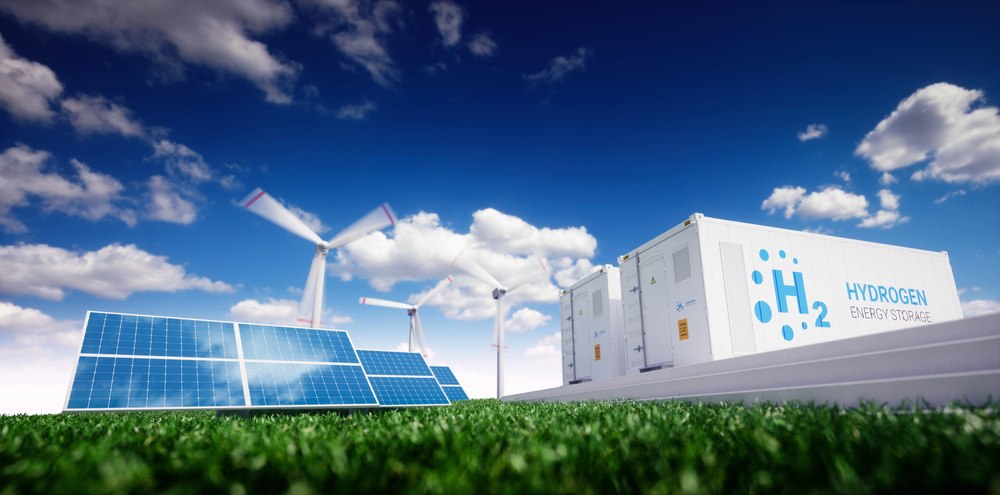
South Korea’s YPP Corporation is set to invest up to $3.1 billion in a large-scale green hydrogen and ammonia production facility in Kazakhstan, following the signing of a framework agreement with the national investment promotion agency, Kazakh Invest. The agreement was signed on July 15 by Azamat Kozhanov, Deputy Chairman of Kazakh Invest, and John M. Bek, Chairman of the Board at YPP Corporation (Your Permanent Partner), an engineering and energy firm based in South Korea. According to Kazakh Invest, the "Green Energy Complex" aims to establish a full-cycle production chain for green hydrogen and ammonia powered by renewable energy. The project includes the construction of solar and wind power plants with a combined capacity of up to 2 gigawatts, along with electrolysis systems and ammonia synthesis units. Annual output is projected at up to 75,000 tons of green hydrogen and 310,000 tons of green ammonia. While most of the output will be exported, a portion will be used domestically. The facility will also include supporting infrastructure such as energy storage systems, logistics and water supply networks, and potential integration into Kazakhstan’s heat and power systems, particularly in the Almaty region. “This project fully aligns with Kazakhstan’s long-term energy strategy and our ambition to become a key player in green hydrogen,” said Kozhanov. “Kazakhstan’s renewable energy potential is estimated at 1,820 billion kWh from wind and 2.5 billion kWh from solar annually. Global interest in developing green energy here is growing steadily.” YPP founder John M. Bek cited Kazakhstan’s favorable geography and investment climate. “We see Kazakhstan as a strategic partner and are committed to implementing a project that brings together Korea’s advanced technology and global best practices in sustainable energy,” he said. The agreement paves the way for the next phase of development, including a detailed investment model, regulatory approvals, and potential partnerships with major offtakers such as Samsung C&T.

Environmentalists Urge Relocation of Hyrasia One Green Hydrogen Project

Kazakhstan’s Ministry of Ecology and Natural Resources is facing growing pressure from environmental experts to alter the course of the country's flagship green hydrogen initiative. The Public Council under the Ministry has recommended relocating key infrastructure of the €50 billion ($55 billion) Hyrasia One project, citing threats to biodiversity in the Mangistau region. Developed by the Swedish-German company Svevind Energy Group, Hyrasia One is poised to become Kazakhstan’s largest green hydrogen production facility, with plans to generate up to two million tonnes annually by 2030 using solar and wind power. But environmental groups argue that parts of the planned development risk causing irreversible ecological damage. In an official statement, the Public Council advised that the proposed “Rahim” and “Kanagat” renewable energy clusters be relocated to previously industrialized zones, such as former oil and gas fields, rather than pristine ecosystems home to endangered species. “It would be more practical for the company as well, as such territories already have existing infrastructure, including roads, power lines, and cellular coverage,” the council noted in its published protocol. Ecologists warn that the current project layout intersects with the habitat and migratory routes of the goitered gazelle, a species listed in Kazakhstan’s Red Book of endangered fauna. The installation of wind turbines, solar panels, roads, and transmission lines in these areas could fragment ecosystems and disrupt transboundary conservation initiatives involving Kazakhstan, Uzbekistan, and Turkmenistan. The development risks affecting several protected areas, including the Ustyurt Nature Reserve (and its proposed “Southern Ustyurt” extension), Kyzylsai Nature Park in Kazakhstan, Uzbekistan’s “South Ustyurt” National Park, and Turkmenistan’s Gaplangyr Reserve, home to the Sarykamysh and Shasenem wildlife sanctuaries. Council members also raised legal and procedural issues, alleging that land allocations for the project were made without proper legal oversight and that public consultations during the environmental impact assessment (EIA) process were inadequate. They further claim that Hyrasia One representatives have declined to attend two separate council sessions dedicated to the project. The council has formally submitted its findings and relocation proposal to the Presidential Administration, the Government of Kazakhstan, and regional authorities in Mangystau. As previously reported by The Times of Central Asia, Hyrasia One is central to Kazakhstan’s ambitions to become a key exporter of green energy to the European Union. The project may also benefit from emerging energy cooperation with China, further raising the stakes for its execution and environmental impact.