• KGS/USD = 0.01144 0%
  • KZT/USD = 0.00206 0%
  • TJS/USD = 0.10415 -0.19%
  • UZS/USD = 0.00008 0%
  • TMT/USD = 0.28571 0%
  • KGS/USD = 0.01144 0%
  • KZT/USD = 0.00206 0%
  • TJS/USD = 0.10415 -0.19%
  • UZS/USD = 0.00008 0%
  • TMT/USD = 0.28571 0%
  • KGS/USD = 0.01144 0%
  • KZT/USD = 0.00206 0%
  • TJS/USD = 0.10415 -0.19%
  • UZS/USD = 0.00008 0%
  • TMT/USD = 0.28571 0%
  • KGS/USD = 0.01144 0%
  • KZT/USD = 0.00206 0%
  • TJS/USD = 0.10415 -0.19%
  • UZS/USD = 0.00008 0%
  • TMT/USD = 0.28571 0%
  • KGS/USD = 0.01144 0%
  • KZT/USD = 0.00206 0%
  • TJS/USD = 0.10415 -0.19%
  • UZS/USD = 0.00008 0%
  • TMT/USD = 0.28571 0%
  • KGS/USD = 0.01144 0%
  • KZT/USD = 0.00206 0%
  • TJS/USD = 0.10415 -0.19%
  • UZS/USD = 0.00008 0%
  • TMT/USD = 0.28571 0%
  • KGS/USD = 0.01144 0%
  • KZT/USD = 0.00206 0%
  • TJS/USD = 0.10415 -0.19%
  • UZS/USD = 0.00008 0%
  • TMT/USD = 0.28571 0%
  • KGS/USD = 0.01144 0%
  • KZT/USD = 0.00206 0%
  • TJS/USD = 0.10415 -0.19%
  • UZS/USD = 0.00008 0%
  • TMT/USD = 0.28571 0%

Viewing results 1 - 6 of 61

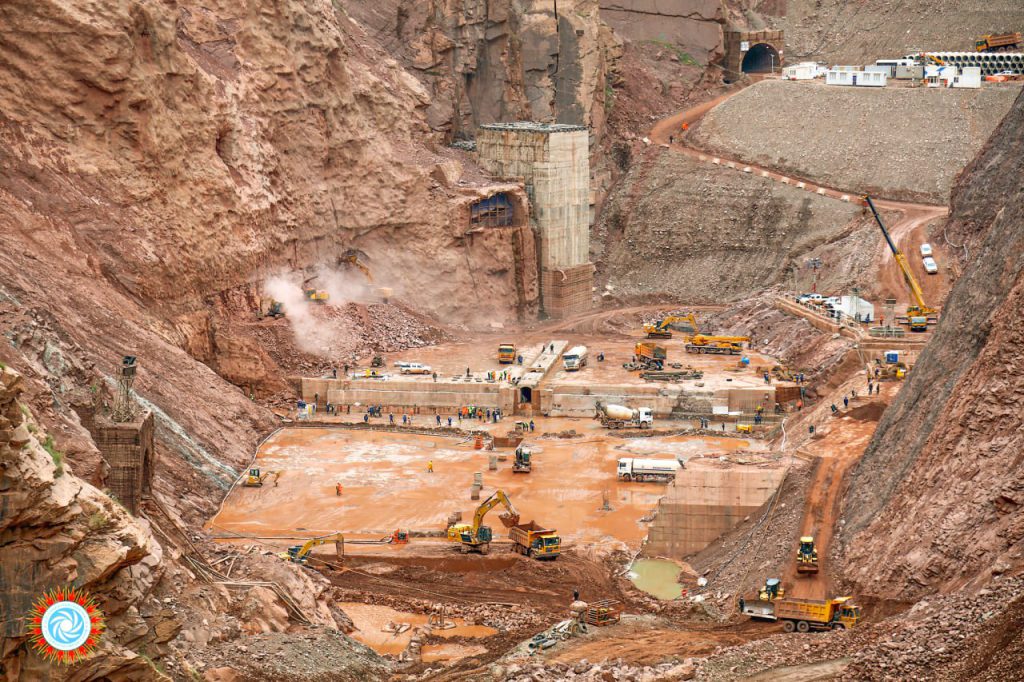
Tajikistan’s Rogun Dam to Triple Forests Under No Net Loss Plan

The construction of Tajikistan’s massive Rogun Hydropower Plant (HPP) will proceed under strict environmental conditions, guided by what experts describe as a "No Net Loss" (NNL) approach to nature. According to Asia-Plus, the updated Environmental and Social Impact Assessment (ESIA) for the project outlines a series of measures to offset ecological damage, including large-scale forest restoration. The report states that 262 hectares of land, including 185 hectares of juniper forest and 77 hectares of floodplain, will be lost due to construction. To compensate, authorities plan to restore 786 hectares of new forest, tripling the area impacted. The reforestation effort will prioritize juniper, riverside, and fruit and nut forests, while also establishing new protected areas to reinforce local ecosystems. Tajikistan’s Forestry Agency has already allocated nearly 7,600 hectares of land for these efforts. Reforestation is expected to cost over $7.5 million, with annual maintenance costs projected at approximately $10,500. The ESIA outlines a phased strategy. From 2025 to 2030, specific restoration sites will be identified. Practical implementation, including planting and ecosystem protection, is scheduled to begin in 2031. The NNL principle aims to ensure that long-term ecological gains outweigh short-term environmental disruptions. Once completed, the Rogun HPP will have an installed capacity of 3,780 megawatts, making it the largest hydropower facility in Central Asia. Its six turbines, each with a capacity of 630 MW, are expected to generate over 14.5 billion kilowatt-hours of electricity annually once the plant becomes fully operational in 2029. Two units, launched in 2018 and 2019, are already producing power at reduced capacity. In 2024, the plant generated 1.22 billion kWh, accounting for 5.5 percent of Tajikistan’s total electricity output. However, the project has not escaped controversy. The World Bank’s Inspection Panel recently agreed to review a formal complaint filed by residents of Uzbekistan and Turkmenistan, supported by the regional coalition Rivers Without Boundaries. The complaint questions the adequacy of the project's environmental assessments, which critics argue fail to fully account for downstream impacts on communities and ecosystems along the Amu Darya basin. Despite these concerns, Tajik officials maintain that Rogun will enhance national energy independence while also helping position Central Asia as a hub for renewable energy.

EDB to Fund Feasibility Study for Kyrgyz Hydropower Cascade

On September 18, the Eurasian Development Bank (EDB) and Orta Asya Investment Holding signed an agreement to develop a feasibility study for the Suusamyr-Kokomeren hydropower plant cascade project in Kyrgyzstan. The study will be financed by the EDB, a multilateral development bank headquartered in Almaty that invests across its member states: Armenia, Belarus, Kazakhstan, Kyrgyzstan, Russia, Tajikistan, and Uzbekistan. This agreement builds on earlier investment deals between Kyrgyzstan and Central Asian Investment Holding, a subsidiary of Turkey’s İhlas Holding, to develop both the Kokomeren and Kazarman cascades. With a combined capacity of 2,217 MW, these agreements were signed on August 11 by Kyrgyz Energy Minister Taalaibek Ibraev and Ahmet Mücahid Ören, Chairman of İhlas Holding’s Board of Directors. These projects are considered strategically important for both Kyrgyzstan and the broader Central Asian region, with planned investments exceeding $6 billion. Once completed, they are expected to increase Kyrgyzstan’s electricity generation capacity by more than 50%, meeting rising domestic demand and enabling future electricity exports. The Kokomeren River cascade will include three hydroelectric plants with a combined capacity of 1,305 MW: Karakol HPP - 33 MW Kokomeren-1 HPP - 360 MW Kokomeren-2 HPP - 912 MW Under the terms of the agreements, Central Asian Investment Holding will operate the plants for 20 years, with Kyrgyzstan guaranteeing the purchase of the electricity generated. İhlas Holding, through its subsidiary, is also developing a 250 MW natural gas-fired combined heat and power plant (CHPP-2) in Bishkek. Scheduled for commissioning in 2028, CHPP-2 is expected to enhance the capital’s heating and electricity supply while reducing reliance on the aging coal-fired Thermal Power Plant, currently the city’s primary energy source. The parallel development of hydropower and cleaner thermal energy projects is seen as central to Kyrgyzstan’s energy transition, offering both economic benefits and improved environmental outcomes.

Financing for Tajikistan’s Rogun Project Rises to $500 Million

The Asian Infrastructure Investment Bank (AIIB) has confirmed its decision to increase financing for the construction of Tajikistan’s flagship energy project, the Rogun Hydroelectric Power Plant (HPP), to $500 million. New Agreements on Energy, Water, and Transport According to the Tajik president’s press service, the agreement was reached on September 1 in Tianjin during talks between President Emomali Rahmon and AIIB President Jin Liqun. The meeting took place on the sidelines of the Shanghai Cooperation Organization (SCO) Council of Heads of State summit. President Rahmon thanked the AIIB for supporting Tajikistan’s infrastructure development and noted that the bank is already involved in four national projects totaling over $430 million. These include the Rogun HPP and the construction of a 920-meter-long road bridge in the Nurabad district. “The parties discussed broad opportunities for cooperation in the field of green energy, including the construction and modernization of power plants of various capacities, as well as the commissioning of solar and wind installations,” the press service stated. Discussions also focused on water resource management, disaster risk reduction, and the deployment of modern monitoring technologies. Other priorities included transport integration, municipal infrastructure renewal, and innovative mechanisms to attract investment. Expanding private sector participation and utilizing innovative financing instruments were also identified as promising areas. Previously Signed Agreements In December 2024, Tajikistan and the AIIB signed a $270 million (1.92 billion yuan) agreement for the first phase of the Rogun development program. According to the Ministry of Finance, the bank’s total commitment now stands at $500 million, to be disbursed in two tranches. During a visit to Rogun on August 27, Rahmon stated that loan negotiations with the AIIB are in their final stages. In total, Tajikistan has secured commitments exceeding $2 billion from development partners and is negotiating an additional $1.7 billion. However, Standard & Poor's (S&P) Global Ratings has noted delays in funding from some international partners, including the World Bank, citing unmet conditions. The agency estimates the total cost of completing Rogun at $6.4 billion. According to S&P, the Tajik government plans to finance half of the project through a consortium of international partners, with the remainder coming from the national budget and project revenues. The proposed financing includes $1.5 billion in non-concessional loans, $850 million in grants, and $550 million in concessional loans. Part of the grant support is contingent on Tajikistan’s classification as a “least developed country,” a status that may be reconsidered in 2026. Rogun: Central Asia’s Largest Hydropower Project Since the start of 2025, 4.3 billion somoni (approximately $451 million) has been allocated from Tajikistan’s state budget for Rogun. In total, over 48.1 billion somoni (roughly $5.04 billion) has been invested in the project since 2008 from both public and external sources. The Rogun Hydropower Plant is poised to become the largest in Central Asia. Once completed, it will have an installed capacity of 3,780 MW and is expected to generate over 14.5 billion kWh annually. Six 630 MW turbines are planned, with full commissioning expected by 2029....

Turkish Holding to Invest $10 Billion in Kyrgyz Hydropower Projects

Turkish conglomerate Ihlas Holding plans to invest $10 billion in the construction of two major hydroelectric power plants in Kyrgyzstan, the 912 MW Kazarmanskaya plant and the 1,305 MW Kokomeren plant, according to the Kyrgyz Ministry of Energy. In Bishkek, Energy Minister Taalaibek Ibraev signed a final investment agreement with Central Asian Investment Holding, a subsidiary of Ihlas Holding, for a cascade of hydropower facilities on the Naryn and Kokomeren rivers. The total planned capacity is 2,217 MW. In addition to building the plants and associated infrastructure, the project will include training engineers to operate the new facilities and supplying the Ministry of Energy with specialized equipment. Under the agreement, the investor will provide $5 million in sponsorship funding annually from 2025 to 2030. The funds will support orphaned children and social programs in the regions where the hydropower plants will be built. According to Turkish media, the deal grants Ihlas Holding a 20-year operational right over the stations, with the Kyrgyz government guaranteeing to purchase the electricity produced in foreign currency. Ahmet Mujahid Eren, Chairman of Ihlas Holding’s Board of Directors, said Turkey faced similar energy challenges in the 1990s. “At that time, losses exceeded 50 percent. After privatizing distribution networks and modernizing infrastructure, we reduced this figure to a minimum. We want to apply this experience to create not only new energy capacity, but also modern, exemplary infrastructure,” he said.

Modernization of Kyrgyzstan’s Largest Hydropower Plant Nears Completion

Kyrgyzstan is nearing a major milestone in its energy sector with the impending completion of modernization work at the Toktogul Hydropower Plant (HPP), the country’s largest energy facility, which generates approximately 40% of its electricity. According to the Ministry of Energy, the country consumed 10 billion kilowatt-hours (kWh) of electricity in the first half of 2025, of which 2.05 billion kWh were imported. Domestic production during this period included 6.616 billion kWh from large hydroelectric plants, 1.132 billion kWh from thermal power plants, 219.7 million kWh from small HPPs, and 0.141 million kWh from the nation’s only solar power plant. To reduce dependence on imports and address recurring power shortages, the government is prioritizing both the construction of new and the modernization of existing hydropower facilities. On July 15, a major milestone was reached at Toktogul HPP with the installation of a new rotor for hydroelectric unit No. 3, the last of the plant’s four turbines to undergo a full overhaul under a multi-year modernization project. The rotor, weighing 768 tons, is the heaviest component of the unit and was installed using two 400-ton cranes. A similar operation was last carried out nearly five decades ago, during the plant’s initial construction. Three of the four turbines have already been upgraded. Upon completion of work on unit No. 3 in November 2025, Toktogul’s total installed capacity will rise by 240 megawatts (MW), reaching 1,440 MW. This upgrade will enable the plant to generate an additional 525.3 million kWh of electricity annually. Alongside the Toktogul modernization, Kyrgyzstan is also advancing its small-scale hydropower capacity. By the end of 2025, 18 small hydropower plants with a combined capacity of 78.57 MW are expected to be completed. Two plants, with a total capacity of 10.29 MW, are already in test operation. Although the country’s only solar power plant currently produces 1.43 MW, this is set to change. Kyrgyzstan has launched construction of two major renewable energy projects in 2025: a 300 MW solar power plant and a 100 MW wind farm, marking a significant step toward diversifying the national energy mix and enhancing long-term energy security.

Tajikistan’s Energy Paradox

Tajikistan stands out among developing countries for having achieved near-universal access to electricity by 2022. This milestone, documented in the international SDG7-2025 report by the UN, World Bank, WHO, IEA, and IRENA, places the country alongside Eastern European and South Caucasus states in electrification. However, beneath this achievement lie persistent vulnerabilities, particularly in rural and mountainous regions, where winter brings regular power outages due to seasonal dips in hydropower generation and surging demand. Firewood and Coal Still Dominant Despite near-total electrification, Tajikistan remains significantly behind in access to clean cooking fuels. Fewer than 40% of the population use modern, safe technologies. In villages, the majority of households still rely on coal, firewood, or even manure for heating and cooking, practices that pose serious environmental and health risks, especially for women and children. Tajikistan’s power sector is heavily dependent on hydropower, which accounts for over 90% of electricity production. While this results in low CO₂ emissions, it also creates structural vulnerabilities. Climate change and glacial retreat threaten the reliability of this single energy source. Meanwhile, the potential of solar and wind energy remains largely untapped due to a lack of investment, insufficient institutional frameworks, and limited support for decentralized energy projects. Lagging in Energy Efficiency Tajikistan is one of the most energy-intensive countries in the region. Aging heating systems, poorly insulated buildings, and inefficient technologies in agriculture and industry all contribute to this inefficiency. The SDG7 report emphasizes the need to upgrade buildings and adopt energy-saving technologies. Some progress has been made: with assistance from the European Bank for Reconstruction and Development (EBRD), thermal upgrades are underway in schools and hospitals. In 2021, Tajikistan received approximately $100 million in international support for energy projects, most of it allocated to hydropower. Major donors include the World Bank, the Asian Development Bank (ADB), and various UN agencies. However, investment in solar and wind energy, as well as broader energy efficiency initiatives, remains negligible. Experts are urging international partners to revise their priorities and fund projects that directly improve living standards, particularly in remote and rural areas. A Regional Disparity in Investment The pace of energy transition varies across Central Asia. While electrification is largely complete, access to clean cooking fuels remains uneven. Tajikistan and Kyrgyzstan are notably behind in this area. In contrast, Uzbekistan has emerged as a regional leader, securing the bulk of international energy investment. Uzbekistan, on the contrary, entered the top five world leaders in attracting investments in green energy. Globally, progress toward Sustainable Development Goal 7 (SDG 7) is slowing. As of 2022, 91% of the world’s population had access to electricity, but over two billion people still rely on harmful fuels for cooking. Energy efficiency improvements are lagging, advancing at just one-quarter of the pace needed to meet 2030 targets. Charting a Path Forward Experts recommend three immediate priorities for Tajikistan. First, scaling up decentralized solar and wind energy projects. Second, investing in the energy efficiency of buildings and infrastructure. Third, expanding access to clean cooking fuels through...