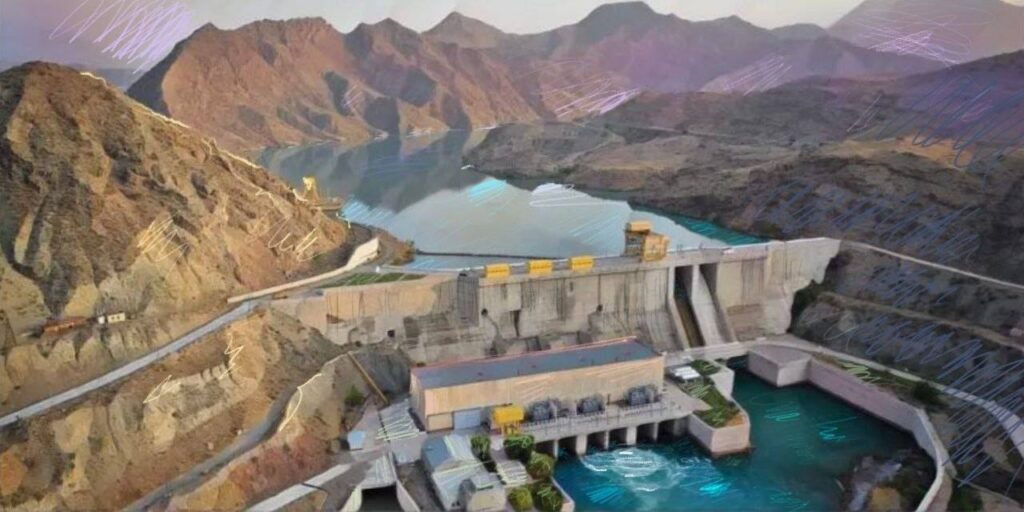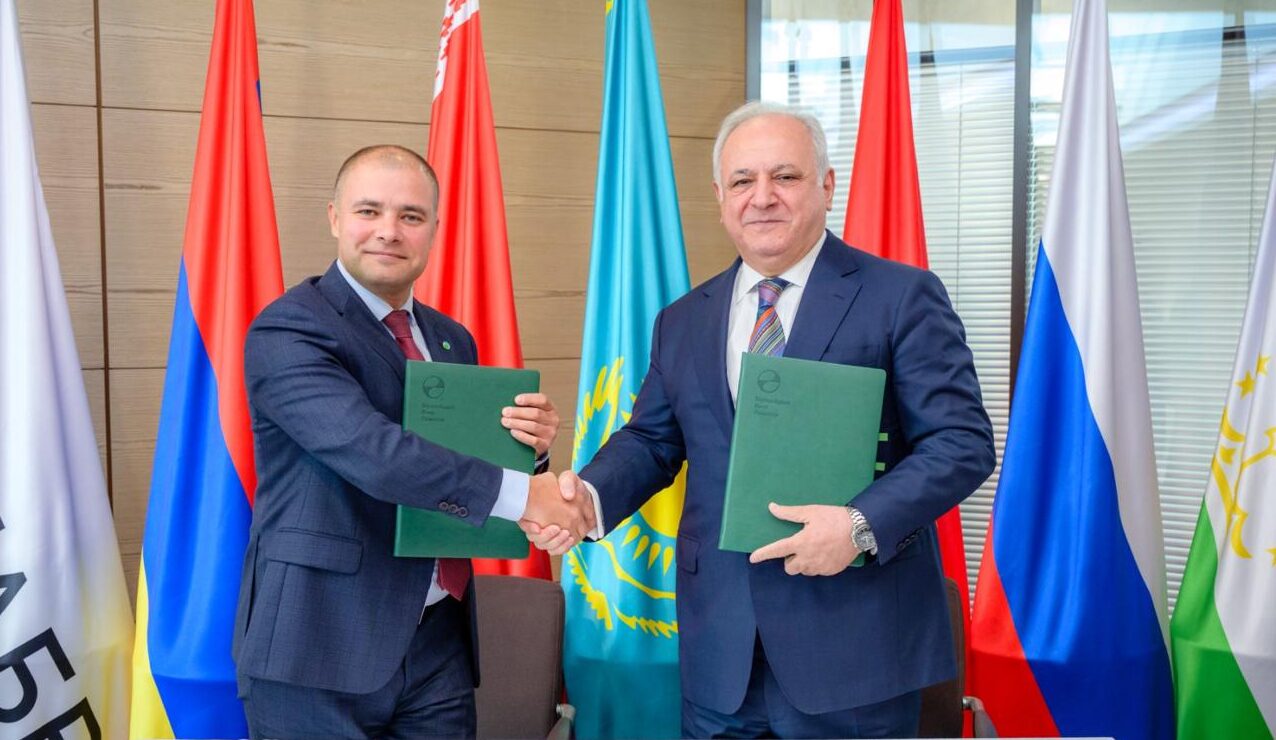
On September 18, the Eurasian Development Bank (EDB) and Orta Asya Investment Holding signed an agreement to develop a feasibility study for the Suusamyr-Kokomeren hydropower plant cascade project in Kyrgyzstan.
The study will be financed by the EDB, a multilateral development bank headquartered in Almaty that invests across its member states: Armenia, Belarus, Kazakhstan, Kyrgyzstan, Russia, Tajikistan, and Uzbekistan.
This agreement builds on earlier investment deals between Kyrgyzstan and Central Asian Investment Holding, a subsidiary of Turkey’s İhlas Holding, to develop both the Kokomeren and Kazarman cascades. With a combined capacity of 2,217 MW, these agreements were signed on August 11 by Kyrgyz Energy Minister Taalaibek Ibraev and Ahmet Mücahid Ören, Chairman of İhlas Holding’s Board of Directors.
These projects are considered strategically important for both Kyrgyzstan and the broader Central Asian region, with planned investments exceeding $6 billion. Once completed, they are expected to increase Kyrgyzstan’s electricity generation capacity by more than 50%, meeting rising domestic demand and enabling future electricity exports.
The Kokomeren River cascade will include three hydroelectric plants with a combined capacity of 1,305 MW:
- Karakol HPP – 33 MW
- Kokomeren-1 HPP – 360 MW
- Kokomeren-2 HPP – 912 MW
Under the terms of the agreements, Central Asian Investment Holding will operate the plants for 20 years, with Kyrgyzstan guaranteeing the purchase of the electricity generated.
İhlas Holding, through its subsidiary, is also developing a 250 MW natural gas-fired combined heat and power plant (CHPP-2) in Bishkek. Scheduled for commissioning in 2028, CHPP-2 is expected to enhance the capital’s heating and electricity supply while reducing reliance on the aging coal-fired Thermal Power Plant, currently the city’s primary energy source.
The parallel development of hydropower and cleaner thermal energy projects is seen as central to Kyrgyzstan’s energy transition, offering both economic benefits and improved environmental outcomes.