• KGS/USD = 0.01143 -0%
  • KZT/USD = 0.00198 -0%
  • TJS/USD = 0.10899 0.65%
  • UZS/USD = 0.00008 -0%
  • TMT/USD = 0.28490 -0.28%
  • KGS/USD = 0.01143 -0%
  • KZT/USD = 0.00198 -0%
  • TJS/USD = 0.10899 0.65%
  • UZS/USD = 0.00008 -0%
  • TMT/USD = 0.28490 -0.28%
  • KGS/USD = 0.01143 -0%
  • KZT/USD = 0.00198 -0%
  • TJS/USD = 0.10899 0.65%
  • UZS/USD = 0.00008 -0%
  • TMT/USD = 0.28490 -0.28%
  • KGS/USD = 0.01143 -0%
  • KZT/USD = 0.00198 -0%
  • TJS/USD = 0.10899 0.65%
  • UZS/USD = 0.00008 -0%
  • TMT/USD = 0.28490 -0.28%
  • KGS/USD = 0.01143 -0%
  • KZT/USD = 0.00198 -0%
  • TJS/USD = 0.10899 0.65%
  • UZS/USD = 0.00008 -0%
  • TMT/USD = 0.28490 -0.28%
  • KGS/USD = 0.01143 -0%
  • KZT/USD = 0.00198 -0%
  • TJS/USD = 0.10899 0.65%
  • UZS/USD = 0.00008 -0%
  • TMT/USD = 0.28490 -0.28%
  • KGS/USD = 0.01143 -0%
  • KZT/USD = 0.00198 -0%
  • TJS/USD = 0.10899 0.65%
  • UZS/USD = 0.00008 -0%
  • TMT/USD = 0.28490 -0.28%
  • KGS/USD = 0.01143 -0%
  • KZT/USD = 0.00198 -0%
  • TJS/USD = 0.10899 0.65%
  • UZS/USD = 0.00008 -0%
  • TMT/USD = 0.28490 -0.28%
07 December 2025

Viewing results 1 - 6 of 19

Tajikistan’s Pharmaceutical Sector Remains Heavily Dependent on Imports

Despite possessing vast reserves of medicinal plants, Tajikistan's pharmaceutical industry remains heavily reliant on imports. Experts are increasingly questioning why the sector has been reduced to a basic "buy-and-sell" model and what is hindering the use of the country’s natural resources. Abundant Resources, Limited Output Tajikistan is home to more than 3,500 species of medicinal plants, including licorice, mint, valerian, chamomile, motherwort, and even rare saffron. However, this natural wealth has not translated into pharmaceutical independence. In the past two years alone, Tajikistan has imported roughly $84 million worth of medicines. Currently, 67 pharmaceutical companies are registered in the country, producing around 600 types of drugs. Still, imported pharmaceuticals dominate the market. According to industry observers, the sector has evolved into a retail-focused trade, rather than a hub for research-based production. During the Soviet era, pharmaceuticals in Tajikistan were closely integrated with scientific institutions. Research institutes flourished, pharmacies compounded custom medications, and both training and quality control were rigorous. Following the collapse of the USSR, this infrastructure disintegrated. The responsible state committee was dissolved, and a previously regulated system was replaced by an unstructured market. Today, training programs are often accelerated, pharmacists’ qualifications are inconsistent, and the emphasis has shifted from treatment to sales. A Pharmacy That Heals Amid this decline, one notable exception is found in the city of Isfara, where a phytotherapy department has been established at the local hospital. Spearheaded by pharmacist Abubakr Faiziev, the department operates out of a restored facility where locally gathered herbs are used to produce traditional infusions and decoctions. Faiziev personally collects about half of the ingredients. “It is important to me that the pharmacy heals, not just sells,” he said. According to Faiziev, approximately 80% of patients return for follow-up treatment, often bypassing conventional doctors due to the perceived effectiveness of herbal therapies, a sentiment echoed even among members of the local elite. A Science in Decline Faiziev laments the erosion of scientific ambition in the country. "People now ask for business plans and guaranteed profits instead of pursuing knowledge. But science doesn’t work that way," he said. Research, he noted, has become sporadic and often relies on outdated data, with little interest from private companies in investing in innovation. Young professionals, too, are increasingly opting for commercial routes. “They prefer to open pharmacies for fast income rather than engage in research,” he explained. “There are many pharmacists now. But we must transform quantity into quality. Without passion for the profession, one cannot become a skilled expert.” The State’s Role and Untapped Potential President Emomali Rahmon has repeatedly stressed the need to develop the domestic pharmaceutical industry and better utilize Tajikistan’s natural resources. Ongoing reforms include updates to medical university curricula, the opening of laboratories, and the training of technologists and quality control specialists. Yet, experts argue that without a comprehensive, systematic strategy and active engagement from the private sector, these measures are insufficient. Faiziev advocates for the creation of a pharmaceutical technology park and the development of both the domestic...

Kazakhstan Limits Duty-Free Smartphone Imports to Two Per Person Annually

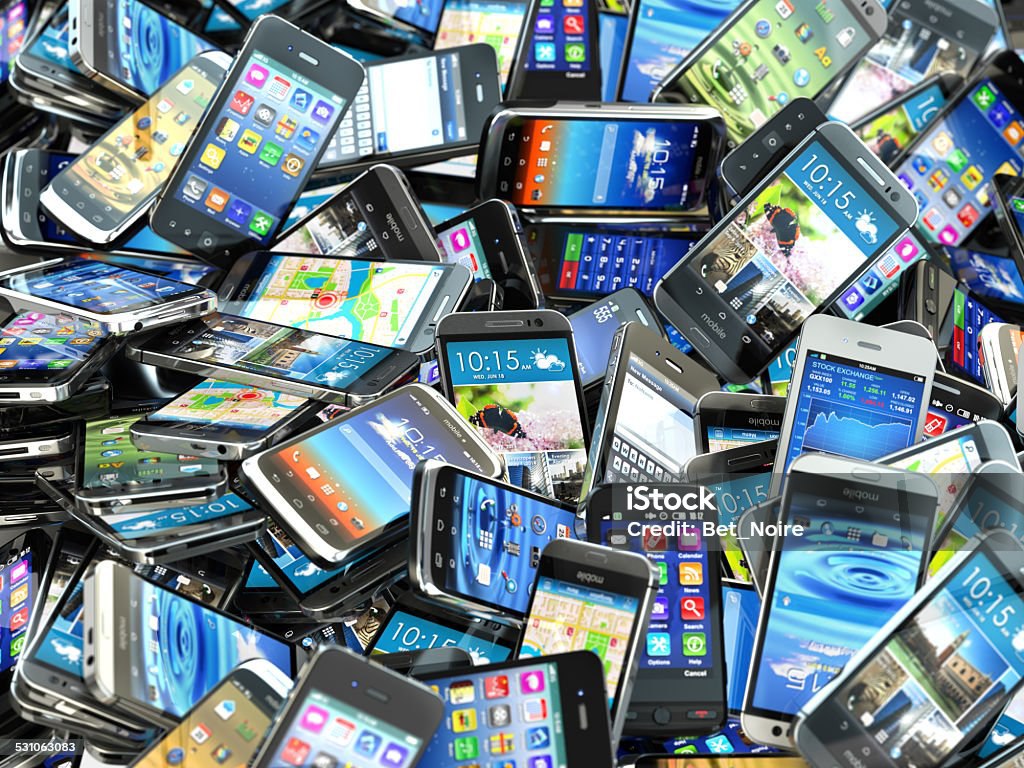
Kazakhstan's Ministry of Finance plans to amend regulations governing the volume of goods citizens may import for personal use without paying customs duties. According to a draft order published on the Open NPAs (Normative Legal Acts) website, individuals will be allowed to bring in no more than two new smartphones and two new tablets per year, duty-free, from outside the Eurasian Economic Union (EAEU). The proposed changes, open for public discussion until April 22, also cap duty-free imports at one new laptop, one new bicycle, one baby stroller, and one car per person annually. All restrictions apply exclusively to newly manufactured goods in factory packaging. Used versions of these items, except for cars, will not be subject to quantity limits. Additionally, individuals may import up to five pieces of jewelry and one item of fur clothing (including headwear) per year, provided each item differs by name, size, or style. These restrictions are part of a broader effort by authorities to curb the illegal import and resale of consumer goods, especially smartphones. As The Times of Central Asia reported earlier this year, Kazakhstan intensified efforts in March to clamp down on the smuggling of smartphones into the domestic market. The new limits on personal-use imports are a key part of this crackdown. However, questions remain as to why the regulations do not cover used smartphones, which are also commonly trafficked through unofficial channels.

Trump’s Tariff Blitz Targets Global Imports, Kazakhstan Faces Harshest Impact in Central Asia

U.S. President Donald Trump has announced sweeping new tariffs on all goods imported into the United States, citing the need to protect American industry and jobs. Speaking at a White House press conference, Trump outlined a base tariff rate of 10% that will apply to 185 countries. However, several nations and blocs face significantly higher rates: China will see a 34% tariff, the European Union 20%, Switzerland 31%, and Israel 17%. The steepest tariffs were imposed on Vietnam (46%), Cambodia (49%), and Laos (48%). Notably absent from the list are Russia, Belarus, Mexico, Iran, Canada, and Belarus. Ukraine, however, will face the base 10% rate. Kazakhstan Hit with 27% Tariff The new U.S. duties also target Central Asian nations. According to a comparative chart published by the White House, Uzbekistan, Turkmenistan, Tajikistan, and Kyrgyzstan will face 10% tariffs on their exports to the U.S. Meanwhile, Kazakhstani goods will be subject to a much higher rate of 27%. The White House document notes that Kazakhstani imports currently face a 54% tariff in Kazakhstan, figures that surprised local analysts, who have questioned the methodology behind the calculations. The rationale for the elevated rate on Kazakhstan remains unclear. However, the country's Ministry of Trade and Integration has initiated consultations with his U.S. counterparts to explore options for exempting certain goods. According to a preliminary analysis, many of Kazakhstan’s key exports fall under exceptions outlined in U.S. regulations. “In 2024, trade turnover between Kazakhstan and the United States amounted to $4.2 billion,” the ministry stated. “Kazakhstan's primary exports to the U.S. - crude oil, uranium, silver, and ferroalloys - constitute 92% of total exports and are included in the exemption list under the U.S. President’s decree on reciprocal tariffs.” Turning Tariffs Into Opportunities Despite the steep new tariffs, some experts believe the impact on Kazakhstan will be limited. Financial analyst Rasul Rysmambetov argues that Kazakhstan’s marginal role in global trade dynamics shields it from major economic fallout. “The real battle is between the U.S. and the world’s largest economies, China and the EU,” Rysmambetov wrote on his Telegram channel. “Our trade with the U.S. accounts for less than 1% of Kazakhstan’s total foreign trade. Even with a 27% tariff, the effect will be negligible.” Rysmambetov noted that Kazakhstan exported over $2 billion worth of goods to the U.S. in 2024, while imports totaled $1 billion, maintaining a trade surplus for the tenth consecutive year. “We’re on the tariff list, but it’s mostly symbolic,” he added, emphasizing that Kazakhstan’s exports largely consist of strategic materials. Rysmambetov also sees potential upsides: countries facing new duties may seek alternative markets, possibly offering Kazakhstan better terms on imports such as equipment, metals, vehicles, and construction materials. “Global trade tensions can open windows of opportunity, for strategic borrowing, better equipment deals, and expanded exports. But quick action is key,” he concluded. International Backlash The U.S. move drew swift condemnation from European Commission President Ursula von der Leyen, who called the policy a “severe blow to the global economy.” “Uncertainty will...