• KZT/USD = 0.00213
  • TJS/USD = 0.10830
  • UZS/USD = 0.00008
  • TMT/USD = 0.29850
  • KZT/USD = 0.00213
  • TJS/USD = 0.10830
  • UZS/USD = 0.00008
  • TMT/USD = 0.29850
  • KZT/USD = 0.00213
  • TJS/USD = 0.10830
  • UZS/USD = 0.00008
  • TMT/USD = 0.29850
  • KZT/USD = 0.00213
  • TJS/USD = 0.10830
  • UZS/USD = 0.00008
  • TMT/USD = 0.29850
  • KZT/USD = 0.00213
  • TJS/USD = 0.10830
  • UZS/USD = 0.00008
  • TMT/USD = 0.29850
  • KZT/USD = 0.00213
  • TJS/USD = 0.10830
  • UZS/USD = 0.00008
  • TMT/USD = 0.29850
  • KZT/USD = 0.00213
  • TJS/USD = 0.10830
  • UZS/USD = 0.00008
  • TMT/USD = 0.29850
  • KZT/USD = 0.00213
  • TJS/USD = 0.10830
  • UZS/USD = 0.00008
  • TMT/USD = 0.29850
06 August 2026

Viewing results 1 - 6 of 2

Kazakhstan and China Launch IBI Digital Economy Hub in Almaty

Kazakhstan and China have opened the IBI Digital Economy Hub in Almaty, establishing a new platform aimed at expanding bilateral cooperation in digital trade, investment, industrial development, and cross-border logistics. According to Kazakhstan’s Ministry of Trade and Integration,the new hub is designed to serve as a focal point for cooperation in the digital economy, e-commerce, trade, investment, industrial collaboration, and transport and logistics between the two countries. The opening ceremony was attended by Vice Minister of Trade and Integration Aidar Abildabekov, along with representatives of government agencies from Kazakhstan and China, development institutions, national companies, financial organizations, and private businesses. Officials said the platform would help companies from both countries develop joint investment projects and connect with international partners. It is also intended to expand digital commerce and online services while improving cross-border supply chains. The hub will support industrial cooperation and transport and logistics projects. It will also help companies deploy technology and localize production, with better access to markets in both countries. A central component of the initiative is the development of a large high-tech industrial park, which is expected to be built in phases over the next five to eight years. Potential locations include the Zhambyl, Almaty, and Karaganda regions, as well as the Khorgos International Centre for Boundary Cooperation on the Kazakhstan-China border. Infrastructure investment in the project is estimated at $2 billion. Once fully operational, the industrial park is expected to generate more than $10 billion in annual economic activity, while the joint venture managing the project is projected to earn more than $1 billion in annual revenue. Between five and ten major industrial and manufacturing companies are expected to become anchor tenants. Speaking at the launch, Abildabekov pointed to record growth in bilateral trade. “Trade between Kazakhstan and China reached a record $48.7 billion in 2025. During the first five months of 2026, bilateral trade totaled $22 billion, up 27% year-on-year. Our task now is not only to increase trade volumes but also to improve their quality through digitalization, industrial cooperation, and the creation of modern production and logistics chains,” he said. Abildabekov described the IBI headquarters as an important addition to the digital infrastructure supporting international trade and investment. "We see this project not simply as an expansion of Chinese business in Kazakhstan, but as a contribution to the development of the country's digital ecosystem. The new platform will become an effective center for cooperation between government, business, and the expert community, helping implement joint projects and introduce advanced digital solutions," he added. China remains one of Kazakhstan’s largest trading and investment partners. According to the Ministry of Trade and Integration, Chinese foreign direct investment reached a record $2.826 billion in 2025, while cumulative Chinese investment in Kazakhstan since 1993 has exceeded $30.7 billion. The hub adds a commercial element to Kazakhstan’s technology ties with China. As previously reported by The Times of Central Asia, President Kassym-Jomart Tokayev offered Astana as the venue for the first meeting of the World AI Cooperation Organization...

Tajikistan’s Irrigation Plans Require Major Upgrades

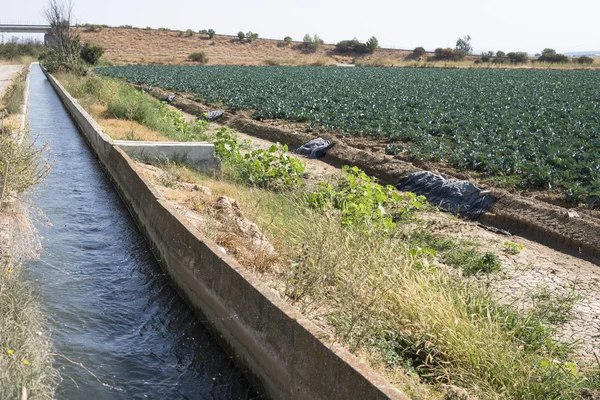
Tajikistan has the potential to become the irrigation center of Central Asia but only if it undergoes extensive modernization. This conclusion comes from a joint report by the Eurasian Development Bank (EDB) and the United Nations Industrial Development Organization (UNIDO). Industrial and Economic Potential The report highlights Tajikistan’s capacity to develop into a regional production and maintenance hub for irrigation equipment. Key advantages include affordable electricity, a readily available labor force, and a strategic geographic location. These factors position the country to play a central role in an emerging regional irrigation cluster. The southern provinces of Khatlon and Sughd are identified as particularly promising for industrial development. Proposed projects include manufacturing facilities for plastic pipes and components for drip and sprinkler systems, alongside service centers for pump repair. Investment requirements for such facilities range from $3-5 million, with a projected payback period of just 2-3 years. However, the report underscores the pressing need to overhaul the existing infrastructure. Approximately 77% of Tajikistan’s irrigation systems require reconstruction. Of the country’s 720,000 hectares of irrigated farmland, nearly 60% must be restored. Additionally, 80% of pumping stations are considered outdated, and water losses due to technical inefficiencies reach 45%. Without significant upgrades, the system will likely struggle to meet growing climatic and demographic pressures. To support the irrigation sector’s long-term viability, the report calls for the annual training of at least 3,000 specialists. Training one professional to international standards costs between $1,200 and $1,800. The authors stress the importance of state investment in vocational education and greater collaboration between educational institutions and industry. Tajikistan as a Regional Logistics Bridge Tajikistan also has the potential to serve as a strategic logistics hub. Its southern regions could facilitate transport between Central Asia, Afghanistan, Iran, and Pakistan, cutting shipping costs and improving equipment access in remote areas. Realizing this vision will require a strong state role, including tax incentives, subsidies, and streamlined investment procedures. International donor participation is equally vital. Currently, nearly 90% of irrigation equipment used in the region is imported, adding up to 30% in logistics costs. While cluster-based industrial development has proven effective in other Central Asian countries, boosting enterprise productivity by 15-20% within two to three years, Tajikistan still trails behind. In contrast to Uzbekistan, which has over 90 cotton and textile clusters, much of Tajikistan’s agricultural output undergoes minimal processing. Regional Water Reform Needs $50 Billion The report concludes by emphasizing that water supply issues extend beyond Tajikistan. Across Central Asia, agriculture accounts for up to 80% of water usage. Losses from open canals reach 50%, and over 30% of irrigated land is affected by salinization. To address these challenges by 2040, the region will require $40-50 billion in investment for infrastructure upgrades, digitization, and a transition to closed irrigation systems. “Without urgent modernization of the irrigation system, the region risks facing serious water shortages, lower crop yields, and increased social instability,” the authors warn.