• KZT/USD = 0.00222
  • TJS/USD = 0.10820
  • UZS/USD = 0.00009
  • TMT/USD = 0.29760
  • KZT/USD = 0.00222
  • TJS/USD = 0.10820
  • UZS/USD = 0.00009
  • TMT/USD = 0.29760
  • KZT/USD = 0.00222
  • TJS/USD = 0.10820
  • UZS/USD = 0.00009
  • TMT/USD = 0.29760
  • KZT/USD = 0.00222
  • TJS/USD = 0.10820
  • UZS/USD = 0.00009
  • TMT/USD = 0.29760
  • KZT/USD = 0.00222
  • TJS/USD = 0.10820
  • UZS/USD = 0.00009
  • TMT/USD = 0.29760
  • KZT/USD = 0.00222
  • TJS/USD = 0.10820
  • UZS/USD = 0.00009
  • TMT/USD = 0.29760
  • KZT/USD = 0.00222
  • TJS/USD = 0.10820
  • UZS/USD = 0.00009
  • TMT/USD = 0.29760
  • KZT/USD = 0.00222
  • TJS/USD = 0.10820
  • UZS/USD = 0.00009
  • TMT/USD = 0.29760
13 September 2026

Viewing results 1 - 6 of 74

Breaking Old Ties: Central Asia’s Delicate Dance Between Russia and the West

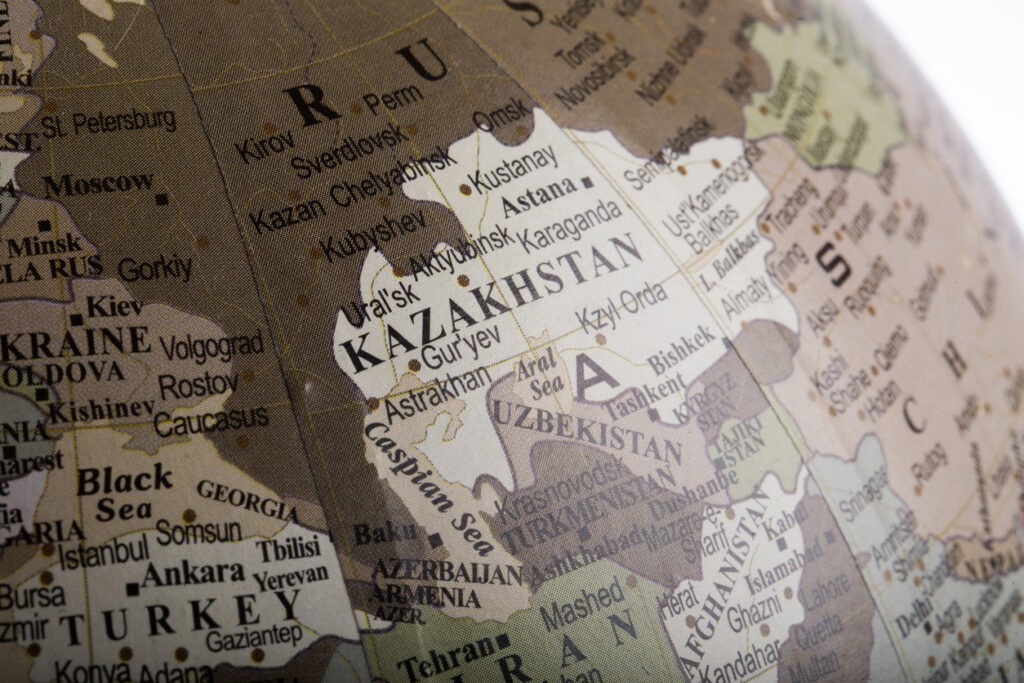
Central Asian countries are increasingly asserting their independence in foreign policy, distancing themselves from traditional centers of global influence. Recent developments highlight a nuanced balancing act as states in the region navigate growing tensions between Russia and the West. Kyrgyzstan Pushes Back In Kyrgyzstan, the recent arrest of Natalya Sekerina, an employee of the Russian House in Osh, marked a notable assertion of sovereignty. Sekerina was detained under Part 1 of Article 416 of the Criminal Code of the Kyrgyz Republic, which pertains to the recruitment, financing, and training of mercenaries for armed conflict or attempts to overthrow state authority. Earlier, Sergei Lapushkin, an employee of Osh city hall, and two others were also detained in connection with the case.  All suspects were later placed under house arrest. Nevertheless, the arrests are seen by observers as a clear signal that Kyrgyzstan is not simply aligning with Russian policy, despite its economic dependence on Moscow, particularly due to labor migration. The move was reportedly a response to the April 17 detention of over 50 Kyrgyz nationals in a Moscow bathhouse, where Russian security forces allegedly used excessive force. The Kyrgyz Ministry of Foreign Affairs issued a formal note of protest. Russia later stated that the detainees were in the country illegally and some were suspected of links to radical groups.  At the same time, Kyrgyzstan is scrutinizing Western influence as well. In February, U.S. President Donald Trump announced funding cuts and a wind-down of the U.S. Agency for International Development (USAID). The announcement triggered debate in Kyrgyzstan, where some voices argued that while USAID had supported civil society, it also fostered instability and economic dependency. Critics claim the agency promoted Western values and helped establish a network of NGOs that played outsized roles in the country’s politics.  Kazakhstan and Uzbekistan Seek Equilibrium In Kazakhstan, USAID also came under fire. Parliamentary Deputy Magherram Magherramov criticized the agency for promoting what he described as values alien to Kazakh society, referencing controversial events such as women’s rights marches and LGBTQ+ parades in Almaty. He called for a formal review of foreign-funded NGOs.  Meanwhile, Uzbekistan witnessed a diplomatic rift during an April visit by Russian Foreign Minister Sergey Lavrov to the “Grieving Mother” memorial in Samarkand. Lavrov commented on the absence of a Russian-language inscription, provoking widespread backlash on Uzbek social media. Sherzodkhon Kudratkhodzha, rector of the University of Journalism and Mass Communications, responded sharply: “We are not their colony.” He also cited ongoing discrimination against Uzbek migrants in Russia, which, he argued, has been met with silence from Russian officials.  A More Independent Foreign Policy Central Asian nations are increasingly holding intra-regional and international meetings, often excluding Russia. On April 25, intelligence chiefs from the region gathered in Tashkent to coordinate on regional security threats.  The following day, a meeting of foreign ministers from Central Asia and China took place in Almaty. It was attended by Kazakh Foreign Minister Murat Nurtleu, Chinese Foreign Minister Wang Yi, and counterparts from Kyrgyzstan, Tajikistan, Uzbekistan, and a...
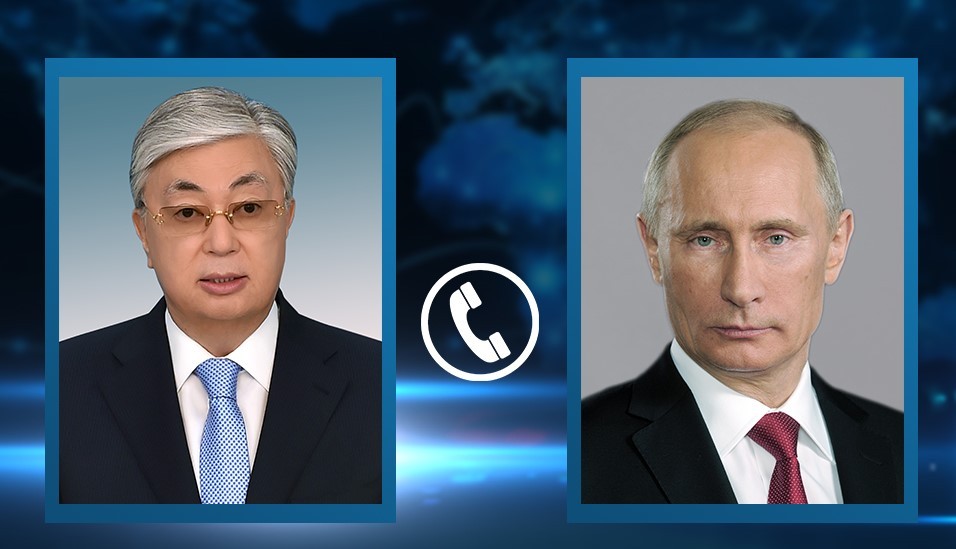
Putin Briefs Tokayev on U.S.-Russia Talks About Possible Ukraine Deal

Russian President Vladimir Putin has updated Kazakh President Kassym-Jomart Tokayev on U.S.-Russian talks, which have focused in recent weeks on trying to reach a settlement in the war in Ukraine. Putin and Tokayev spoke by telephone on Thursday, according to the offices of the two leaders. In the conversation, Putin “shared his assessments of the progress achieved in the dialogue between Russia and the United States,” the Kremlin said without providing details. It said the two men also discussed preparations for the May 9 commemoration in Moscow of victory over Nazi Germany in World War II, adding that Tokayev is expected to attend. Kazakhstan’s presidency said that Putin and Tokayev talked about topics including joint energy projects and “exchanged views on current international issues,” a possible reference to talks on the Ukraine war. U.S. envoy Steve Witkoff discussed Ukraine with Putin in St. Petersburg last week. American and Russian officials also negotiated in Saudi Arabia in February, in the first face-to-face meeting between the two countries since Russia launched a full-scale invasion of Ukraine three years earlier. Ukraine and its European allies fear the United States favors Russian negotiating positions, while Russia has ramped up accusations that some European countries are undermining any progress toward a settlement. The two sides remain far apart on key issues and U.S. President Donald Trump has expressed frustration over a conflict that he had said he would quickly resolve. Kazakhstan and other Central Asian countries have tried to maintain a publicly neutral stance in the conflict. Tokayev, in particular, has emphasized the need for dialogue and welcomed a lengthy call last month between Putin and Trump. Another international priority for Kazakhstan is how to navigate Trump administration tariffs, and the government plans to send a delegation to Washington to negotiate.

Kyrgyz-Tajik Border Agreement Seeks to End Years of Hostility

Kyrgyzstan and Tajikistan signed an agreement on March 13 that aims to put an end to tensions that have made their border the deadliest area in Central Asia for more than a decade. Underscoring the significance of this breakthrough was Tajikistan President Emomali Rahmon making his first state visit in nearly twelve years to the Kyrgyz capital Bishkek to sign the deal on the delimitation of the Kyrgyz-Tajik border. A Long-Standing Dispute Marking the border in the mountainous, sparsely inhabited eastern section of the two countries’ border was not difficult, and by 2011, some 520 kilometers had been demarcated. Reaching a final agreement on the western 487 kilometers, located in the Ferghana Valley and more densely populated, however, was far more complicated due to roads and canals that passed through both countries’ territories. Rahmon’s visit in May 2013 came a month after hundreds of residents of border communities clashed near the Kyrgyz village of Ak-Sai and Tajikistan’s Vorukh enclave. Such incidents were increasing, though at that time they were limited to fistfights, throwing sticks and stones, and vandalism of property, usually vehicles. In May 2013, Rahmon and then Kyrgyz President, Almazbek Atambayev, discussed measures to ease tensions along the border, but along the frontier, the meeting of the two presidents in the Kyrgyz capital made little difference. In January 2014, a Kyrgyz construction crew started work on a bypass road around the Tajikistan’s Vorukh enclave, and an argument broke out between border guards of the two countries. Insults led to an exchange of fire, during which Tajik border guards reportedly used grenade launchers and mortars. Five Kyrgyz and two Tajik border guards were wounded in the fighting. It was the first time weapons were used during border conflicts, but from that time on, disputes increasingly involved gunfire, increasing the number of casualties and sometimes resulting in deaths. Both governments sent additional troops and military equipment to the border area, adding fuel to the fire. On July 26, 2019, four days after another clash near the Vorukh enclave left one person dead and 27 injured, Rahmon met with then-Kyrgyz President Soronbai Jeenbekov in the Vorukh enclave. Again, there were promises of new steps to defuse tensions and hasten an agreement on border delimitation, but as had happened previously, it was not long before fights erupted, adding to the growing casualty list along the Kyrgyz-Tajik border. From Bad to Worse On April 28, 2021, Kyrgyz villagers spotted a group of Tajik citizens setting up a camera on a water intake station near the Kyrgyz village of Kok-Tash. An argument quickly led to large-scale clashes that spread along several sections of the Kyrgyz-Tajik border. Armed forces from the two countries used heavy machine guns, mortars, and armored vehicles. Tajikistan even sent helicopter gunships to attack one area in Kyrgyzstan. The fighting only lasted two days, but when it was over, 54 people were dead, hundreds were wounded, thousands were forced to flee the area, and there was damage to homes and other buildings....

Mirziyoyev Invites Trump to Visit Uzbekistan

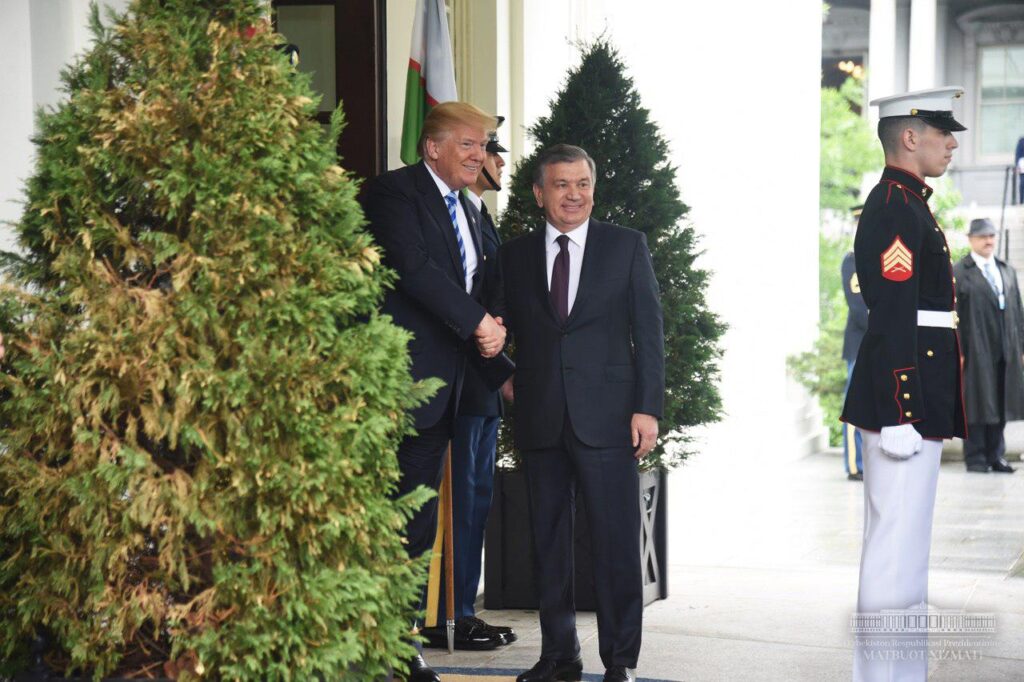
Uzbekistan’s President Shavkat Mirziyoyev has extended his congratulations to Donald Trump on his inauguration as the 47th President of the United States by inviting him to visit Uzbekistan. Mirziyoyev's press secretary, Sherzod Asadov, made the announcement. Republican candidate Donald Trump won the November 2024 U.S. presidential election and was sworn into office on January 20, 2025. In his congratulatory letter, Mirziyoyev expressed confidence that the United States, under Trump’s leadership, would continue to enhance its global influence and prestige. He commended the country’s economic strength and vital role in international affairs. The letter also highlighted Uzbekistan’s appreciation for the United States’ consistent support of its independence, sovereignty, and territorial integrity. Mirziyoyev voiced optimism for a new era of strategic partnership between the two nations during Trump’s presidency. He stressed the importance of deepening bilateral ties and expanding collaboration through bilateral and multilateral platforms. President Mirziyoyev also invited Trump to visit Uzbekistan, a gesture aimed at strengthening the relationship between the two countries. Mirziyoyev visited the United States in 2018 during Trump’s previous term as president. When the two leaders met at the White House, Trump remarked on Uzbekistan’s growing influence: “The authority of Uzbekistan is growing. It’s an honor for us to meet with you in the White House.” In addition to Uzbekistan, other Central Asian leaders congratulated Trump on his inauguration. Kazakhstan’s President Kassym-Jomart Tokayev sent a telegram expressing confidence in the continued development of mutually beneficial cooperation between Kazakhstan and the United States, particularly concerning energy, nuclear non-proliferation, and international security.

Diplomacy in Detail: Where Each Central Asian Leader Traveled to in 2024

Central Asia is often synonymous with the term "multi-vector foreign policy," enabling its nations to navigate the competing interests of global and regional powers effectively. This "open door" strategy, grounded in the principle of "my friend's friend is my friend," has consistently granted Central Asian countries a distinctive role on the international stage, aiding them in achieving their foreign policy objectives despite shifting geopolitical dynamics. Drawing from official sources, we analyze the frequency and geography of foreign visits by the leaders of Central Asia in 2024, offering insights into their diplomatic engagements. Turkmenistan President Serdar Berdimuhamedov embarked on eight foreign trips in 2024. Among these, only one - a bilateral visit to Malaysia - was not tied to multilateral events. The other seven engagements showcased Turkmenistan’s participation in global diplomacy: XVI BRICS Summit (Kazan) CIS Heads of State Summit (Moscow) Victory Day Celebration (Moscow) Informal CIS Leaders' Meeting (St. Petersburg) Central Asia-Germany Summit (Astana) Sixth Consultative Meeting of Central Asian Leaders (Astana) UN COP28 Conference (Dubai) This year, Berdimuhamedov visited Russia four times, and Kazakhstan twice, and made single trips to the UAE and Malaysia. In parallel, his father and the previous president, Gurbanguly Berdimuhamedov, conducted 10 trips, including four bilateral visits to the UAE and Tajikistan and two to Iran. His international commitments included: One Water Summit (Riyadh) Turkic States’ Council of Elders (Budapest) V World Nomad Games Opening Ceremony (Astana) SCO Summit (Astana) Russia-Islamic World: KazanForum (Kazan) Antalya Diplomatic Forum (Antalya) Tajikistan President Emomali Rahmon undertook 22 foreign trips in 2024, six of which were bilateral, with visits to Russia, Iran, Azerbaijan, Italy/Vatican, and Qatar (twice). Multilateral engagements included: CSTO Summit (Astana) Central Asia-Germany Summit (Astana) Sixth Consultative Meeting of Central Asian Leaders (Astana) SCO Plus Meeting (Astana) COP29 Climate Conference (Baku) Arab-Islamic Extraordinary Summit (Riyadh) UN COP28 Conference (Dubai) UN General Assembly (New York) Uzbekistan President Shavkat Mirziyoyev made 18 international visits, including state visits to Turkey, China, and Tajikistan. He participated in numerous events: COP29 Climate Conference (Baku) Turkic States Informal Summit (Shusha) Arab-Islamic Summit (Riyadh) UN COP28 Conference (Dubai) SCO Meeting (Astana) BRICS+ Summit (Kazan) Kazakhstan President Kassym-Jomart Tokayev led the region in diplomatic outreach with 23 visits. Eleven of these were state visits to Hungary, Serbia, France, Italy/Vatican, Qatar, Azerbaijan, Armenia, Tajikistan, Mongolia, and Singapore. Key multilateral events included: Doha Forum (Doha) One Water Summit (Riyadh) COP29 Climate Conference (Baku) Boao Forum (Boao) Tokayev visited Russia five times, and Azerbaijan three times, and made additional trips to Saudi Arabia, UAE, and other countries in Europe and Asia. Kyrgyzstan President Sadyr Japarov also made 23 foreign visits, including eight state visits to South Korea, Uzbekistan, Kazakhstan, Azerbaijan, Belgium, Germany, Austria, and Italy/Vatican. He attended numerous multilateral forums: CSTO Summit (Astana) Central Asia-Germany Summit (Astana) UN COP28 Conference (Dubai) BRICS+ Summit (Kazan) Japarov visited Russia five times, and Kazakhstan four times, and made single trips to several European and Asian countries. In 2024, Tokayev and Japarov led the region in the number of foreign visits. While...

Kazakhstan to Become a BRICS Partner on January 1, 2025

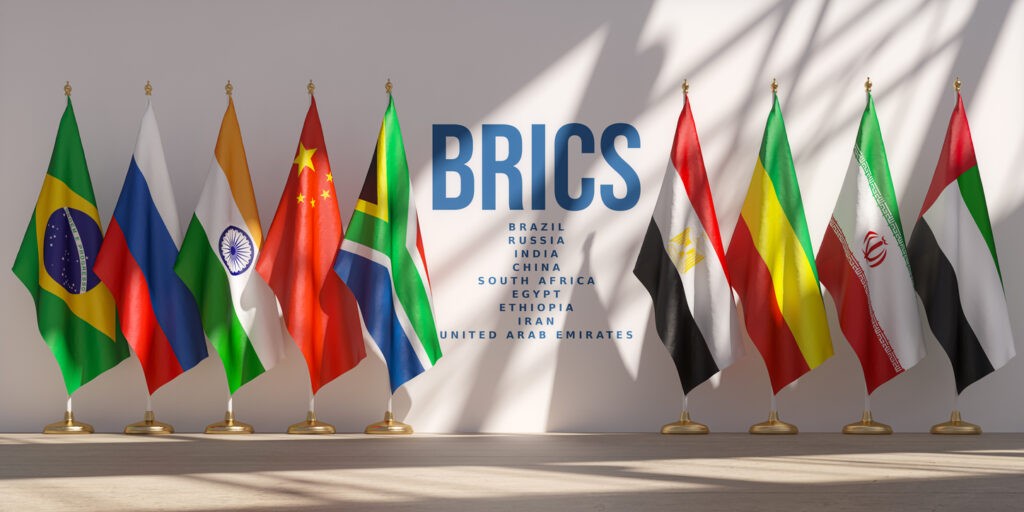
Kazakhstan will officially join BRICS as a partner state on January 1, 2025, according to Yuri Ushakov, an assistant to Russian President Vladimir Putin. Ushakov stated that Russia has received confirmation from several countries expressing readiness to become BRICS partners. “One of the important results of the BRICS summit in Kazan was the establishment of the category of BRICS partner countries and agreement on a list of 13 states. Appropriate invitations were sent to these states. Confirmations of readiness to become a BRICS partner state have been received from Belarus, Bolivia, Indonesia, Kazakhstan, Cuba, Malaysia, Thailand, Uganda, and Uzbekistan,” Ushakov announced​. Kazakhstan’s Position on BRICS Partnership Kazakhstan’s Ministry of Foreign Affairs has confirmed the country’s status as a BRICS partner state, effective from January 1, 2025​. However, the press secretary to Kazakh President Kassym-Jomart Tokayev, Berik Uali, previously stated that the country does not plan to seek full BRICS membership in the foreseeable future. Uali cited the multi-stage application process and considerations regarding the association's development prospects as reasons for this decision​. BRICS, comprising Brazil, Russia, India, China, and South Africa, aims to promote economic, political, and cultural cooperation among member states. As a partner, Kazakhstan will engage with BRICS without taking on the obligations or privileges of full membership. This development marks a significant step in Kazakhstan’s international engagement strategy while reflecting its cautious approach to deeper involvement in the bloc.