• KGS/USD = 0.01143 0%
  • KZT/USD = 0.00205 0%
  • TJS/USD = 0.10724 0.09%
  • UZS/USD = 0.00008 0%
  • TMT/USD = 0.28571 0%
  • KGS/USD = 0.01143 0%
  • KZT/USD = 0.00205 0%
  • TJS/USD = 0.10724 0.09%
  • UZS/USD = 0.00008 0%
  • TMT/USD = 0.28571 0%
  • KGS/USD = 0.01143 0%
  • KZT/USD = 0.00205 0%
  • TJS/USD = 0.10724 0.09%
  • UZS/USD = 0.00008 0%
  • TMT/USD = 0.28571 0%
  • KGS/USD = 0.01143 0%
  • KZT/USD = 0.00205 0%
  • TJS/USD = 0.10724 0.09%
  • UZS/USD = 0.00008 0%
  • TMT/USD = 0.28571 0%
  • KGS/USD = 0.01143 0%
  • KZT/USD = 0.00205 0%
  • TJS/USD = 0.10724 0.09%
  • UZS/USD = 0.00008 0%
  • TMT/USD = 0.28571 0%
  • KGS/USD = 0.01143 0%
  • KZT/USD = 0.00205 0%
  • TJS/USD = 0.10724 0.09%
  • UZS/USD = 0.00008 0%
  • TMT/USD = 0.28571 0%
  • KGS/USD = 0.01143 0%
  • KZT/USD = 0.00205 0%
  • TJS/USD = 0.10724 0.09%
  • UZS/USD = 0.00008 0%
  • TMT/USD = 0.28571 0%
  • KGS/USD = 0.01143 0%
  • KZT/USD = 0.00205 0%
  • TJS/USD = 0.10724 0.09%
  • UZS/USD = 0.00008 0%
  • TMT/USD = 0.28571 0%

Viewing results 1 - 6 of 68

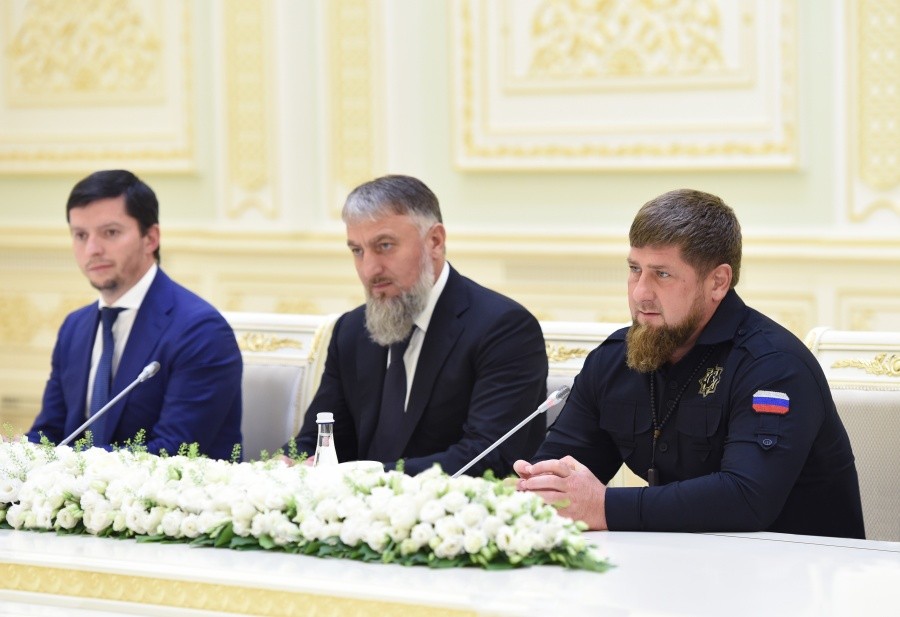
Tensions Rise as Uzbek Leaders Respond to Ramzan Kadyrov’s Remarks

Uzbekistan has placed two residents of Chechnya, Bislan Rasayev and Shamil Temirkhanov, on Interpol’s wanted list. The Times of Central Asia has previously reported that the two men are accused of multiple crimes, including a plot to assassinate Komil Allamjonov, the former head of President Shavkat Mirziyoyev's information policy department, and Dmitry Li, head of the National Agency for Prospective Projects (NAPP). Rasayev and Temirkhanov were reportedly offered $1.5 million for the assassinations. Chechnya's leader Ramzan Kadyrov has called the arrest warrants "fabrications". Kadyrov claims that pro-Western media are spreading baseless rumors about divisions within Mirziyoyev’s family as part of a larger effort to destabilize the country’s leadership. The attempt on Allamjonov's life is said to have taken place on October 26 outside his home in Tashkent’s Kibray district. According to Uzbek media, two unidentified individuals fired multiple shots at Allamjonov’s car before fleeing the scene. No injuries were reported. Opposition outlets speculated about a “Chechen connection,” suggesting Kadyrov’s possible involvement in the attack. In an earlier statement, Kadyrov said that “if I had really planned something, I would have completed it with a 100% result.” He also expressed skepticism about the investigation’s timeline, noting that Li was identified as a secondary target only months after the probe began. Kadyrov suggested that the case could be part of internal “behind-the-scenes games” orchestrated by certain groups. In response, Uzbek officials and lawmakers condemned Kadyrov’s statements and threats. Rasul Kusherbayev, a former deputy and adviser to the Minister of Ecology, described Kadyrov’s comments as terrorism. “Open threats to officials in Uzbekistan are terrorism. Those who make such statements or attempt such actions must be held accountable,” he said. Kusherbayev also criticized the Uzbek government for remaining silent in the face of these threats. “Why should the government of Uzbekistan remain silent? How long will we tolerate those who openly threaten us with chauvinistic views? The response should go beyond mere statements - it should involve concrete measures. If necessary, flights to Grozny should be canceled, and every Chechen citizen entering Uzbekistan should be strictly vetted,” he added. Odiljon Tojiyev, a deputy of Uzbekistan’s Legislative Chamber, similarly denounced Kadyrov’s interference in Uzbekistan’s internal affairs and his threats against Uzbek officials. He warned that such actions could harm relations between Uzbekistan and Chechnya. “I call on the Prosecutor General’s Office of the Russian Federation to assess Ramzan Kadyrov’s threats against Uzbek officials. Moreover, Kadyrov should issue a public apology to the people of Uzbekistan. If he is truly a friend, he should assist Uzbekistan’s Prosecutor General’s Office in locating and extraditing Bislan Rasayev and Shamil Temirkhanov,” Tojiyev stated. Kadyrov’s remarks and the allegations surrounding the assassination attempt have brought tensions between Uzbekistan and Chechnya into the spotlight. While Uzbekistan values its friendly relations with Russia and its regions, the controversy has prompted calls for firm action to protect the country’s sovereignty and ensure accountability.

Central Asia Braces for Return of Radical Islamists Amid Syrian Turmoil

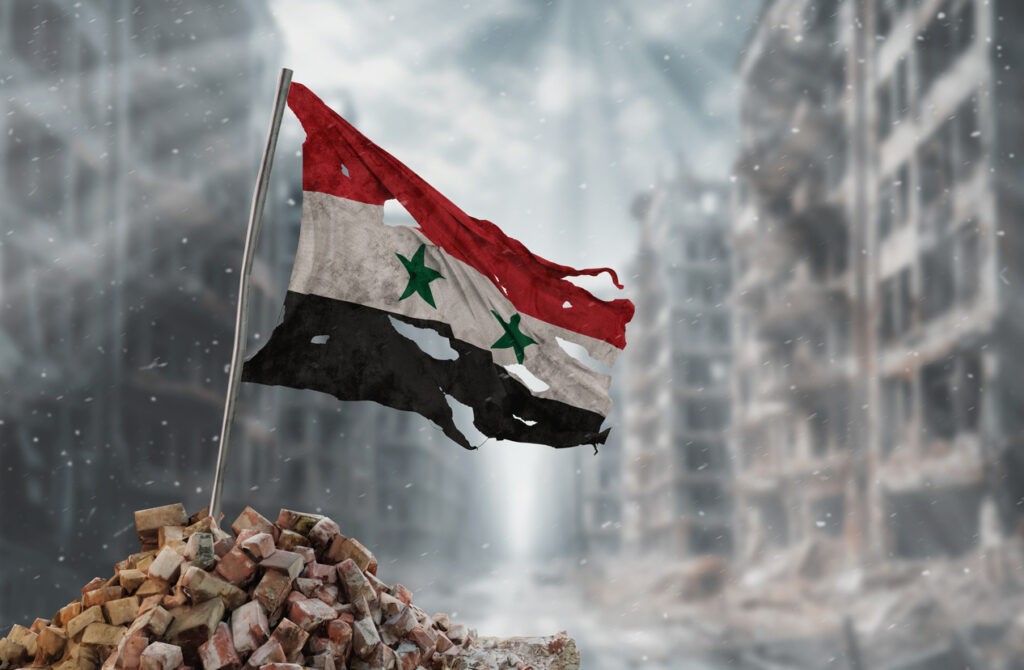
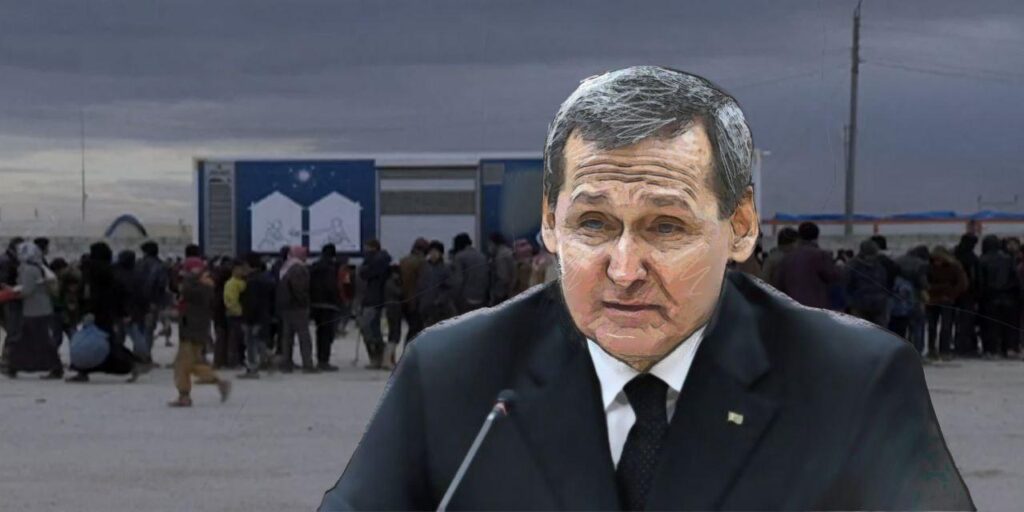
According to experts, the recent collapse of President Bashar al-Assad's regime in Syria raises concerns about potential destabilization in Central Asia. This development may force regional governments to repatriate citizens who were lured by Islamist propaganda, while the future of the Astana format negotiations on Syria remains uncertain. The swift coup d'état in Syria saw opposition forces capture Damascus and much of the country within days. Bashar al-Assad fled to Moscow, leaving a chaotic landscape dominated by the Islamist group Hayat Tahrir al-Sham, often described as a successor to ISIS and Al-Qaeda. The situation has plunged Syria into further instability. The Impact of Operation Zhusan Kazakhstan has firsthand experience dealing with the repercussions of Syria's instability. Between 2013 and 2017, hundreds of Kazakh citizens succumbed to Islamist propaganda, crossing borders illegally to join the conflict, often with their families. In response to the humanitarian crisis, Kazakhstan launched Operation Zhusan ("Wormwood") in January 2019 to repatriate citizens trapped in Syria. The operation, conducted in five stages and completed by February 2021, repatriated 607 citizens, 37 men, 157 women and 413 children (34 of whom were orphans). The government set up a rehabilitation center near Aktau on the Caspian Sea to provide treatment, restore documents, and offer vocational training for adults and education for children. All 37 repatriated men were detained and later convicted of terrorism-related activities, receiving sentences ranging between 6 and 14 years, whilst 18 women faced prosecution. Despite the operation’s success, many in Kazakhstan fear the returnees and their children might spread radical ideologies within the country. Lessons from the Region Other Central Asian countries have also grappled with the challenge of repatriating citizens from Syria. Bakhtiyor Babadjanov, an expert from the Institute for Strategic and Regional Studies under Uzbekistan’s president, detailed the experiences of Uzbek women lured to conflict zones. These women often found themselves deceived and abandoned in dire conditions, as described in an interview. "The 'happy caliphate' turned out to be a myth," Babadjanov explained, recounting stories of women and children abandoned without food or shelter during battles in Mosul. Survivors reported forced marriages, child abuse, and exploitation under the guise of religious duty. The Uncertain Future of the Astana Process Another significant connection between Central Asia and Syria has been the Astana process, a series of negotiations aimed at resolving the Syrian conflict. Since 2017, Kazakhstan has hosted 22 rounds of talks, including discussions on hostages, missing persons, and settlement efforts. However, the recent escalation in Syria casts doubt on the process. In late November and early December, armed opposition groups launched a large-scale offensive, capturing key cities, including Aleppo and Damascus. Despite this upheaval, Russian presidential spokesman Dmitry Peskov insisted the Astana process remains relevant as a platform for dialogue and consultation, notwithstanding the fact that Assad is now in Moscow. Heightened Risks of Destabilization Experts in Kazakhstan and Central Asia have warned that the fall of Assad's regime could lead to prolonged anarchy, ethnic and religious conflicts, and a refugee crisis. Political scientist,...

Harnessing Diplomacy: Qosh Tepa Canal as a Bridge to U.S. Influence in Central Asia

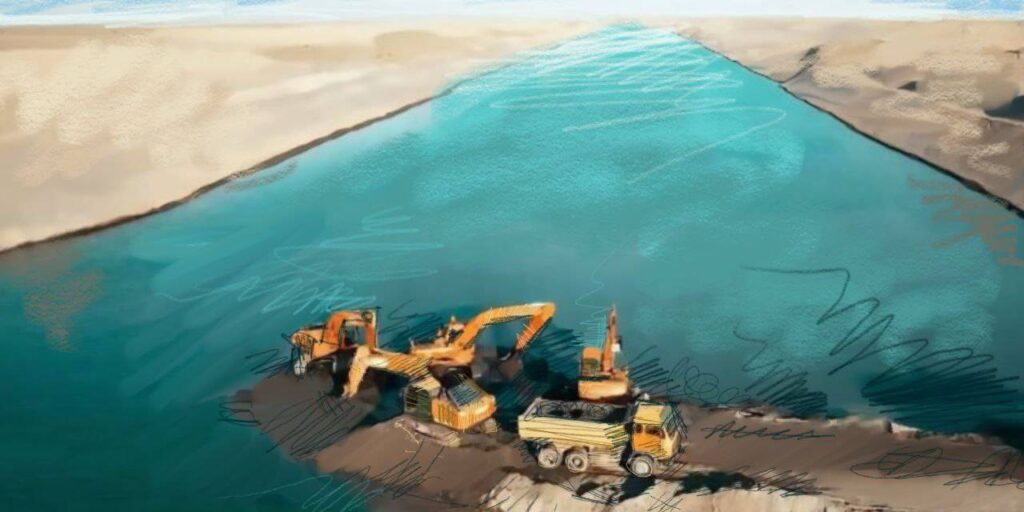
The Center for the National Interest, a Washington, D.C.-based think tank, has released a report titled Afghanistan’s Qosh Tepa Canal and Water Security in Central Asia. The report outlines how U.S. support for the Qosh Tepa Canal project could provide an opportunity for the incoming Trump administration to strengthen its influence in the region. Project Overview Currently under construction in northern Afghanistan, the Qosh Tepa Canal aims to divert water from the Amu Darya River to support agriculture and economic growth. The canal will stretch 287 kilometers, with a depth of 8.5 meters and an average width of 100 meters. Once completed, it will irrigate more than 1.2 million acres of farmland and generate approximately 200,000 jobs in northern Afghanistan. While the Taliban has championed the project as a cornerstone of Afghanistan’s development, the canal poses significant challenges for downstream countries reliant on the Amu Darya, particularly Uzbekistan and Turkmenistan. Concerns include potential water scarcity, environmental degradation, and heightened regional tensions. Implications for Central Asia The report highlights that the canal could exacerbate existing disputes over water allocation in a region already plagued by scarcity. Unlike its Central Asian neighbors, Afghanistan is excluded from water-sharing agreements rooted in the Soviet era. The poorly designed Soviet canals along the Amu Darya continue to undermine water security in the region decades after their construction, a fate experts hope to avoid with Qosh Tepa. Recommendations for U.S. Engagement The report urges the United States to seize this opportunity to engage Afghanistan and the broader region diplomatically and technically: 1. Support for a Well-Engineered Canal The United States should advocate for a well designed canal that prioritizes water-use efficiency. By offering technical assistance and backing the project in principle, the U.S. could pave the way for multilateral development banks, such as the World Bank, the European Bank for Reconstruction and Development, and the Asian Development Bank, to provide financial and technical support. 2. Promote Regional Water Diplomacy Washington should encourage negotiations for a regional water-sharing agreement among Afghanistan, Kazakhstan, Kyrgyzstan, Tajikistan, Turkmenistan, and Uzbekistan. 3. Assist Downstream States Additional investments in modernizing irrigation systems in Uzbekistan and Turkmenistan could mitigate the canal's impact on downstream water availability. Strategic Context The report underscores the geostrategic importance of Afghanistan and Central Asia, which border three of Washington’s primary global competitors: China, Russia, and Iran. By supporting the Qosh Tepa Canal project and fostering regional water-sharing cooperation, the U.S. could counterbalance the growing influence of Beijing, Moscow, and Tehran in the region. A Watershed Moment As construction progresses into its second phase, involving thousands of workers and heavy machinery, the Qosh Tepa Canal stands at the nexus of development and diplomacy. The report concludes that U.S. involvement in this critical project could serve not only to address Central Asia’s pressing water security challenges but also to reinforce Washington’s strategic position in one of the world’s most complex geopolitical arenas.

Kyrgyzstan’s Airlines Could Be Removed from EU Blacklist in 2025

Kyrgyzstan’s airlines may soon achieve a significant milestone by being removed from the European Union’s Air Safety List, which currently bans them from operating flights to Europe. Kyrgyz President Sadyr Japarov made this announcement on November 27 during a meeting in Berlin with Johan Pelissier, the head of Airbus Europe, where they discussed the future of Kyrgyzstan’s aviation sector. Japarov emphasized the government’s concerted efforts to enhance aviation safety, implement international standards, and modernize infrastructure. He expressed optimism that these measures have significantly improved the likelihood of lifting restrictions on Kyrgyz airlines. As part of these developments, Japarov highlighted the government’s support for the national carrier, Asman Airlines. Under an initial agreement with Airbus, the airline plans to lease two A320 or A321 aircraft to establish direct routes to Europe, including destinations such as Paris, Berlin, and London. This initiative marks a critical step toward integrating Kyrgyzstan into the global aviation network. Looking ahead, Kyrgyzstan aims to expand its fleet and deepen cooperation with Airbus, fostering stronger connections with the international aviation community. At the conclusion of the meeting, Japarov extended an invitation to Pelissier to visit Kyrgyzstan for further discussions with local aviation representatives. Background: A Longstanding Ban Kyrgyz airlines was added to the EU’s Air Safety List in 2006 after failing to meet international safety standards. This decision, based on assessments that the country’s legal framework did not adequately ensure flight safety, has prohibited Kyrgyz airlines from flying to EU destinations for over 18 years. The ban has had a profound impact on the aviation sector, limiting its operational scope and market reach. Efforts to address these shortcomings represent a turning point, with the potential removal from the blacklist signaling a new chapter for Kyrgyz aviation. If successful, this move could open up significant opportunities for growth and international collaboration.

Kazakhstan and Russia Strengthen Cooperation on North-South Transport Corridor

Kazakhstan Temir Zholy (KTZ), the country’s national railway company, and Russian Railways have signed a landmark agreement aimed at modernizing railway infrastructure at nine border stations, increasing capacity, and developing a unified digital system for transportation and cross-border operations. The agreement was signed on November 27 during Russian President Vladimir Putin's state visit to Kazakhstan. Enhancing Key Trade Corridors This cooperation seeks to boost the efficiency of trans-Eurasian transport corridors, with a particular focus on increasing cargo volumes along the East-West and North-South routes. The North-South corridor, connecting Kazakhstan, Russia, Turkmenistan, and Iran, has an annual capacity of 10 million tons of cargo. So far, 1.8 million tons have been transported along this route in 2024, and plans are underway to double its capacity to 20 million tons annually. On November 26, Kazakhstan’s Minister of Transport, Marat Karabayev, emphasized the strategic importance of the North-South corridor. In July, Kazakhstan agreed on a roadmap with Iran, Turkmenistan, and Russia for the synchronized development of this corridor. To attract cargo flow, Kazakhstan has introduced special transit tariff discounts of 50%. New Agreements and Digital Connectivity During Putin’s visit, another significant agreement was signed between KTZ, Xi'an Free Trade Port Construction and Operation Co., Ltd. (China), and JSC Slavtrans-Service (Russia). The deal focuses on constructing the CRK Terminal, a transport and logistics hub at the Selyatino railway station in the Moscow region. Additionally, the three parties agreed to jointly use the Unified Digital Platform along the Xi'an (China) - Dostyk/Altynkol (Kazakhstan) - Selyatino (Russia) route. The CRK Terminal and Digital Platform are expected to enhance cargo transportation efficiency and e-commerce between China, Kazakhstan, and Russia. Boosting Regional Logistics Kazakhstan Temir Zholy also signed a memorandum with the Russian transport and logistics group FinInvest LLC to construct a multimodal transport and logistics center in Astana. This center aims to increase the transit of Russian goods through Kazakhstan, further solidifying the country’s position as a regional logistics hub.

COP29: Environmental Initiatives in the Real World

Kazakhstan's President Kassym-Jomart Tokayev has addressed the World Climate Summit in Baku, Azerbaijan. In his speech he spoke about the country's environmental problems, but also mentioned opportunities for new eco-friendly projects. At the same time, many world leaders did not attend the summit, and activist Greta Thunberg said climate problems should be discussed at other venues. Tokayev reaffirmed Kazakhstan's commitment to the global climate agenda and emphasized the importance of international cooperation in the fight against climate change. He reminded forum participants that carbon neutrality by 2060 can only be achieved with close cooperation and technology exchange. “Access to predictable funding and state-of-the-art technology is vital to achieving the targets. The NCQG should pay special attention to regions most vulnerable to climate change, including landlocked developing countries. Despite accounting for only 1% of global emissions, Central Asia faces multiple climate risks. To increase efficiency, we must actively utilize advanced technologies such as artificial intelligence, satellite monitoring, and other digital tools to provide early warning and better management of water and land resources,” Tokayev said. Tokayev added that Kazakhstan has opportunities for transition to better agriculture. According to him, the republic, which has 200 million hectares of agricultural land, is an ideal platform for introducing “carbon farming." The president said these agricultural production methods can reduce emissions and improve soil quality. “Our country provides 43% of the world's uranium supply and plays a significant role in developing low-carbon nuclear power. In October this year, ROK citizens supported the construction of a nuclear power plant in a nationwide referendum. We strive to ensure the safety and efficiency of this project through partnership with the world's technological leaders in energy”, added Tokayev. He separately emphasized the problem of the world's water resources. “Climate change is already seriously impacting the global water cycle. Water-related disasters account for more than 80% of all natural disasters. This year, the ROK faces unprecedented floods. To respond quickly in the future and recover from such emergencies, we are implementing a comprehensive risk management system. In partnership with France, Kazakhstan will hold the One Water Summit in December to actualize the water agenda. Participants of this forum will discuss the problems of global water management,” Tokayev said. “Today, the Caspian Sea is under threat. Saving the world's largest lake is a problem that requires long-term international cooperation. We support President Ilham Aliyev's (Azerbaijan) initiative to create a group of experts from the Caspian littoral states. Additionally, Kazakhstan is taking concrete steps to preserve the Aral Sea,” he added. Also, within the framework of the World Climate Summit in Baku, an important agreement for Kazakhstan's water sector was signed. Deputy Prime Minister and Minister of National Economy Nurlan Baybazarov said the Islamic Development Bank will finance Kazakhstan's $1.1 billion project for water resources development, which will be realized in nine regions. Kazakhstan is not standing still Today, Kazakhstan has several major environmental projects in operation. These include the Astana Green Belt, which has significantly improved the city's ecology, reduced air...