• KGS/USD = 0.01144 0%
  • KZT/USD = 0.00206 0%
  • TJS/USD = 0.10799 0.09%
  • UZS/USD = 0.00008 0%
  • TMT/USD = 0.28490 0%
  • KGS/USD = 0.01144 0%
  • KZT/USD = 0.00206 0%
  • TJS/USD = 0.10799 0.09%
  • UZS/USD = 0.00008 0%
  • TMT/USD = 0.28490 0%
  • KGS/USD = 0.01144 0%
  • KZT/USD = 0.00206 0%
  • TJS/USD = 0.10799 0.09%
  • UZS/USD = 0.00008 0%
  • TMT/USD = 0.28490 0%
  • KGS/USD = 0.01144 0%
  • KZT/USD = 0.00206 0%
  • TJS/USD = 0.10799 0.09%
  • UZS/USD = 0.00008 0%
  • TMT/USD = 0.28490 0%
  • KGS/USD = 0.01144 0%
  • KZT/USD = 0.00206 0%
  • TJS/USD = 0.10799 0.09%
  • UZS/USD = 0.00008 0%
  • TMT/USD = 0.28490 0%
  • KGS/USD = 0.01144 0%
  • KZT/USD = 0.00206 0%
  • TJS/USD = 0.10799 0.09%
  • UZS/USD = 0.00008 0%
  • TMT/USD = 0.28490 0%
  • KGS/USD = 0.01144 0%
  • KZT/USD = 0.00206 0%
  • TJS/USD = 0.10799 0.09%
  • UZS/USD = 0.00008 0%
  • TMT/USD = 0.28490 0%
  • KGS/USD = 0.01144 0%
  • KZT/USD = 0.00206 0%
  • TJS/USD = 0.10799 0.09%
  • UZS/USD = 0.00008 0%
  • TMT/USD = 0.28490 0%

Viewing results 1 - 6 of

Kurultai Election Campaign Takes Shape in Parliament’s Final Budget Debate

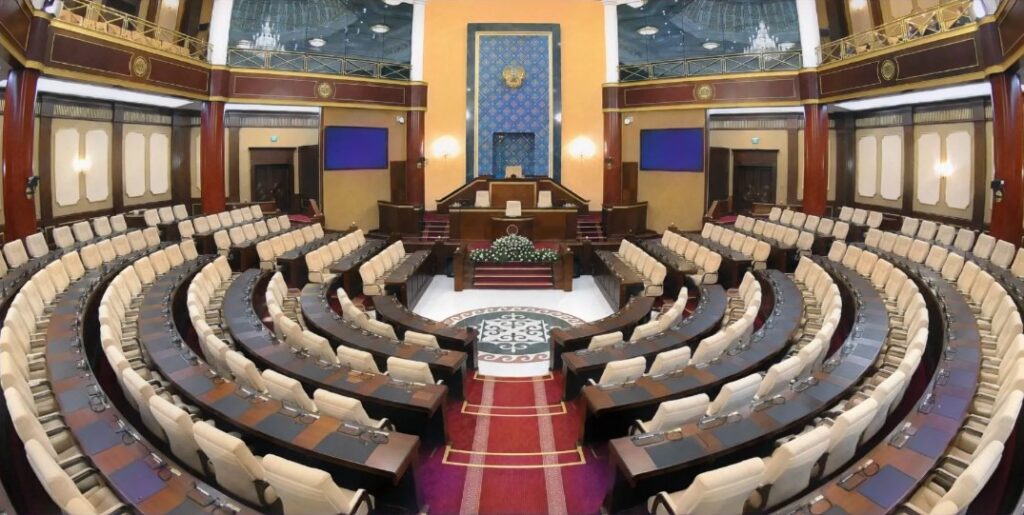
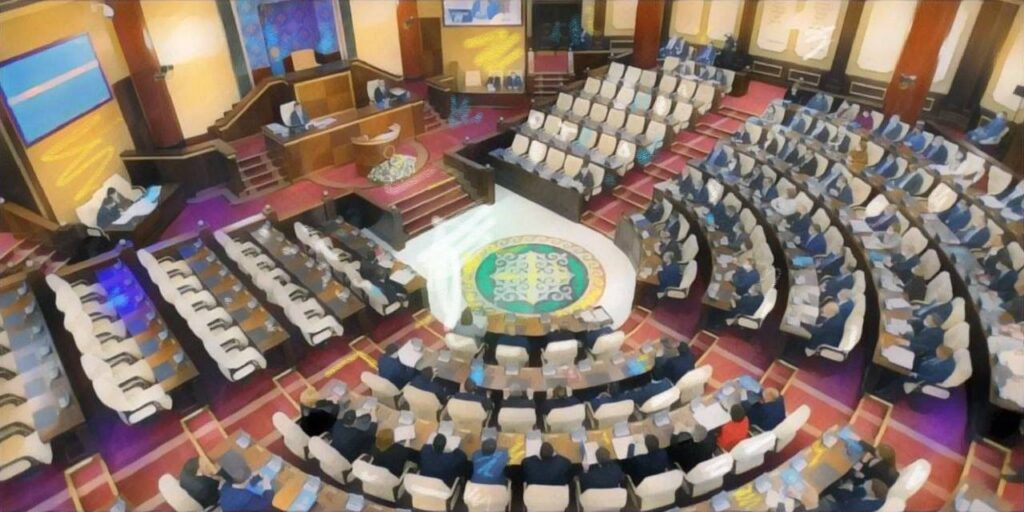
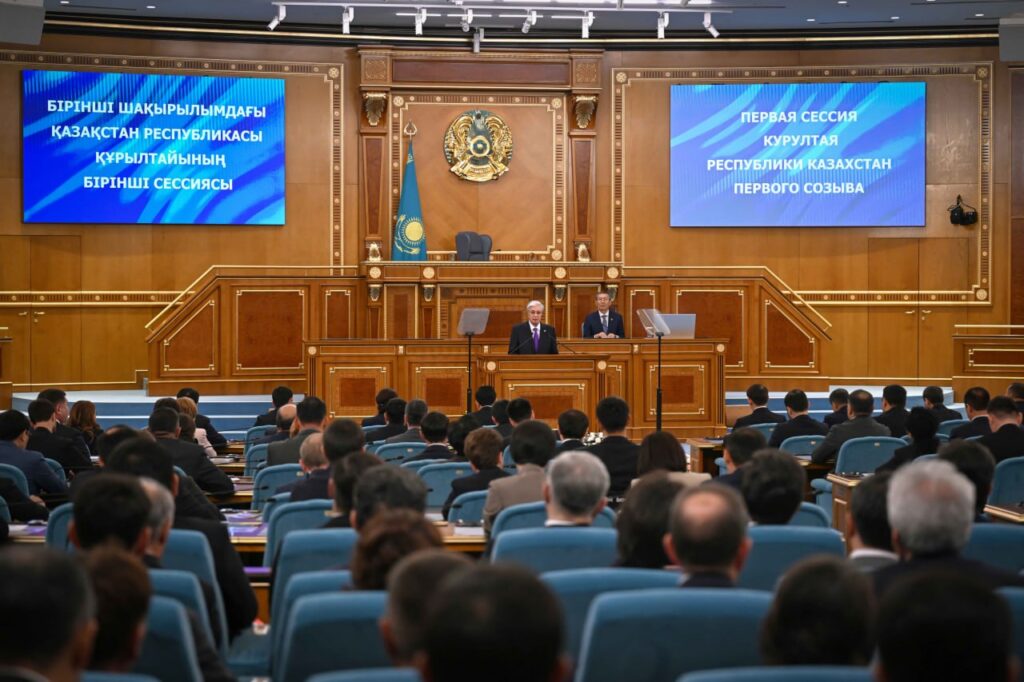
Kazakhstan's outgoing parliament spent one of its final sessions debating the government's management of the 2025 budget, in what often resembled a dress rehearsal for the country's first Kurultai election campaign. On July 1, Kazakhstan’s new constitution will enter into force, replacing the current Senate and Mazhilis with a single-chamber Kurultai. The new legislature will have 145 deputies elected through party lists, and elections are expected in August. No current deputy will transfer automatically into the new chamber. Those who want to remain in national politics will need a place on a party list and a fresh mandate. That gave the June 26 session an unusual political significance: would any outgoing deputies use the budget debate to make a final public break with the government? Some did put pointed questions to Prime Minister Olzhas Bektenov and Finance Minister Madi Takiyev as parliament reviewed and approved the reports of the government and the Supreme Audit Chamber on the execution of the republican budget for 2025. Finance Minister Madi Takiyev presented the figures in optimistic terms. According to him, Kazakhstan’s economy grew by 6.5% in 2025, while GDP increased by $14.7 billion in dollar terms. Meanwhile, public debt remains low at around 22.8% of GDP, or approximately $74.5 billion.  Deputies asked Prime Minister Olzhas Bektenov why, despite GDP growth of 6.5%, Kazakh citizens’ incomes had declined.  Bektenov referred to high inflation, which has been eating into household incomes. “Last year, inflation peaked in September at 12.9%. Now, as a result of measures taken by the government, the National Bank and other interested agencies, inflation over the first five months of this year has declined to 10.4%,” the prime minister said. He recalled that the government had adopted a separate plan to raise household incomes. According to the government, the average monthly wage reached 442,000 tenge, about $910. He said there were already sectors, such as agriculture and transport, where real incomes had increased. Mazhilis deputy Azat Peruashev, who recently stepped down after 15 years as chairman of the Ak Zhol party but still heads its parliamentary faction, focused on the National Fund. He said the government had failed to keep an earlier promise to reduce withdrawals. “When approving the draft budget for 2024-2026, the government announced a plan to reduce withdrawals from the National Fund starting in 2025. In fact, the volume of funds received from the National Fund in 2025 remained high, at approximately $10.8 billion,” he said. The National Fund is one of the most politically sensitive parts of Kazakhstan’s public finances. Built largely from oil and gas revenue and managed through the National Bank, it is meant to serve two functions: to help stabilize the budget when commodity revenue falls, and to preserve part of the country’s resource wealth for future generations. Heavy withdrawals therefore carry a political cost. They can help cover current spending, but they also reduce the savings Kazakhstan has accumulated from its oil wealth, making the size of annual transfers a perennial political argument. Peruashev...

Amanat Adilet Merger as Kazakhstan Prepares for New Parliament

Kazakhstan’s long-dominant Amanat party has voted to merge into the newly formed pro-presidential Adilet party, transferring the machinery of the country’s ruling political force into a new vehicle more closely associated with President Kassym-Jomart Tokayev. The move gives Adilet the campaign infrastructure and nationwide network of officials and activists that it lacked as a newly registered party. For Amanat, it offers a way to move beyond a political brand still closely associated with former President Nursultan Nazarbayev. Amanat held a congress in Astana on June 12 that is likely to be remembered as the final meeting of a political organization whose history spans a quarter of a century. For most of that period, the party was known as Nur Otan, the ruling party built around Nazarbayev and chaired by him for much of its existence. The rebrand followed the chaos of January 2022, officially referred to in Kazakhstan as the January Events, when protests triggered by fuel price rises grew into the most serious political crisis in the country’s post-Soviet history. The violence weakened Nazarbayev’s remaining influence and accelerated Tokayev’s effort to distance the political system from the Nazarbayev era. It also made Nur Otan’s association with the former president a political liability. Tokayev took over Nur Otan from Nazarbayev in January 2022. Two months later, the party was renamed Amanat. Tokayev stepped down from the party leadership in April, after Kazakhstan amended its legislation to prohibit the president from being a member of any political party. Since then, Amanat has been led by Yerlan Koshanov, an experienced official and Tokayev ally. At the congress, Koshanov acknowledged that the 2022 name change had failed to remove the party’s association with the previous political era. “Let us be frank,” he said. “Certain associations and assessments related to the party’s past still remain in public consciousness.” Amanat remains politically useful: it has the organization needed to contest elections. But its connection to Nazarbayev’s era sits uneasily with Tokayev’s attempts to present his presidency as a break with the old system. Koshanov told delegates that the country needed “new points of unity” rather than new divisions, and said Amanat should combine its resources with Adilet as part of a single pro-presidential force. Delegates unanimously approved the decision to join Adilet. New Kid On The Block Adilet, meaning “justice,” is a very new party. As previously reported by The Times of Central Asia, it held its founding congress on May 7 and was officially registered by Kazakhstan’s Ministry of Justice on June 1. Its chairman is Aibek Dadebay, a former head of Tokayev’s presidential administration. The party presents itself as a pro-presidential force built around the language of responsibility and reform. On June 14, Adilet held its second congress. Party leader Aibek Dadebay, addressing participants, proposed voting in favor of Amanat joining Adilet, describing it as a decision based on national responsibility and broader state interests rather than narrow party calculations. Delegates approved the merger, confirming that Adilet is less the creation of an...

Tokayev Signals End of Presidential Appointments in Unicameral Parliament Plan

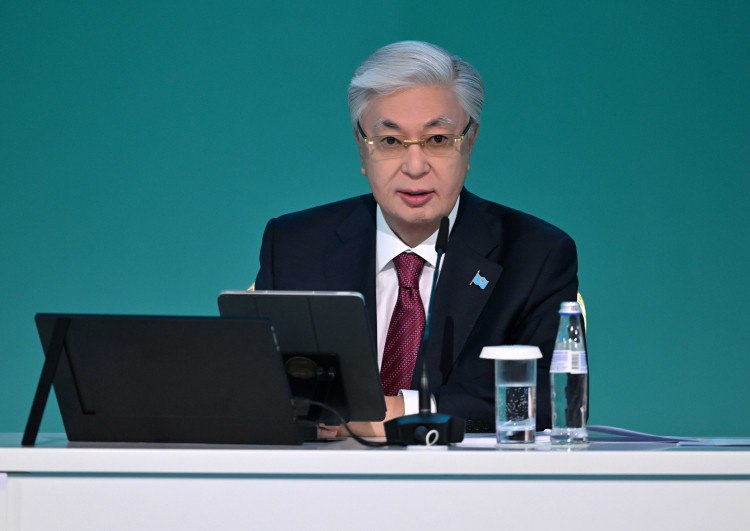
President Kassym-Jomart Tokayev has announced that Kazakhstan’s planned transition to a unicameral parliament will eliminate the presidential quota for appointing members of the legislature. The reform, Tokayev has said, is part of a broader effort to streamline the structure of parliament and enhance its professional capacity. The proposal to move to a single-chamber legislature was first introduced in Tokayev’s September address to the nation. At present, Kazakhstan’s parliament consists of two chambers: the Mazhilis, with 98 deputies elected through a mixed electoral system, and the Senate, which comprises 50 members, some elected by regional maslikhats (local representative bodies) and others appointed by the president. Under the current system, the head of state appoints 10 senators, half of whom are nominated by the Assembly of the People of Kazakhstan. Speaking at a forum of rural akims (governors), Tokayev confirmed his intention to relinquish this presidential privilege. “An excessive increase in the number of deputies is inappropriate. On the contrary, the work of parliament should be optimized and improved. In the new unicameral parliament, there will be no presidential quota, all deputies must be elected in a unified manner,” he said. Tokayev emphasized that the transition to a unicameral model necessitates the formation of a "truly professional parliament" composed of qualified legislators capable of addressing the country’s pressing issues. Among the structural reforms proposed are the creation of new committees, including those focused on digitalization and regional development. These institutional changes will be included in a comprehensive package of constitutional amendments. The president also stated that the forthcoming referendum will serve as a vote on an updated version of the Constitution. As previously reported by The Times of Central Asia, Tokayev’s call to abolish the Senate has already sparked debate among political analysts and lawmakers regarding the implications of a unicameral future for Kazakhstan.