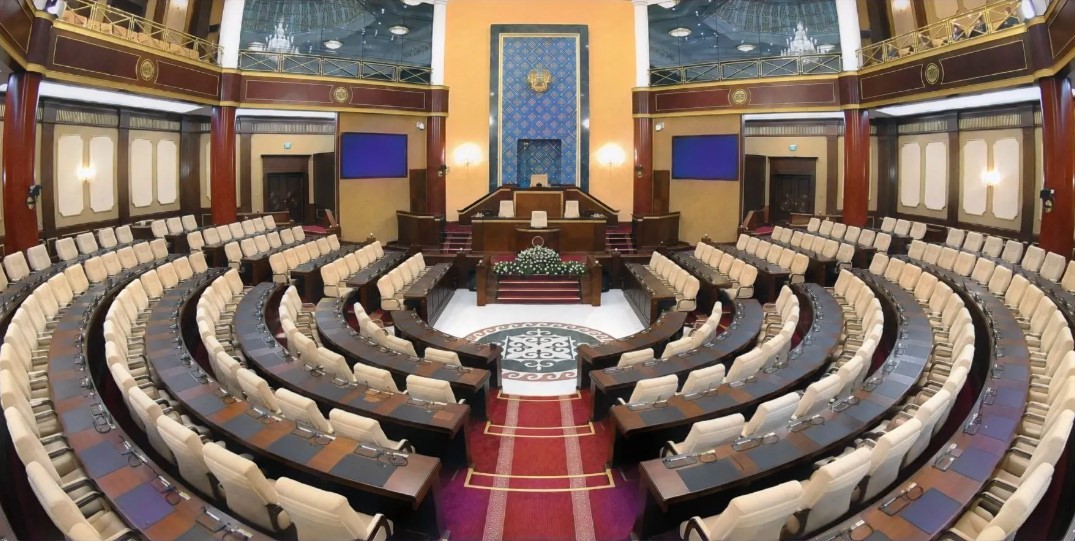
Kazakhstan’s bicameral parliament held its final joint session in Astana on June 30, closing a 30-year legislative era before the new Constitution takes effect on July 1.
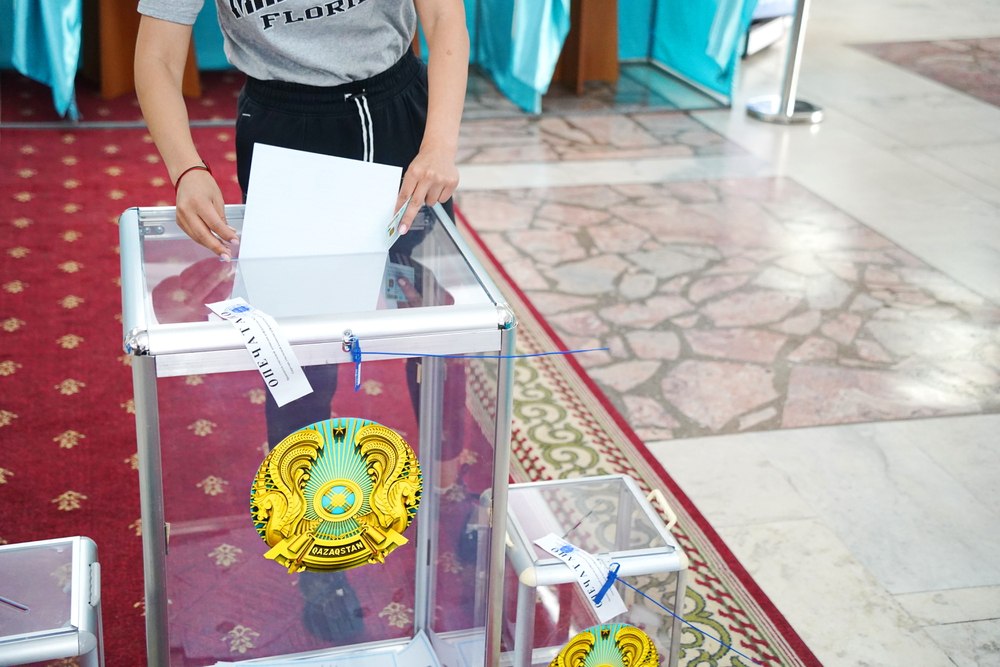
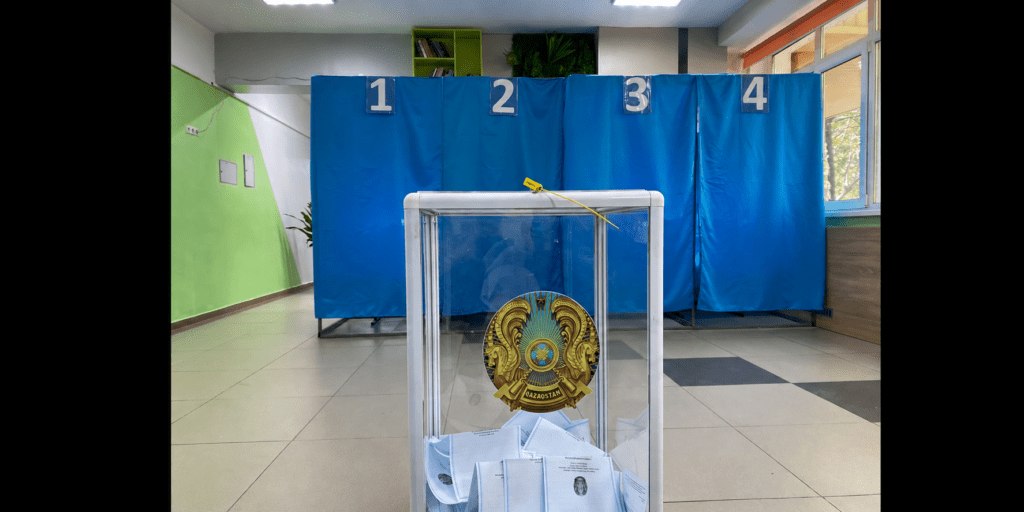
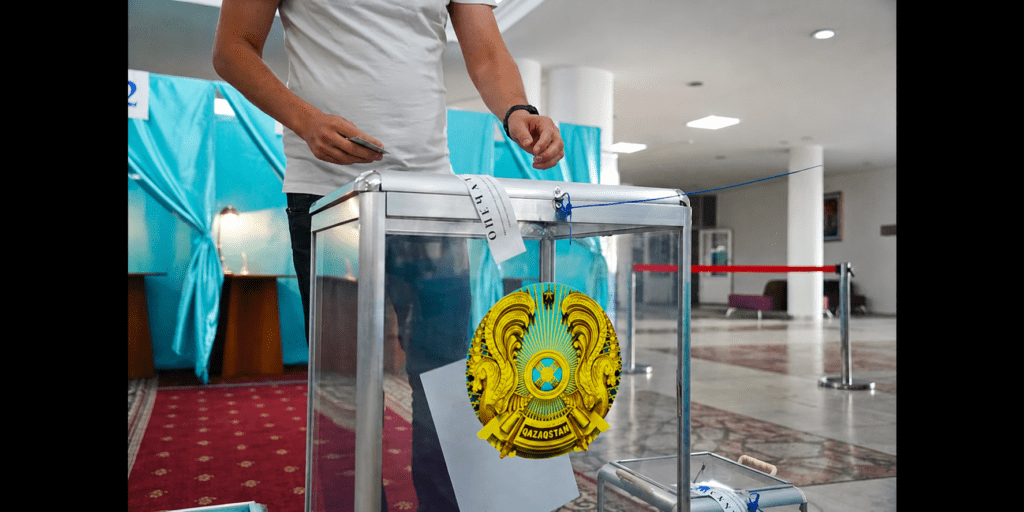
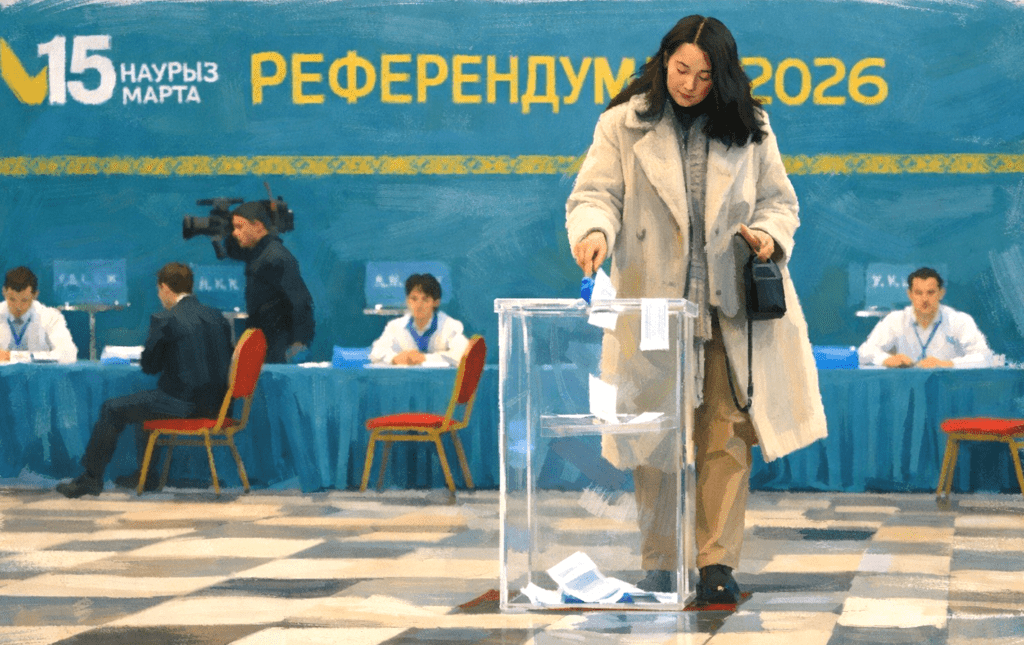
The change will replace the Senate and Mazhilis with a single-chamber Kurultai. Elections to the new body are expected in August, with 145 deputies to be elected through party lists. No current deputy will transfer automatically into the new chamber, giving the coming vote direct importance for Kazakhstan’s parties and for President Kassym-Jomart Tokayev’s wider state overhaul.
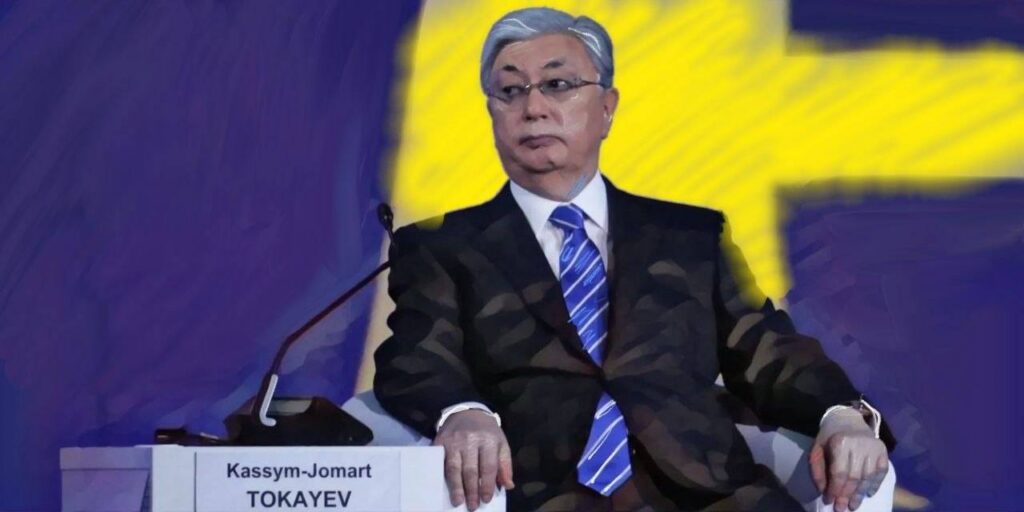
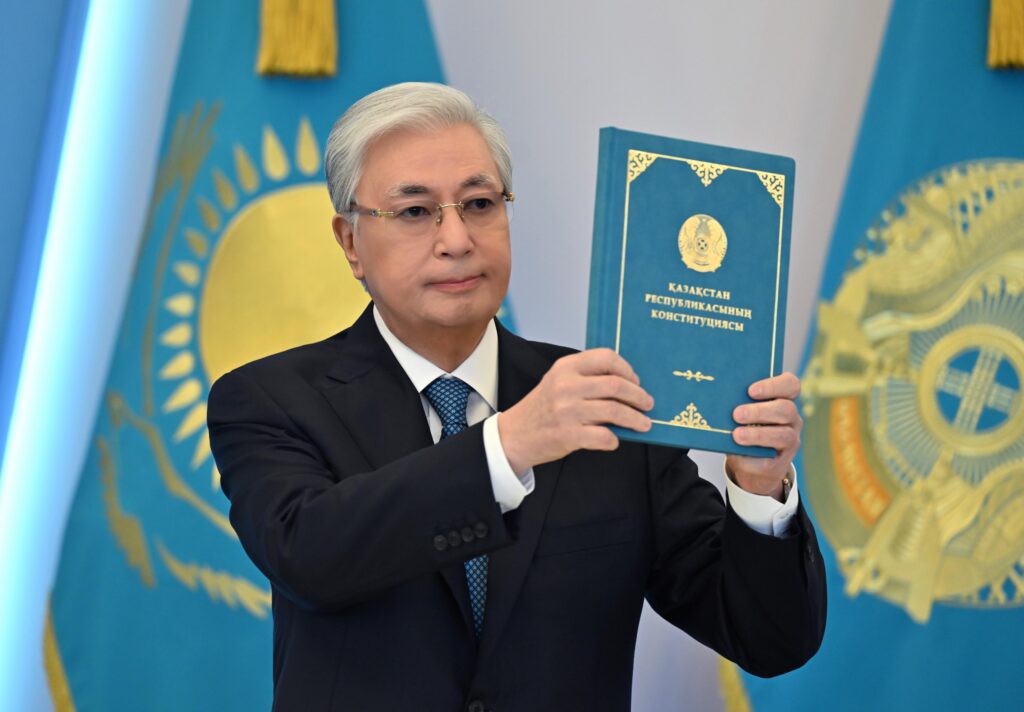
Addressing the final joint session, Tokayev framed the change as more than an administrative reform. He said Kazakhstan was entering “a new chapter in the development of independent Kazakhstan,” and beginning what he called a new historical era.
The president also used his speech to summarize the work of the parliament created under the 1995 Constitution. Over three decades, the legislature adopted around 3,500 laws, which Tokayev said had helped strengthen the country’s statehood.
“Today, we are completing an important parliamentary political cycle and opening a new chapter in the development of independent Kazakhstan,” Tokayev said.
According to Tokayev, more than 300 major laws, including constitutional legislation, have been adopted over the past three years. He described them as “a reliable platform for our future achievements.”
The transition also carries a succession dimension. The new Constitution creates a vice presidency and rewrites parts of the state architecture ahead of the scheduled end of Tokayev’s single seven-year presidential term in 2029. Tokayev has presented the changes as a modernization of governance, while the August Kurultai election will show how much room the new party-list system gives to political competition.
Tokayev told deputies that the new legislature would need to move faster than the outgoing parliament. He said the Kurultai would be expected to remove bureaucratic obstacles, improve the speed and quality of law-making, and bring qualified experts and consultants into legislative work.
“The Kurultai will have to eliminate all obstacles in the form of bureaucratic procedures, increase the speed and quality of law-making, and organize the effective work of qualified experts and consultants,” Tokayev said.
He linked those goals to global instability and digital competition, saying Kazakhstan had to adapt legislation to a rapidly changing environment.
“The Kurultai will have to work at an accelerated pace to promptly adapt national legislation to rapidly changing realities within the digital matrix,” Tokayev said. “This is a critically important task, as it will determine Kazakhstan’s readiness to participate in global competition.”
Tokayev praised the outgoing deputies for their work on digital legislation. He said there had been no ready-made templates for regulating artificial intelligence, and credited the parliament with helping build a flexible legal system.
Tokayev said Kazakhstan had become one of the first countries to adopt both a Digital Code and a specialized law on artificial intelligence. He also pointed to the new Constitution’s guarantees on the protection of personal data in cyberspace.
The next phase, he said, would include a full e-Parliament system. Tokayev first raised that idea in October 2025. He said the new deputies would have to rely on predictive analytics, economic modeling, social risk analysis, and Big Data when drafting laws.
Economic policy formed the second major theme of the address. Tokayev said Kazakhstan would need to shift to a new economic model because previous methods of work would no longer be effective.
“Last year, the national economy grew by 6.5%, which is a high figure against the backdrop of global growth rates,” Tokayev said. He said Kazakhstan’s GDP exceeded $300 billion for the first time, while GDP per capita had risen by one and a half times since 2019 to $15,000.
The president said Kazakhstan implemented 540 industrial projects worth about $7.1 billion between 2023 and 2025. More than 200 production facilities are expected in the next two years, with investment totaling around $5.8 billion. Projects already launched have created nearly 50,000 permanent jobs, he said, while planned facilities should add more than 20,000.
Tokayev also placed energy and transport infrastructure at the center of the Kurultai’s future agenda. He referred to his recent Brussels visit, where Kazakhstan and the European Union discussed critical minerals, transport connectivity, investment, and the Trans-Caspian International Transport Route.
“Cargo volumes along the Middle Corridor have increased fivefold over the past six years, exceeding four million tons annually,” Tokayev said. He linked the growth to maritime transport and improved port infrastructure.
Digital infrastructure was another major theme. Tokayev said artificial intelligence would require large volumes of energy and computing capacity, making the Data Center Valley megaproject a government priority.
“Artificial intelligence requires enormous volumes of energy and computing space,” Tokayev said. “This is why the launch of the Data Center Valley megaproject is of particular importance. It is intended to become a powerful gravitational field for the world’s leading Big Tech corporations.”
He said he would personally oversee the project’s implementation.
Tokayev ended his speech by setting expectations for the future Kurultai. He described the chamber as “the most important symbol of New Kazakhstan” and said it should consist of “true patriots, proactive and state-minded individuals.”
“It is by the work of the Kurultai that the people will judge how effective the reforms have been,” he said.
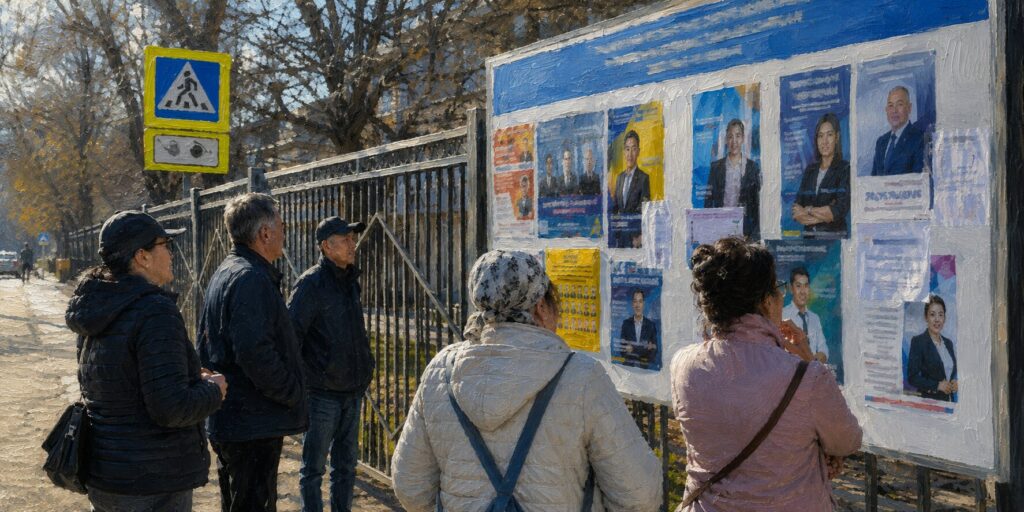
The coming election follows a rapid restructuring of Kazakhstan’s party landscape. The ruling Amanat party has merged into the new Adilet party, while Ak Zhol and Auyl, both seeking seats in the Kurultai, have changed their leadership.
Leadership also changed in the People’s Party of Kazakhstan, where Yermukhamet Yertysbayev, a former information minister and ex-adviser to Kazakhstan’s first president, Nursultan Nazarbayev, stepped down as chairman.
Those changes mean the August vote will be more than a routine legislative election. It will determine which parties and personalities survive the transition from the institutions of “Old Kazakhstan” to the new Kurultai system. It will also show how Tokayev’s constitutional reset functions once Kazakhstan’s new legislature begins to write laws.