• KGS/USD = 0.01144 0%
  • KZT/USD = 0.00217 0%
  • TJS/USD = 0.10625 -0.28%
  • UZS/USD = 0.00008 0%
  • TMT/USD = 0.28530 0%
  • KGS/USD = 0.01144 0%
  • KZT/USD = 0.00217 0%
  • TJS/USD = 0.10625 -0.28%
  • UZS/USD = 0.00008 0%
  • TMT/USD = 0.28530 0%
  • KGS/USD = 0.01144 0%
  • KZT/USD = 0.00217 0%
  • TJS/USD = 0.10625 -0.28%
  • UZS/USD = 0.00008 0%
  • TMT/USD = 0.28530 0%
  • KGS/USD = 0.01144 0%
  • KZT/USD = 0.00217 0%
  • TJS/USD = 0.10625 -0.28%
  • UZS/USD = 0.00008 0%
  • TMT/USD = 0.28530 0%
  • KGS/USD = 0.01144 0%
  • KZT/USD = 0.00217 0%
  • TJS/USD = 0.10625 -0.28%
  • UZS/USD = 0.00008 0%
  • TMT/USD = 0.28530 0%
  • KGS/USD = 0.01144 0%
  • KZT/USD = 0.00217 0%
  • TJS/USD = 0.10625 -0.28%
  • UZS/USD = 0.00008 0%
  • TMT/USD = 0.28530 0%
  • KGS/USD = 0.01144 0%
  • KZT/USD = 0.00217 0%
  • TJS/USD = 0.10625 -0.28%
  • UZS/USD = 0.00008 0%
  • TMT/USD = 0.28530 0%
  • KGS/USD = 0.01144 0%
  • KZT/USD = 0.00217 0%
  • TJS/USD = 0.10625 -0.28%
  • UZS/USD = 0.00008 0%
  • TMT/USD = 0.28530 0%

Viewing results 1 - 6 of 26

Kazakhstan to Build New International Cargo Airport Near China Border

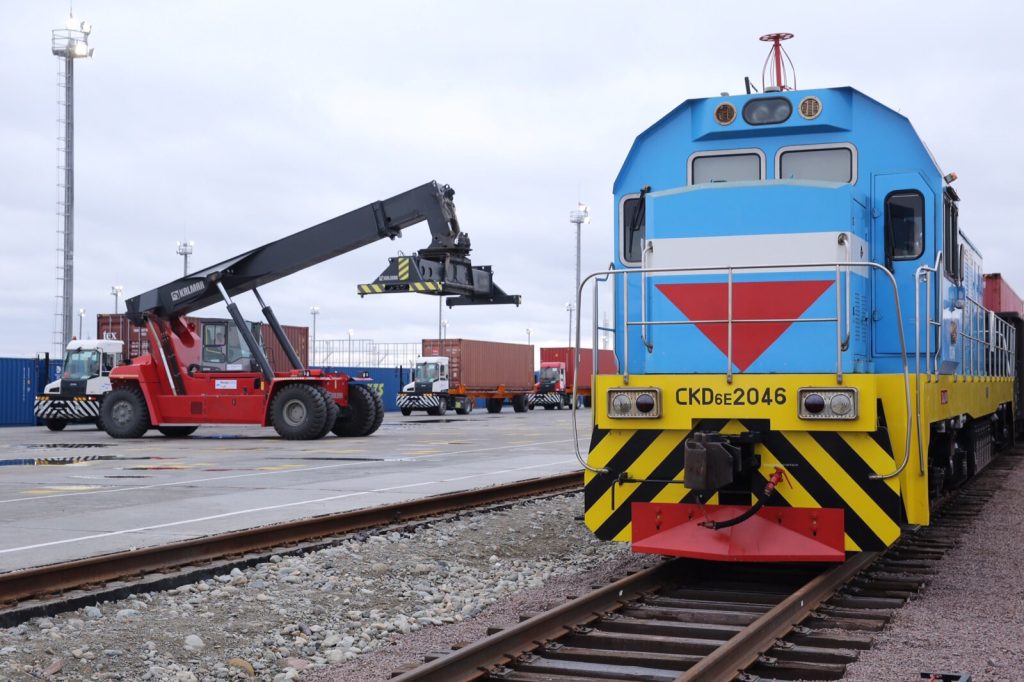
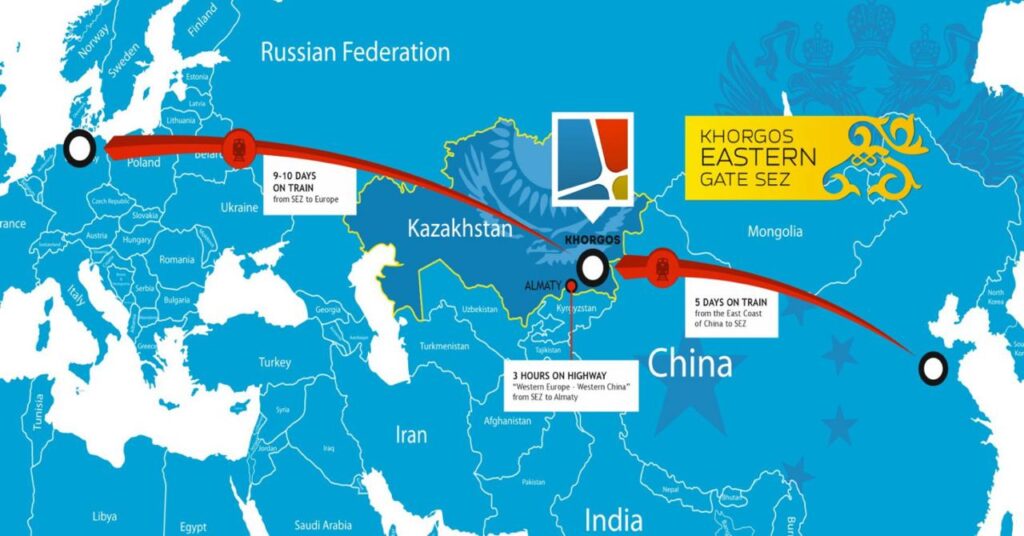
Kazakhstan plans to construct a new international cargo and passenger airport in the Zhetysu region, near the Chinese border, as part of efforts to develop a major multimodal aviation and logistics hub along key transit routes linking China, Central Asia, and Europe. The facility will be located within the Khorgos–Eastern Gate Special Economic Zone (SEZ), a strategic logistics cluster on the New Silk Road. According to Dias Esdauletov, Deputy Akim of the region, the project is one of the most significant and promising investment initiatives currently underway and aims to establish Kazakhstan as a central player in Eurasian trade. The project is being developed by the Kazakh-German joint venture Skyhansa LLP and is coordinated by the Ministry of Transport of the Republic of Kazakhstan. The airport is designed to complement the existing railway and road infrastructure in the SEZ, enabling faster movement of high-value and time-sensitive cargo, and bolstering regional passenger transport and tourism. Once completed, it will integrate rail, road, and air links in a single multimodal logistics system. Construction will be carried out in three stages. The first stage, set for completion by mid-2027, will include the development of core airfield infrastructure, a cargo terminal, a fuel complex, an aviation technical center, and a business center with hotel facilities. It will also integrate the airport with the SEZ’s existing rail and road networks. The second stage will expand the cargo and passenger infrastructure, build additional logistics and storage areas, increase refueling capacity, and attract airline and logistics partners. In the third stage, the airport is expected to evolve into a full-fledged international aviation hub with an expanded route network, full-service and MRO (maintenance, repair, and overhaul) operations, and deep integration with the SEZ’s industrial and commercial zones. Esdauletov highlighted the importance of the Air-Rail-Auto-Air transport model for improving logistics efficiency, particularly for sectors such as e-commerce, pharmaceuticals, and electronics. Seamless transitions between transport modes can dramatically reduce door-to-door delivery times and costs. Kazakhstan has already demonstrated the viability of such multimodal solutions. In 2014, KTZ Express piloted a successful international cargo transit from China to Europe via a rail-air corridor. HP products were shipped from Chongqing to Almaty by rail and then flown to Amsterdam, completing the 9,900 km journey in just seven days. The new airport is expected to ease congestion in the Almaty transport hub and significantly improve cargo throughput capacity in southeastern Kazakhstan. In the medium and long term, authorities anticipate strong growth in both cargo and passenger volumes, driven by increasing transit flows between China, Central Asia, Europe, and the United States, as well as ongoing shifts in global logistics routes. To mitigate risks, the regional government has launched comprehensive preparatory work. Skyhansa has already secured 800 hectares of land within the Khorgos-Eastern Gate SEZ. The project is expected to create approximately 700 jobs.


German Firm to Build New Cargo and Passenger Airport in Kazakhstan

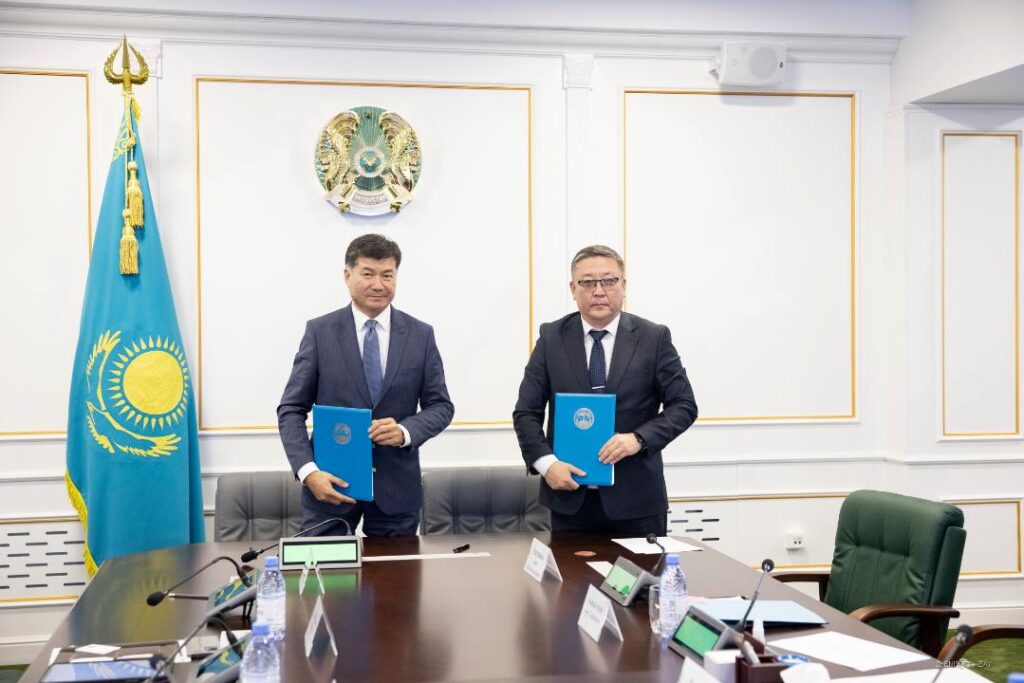
Kazakhstan’s Prime Minister, Olzhas Bektenov, has met with Dr. Christine Grötzbach, board member and co-founder of the German aviation company Skyhansa, to finalize the construction timeline for a new cargo and passenger airport in the Zhetysu region. The first phase of the project is expected to be completed by 2027. The facility will be built within the Khorgos - Eastern Gate special economic zone (SEZ), located on Kazakhstan’s border with China. The project envisions the creation of a multifunctional aviation hub designed to meet ICAO international standards and will be developed in phases, according to a government announcement. The initiative is being carried out under a framework agreement between Kazakhstan’s Ministry of Transport and the Kazakh-German consortium Skyhansa. On the German side, the project is led by the Hansa Consortium, an aviation infrastructure specialist, while the Kazakh side is represented by Skymax Technologies, a regional logistics and infrastructure operator active in Central Asia and the Caucasus. The total investment in the airport project is projected at $500 million. Dr. Grötzbach emphasized that the vision extends far beyond a standard airport facility. “We are creating not just an airport, but a comprehensive infrastructure: cargo and passenger terminals, a fuel and refueling complex, an aviation technical center, a business center, and hotels,” she stated. “Its strategic location near China, combined with access to rail and road transport, positions it as a key logistics node on the New Silk Road.” Bektenov echoed this sentiment, stating that the project will significantly enhance Kazakhstan’s transport and logistics capabilities. “The implementation of this project will give a powerful impetus to the development of transport infrastructure and reinforce Kazakhstan’s role as a bridge between China, Central Asia, and Europe,” he said. This announcement follows a similar initiative by Kazakhstan’s Ministry of Transport, which recently signed an investment agreement with Terminals Astana Airport Limited, a subsidiary of a UAE-based holding company. That project involves a $1.1 billion investment in the development of the Astana Aerotropolis, as reported by The Times of Central Asia.

EBRD Finances Coffee-Processing Plant at Kazakh-Chinese Border

The European Bank for Reconstruction and Development (EBRD) has announced a loan of up to $10 million to Empire Manufacturing Kazakhstan (EMK) to support the construction of a coffee-processing facility in the Khorgos Free Economic Zone, located on Kazakhstan’s border with China. EMK is a subsidiary of Food Empire Holdings, a global food and beverage group listed on the Singapore Exchange. The new plant will enhance the company’s regional production capacity and is expected to set a new standard for food-processing technology and hygiene in Kazakhstan and Central Asia. Once operational, the facility will export up to 50 percent of its coffee products to markets across Central Asia and the South Caucasus, where demand for Food Empire’s instant beverages is on the rise. The investment aligns with the EBRD’s broader strategy to support private sector growth in Kazakhstan. To date, the Bank has invested more than €11 billion in 335 projects across the country, with a strong emphasis on fostering entrepreneurship and innovation.

Amid Sanctions, China’s Xinjiang Strengthens Ties with Central Asia

China’s Xinjiang region is deepening its engagement with Pakistan and Central Asia as part of efforts to counter Western sanctions and bolster its role in the Belt and Road Initiative (BRI). On November 26, officials from Xinjiang met with their counterparts from Kazakhstan’s Zhetysu region for the first meeting under a new cross-border coordination mechanism. The discussions focused on cross-border tourism, infrastructure, market regulation, quarantine measures, and joint crime prevention. The meeting culminated in the signing of a memorandum on cross-border tourism. The discussions took place near the port of Khorgos, a critical hub for the China Railway Express, which connects China with Europe. Khorgos is home to China’s first cross-border cooperation center, where residents of neighboring countries can engage in business and shop visa-free. The center allows duty-free purchases of up to 8,000 yuan ($1,104) per day. Xinjiang Governor Erkin Tunyoz stressed the importance of strengthening ties with Zhetysu in areas such as trade, tourism, security, and agriculture. This cooperation is becoming increasingly crucial for Beijing as Xinjiang grapples with sanctions from the United States and other Western countries over alleged human rights abuses—a claim that China denies. Sanctions include the U.S. Uyghur Forced Labor Prevention Act, which prohibits imports from Xinjiang suspected of being produced using forced labor. Similar measures have been implemented by Canada, the United Kingdom, and the European Union. In addition to its collaboration with Kazakhstan, China has established a dialogue mechanism with the five Central Asian countries—Kazakhstan, Kyrgyzstan, Tajikistan, Turkmenistan, and Uzbekistan. Since 2020, foreign ministers from these nations have met annually to discuss logistics, trade, investment, agriculture, mining, and security. Li Lifan, a Central Asia scholar at the Shanghai Academy of Social Sciences, described Xinjiang as a “bridgehead” for the BRI. He highlighted the region’s rich natural resources and its role as a base for major industries, including automobile manufacturing. In 2023, trade between Xinjiang and Central Asian countries surged by 50%, reaching 283 billion yuan ($39 billion). Despite these successes, Li cautioned about future challenges. He noted uncertainties surrounding potential Western secondary sanctions, geopolitical tensions, and Russia's ongoing war in Ukraine. Additionally, U.S.-China relations remain fraught, with further unpredictability anticipated under the leadership of Donald Trump. “Full economic development may only be achievable once global tensions ease,” he said.

Kazakhstan’s Eastern Dry Port to Get New Airport With German Cooperation

Kazakhstan will get a new airport at the special economic zone (SEZ) Khorgos - Eastern Gate near the Chinese border, with construction taking place over the next eight years. The project will be managed by local authorities in partnership with the German company, Skyhansa LLP. The project is planning to attract 250 billion tenge ($557 million) in investments and create 700 new jobs. The volume of cargo transportation at the airport is targeted to be 50,000 tons per year, and the passenger terminal capacity will handle up to 500 people an hour, the press service of the Zhetysu Akimat (regional administration) reported. The Zhetysu region has great transit potential, as it's located at the crossroads of some key transportation routes - between China, Southeast Asia, CIS countries and Europe, said the head of the region, Beibit Isabaev, speaking at a meeting with potential investors. In the SEZ Khorgos - Eastern Gate, 56 companies are working on projects worth more than 800 billion tenge ($1.8 billion), he stated. The head of the region added that the authorities are ready to help businesses with infrastructure development. Cooperation agreements between the investor company, the regional department of entrepreneurship and the administration of the SEZ Khorgos already been signed. Investors have shown interest in the development of small aviation and started joint work with the Akimat of Taldykorgan. The new airport is planned to be completed by 2032, and the construction project involves three stages. In the first stage, the airport's basic infrastructure will be built, and at the subsequent stages, the functionality will be expanded and new facilities will be added, including a hotel and a shopping and entertainment center, said General Director of Skymax Technologies Group LLP, Yerik Shortanbayev.

Kazakhstan: Foreign journalists visit Altynkol station, Khorgos SEZ

ALMATY, Kazakhstan (TCA) — A press tour was held earlier this week for representatives of foreign and Kazakh media within the framework of China’s One Belt, One Road initiative to Altynkol station and facilities of the SEZ "Khorgos - Eastern gate" on the Kazakh-Chinese border in Kazakhstan’s Almaty region, the press service of Kazakhstan Temir Zholy (KTZ) national railway company reported. Continue reading