• KGS/USD = 0.01144 0%
  • KZT/USD = 0.00208 0%
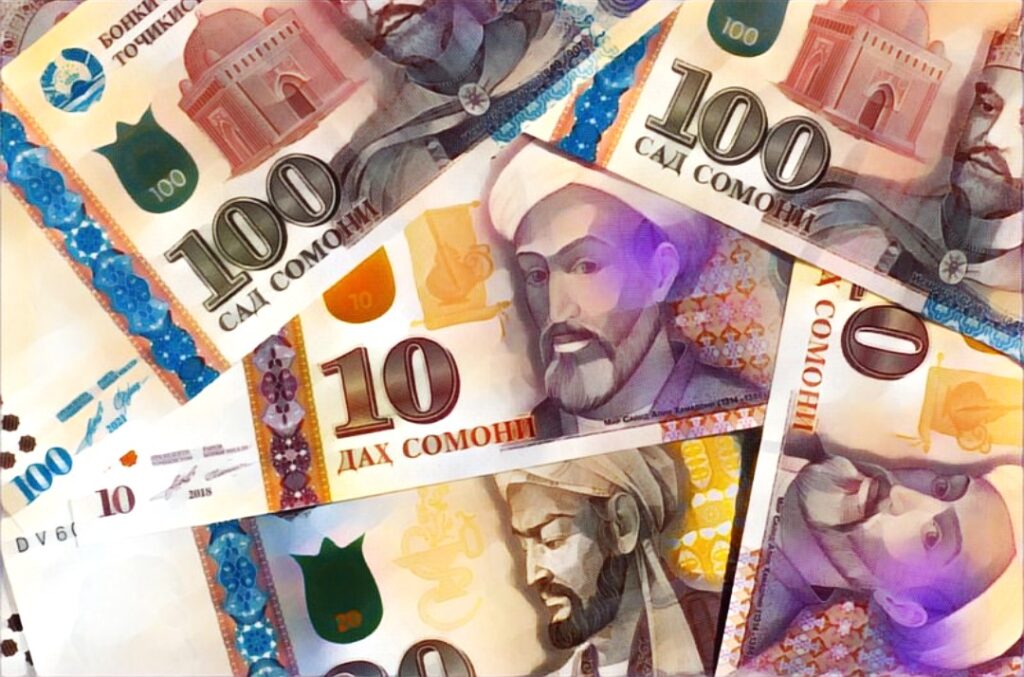
  • TJS/USD = 0.10516 0.77%
  • UZS/USD = 0.00008 0%
  • TMT/USD = 0.28571 0%
  • KGS/USD = 0.01144 0%
  • KZT/USD = 0.00208 0%
  • TJS/USD = 0.10516 0.77%
  • UZS/USD = 0.00008 0%
  • TMT/USD = 0.28571 0%
  • KGS/USD = 0.01144 0%
  • KZT/USD = 0.00208 0%
  • TJS/USD = 0.10516 0.77%
  • UZS/USD = 0.00008 0%
  • TMT/USD = 0.28571 0%
  • KGS/USD = 0.01144 0%
  • KZT/USD = 0.00208 0%
  • TJS/USD = 0.10516 0.77%
  • UZS/USD = 0.00008 0%
  • TMT/USD = 0.28571 0%
  • KGS/USD = 0.01144 0%
  • KZT/USD = 0.00208 0%
  • TJS/USD = 0.10516 0.77%
  • UZS/USD = 0.00008 0%
  • TMT/USD = 0.28571 0%
  • KGS/USD = 0.01144 0%
  • KZT/USD = 0.00208 0%
  • TJS/USD = 0.10516 0.77%
  • UZS/USD = 0.00008 0%
  • TMT/USD = 0.28571 0%
  • KGS/USD = 0.01144 0%
  • KZT/USD = 0.00208 0%
  • TJS/USD = 0.10516 0.77%
  • UZS/USD = 0.00008 0%
  • TMT/USD = 0.28571 0%
  • KGS/USD = 0.01144 0%
  • KZT/USD = 0.00208 0%
  • TJS/USD = 0.10516 0.77%
  • UZS/USD = 0.00008 0%
  • TMT/USD = 0.28571 0%

Viewing results 1 - 6 of 22

Kyrgyzstan Sues Russia at EAEU Court Over Migrant Families’ Health Insurance

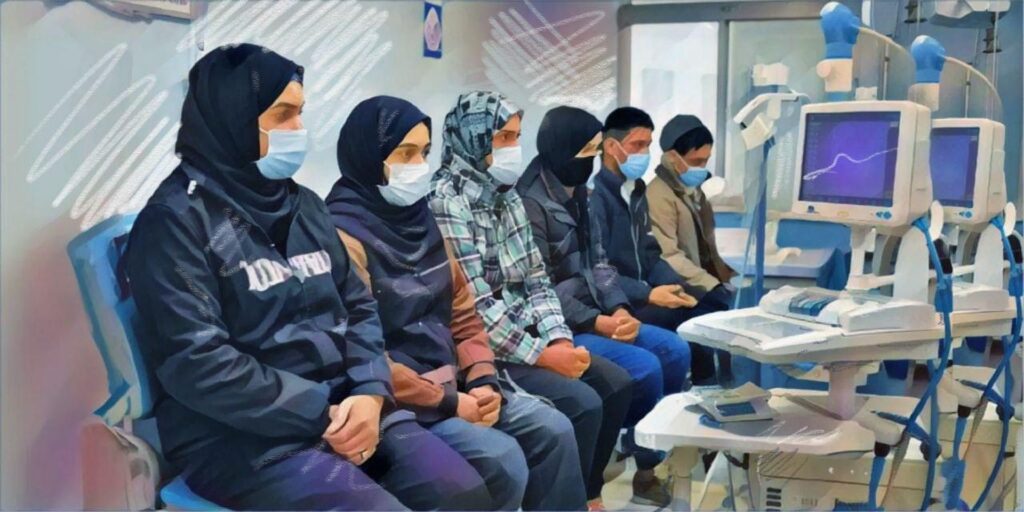
Kyrgyzstan has filed a legal claim against Russia at the Eurasian Economic Union Court over Moscow’s refusal to issue compulsory medical insurance cards to the family members of Kyrgyz labor migrants working in Russia. The case, lodged on January 27, centers on whether Russia is meeting its obligations under the EAEU’s labor-migration agreement. Kyrgyz officials say the refusal to issue insurance to dependents violates provisions on social protection for migrants and their families inside the union. The lawsuit was announced by Azamat Mukanov, chairman of Kyrgyzstan’s Mandatory Health Insurance Fund, at a meeting of the Jogorku Kenesh’s parliamentary committee on labor, healthcare, women’s affairs, and social issues. Mukanov said Russia is in breach of the EAEU agreement by denying required policies to family members, even though the pact covers migrant workers from all five EAEU members: Armenia, Belarus, Kazakhstan, Kyrgyzstan, and Russia. "In practice, this provision does not work," Mukanov stated. “Because of this, it was decided to apply to the EAEU court with a request to specify the provisions of the EAEU in this direction.” Mukanov said proceedings are already underway, and a decision is “expected within two weeks.” The dispute also surfaced during the recent visit of Russian Deputy Prime Minister Alexey Overchuk to Bishkek. Kyrgyz officials raised the issue in bilateral discussions but moved to litigation after limited progress through diplomatic channels. The complaint does not dispute Russia’s right to manage its health system. Rather, it turns on whether family members of migrant workers - spouses, children, and other dependents - should be eligible for free health insurance once their breadwinners are lawfully employed in Russia. Insurance of this kind, known locally as OMS, opens access to a broad range of state-funded medical services beyond emergency care. Without it, dependents may have to pay out of pocket or buy private coverage for non-urgent treatment. Under the EAEU’s social security provisions, the right to social protection and medical care for a worker and their family should be on the same terms and conditions as for citizens of the State of employment. That language appears in the union’s treaty and its annexes regulating labor and social rights. Kyrgyz officials argue that Russian practice undermines that principle when family members are excluded. Kyrgyzstan is one of Russia’s closest partners in Central Asia, bound by deep economic, security, and migration ties. Bishkek is a member of the Eurasian Economic Union and the Moscow-led Collective Security Treaty Organization, and has generally avoided direct public disputes with the Kremlin. Kyrgyz officials have typically sought to resolve migration-related frictions quietly through bilateral channels, making the decision to take Russia to a supranational court unusual. In April 2025, Kyrgyzstan’s Foreign Ministry summoned Russia’s ambassador after police reportedly used force against Kyrgyz nationals in a Moscow bathhouse raid, a rare diplomatic protest against Russia that underscored growing domestic concern over the treatment of migrant workers. The EAEU Court in Minsk adjudicates disputes over the interpretation of union law and ensures consistent application across member states. It...
Tajikistan Reports Strong 8.4% Economic Growth in 2025

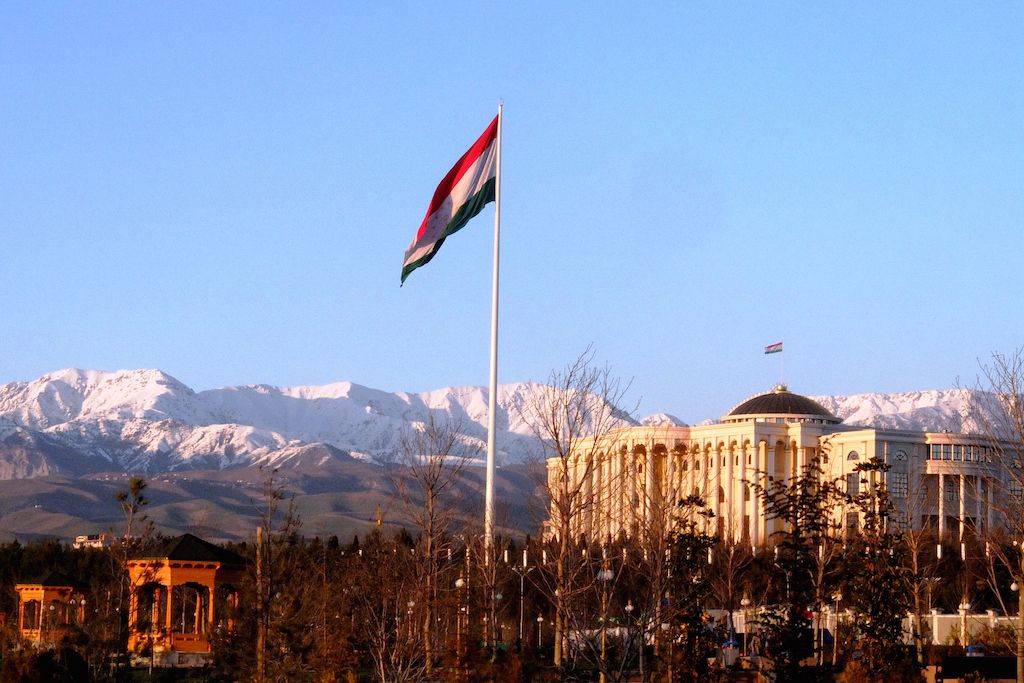
Tajikistan’s economy grew by 8.4% in 2025, according to official data released by the country’s statistical authorities, marking one of the strongest growth rates in Central Asia last year. President Emomali Rahmon announced the figure during a year-end address to parliament, saying gross domestic product reached approximately 173 billion somoni, or about $18.8 billion. Official data shows growth was driven primarily by industry, construction, agriculture, and services. The Statistical Agency under the President of Tajikistan reported that industrial production increased by more than 20% year-on-year, supported by mining, metallurgy, cement production, and food processing. Construction activity also expanded, reflecting continued state investment in roads, housing, and energy infrastructure. Authorities highlighted ongoing work on the Rogun hydropower project as a central pillar of economic policy. The dam is expected to secure the domestic electricity supply and boost exports once fully operational, particularly to neighboring markets. Remittances remained a key contributor to economic growth in 2025. Transfers from Tajik migrant workers, most of whom are employed in Russia, rose during the year, supporting household consumption and helping offset external economic pressures. According to the World Bank, remittances have accounted for a very large share of Tajikistan’s GDP, with personal remittances near 48% of GDP in recent years, leaving the economy highly exposed to labor market conditions abroad. Foreign trade turnover also increased. Exports of electricity, metals, and agricultural products rose, while imports of machinery, fuel, and construction materials expanded alongside investment activity. Regional media reported that China, Russia, and neighboring Central Asian states remained Tajikistan’s main trading partners in 2025. Despite the strong headline growth, international financial institutions have continued to flag structural weaknesses. The International Monetary Fund has warned that sustaining high growth will require reforms to improve governance, strengthen the banking sector, and expand the role of the private sector in the economy. Analysts also note that rapid growth partly reflects a low statistical base and heavy reliance on state-led investment. Job creation in higher-value sectors remains limited, contributing to continued labor migration and leaving the economy vulnerable to external shocks. The government has set similarly ambitious targets for 2026, with officials emphasizing industrialization, infrastructure development, and energy exports. Whether Tajikistan can maintain its pace of growth while addressing long-standing structural constraints will remain a key test for the country’s economic trajectory in the coming years.

Putin in Tajikistan for CIS Summit Amid Migration Tensions

When President Vladimir Putin arrives in Dushanbe on 8 October for his first state visit, Tajikistan will briefly become the focal point of regional diplomacy. Currently holding the rotating chair of the Commonwealth of Independent States (CIS), Dushanbe is preparing to host both the CIS Heads of State Council and the second Russia–Central Asia summit. For Moscow, Central Asia has remained a priority since the invasion of Ukraine, and the visit highlights what is at stake for both Russia and its host. Tajikistan depends heavily on Russia for security, trade, and employment opportunities for its citizens, but relations have been tested by the aftermath of the March 2024 Crocus City Hall attack, which exposed the fragility of migration-driven economics and the risk of renewed extremism. An Old Relationship Tested by New Tensions Russia and Tajikistan have been closely entwined since the collapse of the Soviet Union. Putin has already made twelve trips to Tajikistan since taking office, and this will be his first with state‑visit status. Security cooperation remains the backbone of the relationship. Russia’s 201st military base in Tajikistan - formerly the 201st motor rifle division and now Moscow’s largest overseas facility - has long been billed as a shield along the Afghan frontier; the two sides continue to coordinate through the CSTO (Collective Security Treaty Organization), and within the SCO (Shanghai Cooperation Organization) framework. Trade between the two nations has expanded despite sanctions headwinds. On the eve of the visit, presidential aide Yuri Ushakov said bilateral turnover rose by more than 17 % in the first seven months of 2025, and reached about US$1.5 billion in 2024. Russia accounts for over 22 % of Tajikistan’s foreign trade. Meanwhile, more than 1.2 million Tajik citizens work in Russia, making up about 16 % of all foreign workers there. They remitted US$1.8 billion back home last year, roughly 17 % of Tajikistan’s GDP. This symbiosis means that the two leaders routinely discuss labor migration and social issues alongside security and trade. Yet the relationship has been strained by a wave of xenophobia following the Crocus City Hall attack, which killed 145 people, which the Russian authorities accused militants from Tajikistan of perpetrating. As previously reported by The Times of Central Asia, following the arrest of four Tajik suspects, Central Asian migrants in Russia have faced arson attacks, beatings, and boycotts of their businesses. Russian law enforcement has launched aggressive street inspections and created special units to check hostels and businesses frequented by Central Asians. Even long‑time Tajik residents with Russian citizenship have reported menacing phone calls and threats. In the wake of the attack, diaspora leaders urged compatriots not to leave their homes, and the Tajik interior ministry publicly rebutted Russian media reports, stating that three of the four suspects named were not involved. Those pressures hit a country heavily reliant on remittances. The World Bank’s 2025 update estimates that money sent home by migrants accounted for 49 % of Tajikistan’s GDP in 2024. Since the start of the Ukraine war, Russian politicians and media have become increasingly hostile toward Central Asian migrants, leading Moscow to deactivate all foreign‑owned SIM cards and...

World Bank Warns Tajikistan on Limits of Migration-Driven Growth

Tajikistan has made notable strides in reducing poverty over the past decade, but sustaining this progress will require a shift away from reliance on labor migration and remittances, according to a new World Bank report. The Poverty and Equity Assessment in Tajikistan notes that the share of people living in poverty fell from 56 percent in 2010 to around 20 percent in 2024. During the same period, the middle class expanded from 8 percent to 33 percent of the population, with 35 percent of households joining its ranks between 2021 and 2023. However, these gains have largely been driven by remittances, which consistently account for more than 30 percent of GDP, rather than domestic job creation. Job Creation Remains Weak Employment generation, however, remains limited. As of 2022, only 40 percent of the working-age population was employed, the lowest rate in the region, while female labor force participation stood at just 21 percent. Inequality has also worsened. The Gini coefficient rose from 32 to 38 between 2021 and 2023, with rural and remote areas most affected due to poor infrastructure and weak market access. Education poses an additional constraint. In 2023, 31 percent of children were not attending school, especially at higher grade levels. Contributing factors include financial hardship, distance to schools, and low parental education. Many university graduates either take low-paid jobs or emigrate. World Bank Recommendations The World Bank urges Tajikistan to transition from a remittance-dependent model to one grounded in domestic employment and economic resilience. Key recommendations include: modernizing agriculture with climate-resilient technologies; promoting labor-intensive private sector growth, particularly in agricultural processing, services, and small enterprises; expanding access to education, vocational training, and digital infrastructure, especially in rural areas; strengthening targeted social support for vulnerable households. “Tajikistan’s progress in poverty reduction is impressive, but sustaining and deepening these gains requires a rebalancing of priorities,” said Wei Winnie Wang, the World Bank’s Acting Country Manager in Tajikistan. She emphasized that improving domestic job creation, reducing spatial inequality, and investing in human capital would help build a more inclusive and sustainable economy. Government Response Tajikistan’s Ministry of Economic Development and Trade acknowledged that the report’s findings align with national development priorities. Deputy Minister Ahliddin Nuriddinzoda highlighted the role of the Poverty and Middle Class Expansion Council, established with World Bank support, as a platform for monitoring poverty and shaping related policy. According to the ministry, the World Bank’s current portfolio in Tajikistan includes 26 projects worth $1.9 billion, focused on infrastructure, human capital, and institutional reforms. The International Finance Corporation has also invested more than $70 million in the private sector.

Central Asians in Putin’s War: Fighting for Ukraine, Forced for Russia

As the war in Ukraine continues to drag on, fighters from across Central Asia have found themselves on both sides of the frontlines. In Kyiv, Kazakh national Zhasulan Duysembin has traded his past life as a sales agent for a rifle, sporting a tattoo of Kazakhstan’s flag on his back as he battles to defend his adopted home. He now fights, he says, to protect his children and believes that “Russia will not stop in Ukraine, it will go further. We must make every effort to ensure that our Kazakhstan does not suffer.” Alan Zhangozha, an ethnic Kazakh who grew up in Kyiv and now serves as a public relations officer in the Ukrainian Army, echoes this sentiment. “Ukraine’s victory will also be a victory for my Motherland,” he told The Diplomat. But as the war drags on, in Kazakhstan, families mourn men like 22-year-old Kiril Nysanbaev - a labor migrant in Russia coerced into signing up for the war who only came home in a coffin. His sister recalls how her brother told her that Russian officers beat and forced him to enlist while he was detained on dubious charges in Chelyabinsk. Nysanbaev was killed in Ukraine’s Donetsk region in March 2024, news that only reached his family three months later. Citizens of all five Central Asian countries have been pulled into the conflict since Russia’s invasion in 2022. Some have volunteered to fight for Ukraine, driven by personal ties or ideals, while others, mostly labor migrants, have been recruited, enticed, or pressured into fighting for Russia. These parallel currents reflect the complex impact of the war on a region that remains officially neutral but was historically deeply entwined with Moscow. While a handful of Central Asians now wear the blue-and-yellow insignia in Ukraine’s defense, far more have ended up in Russia's ranks, often as expendable foot soldiers. From Bishkek to Bucha In November 2022, a Kyrgyz former labor migrant, Almaz Kudabek uulu, announced the creation of the Turan Battalion, a volunteer unit of Turkic-speaking fighters formed to assist Ukraine. “Kyrgyzstan is my homeland; I will always love it. But Ukraine is my home now; I am fighting for Ukraine,” he told reporters. The battalion, joined by volunteers from Kyrgyzstan, Kazakhstan, Azerbaijan, and elsewhere, operates as a semi-autonomous unit supported by private donations and allied Ukrainian brigades. Back in Kyrgyzstan, however, the authorities opened a criminal case against Kudabek, punishable by up to eight years in prison, and local media that covered his story faced pressure. Others have supported Ukraine in tangible, humanitarian ways. Early in the war, members of Ukraine’s Kazakh diaspora erected traditional yurts in cities like Bucha and Kyiv as heated shelters dubbed “Yurts of Invincibility.” These spaces provided food, tea, and electricity during blackouts, a gesture of solidarity that irritated Moscow but drew only a muted response from Kazakhstan’s government. Moscow’s Migrant Recruits: Coercion and Casualties Far greater numbers of Central Asians have ended up fighting for Russia, which hosts millions of migrant workers from...

Why Tajikistan Cannot Give Up Remittances from Migrant Workers

Labor migration is no longer a temporary phenomenon in Tajikistan. Remittances from migrants now account for nearly half of the country’s GDP, supporting families, sustaining the national budget, and helping preserve social stability. But at the same time, the country has found itself dangerously dependent on external factors, factors that directly impact the welfare of millions of citizens. Thirty Years On Since gaining independence, Tajikistan has undergone a transformation in which labor migration has become a systemic feature of society. While the country remained predominantly agrarian during the Soviet era, over the past three decades, the word “Tajik” has become closely associated, particularly across the post-Soviet space, with low-skilled labor abroad. This shift traces back to the 1990s, when Tajikistan, unlike its Central Asian neighbors, failed to restructure its economy and descended into civil war. With factories shuttered, jobs scarce, and political instability rampant, tens of thousands of people left the country. The early waves of migrants were mainly working-age men. Some educated professionals moved to Europe or the US, others to Kazakhstan, but most went to Russia, where cultural and linguistic ties remained strong and the labor market was more accessible. Even after the peace agreement, migration continued and even intensified. Today, more than 30 years later, the annual outflow of the working-age population remains consistently high. The Economy on the Migrant “Needle” Official data record up to 600,000 migrant departures per year. However, the real number is likely higher: many migrants do not return home between seasons, and some have settled permanently in Russia. Since the war in Ukraine began in 2022, migration routes have shifted again, some now leave for Europe and the United States, sometimes under refugee status. According to the World Bank, in 2024, remittances from migrant workers reached $5.8 billion, representing 45.3% of Tajikistan’s GDP, a global record. Over the past 17 years, this figure has dropped below 30% only three times. For the last three years, remittances have consistently made up nearly half of the national economy. A Hushed-Up Contribution Despite the critical role of labor migration, the topic is largely avoided by the Tajik authorities. As far back as 2013, then-head of the National Bank Abdujabbor Shirinov refused to disclose statistics, stating that “this issue could take on a political connotation.” In 2019, his successor, Jamshed Nurmahmadzoda, advised journalists “not to focus on migrants’ money.” Today, the National Bank attributes the lack of up-to-date data to “technical difficulties” linked to electronic and online transfers. Meanwhile, the Ministry of Labor has not published migration figures for Russia in two years, citing discrepancies with Russian data. As a result, one of the main sources of economic stability remains unacknowledged at the official level. What Keeps the Budget Afloat Tajikistan’s economy remains structurally fragile. Its export potential is 3-4 times smaller than its import demand. Foreign currency earned through trade covers only about a quarter of the country’s imports, the rest is financed by remittances. These funds support domestic consumption: families use them to buy...