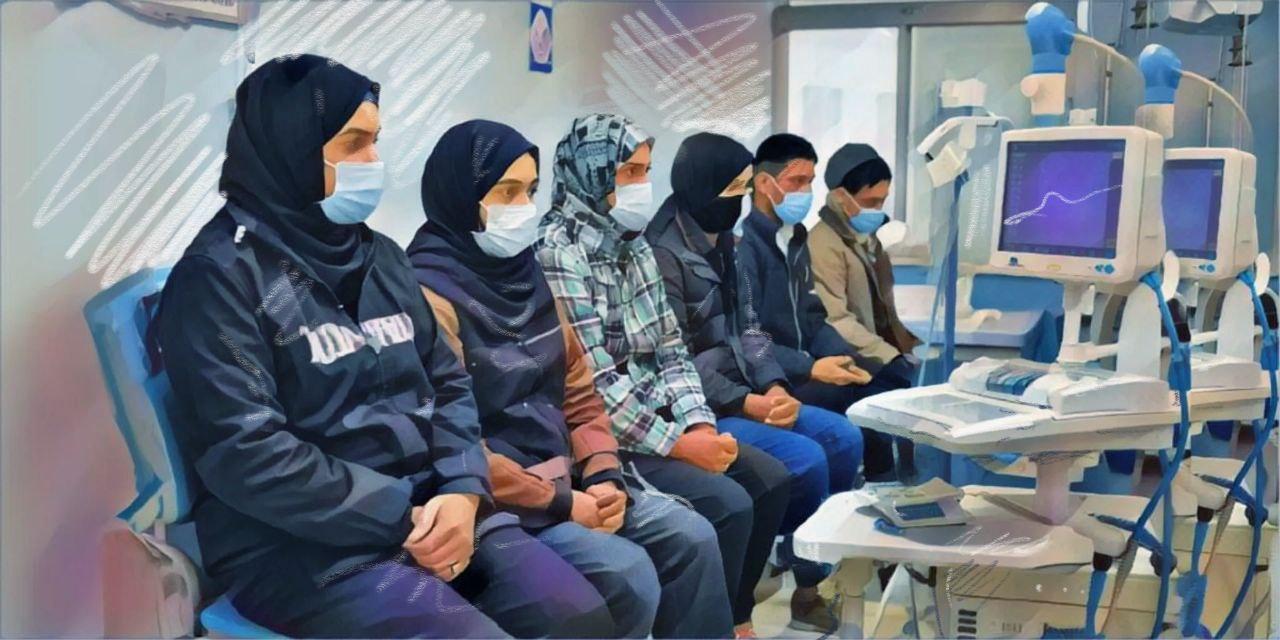
Kyrgyzstan has filed a legal claim against Russia at the Eurasian Economic Union Court over Moscow’s refusal to issue compulsory medical insurance cards to the family members of Kyrgyz labor migrants working in Russia. The case, lodged on January 27, centers on whether Russia is meeting its obligations under the EAEU’s labor-migration agreement. Kyrgyz officials say the refusal to issue insurance to dependents violates provisions on social protection for migrants and their families inside the union.
The lawsuit was announced by Azamat Mukanov, chairman of Kyrgyzstan’s Mandatory Health Insurance Fund, at a meeting of the Jogorku Kenesh’s parliamentary committee on labor, healthcare, women’s affairs, and social issues. Mukanov said Russia is in breach of the EAEU agreement by denying required policies to family members, even though the pact covers migrant workers from all five EAEU members: Armenia, Belarus, Kazakhstan, Kyrgyzstan, and Russia.
“In practice, this provision does not work,” Mukanov stated. “Because of this, it was decided to apply to the EAEU court with a request to specify the provisions of the EAEU in this direction.”
Mukanov said proceedings are already underway, and a decision is “expected within two weeks.”
The dispute also surfaced during the recent visit of Russian Deputy Prime Minister Alexey Overchuk to Bishkek. Kyrgyz officials raised the issue in bilateral discussions but moved to litigation after limited progress through diplomatic channels.
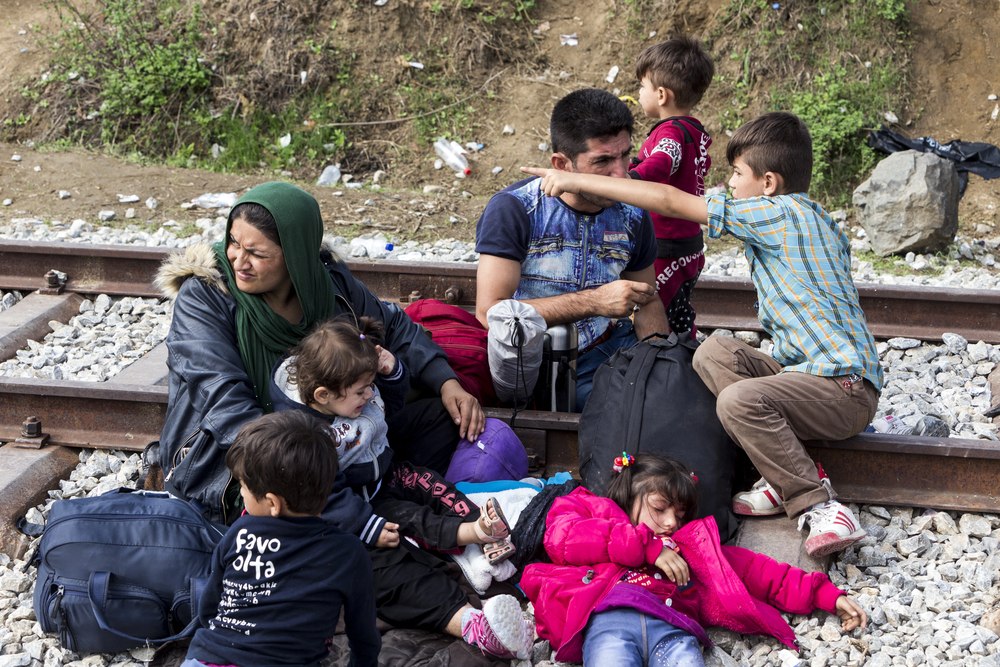
The complaint does not dispute Russia’s right to manage its health system. Rather, it turns on whether family members of migrant workers – spouses, children, and other dependents – should be eligible for free health insurance once their breadwinners are lawfully employed in Russia. Insurance of this kind, known locally as OMS, opens access to a broad range of state-funded medical services beyond emergency care. Without it, dependents may have to pay out of pocket or buy private coverage for non-urgent treatment.
Under the EAEU’s social security provisions, the right to social protection and medical care for a worker and their family should be on the same terms and conditions as for citizens of the State of employment. That language appears in the union’s treaty and its annexes regulating labor and social rights. Kyrgyz officials argue that Russian practice undermines that principle when family members are excluded.
Kyrgyzstan is one of Russia’s closest partners in Central Asia, bound by deep economic, security, and migration ties. Bishkek is a member of the Eurasian Economic Union and the Moscow-led Collective Security Treaty Organization, and has generally avoided direct public disputes with the Kremlin. Kyrgyz officials have typically sought to resolve migration-related frictions quietly through bilateral channels, making the decision to take Russia to a supranational court unusual.
In April 2025, Kyrgyzstan’s Foreign Ministry summoned Russia’s ambassador after police reportedly used force against Kyrgyz nationals in a Moscow bathhouse raid, a rare diplomatic protest against Russia that underscored growing domestic concern over the treatment of migrant workers.
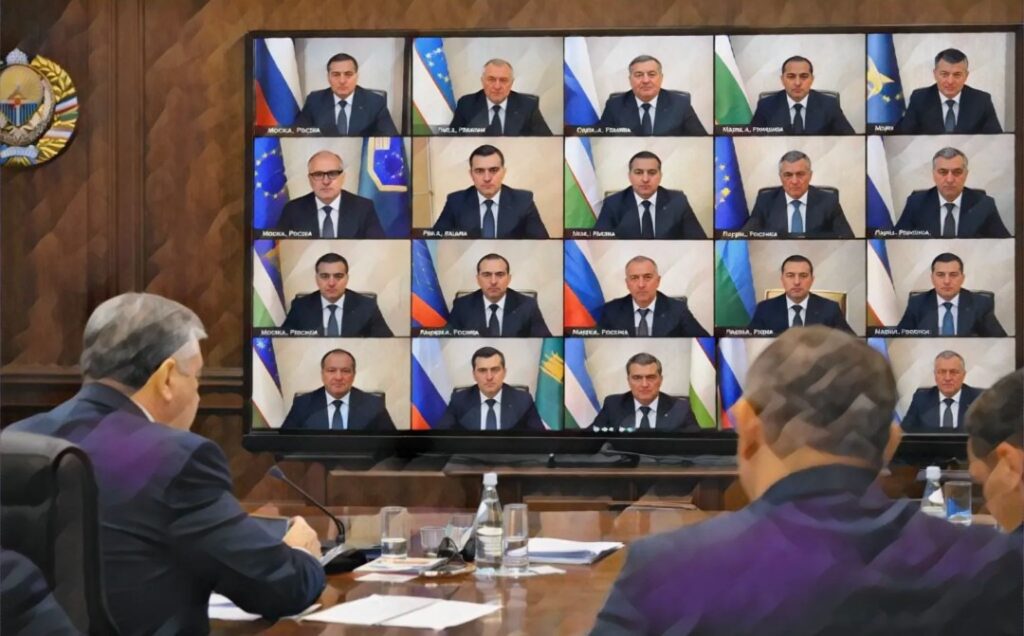
The EAEU Court in Minsk adjudicates disputes over the interpretation of union law and ensures consistent application across member states. It consists of judges from all five members and issues decisions on matters brought by member governments or executive bodies. The court’s decisions clarify legal obligations but do not rewrite union treaties; compliance depends on the parties and, ultimately, on political follow-through.
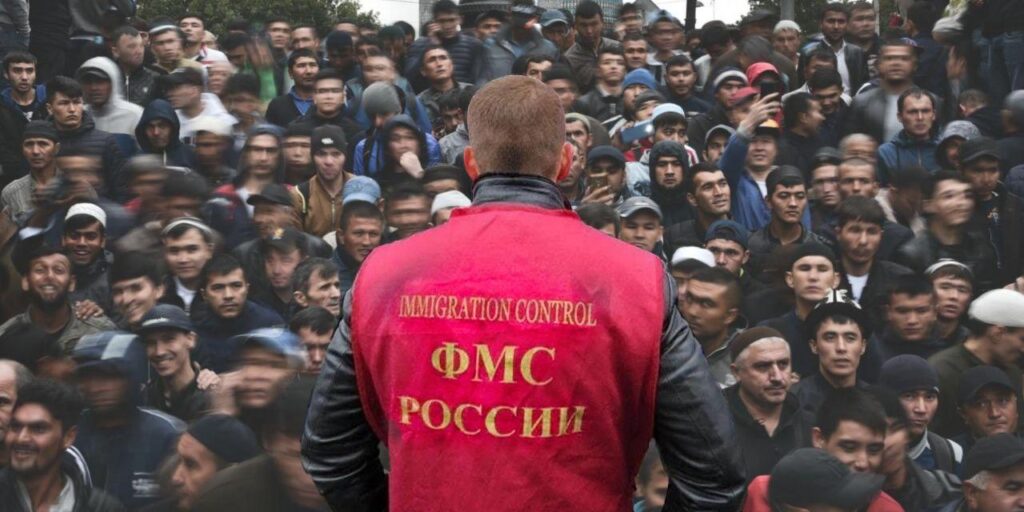
Labor migration from Kyrgyzstan to Russia remains a major economic lifeline for many families. Russia is by far the largest destination for Kyrgyz workers, who are employed across construction, services, and seasonal jobs. At the end of 2024, 379,949 Kyrgyz nationals were registered with the Russian migration authorities, making up a significant share of Kyrgyzstan’s foreign income. Between January and May 2025, remittances from Russia accounted for 94% of total inflows, which have deep effects on household economies back home and on broader fiscal stability.
That deeper economic context shapes the political stakes of the legal dispute. If family members cannot secure affordable health care in Russia, households face stark choices: delay treatment, pay out of pocket, or carry the cost of private insurance. This raises domestic pressure on Bishkek’s leaders, especially as the country debates reforms to its own mandatory insurance system, and as Moscow tightens migration enforcement and oversight in ways that increase insecurity for Central Asian workers and their families.
The EAEU pact was designed to pool aspects of economic and social integration, including the free movement of labor and equal treatment in employment and social benefits. Kyrgyzstan has pointed to those treaty commitments as the basis for its claim. Russia’s refusal to issue insurance cards to dependents, according to Kyrgyz officials, undermines the union’s promise of equal protection.
The case has drawn attention against the backdrop of tighter migration policies in Russia. Since 2024, after the deadly Crocus City Hall attack that triggered a massive backlash, the Russian authorities have pushed measures to restrict access to certain social benefits for foreign workers. Some Russian lawmakers have said free medical care should apply only after years of legal employment.
Kyrgyz officials and lawmakers have framed the lawsuit as part of a wider effort to defend the rights of Kyrgyz citizens working abroad. By moving the dispute to the EAEU Court, Bishkek is seeking an authoritative interpretation of union law that could influence how Russia and other members handle similar social-protection issues.
For Russia, the case highlights tensions between national policy priorities and regional commitments under the EAEU framework. Moscow has consistently emphasized its sovereign right to set eligibility criteria for social programs.
A ruling in Kyrgyzstan’s favor would send a message that the EAEU’s labor and social provisions have concrete legal force. It could obligate Russia to extend medical insurance to the family members of migrant workers who hold lawful employment. That could ease the financial burden on thousands of households that depend on cross-border work.
If the court sides with Russia’s narrower reading of the treaty, however, the decision would solidify a more limited view of social rights for migrants and their families. This outcome would underscore the gap between high-level integration goals and on-the-ground application of social protections.
The forthcoming decision will test not only legal interpretations of the EAEU’s text, but also the strength of its commitments in practice, as member states navigate the balance between sovereign policy and regional obligations.