• KGS/USD = 0.01144 0%
  • KZT/USD = 0.00208 0%
  • TJS/USD = 0.10482 0.48%
  • UZS/USD = 0.00008 0%
  • TMT/USD = 0.28571 0.28%
  • KGS/USD = 0.01144 0%
  • KZT/USD = 0.00208 0%
  • TJS/USD = 0.10482 0.48%
  • UZS/USD = 0.00008 0%
  • TMT/USD = 0.28571 0.28%
  • KGS/USD = 0.01144 0%
  • KZT/USD = 0.00208 0%
  • TJS/USD = 0.10482 0.48%
  • UZS/USD = 0.00008 0%
  • TMT/USD = 0.28571 0.28%
  • KGS/USD = 0.01144 0%
  • KZT/USD = 0.00208 0%
  • TJS/USD = 0.10482 0.48%
  • UZS/USD = 0.00008 0%
  • TMT/USD = 0.28571 0.28%
  • KGS/USD = 0.01144 0%
  • KZT/USD = 0.00208 0%
  • TJS/USD = 0.10482 0.48%
  • UZS/USD = 0.00008 0%
  • TMT/USD = 0.28571 0.28%
  • KGS/USD = 0.01144 0%
  • KZT/USD = 0.00208 0%
  • TJS/USD = 0.10482 0.48%
  • UZS/USD = 0.00008 0%
  • TMT/USD = 0.28571 0.28%
  • KGS/USD = 0.01144 0%
  • KZT/USD = 0.00208 0%
  • TJS/USD = 0.10482 0.48%
  • UZS/USD = 0.00008 0%
  • TMT/USD = 0.28571 0.28%
  • KGS/USD = 0.01144 0%
  • KZT/USD = 0.00208 0%
  • TJS/USD = 0.10482 0.48%
  • UZS/USD = 0.00008 0%
  • TMT/USD = 0.28571 0.28%

Viewing results 1 - 6 of 54

Killing of Russian General Kirillov: Arrest of Uzbek Suspect Raises Fears Among Central Asians

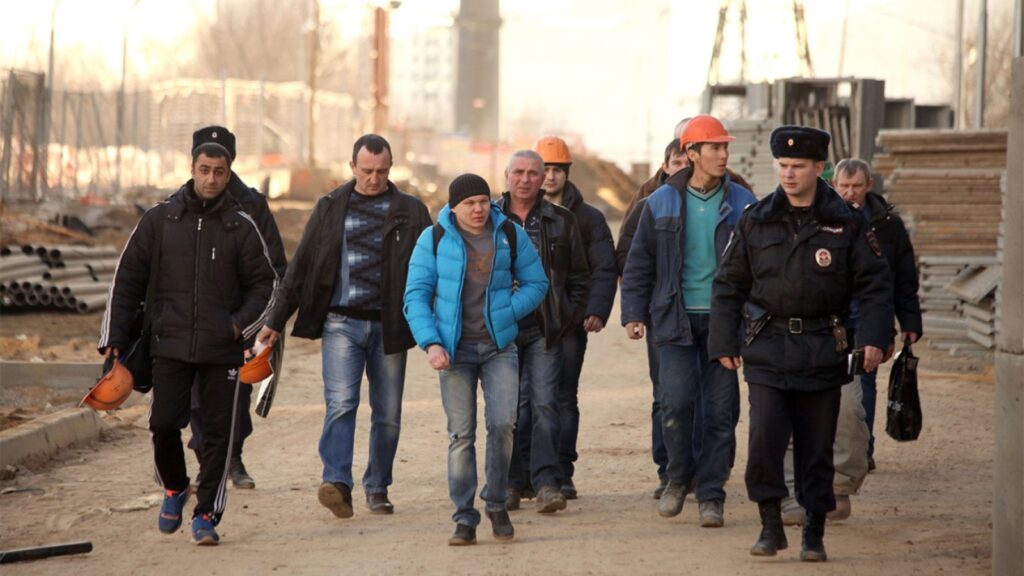
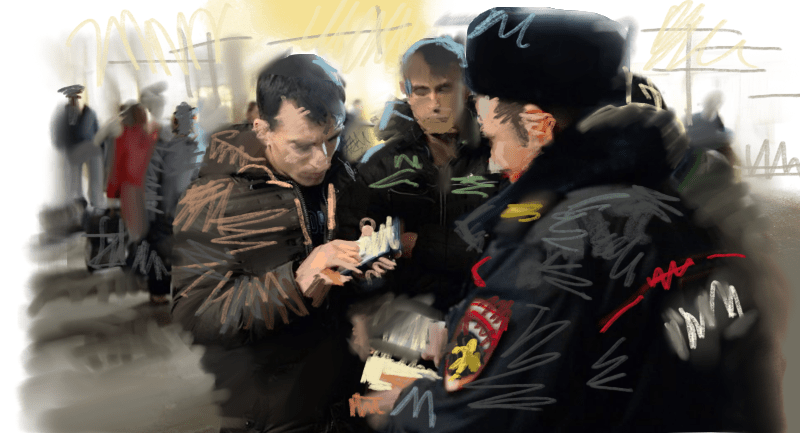
In the early hours of Tuesday, December 17, an explosion occurred at the entrance of an apartment building in a modest Moscow district, killing two people: Lieutenant General Igor Kirillov and his assistant. Kirillov was the head of the Radiation, Chemical, and Biological Defense (RCBD) troops of the Russian Armed Forces. A briefing by him had reportedly been scheduled for later that day. The Russian Federal Security Service (FSB) announced the arrest of a suspect: a 1995-born citizen of Uzbekistan. According to the FSB, the suspect was identified and detained through joint operations with Russia’s Ministry of Internal Affairs and the Investigative Committee. According to investigators, the explosive device had been attached to an electric scooter parked near the building's entrance. Surveillance was allegedly conducted via a video camera placed inside a carshare vehicle parked nearby for several days. While the Ukrainian side has not officially claimed responsibility for the attack, some sources linked to Ukraine’s Security Service have reportedly done so. Russian officials quickly blamed Ukraine. Kremlin spokesperson Dmitry Peskov stated, “The Kiev regime does not shy away from such methods,” without providing evidence. Soon after, Investigative Committee spokesperson Svetlana Petrenko claimed that the suspect had confessed to being recruited by Ukrainian special services, who allegedly promised him an EU passport and $100,000. However, a video of the confession released by the FSB raises doubts. The suspect, who appears to struggle with Russian, delivers statements that suggest he may not fully understand what he is saying. While the confession's credibility is unclear, the nationality of the suspect - another migrant from Central Asia - is what resonates most in the short term. The incident follows a previous terrorist attack at Moscow’s Crocus City Hall, after which migrants from Central Asia faced intensified scrutiny. Over the past six months, many Central Asian workers living in Russia have felt treated not as second-class but as third-class citizens. Document checks, lengthy detentions, and increasingly restrictive rules for entry and residency in Russia have become commonplace. In August, Russia’s Interior Ministry reported that almost 92,800 foreign citizens were expelled in the first half of 2024 - a 53.2% increase compared to the same period in 2023. In response to the attack, nationalist groups and patriotic public figures are once again urging the Russian government to introduce a visa regime for Central Asian countries, particularly Tajikistan and Uzbekistan. Similar measures have been observed in Turkey after the Crocus incident involving Tajik citizens, and in the UAE following a high-profile crime involving Uzbek nationals. It is highly likely that anti-migrant sentiment in Russia will intensify in the coming months. Coupled with increased security operations, this trend could escalate into new forms of repression targeting migrants. Such measures are likely to strain Russia's relations with Central Asian republics, where the treatment of migrant workers remains a sensitive issue.
Uzbek Deputy Proposes Introducing Visa Regime With Russia

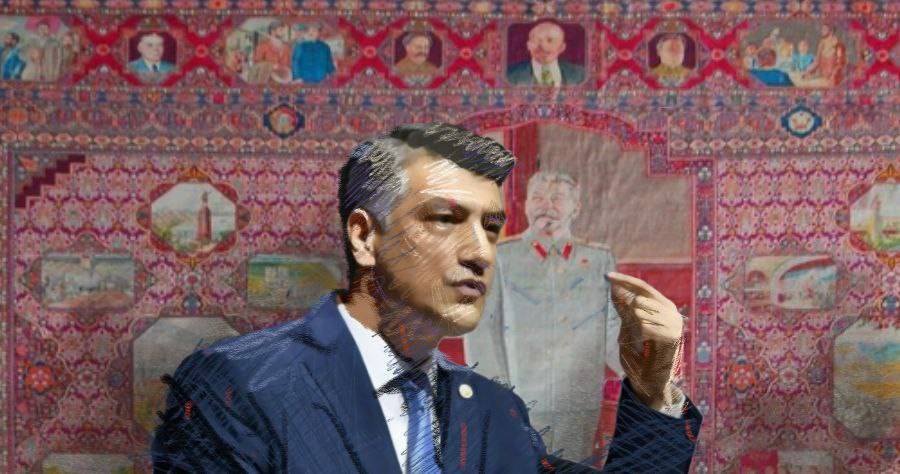
Russian politician Leonid Slutsky has proposed establishing a comprehensive set of mandatory rules for foreign workers in Russia, called the “Migrant Code.” Developed in coordination with diasporas and law enforcement agencies, the code outlines guidelines for migrants seeking legal employment in Russia. According to Slutsky, the Migrant Code will require foreign workers to learn Russian and ensure their families also acquire language skills if residing in Russia. Migrants, he says, must respect Russian culture and traditions, adhere to public behavior standards, obtain official employment, and pay taxes. Additional requirements include securing insurance against deportation or expulsion, undergoing fingerprinting, genomic registration, and mental health testing. In response, Alisher Qodirov, chairman of Uzbekistan’s Milli Tiklanish (National Revival) party, suggested introducing a visa regime with Russia to address potential instability and a rise in migration flows. Qodirov underscored the importance of Uzbekistan and other Central Asian countries implementing stricter entry and exit controls to Russia, alongside enhanced requirements for job seekers. He emphasized the need for migrants to respect their host country’s language, culture, and laws while reaffirming the significance of national values. He further stated that educating Uzbek workers on their rights and responsibilities would help mitigate social, political, and economic challenges for Uzbekistan. It would also protect citizens from exploitation and discrimination abroad, reinforcing the nation’s commitment to safeguarding its people.

Young Uzbek Men Dominate Russia’s Migrant Workforce in 2024

A recent analysis by the "Migrant Service" platform has outlined the profile of the average migrant worker in Russia for 2024. According to the study, the typical migrant is a 28-year-old married man from Uzbekistan, residing in or near Moscow. The survey, which included approximately 63,000 participants, revealed key demographic trends among migrant workers in Russia. Most respondents identified as Muslim men aged 28, though the age range spanned from 18 to 37 years. Uzbekistan Leads Migration Statistics The majority of migrant workers in Russia come from Uzbekistan, accounting for 55.4% of the total. Tajikistan follows with 39.89%, while Armenia, Kyrgyzstan, Belarus, and Kazakhstan collectively contribute 4.82% of the migrant population. “For migrants, family and children are the highest priorities,” the analysts noted. This focus is reflected in remittance patterns: 67% of respondents send money to their families once a quarter, and 41% remit more than 50% of their income. Growing Demand for Migrant Labor The survey also highlights the increasing reliance on Central Asian migrants to address labor shortages in Russia. This trend, as previously reported by the Times of Central Asia, has been exacerbated by Russia's ongoing war in Ukraine, which has intensified the demand for additional workers.

More Than 70,000 Kyrgyz Citizens Violate Russian Migration Laws

The Ministry of Foreign Affairs of Kyrgyzstan has reported that 71,949 Kyrgyz citizens working in Russia are at risk due to potential violations of Russian migration laws. According to the ministry, the individuals at risk are those for whom the Russian Ministry of Internal Affairs’ database lacks information regarding the conclusion of labor or civil law contracts, fingerprint registration, medical examinations, or migration registration. “For citizens with valid documents confirming legal residence in the Russian Federation, it is necessary to visit the territorial migration departments of the Russian Ministry of Internal Affairs and provide these documents to be included in the database and removed from the risk zone,” the Kyrgyz Foreign Ministry explained. To assist its citizens, the Ministry of Labor, Social Security, and Migration of Kyrgyzstan will soon publish a list of migrants at risk on the portal migrant.kg. Citizens can use this portal to check their status and take steps to resolve any legal issues in advance. From February 5, 2025, a new Russian law, “On the Legal Status of Foreign Citizens in the Russian Federation,” will come into force. Under this law, foreign citizens without legal grounds for staying in Russia will be added to the register of controlled persons and face expulsion. Official data indicates that around 500,000 Kyrgyz migrants currently reside in Russia, though unofficial estimates suggest the figure exceeds one million.

Charges Reclassified for Defendants in Crocus Terror Attack Case

The charges against the four defendants in the Crocus City Hall terrorist attack case have been reclassified, lawyer Alexander Yarin has told Russia's state-owned TASS news agency. “Aminchon and Dilovar Islomov, their father Isroil Islomov, and Alisher Kasimov are now charged under Part 3 of Article 205.1 of the Russian Criminal Code,” Yarin stated. Previously, the defendants were charged under paragraph “b” of Part 3 of Article 205 of the Criminal Code, which pertains to a terrorist act resulting in a fatality. The updated charges now reflect involvement in actions that facilitated the commission of a terrorist act. As previously reported by TCA, the terrorist attack at Crocus City Hall, located on the outskirts of Moscow, resulted in 144 fatalities and 551 injuries. The incident has created a climate of fear among Central Asian migrants living in Russia. In the aftermath of the attack, Tajik migrants have faced a surge of hostility and aggression, further exacerbating tensions within the migrant community.

Russian Interior Minister Reports Drop in Crimes Linked to Tajik Citizens

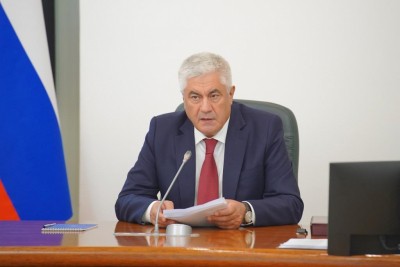
Russian Interior Minister Vladimir Kolokoltsev announced a decline in crimes involving Tajik citizens in the Russian Federation during a joint meeting of the Russian and Tajik Interior Ministries in Moscow. This reduction includes both offenses committed by and against Tajik nationals, a trend Kolokoltsev emphasized should continue. One notable achievement highlighted was the resolution of a 30-year-old murder case in Sughd, which was solved through coordinated information-sharing between Russian and Tajik law enforcement agencies. Strengthening Bilateral Cooperation During the meeting, Kolokoltsev and Tajik Interior Minister Rahimzoda Ramazon Hamro approved a 2025 cooperation plan. The agreement includes measures to combat transnational crime, enhance collaboration between investigative units, share intelligence, and address drug trafficking. Rahimzoda stressed that ongoing cooperation strengthens security and improves the performance of law enforcement agencies in both countries. Tajik officials highlighted that joint events and initiatives have been held annually since the partnership began. Addressing Migration and Citizens’ Rights Kolokoltsev also referred to his May 2024 visit to Dushanbe, where discussions revolved around migration issues and the establishment of the Russian Interior Ministry’s passport and visa service. These efforts aim to enhance conditions for Tajik citizens living in Russia while safeguarding their rights and interests.